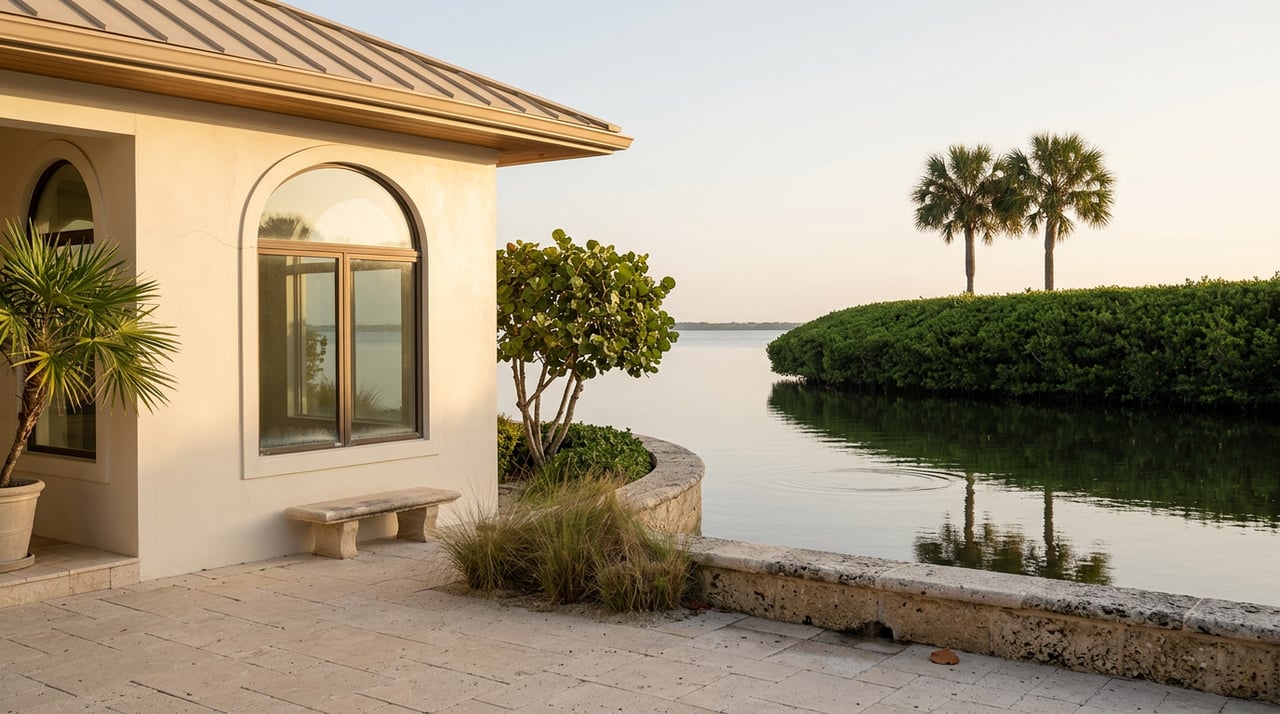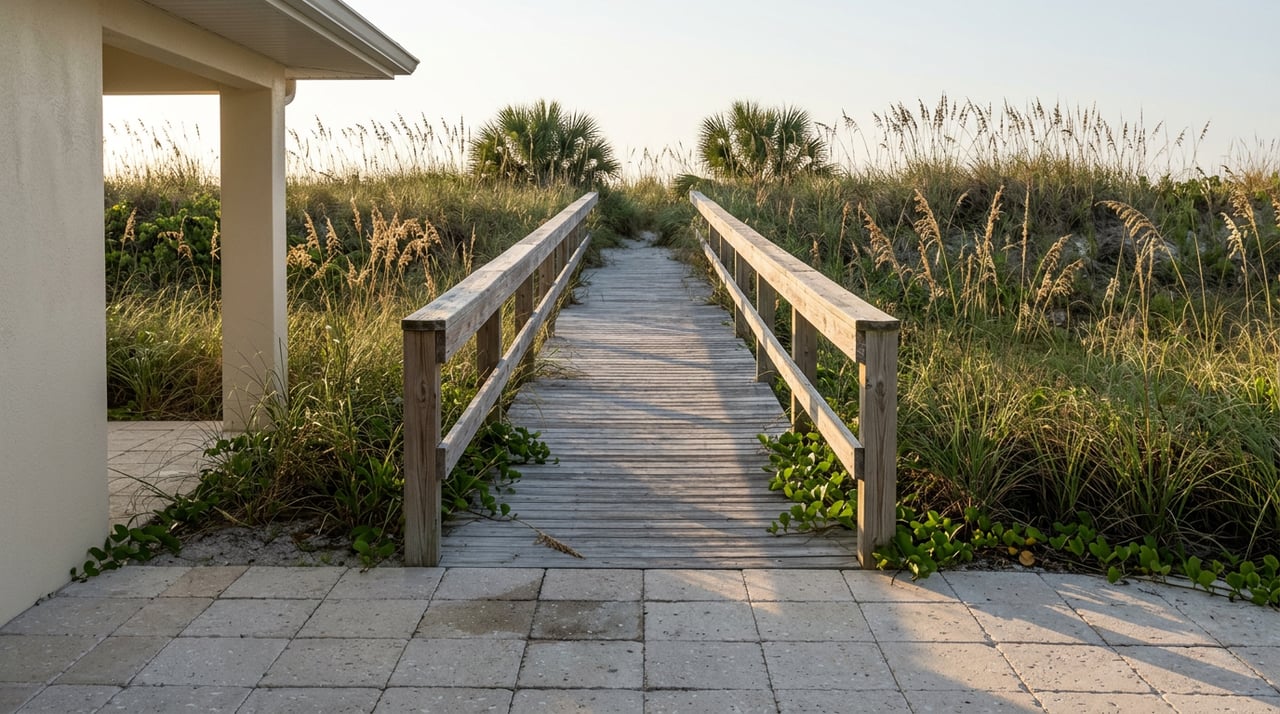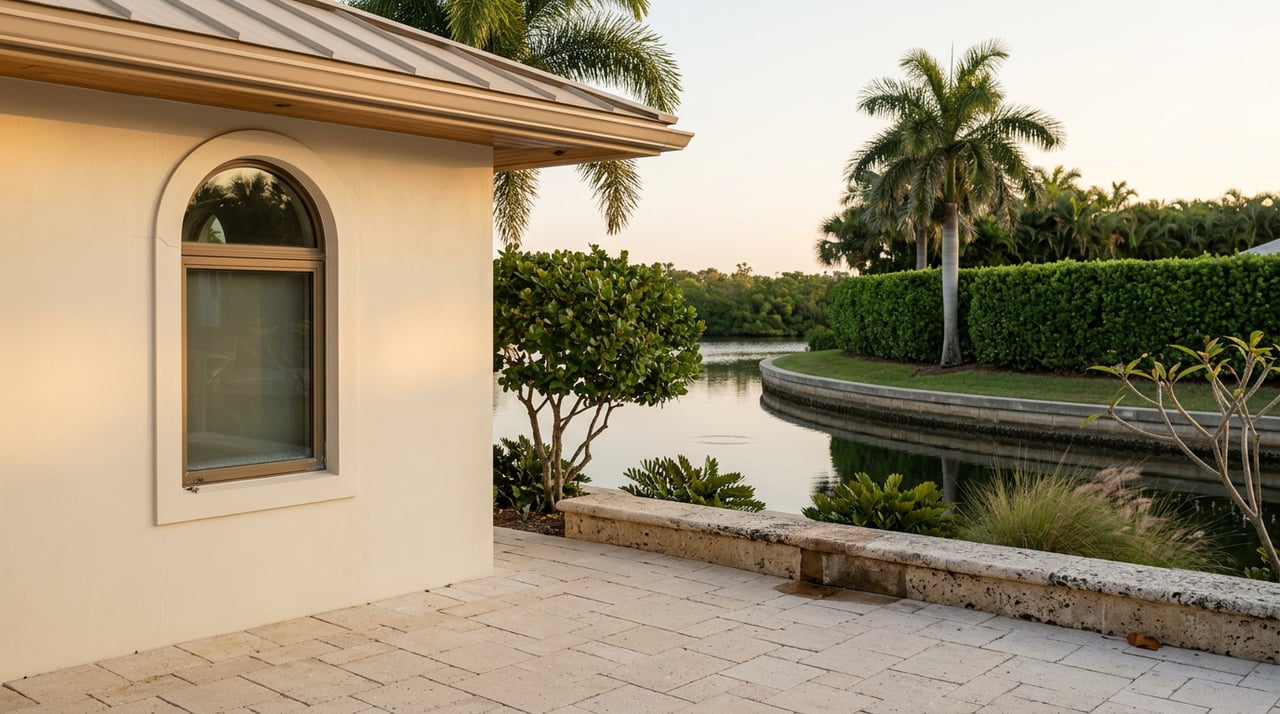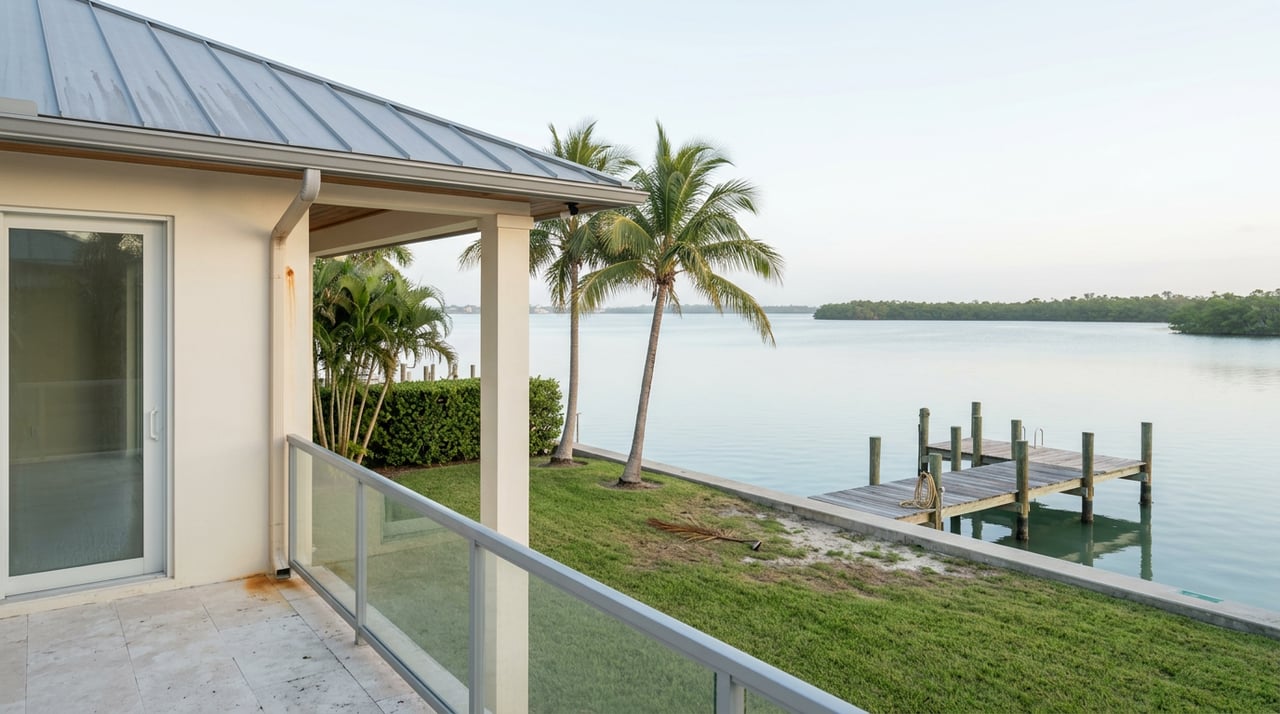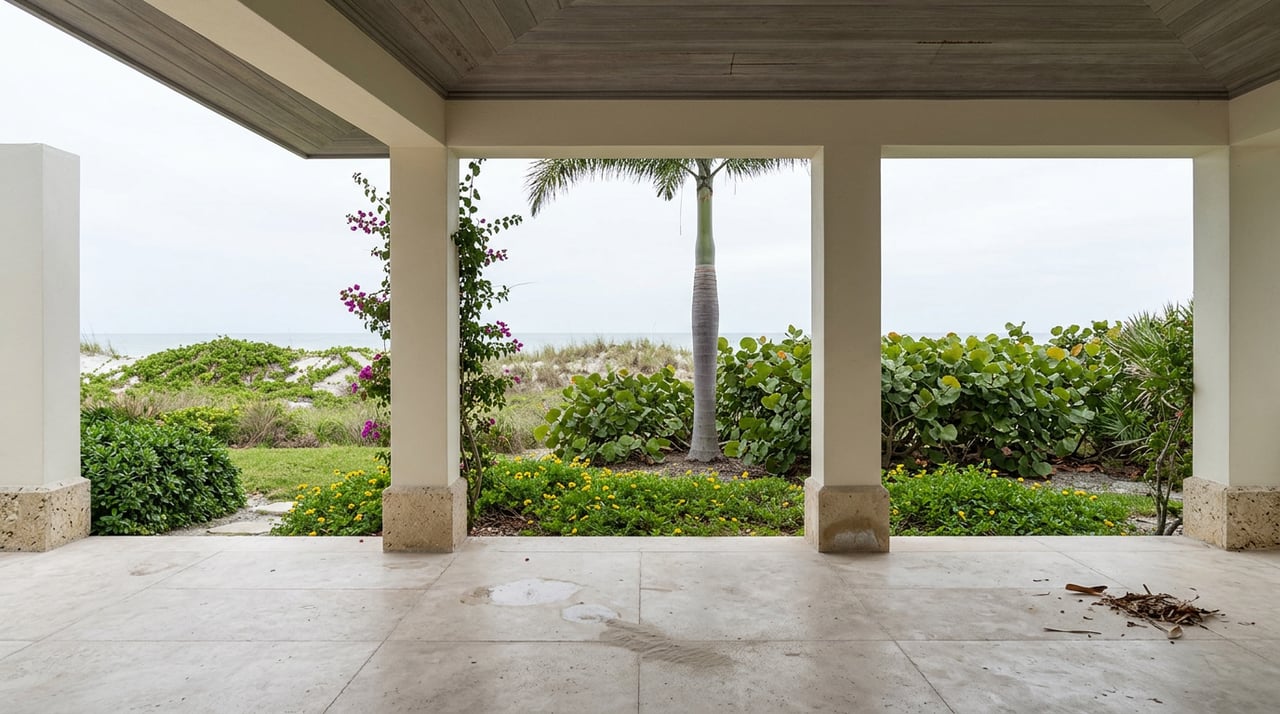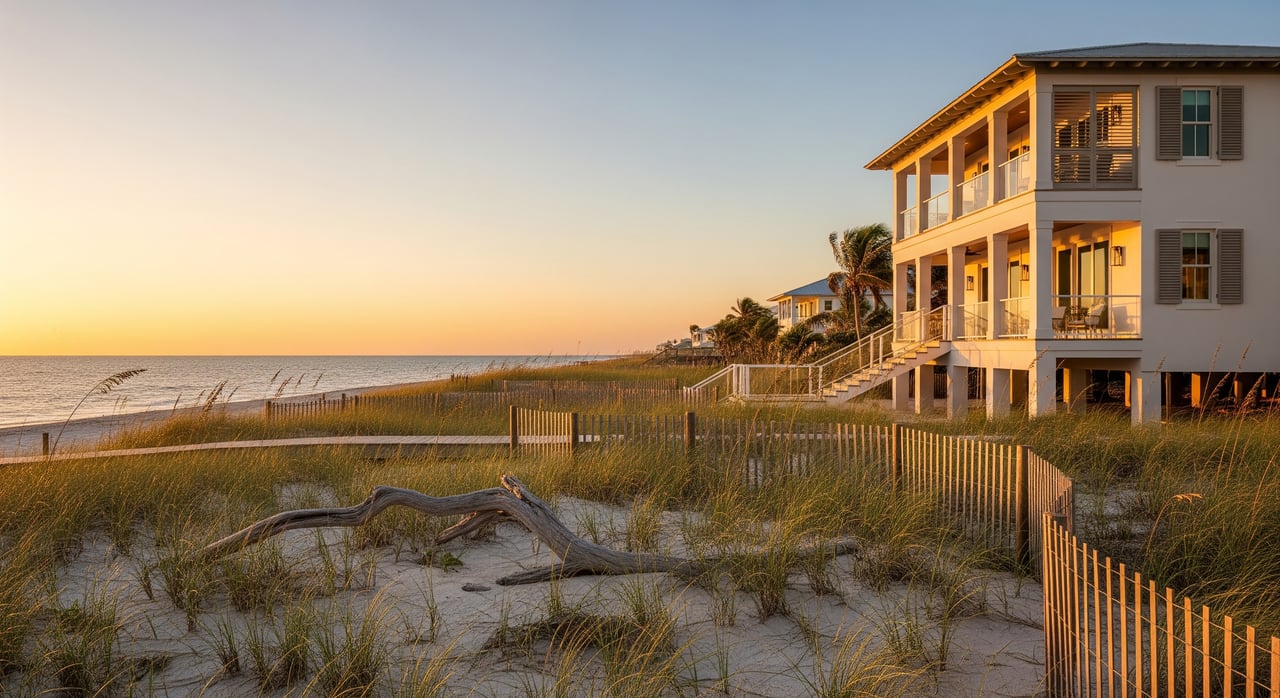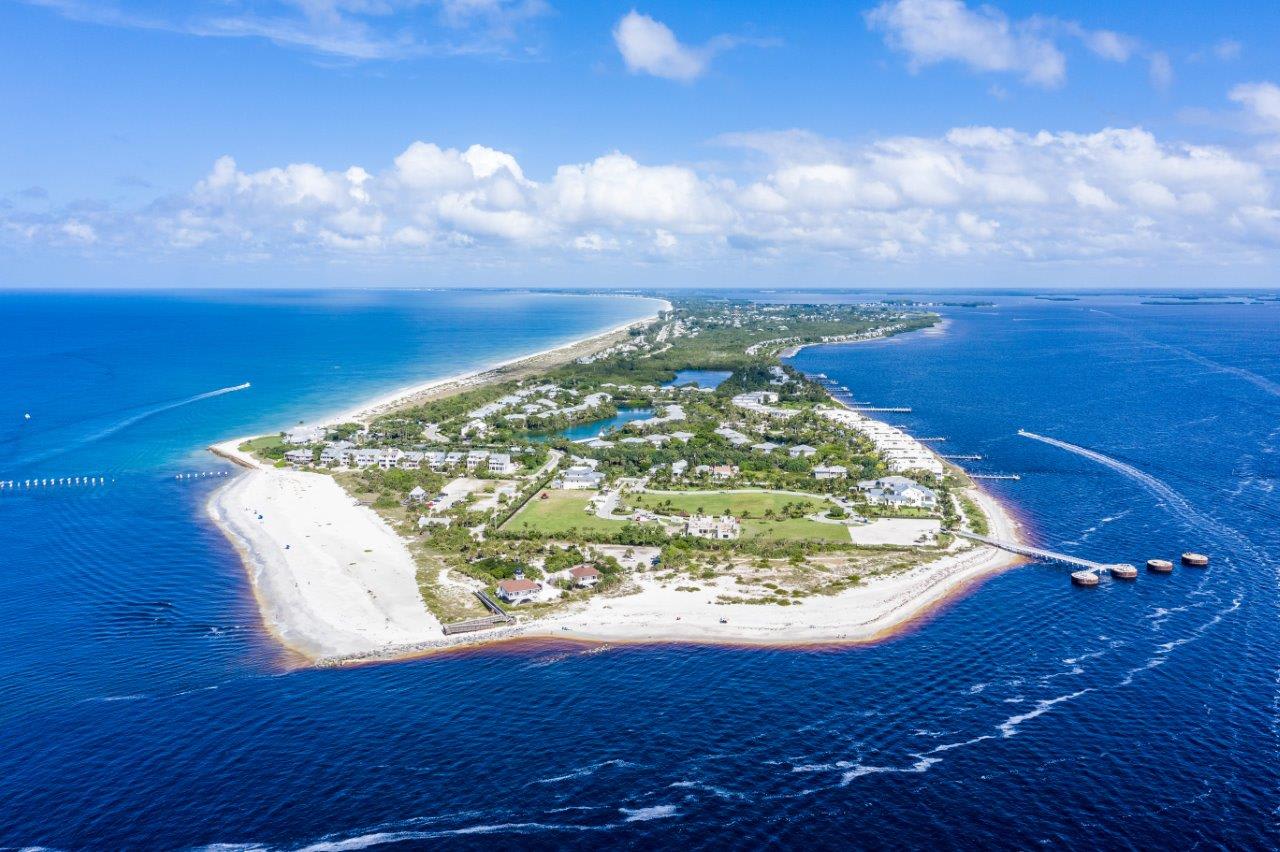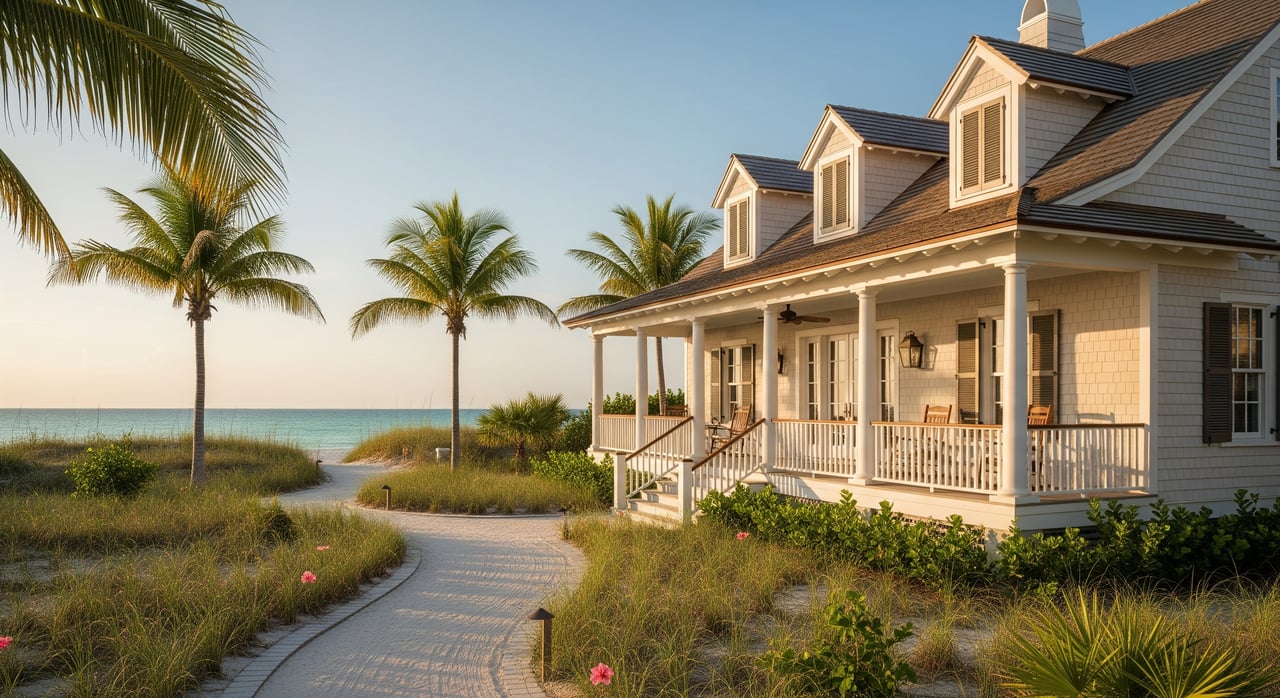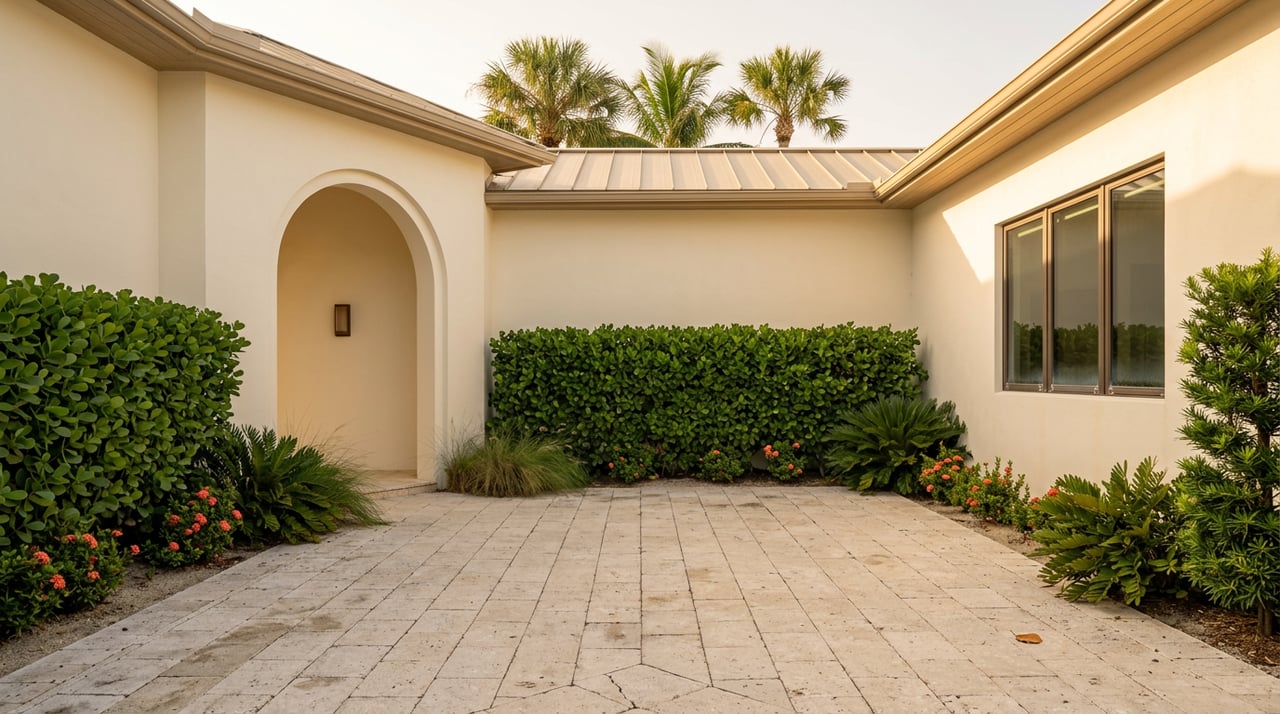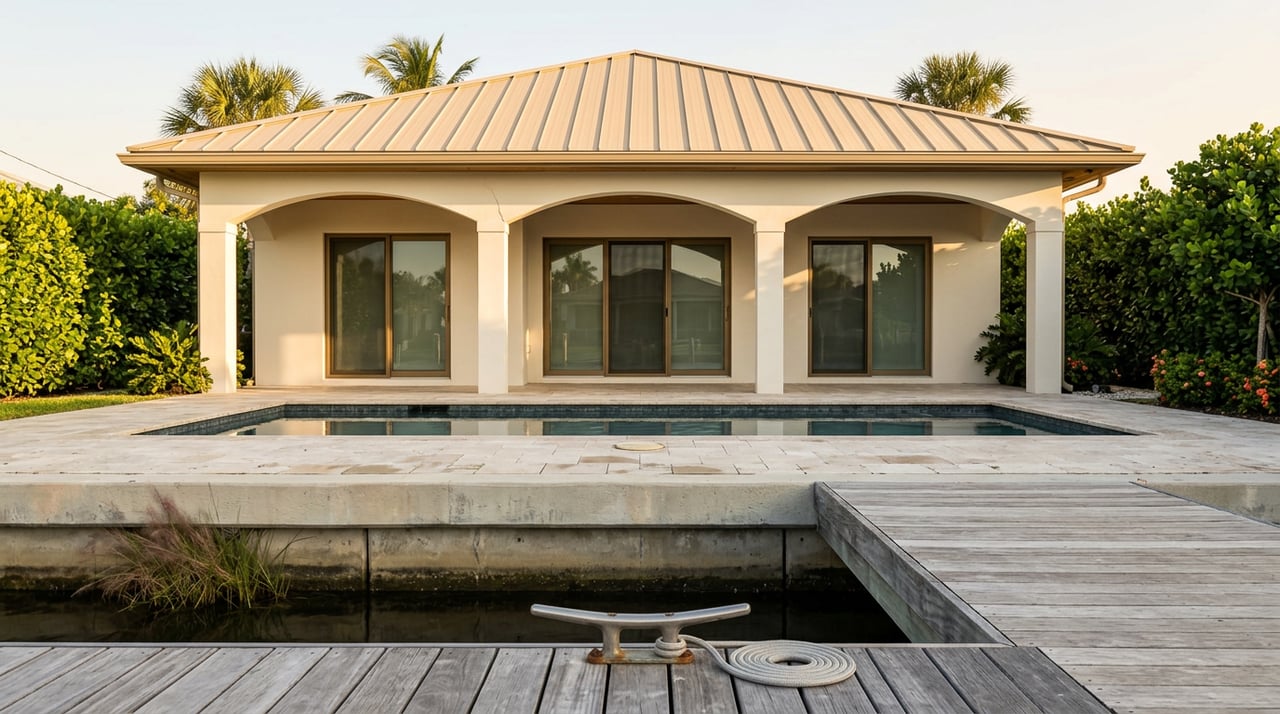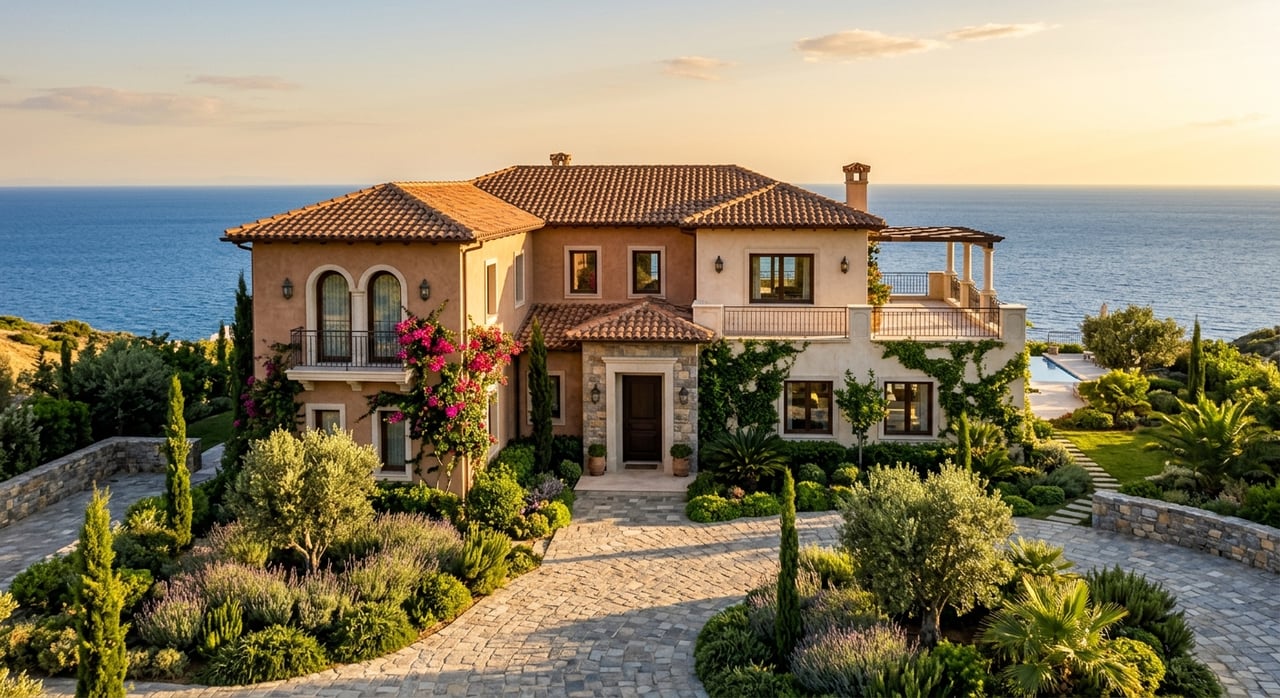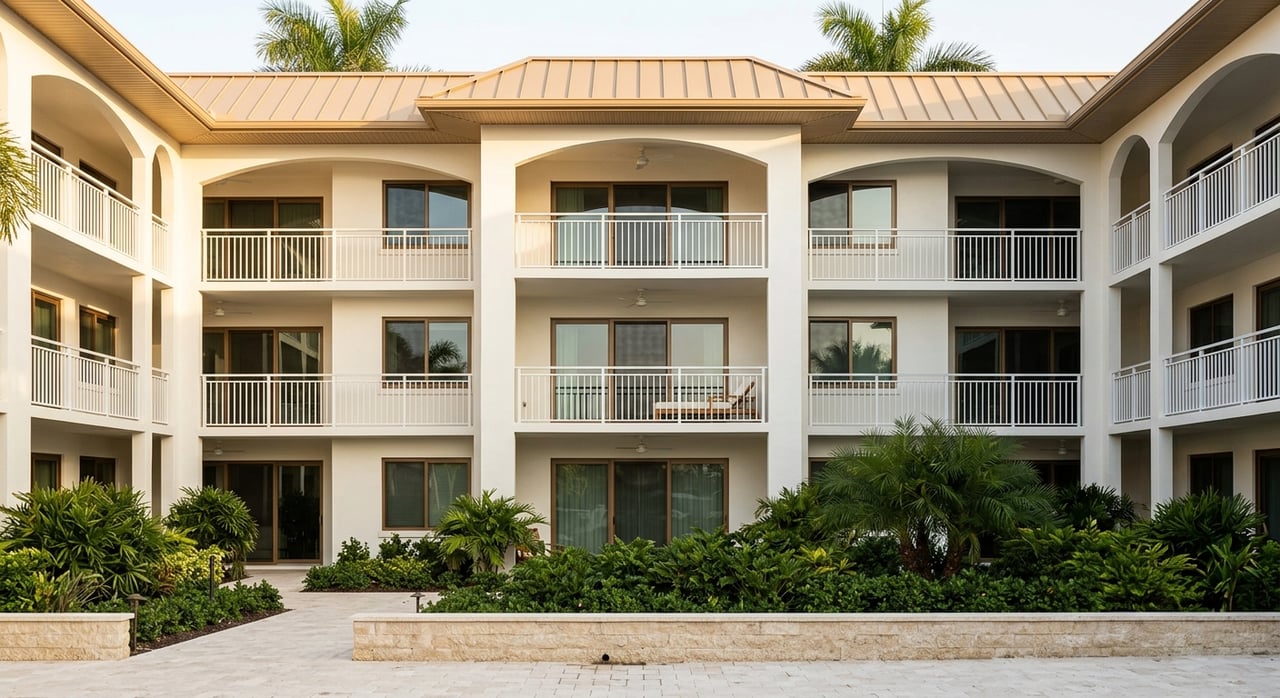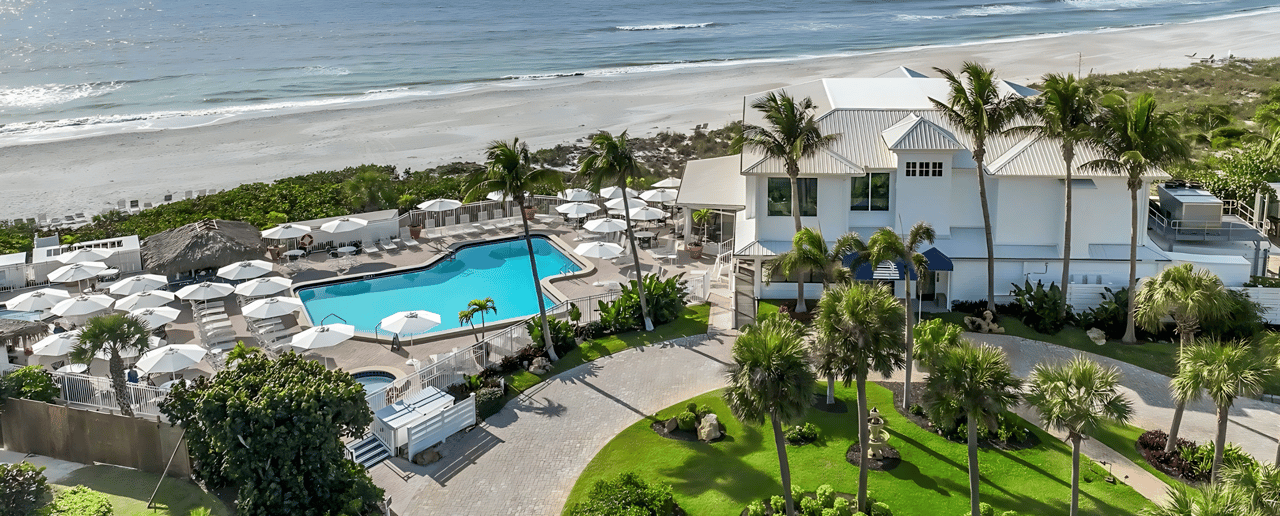
The morning after a strong cold front pushes through Gasparilla Island, the beach in front of Boca Grande Club looks different. The tide pulls back further than usual, the sand firms up, and a thin dark line of debris marks where the water sat overnight. Most of what's in that line is broken and unremarkable. Somewhere in it, though, is the reason people who have lived here for decades still walk the beach with their heads down instead of up.
The island's shelling reputation rarely gets mentioned in the same sentence as Sanibel's, which has spent decades building a national name for itself. But the actual proof of what Boca Grande's beaches produce isn't on the sand at all. It's five minutes from the Club's gate, inside a small library on West 10th Street, in two collections that have been sitting there for decades.
The Trophy Case Nobody Mentions
The Johann Fust Community Library occupies a building designed by Boston architect Henry Richardson Shepley and built by the local Griffin Brothers construction firm in 1950. Roger and Louise Amory, a Boston couple who wintered on the island, gave the library to Boca Grande the year before, and it opened to the public in January 1951. It stayed a private library for six decades before the Lee County Library System took over its operations in 2012, following a renovation that reopened the building in June 2013. The Johann Fust Library Foundation still owns and maintains the grounds, the gardens, and the collections inside.
Two of those collections live in the library's loggia. One is the Henry Francis du Pont Collection, assembled between 1920 and 1969 from shells gathered directly on the beaches of Boca Grande, Cayo Costa, and Little Gasparilla. The other is the George Melissas World Shell Collection. Somewhere among the display cases sits a mirror framed entirely in shells pulled from Boca Grande's own sand and mounted on pecky cypress, the work of a local collector whose piece won recognition before it found its permanent home there.
Longtime collectors on the island have made a habit of pointing out that specimens found on Boca Grande's beaches have gone on to place at Sanibel's annual shell show. The du Pont collection, assembled from shells gathered on Boca Grande, Cayo Costa, and Little Gasparilla, reflects decades of shelling along this coast.
The du Pont collection spans nearly fifty years of shelling along this coast. That's not a season of good luck. That's a pattern.
Why the Front Matters More Than the Calendar
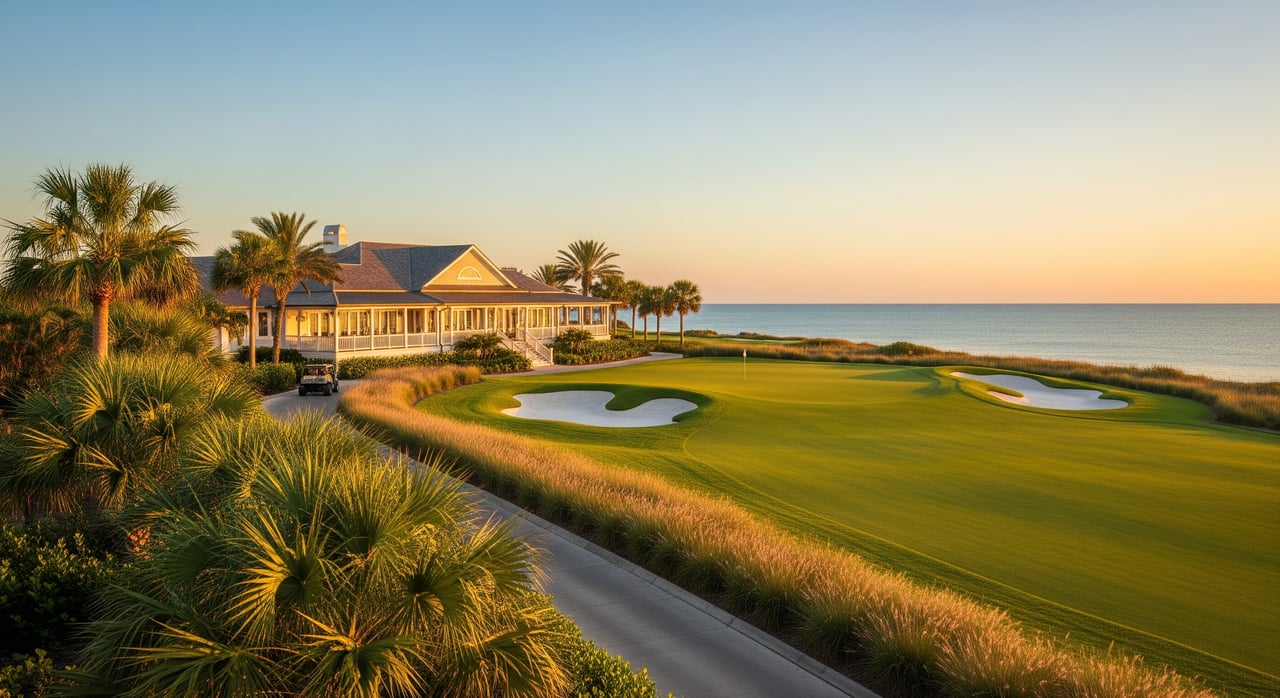
Boca Grande Club sits on the north end of Gasparilla Island, its own stretch of Gulf frontage separate from the public beach access points further south inside Gasparilla Island State Park. The mechanics of good shelling don't change based on which part of the island you're standing on, though. What matters is what happened offshore the night before.
A strong cold front does two things at once. It drops the water level further than a normal tide, exposing sandbars and shell beds that stay submerged on an ordinary day. And it stirs the Gulf floor enough to carry material up from depths that don't normally give anything back. The rarest finds on this coast, the shells collectors actually talk about, tend to live too deep to wash ashore on a calm day. A front does the work that patience alone can't.
That's why winter carries the island's best reputation for shelling. The passage of fronts through the cooler months creates repeated chances at that low-tide, post-storm window, rather than the occasional accident that produces a good find in July. Anyone walking the Club's beach after a front this fall is walking it in the kind of conditions that helped build the du Pont collection.
What's Actually Worth Bending Down For
Not everything in that debris line is worth a second look. A few things are.
- Lightning whelks are the easiest prize to recognize. They're left-handed, meaning the shell spirals in the opposite direction from most whelks, and a large one can run close to sixteen inches long, with ridges that genuinely resemble lightning bolts running down the spire.
- Junonia is the one everyone hopes for and almost nobody finds on command. It's a cream-colored shell freckled with rows of chocolate-brown spots, and the animal that made it lives in water roughly one hundred to four hundred feet deep. It only shows up on a beach after something violent enough happens offshore to bring it up.
- King's crown shells run three to four inches, come in yellow, brown, or red, and get their name from the pleated texture that runs around the shell like the folds of a crown.
- Horse conchs are the size that stops people mid-stride. A fully intact one is heavy enough to feel like a genuine find rather than a curiosity.
None of these show up on every walk. That's precisely why the library's collections matter as a benchmark. They represent what accumulates over decades of walking the same beach, not what any single outing should reasonably promise.
The Rule That Keeps the Beach Honest
Florida law draws a firm line between an empty shell and a live one, and the distinction matters more than it might seem. A live shell is any shell still occupied, whether or not the animal inside looks obviously alive, and that category includes starfish and sand dollars found intact on the sand. Collecting those isn't permitted. Fighting conchs, the small orange conchs most commonly seen along this stretch of coast, fall under the same live-harvest restriction. The rule exists because a beach that gets stripped of its living population stops producing anything worth finding within a generation. The beaches that contributed to the du Pont collection only did so because they weren't picked clean along the way.
What the Water Is Doing Right Now
Conditions this fall are worth knowing before anyone plans a walk down the Club's beach. Florida's Fish and Wildlife Conservation Commission tracks the red tide organism, Karenia brevis, through weekly statewide sampling, and its most recent update in early September confirmed the organism had not been detected in samples collected anywhere in the state over the preceding week. That's a meaningful data point heading into the season when cold fronts start arriving and shelling picks up. A red tide bloom, when it happens, keeps people off the beach entirely for the respiratory irritation it causes near the waterline. Right now, there's nothing standing between a resident and the first good front of the season.
The tarpon crowds that define Boca Grande Pass every spring have long since thinned out, and the island has settled into its quieter half of the year. That's precisely the stretch when the beach does its best work, largely unwatched, restocking itself front by front until the next one turns something worth bending down for.
The next time a front rolls through and the tide pulls back further than usual, it's worth remembering what's already sitting on West 10th Street. The record of what these beaches have yielded isn't a rumor. It's on a shelf, catalogued, built over decades by people who lived here long enough to know where to look.
For anyone weighing what a Gulf-front address on this stretch of the island is actually worth, beyond the beach itself, The Moore Team can walk you through it. Book a Private Consultation whenever you're ready to talk specifics.
This article is general information, not legal, tax or financial advice. Consult a qualified professional about your situation.