"We are seeing a very positive year at The Inn and expect to outperform prior seasons, including several that were not impacted by storms or the pandemic."
That is Brent Cross, president and general manager of The Gasparilla Inn, quoted by the Boca Beacon this spring. Elsewhere in the village, business owners were telling a different story to the same newspaper, and both were true at once. That contradiction, playing out over the first full year of Lee County's new parking ordinance, is the most useful thing a buyer comparing properties on Gasparilla Island can learn right now. It has less to do with traffic and more to do with which kind of address absorbs friction and which kind simply doesn't feel it.
This week marks one year since Lee County commissioners passed Ordinance No. 25-16, the measure that put Boca Grande's streets into permit zones for the first time. Twelve months in, the record is clear enough to draw a real estate conclusion from it, not just a traffic one.
What the Ordinance Actually Does
The ordinance created four permit types, and which one applies to you depends entirely on your relationship to the island.
- Permit A, a resident decal, valid one year, for people who live on Gasparilla Island
- Permit B, a hotel guest placard, valid for the length of a stay
- Permit C, an employee and volunteer decal, valid one year, for people who work here but don't live here
- Permit D, a house guest placard, either a short-term pass or an annual one, for anyone visiting a private residence
Outside those zones, a non-residential area carries a three-hour limit between 9 a.m. and 5 p.m. for anyone without a permit. Lee County said permits would be available beginning the week of December 1, 2025, which means this past winter and spring season was the first one where the rule wasn't theoretical.
None of this is complicated on its face. What it produces, in practice, is an ongoing administrative relationship between a homeowner and the county. If you own a home near the village and you're hosting a dinner party, someone needs to have applied for a D permit ahead of time or your guest is timing their visit against a three-hour clock. If you employ a housekeeper or a landscaper who lives off-island, that person needs a C decal. None of it is expensive. All of it is one more thing to manage.
The Season the Numbers Actually Show
Here is where the story gets interesting for anyone reading it as a market signal rather than a policy update.
According to sales tax data the Boca Beacon requested from the state for zip code 33921, January 2026 taxable sales were up 54 percent over January 2025, a comparison that means less than it looks, since January 2025 fell in the middle of the island's post-hurricane shutdown following Helene and Milton. February 2026 is the cleaner read: taxable sales fell 7.3 percent year over year. March came in essentially flat, up just 0.5 percent.
Meanwhile, at the April 22 meeting of the Boca Grande Parking Committee, individual business owners put numbers to what those aggregate figures were hiding. Brooke Sparks of Gasparilla Adventures reported a 16 percent drop in December business, in what is traditionally part of the shoulder season. Lee McQeary, speaking for Boca Grande Cart Rentals, said hourly walk-in business had fallen between 20 and 30 percent. Wendy Davis, manager at Fugate's, told the committee business was down 18.2 percent compared with the prior season.
So which is it? A very positive year, per the Inn's general manager, or a season where three named local businesses reported double-digit declines? Both, and the reason both can be true at once is the actual insight here. The Inn's guests already have their parking sorted, either through hotel-guest placards distributed at check-in or through arrangements that don't depend on casual street access. The businesses reporting declines are the ones that depend on people wandering in on foot or parking for an afternoon without planning three weeks ahead for a decal. The ordinance doesn't touch everyone equally. It falls hardest on foot traffic and casual visits, and barely touches anyone whose access was already arranged.
How Boca Grande Club Differs from the Village
That distinction maps almost exactly onto the difference between a home near the village core and a home inside Boca Grande Club.
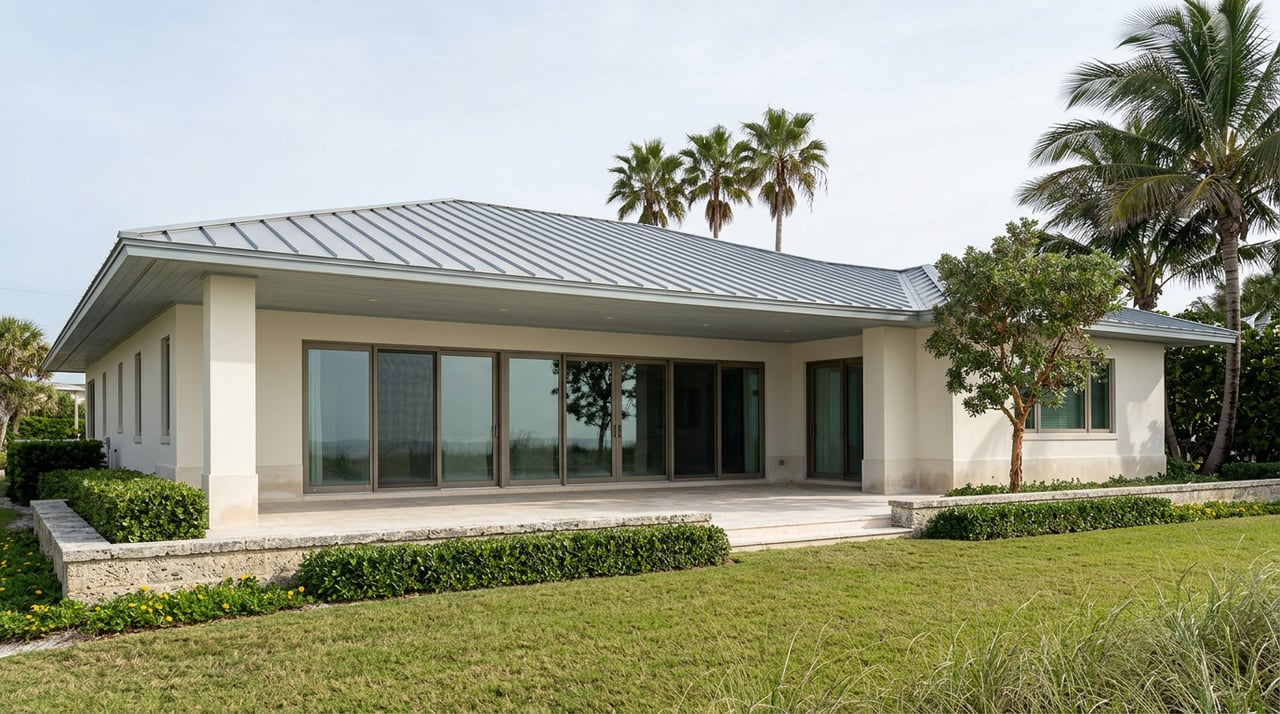
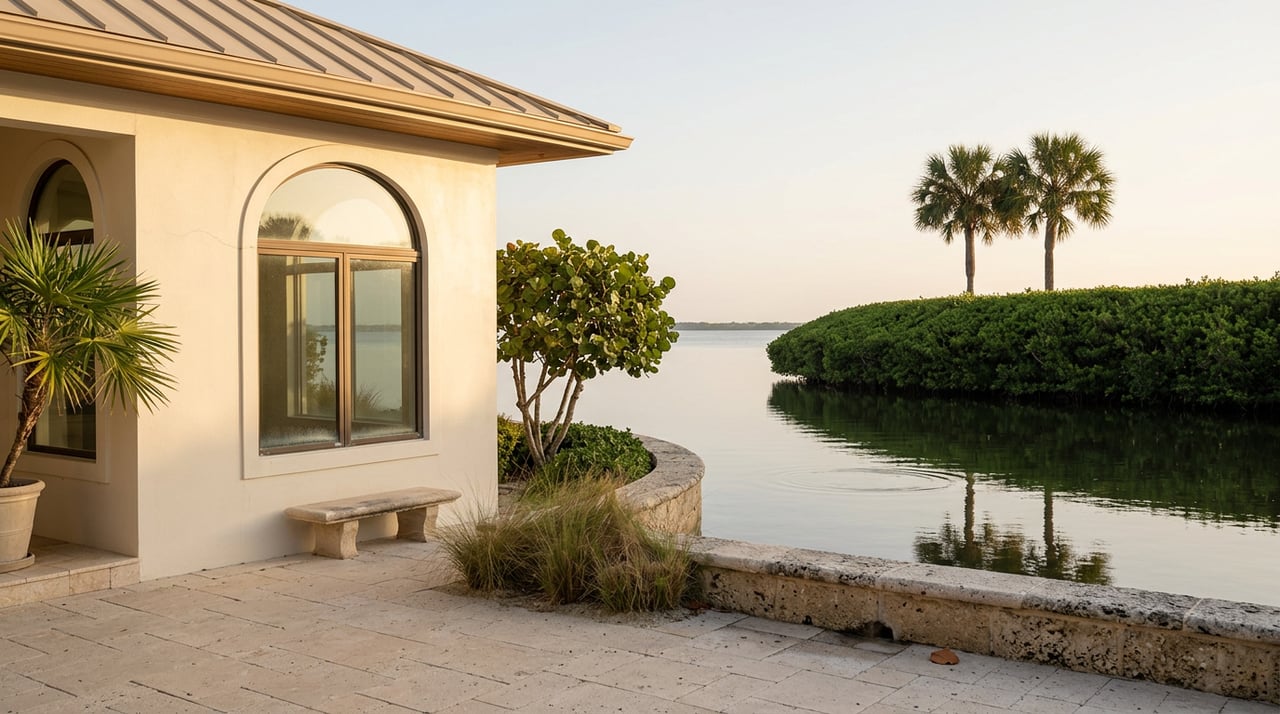
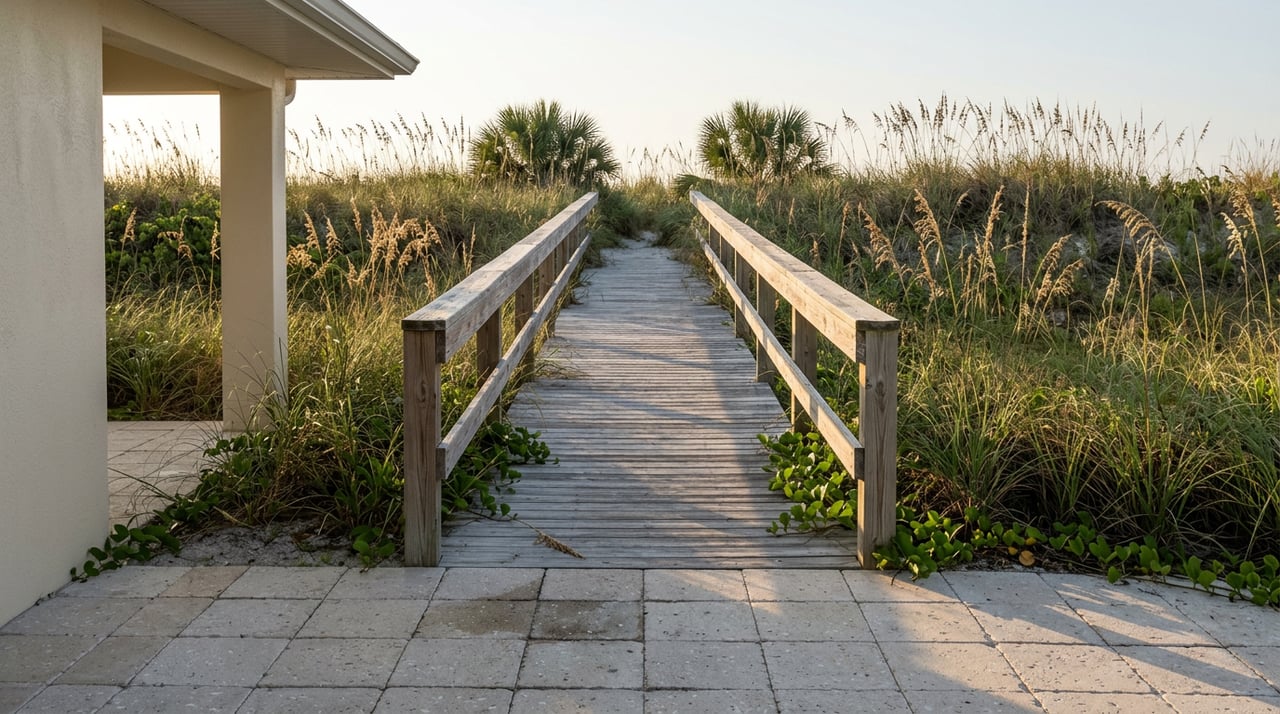
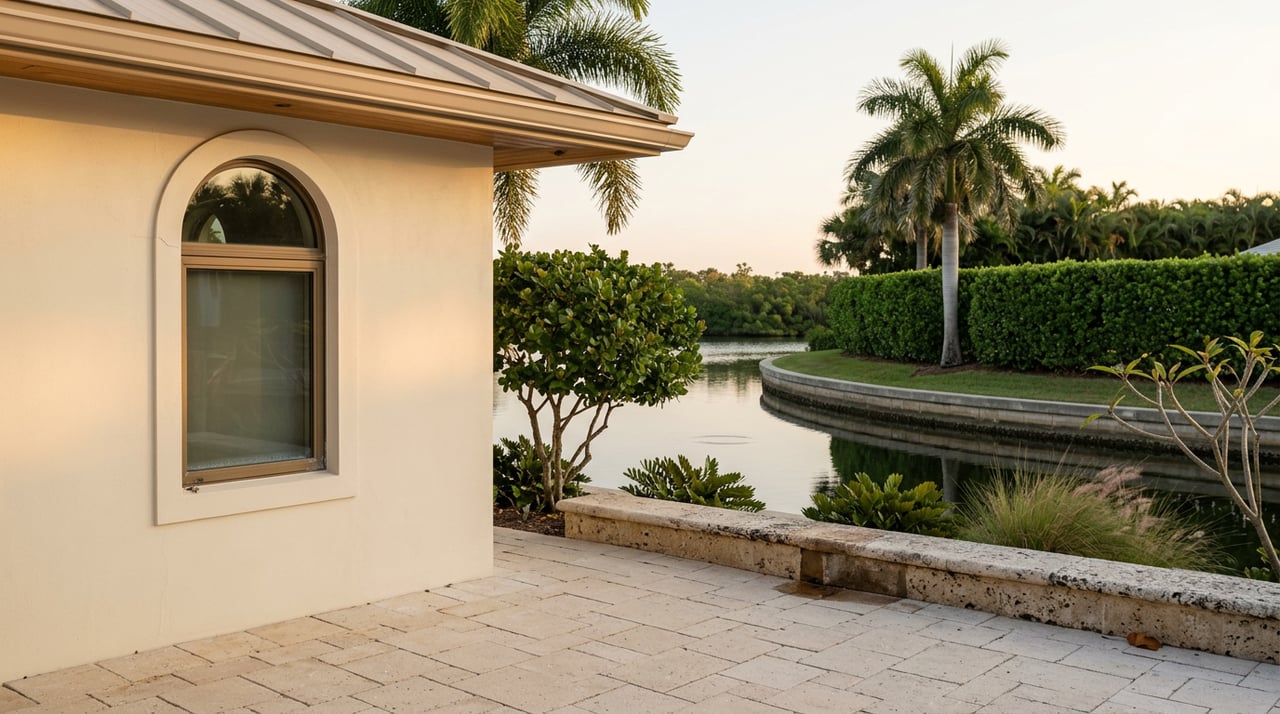
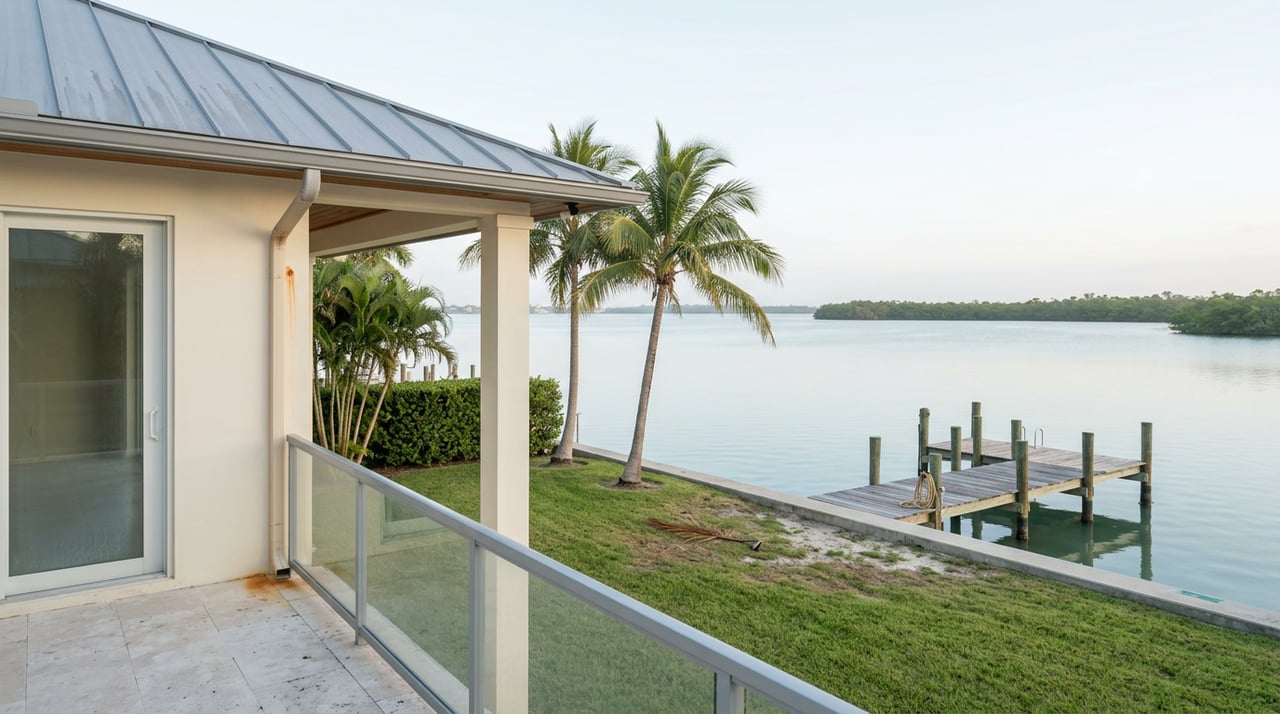
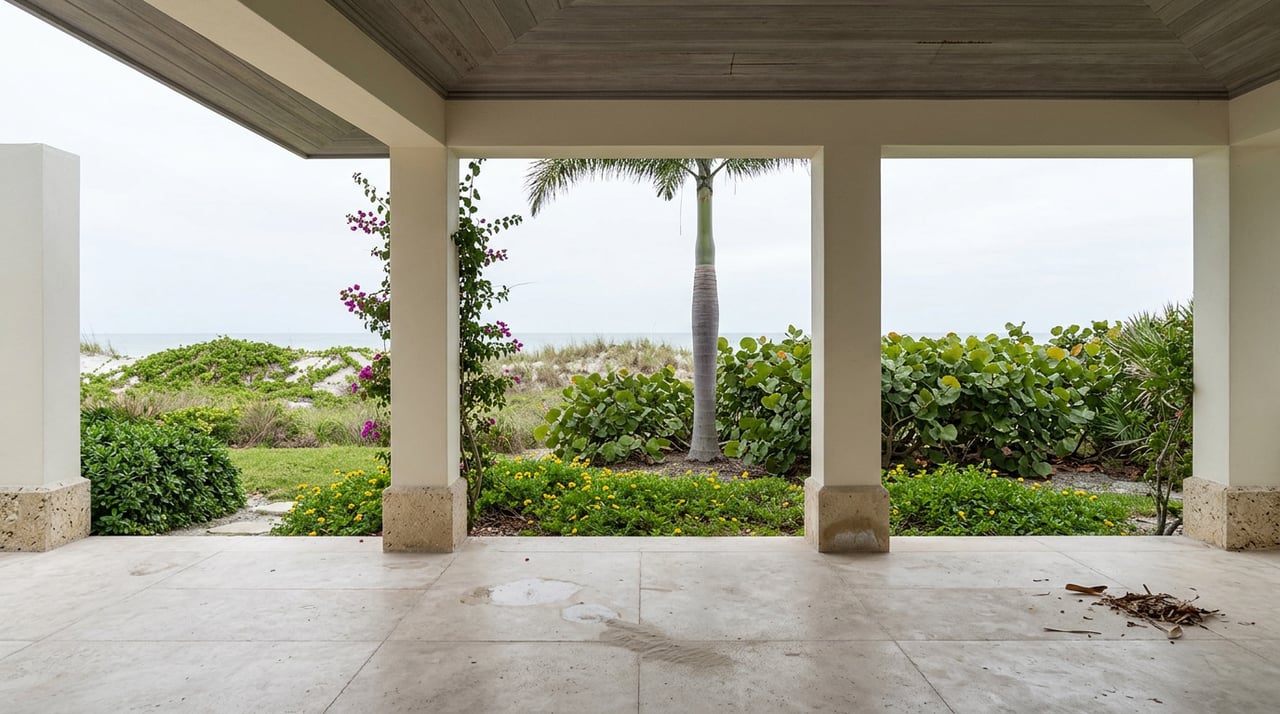
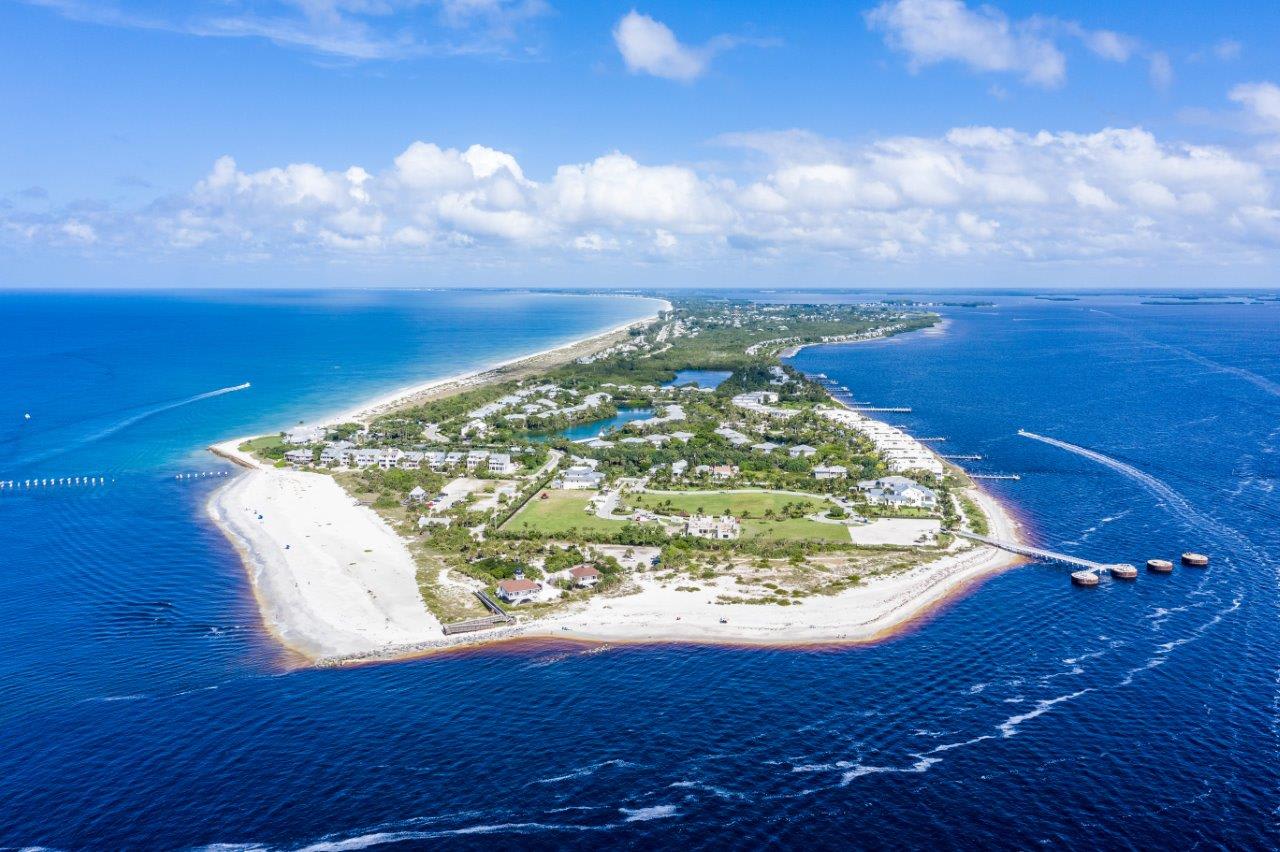
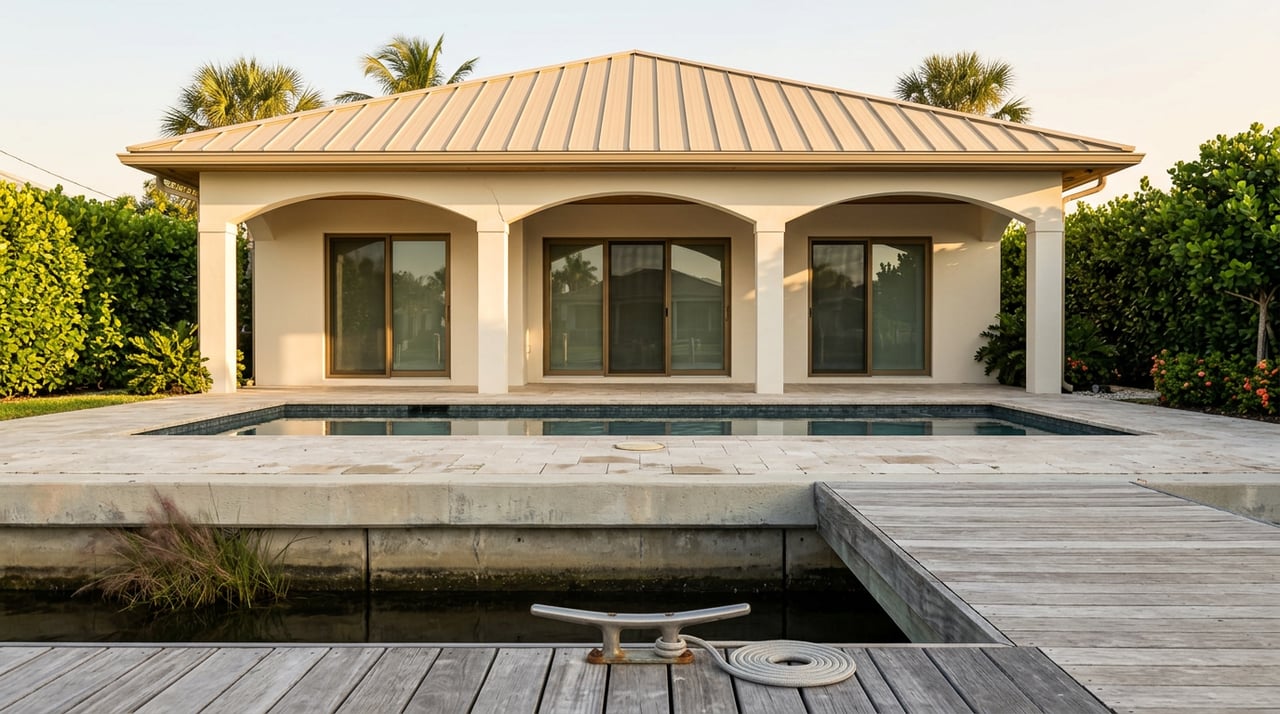
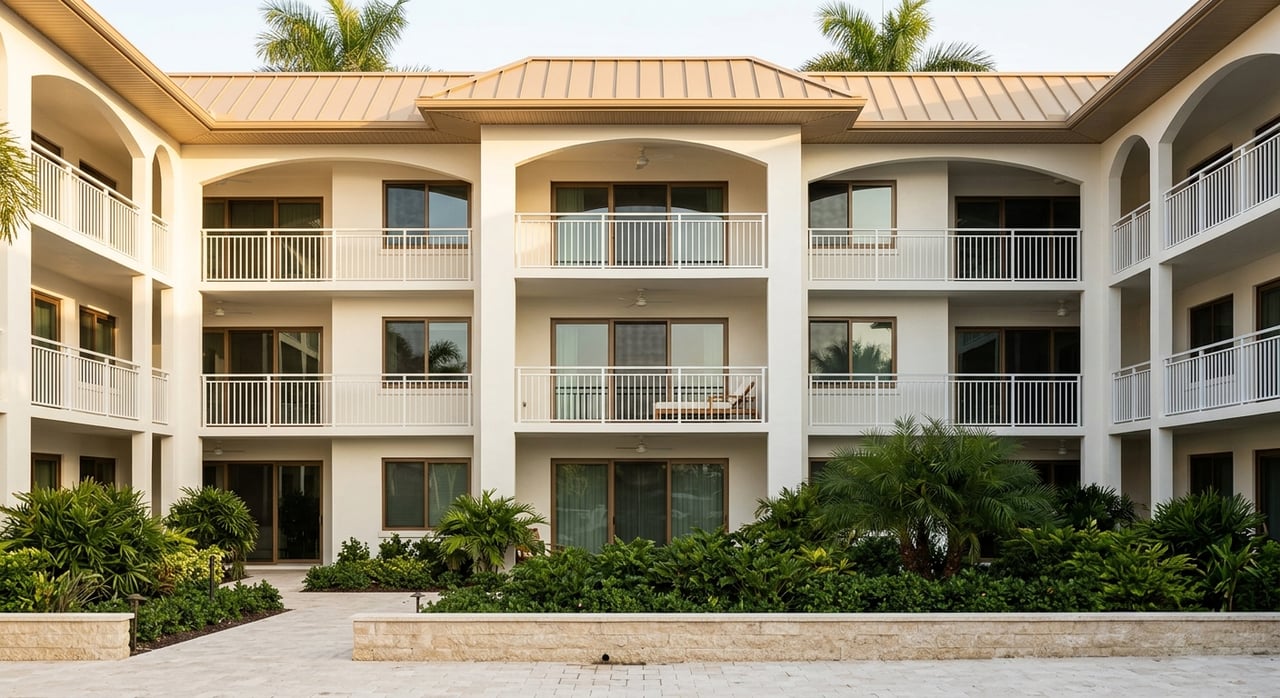
Boca Grande Club sits on the island's north end, apart from the shops and restaurants where the ordinance's zones and enforcement are concentrated near the village core. It's a private, gated community with its own beachfront, its own pools, and its own golf and tennis facilities. Residents and their guests move around by bike and golf cart on internal paths, and the club's own office rents both.
| Village-adjacent home | Boca Grande Club | |
|---|---|---|
| Guest access | Requires a D permit arranged in advance, or a three-hour limit applies | Uses the community's own internal paths and amenities |
| Staff and service providers | Require a C decal if commuting from off-island | Managed through club access |
| Daily movement | Depends on public street parking near shops and restaurants | Handled by private beach, pools, and internal cart paths |
| Exposure to enforcement | Direct, since the ordinance's zones are concentrated near the village | Minimal, given distance from enforcement areas |
Neither column is better or worse as a way to live. But if you're comparing two properties on paper, and one is near the village while the other sits inside a private community, that can make for a real difference in what ownership actually involves day to day, and it's worth considering that difference in your own decision the way the market seems to already be pricing it into demand.
The Fight Isn't Over, Which Matters for Anyone Buying Long Term
The ordinance is also not settled policy. In January 2026, Lee and Charlotte county commissioners met in Punta Gorda to argue about it directly. Charlotte County Commissioner Joe Tiseo proposed pausing enforcement seasonally, asking whether the rules were even necessary once the off-season traffic dropped away. Lee County Commissioner Kevin Ruane pushed back, arguing the underlying pressure wasn't parking behavior at all but growth on the mainland side of the bridge. According to WINK News, Ruane said, "The real red herring is the fact that they've built 32,000 residents within three miles of Boca Grande," adding that parking demand had increased because of it.
That disagreement hasn't produced a resolution, and it's worth knowing the ordinance is a live negotiation rather than a fixed rule if you're weighing a purchase with a ten or twenty year horizon. A property that depends on the current shape of that policy carries a different kind of long-term uncertainty than one that was built to be self-sufficient regardless of how the county's parking map gets redrawn next.
Frequently Asked Questions
How do guests get around inside Boca Grande Club? Residents and their guests move around by bike and golf cart on internal paths, and the club's own office rents both.
What happens if a guest arrives without a D permit? In a non-residential zone, an unpermitted vehicle is limited to three hours of parking between 9 a.m. and 5 p.m. Applications for D permits, along with A and C, are available through Lee County's parking portal, and pickup is handled through the county rather than at the address itself.
Has the ordinance actually moved property values yet? The season's tax data shows business-level impact, not a property value shift we can point to directly. What it does show is a real difference in day-to-day friction between property types, and that kind of friction is exactly the sort of thing that tends to show up in demand patterns over time rather than in a single season's closing prices.
If you're weighing a property on the north end against one closer to the village, the parking ordinance is a genuinely useful lens for that comparison, not a footnote. The Moore Team has spent decades watching how policy changes on this island actually land on different kinds of properties, and we'd welcome the chance to walk through what a specific address means for your own plans. Book a Private Consultation whenever you're ready to talk specifics.
This article is general information, not legal, tax or financial advice. Consult a qualified professional about your situation.