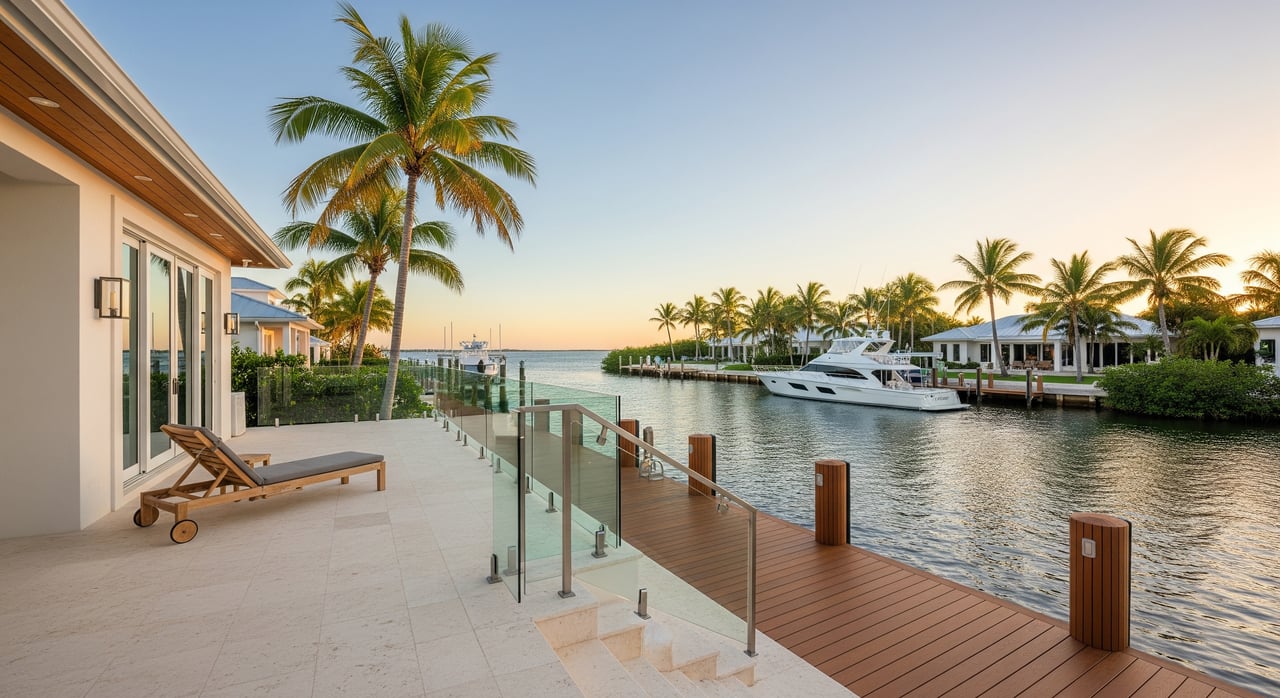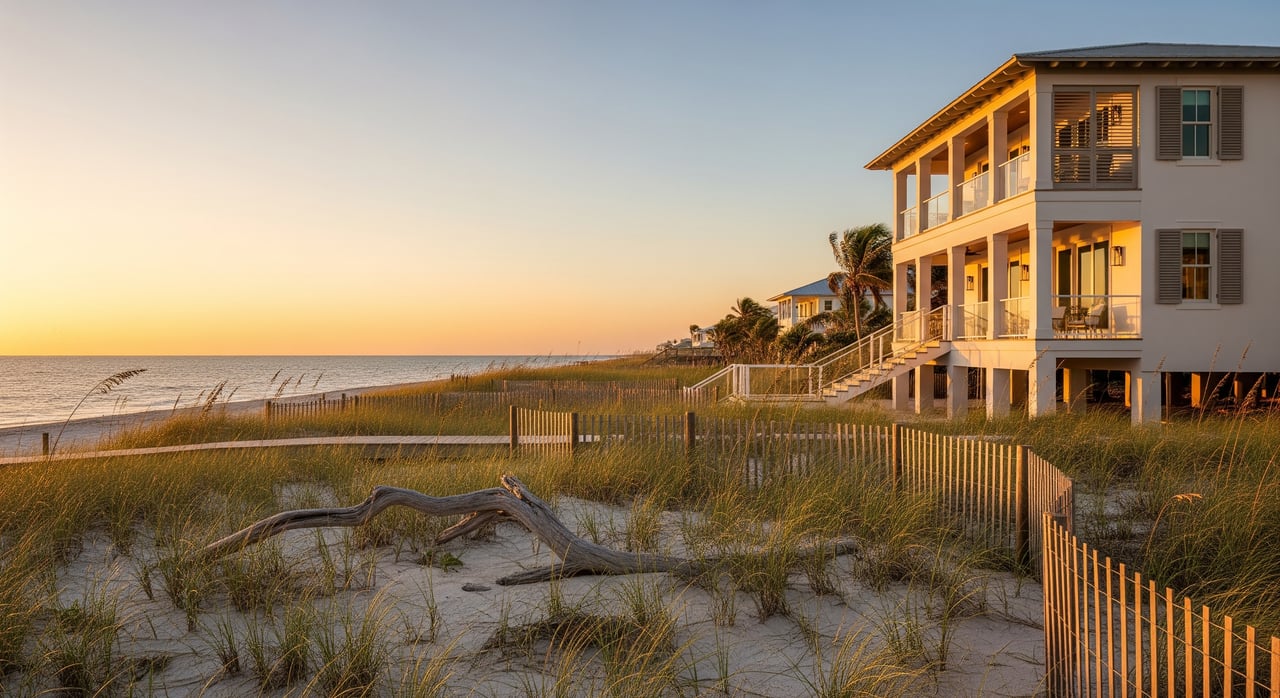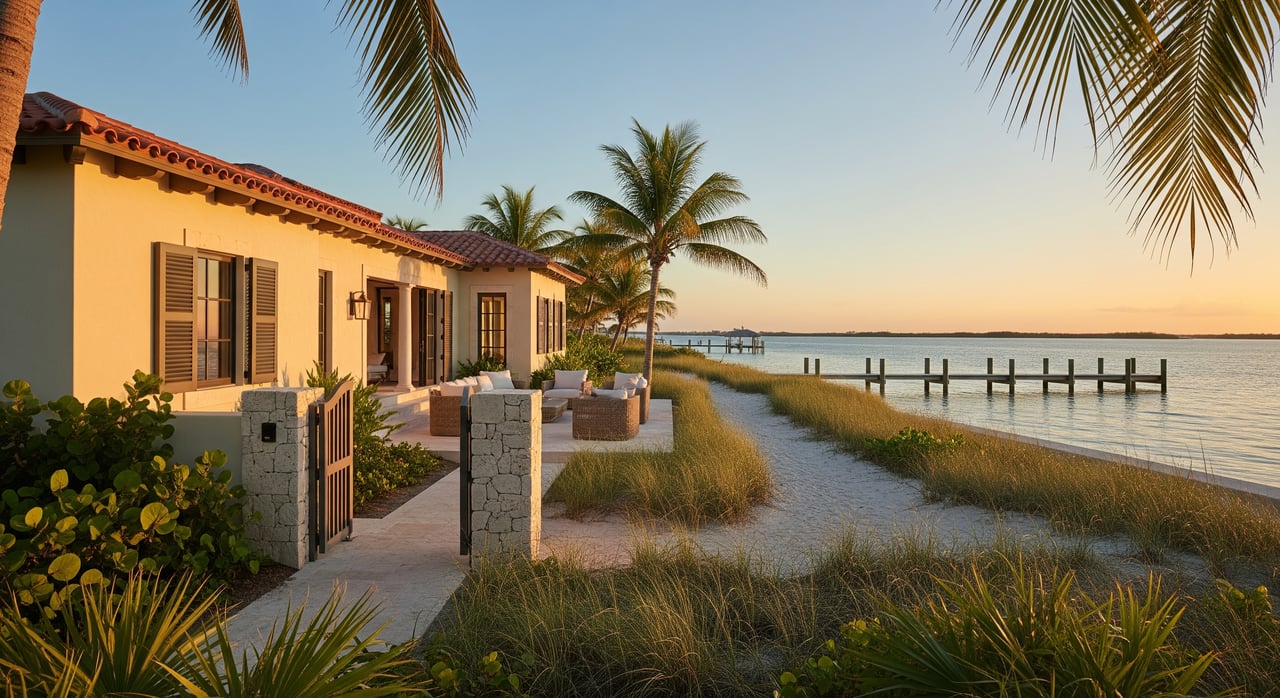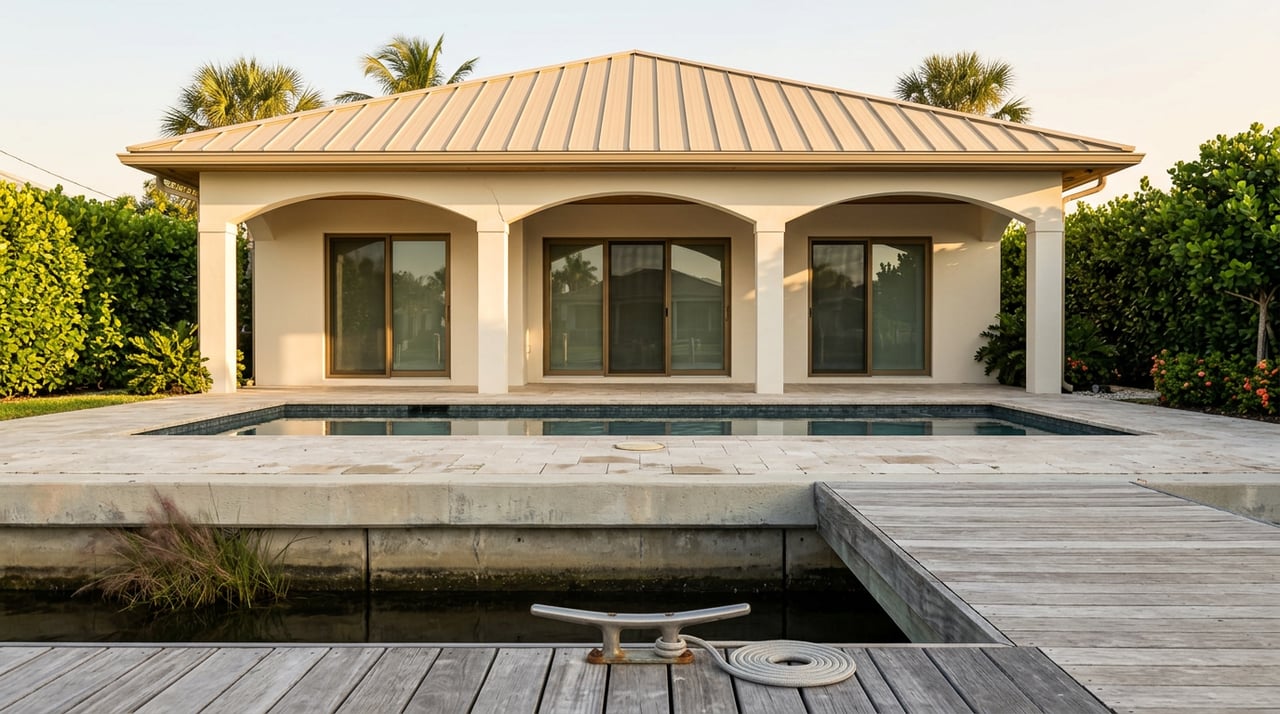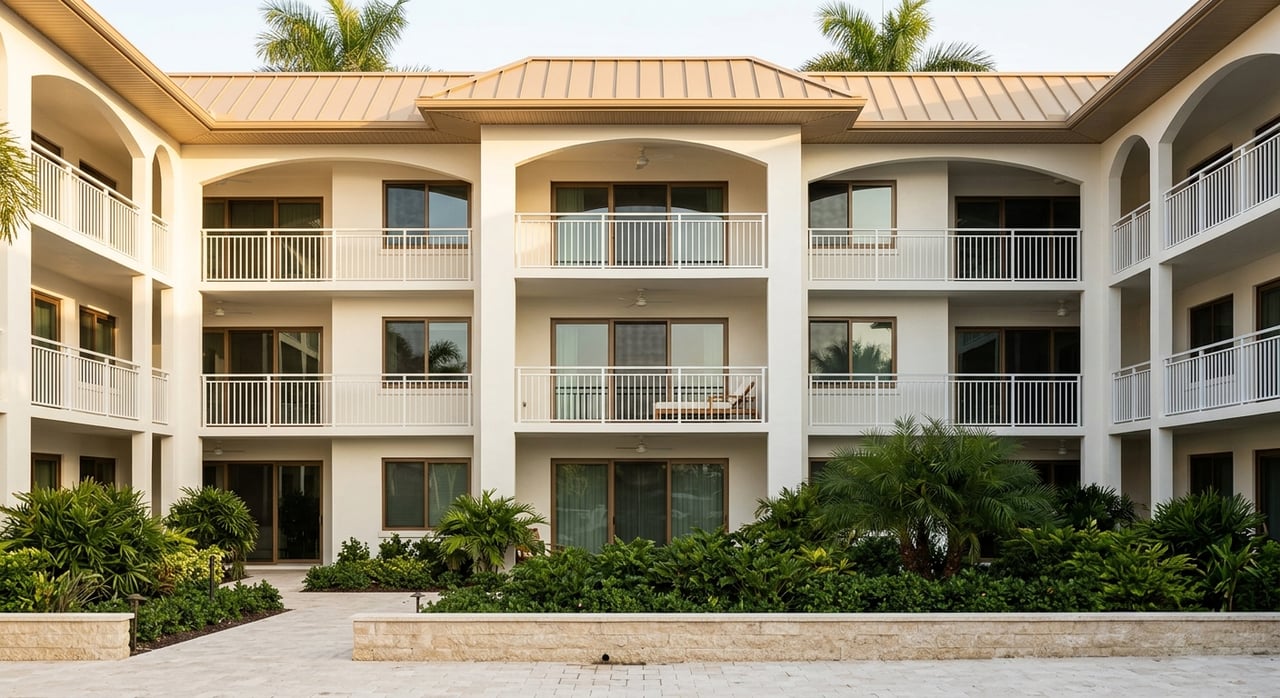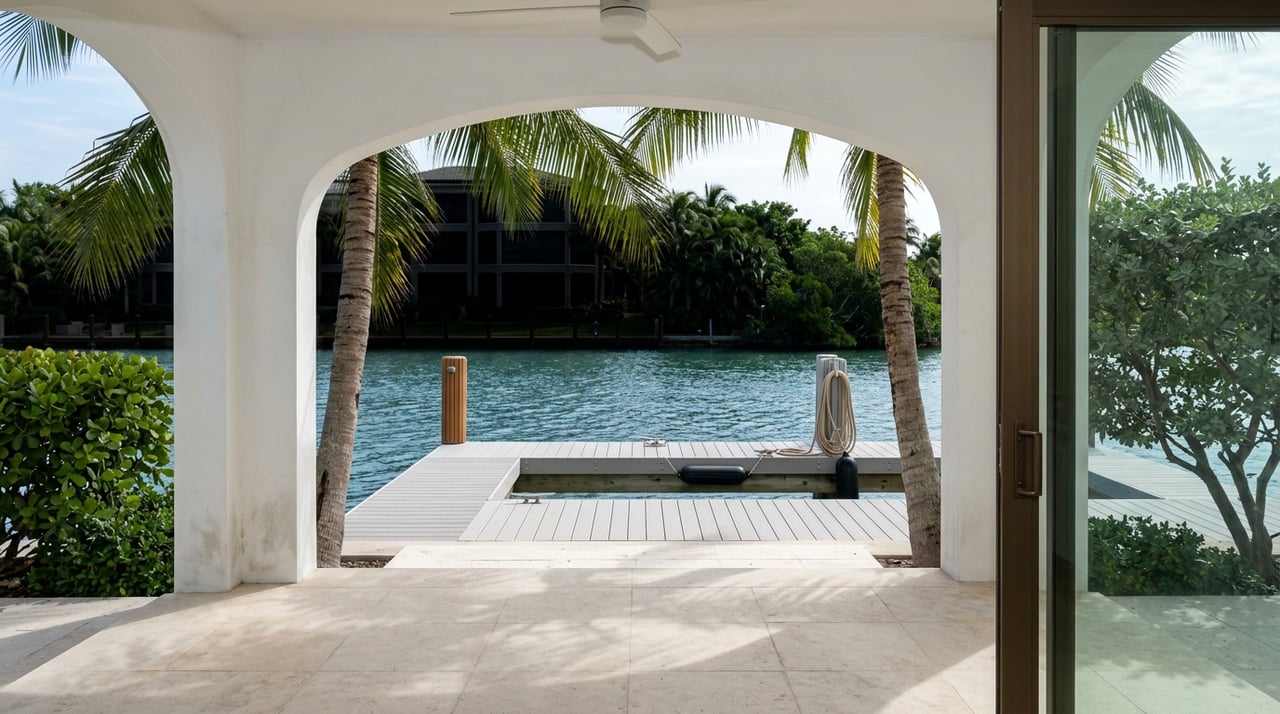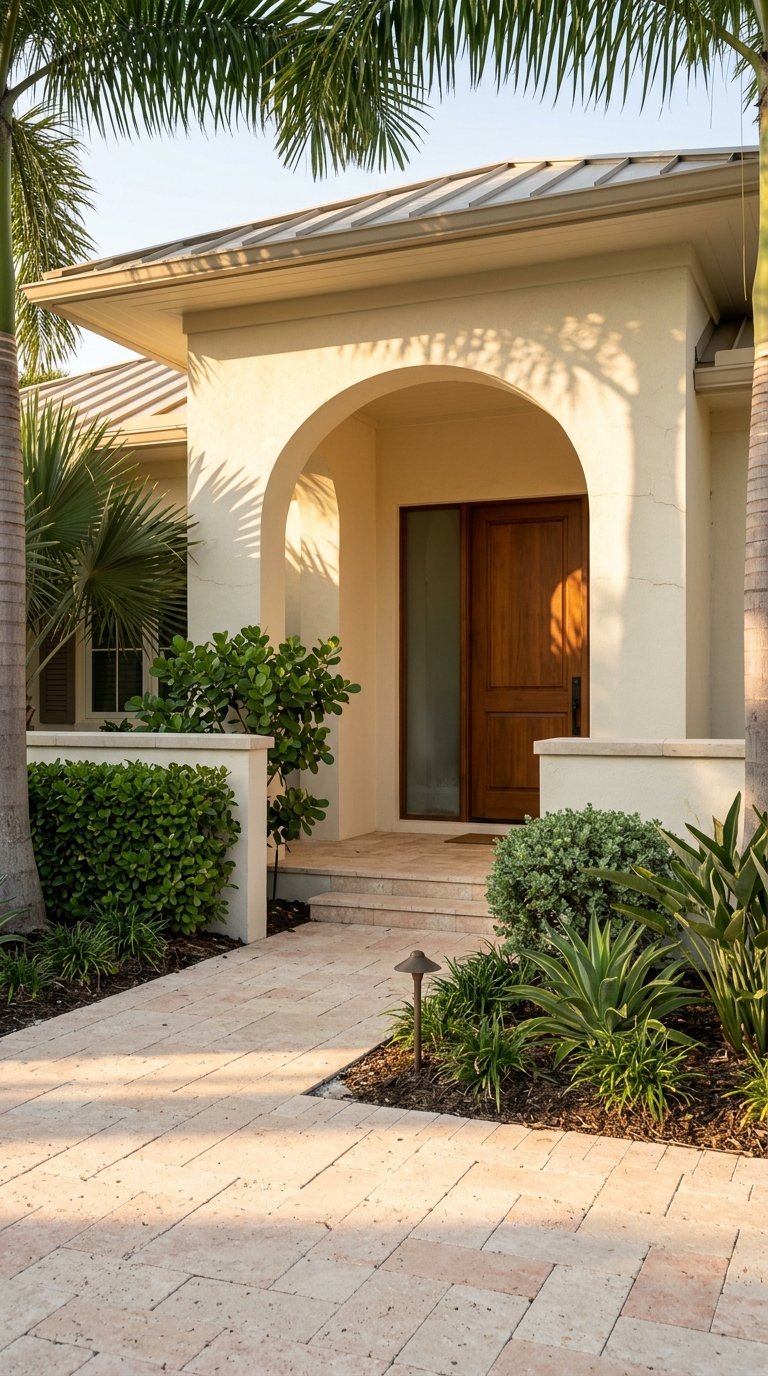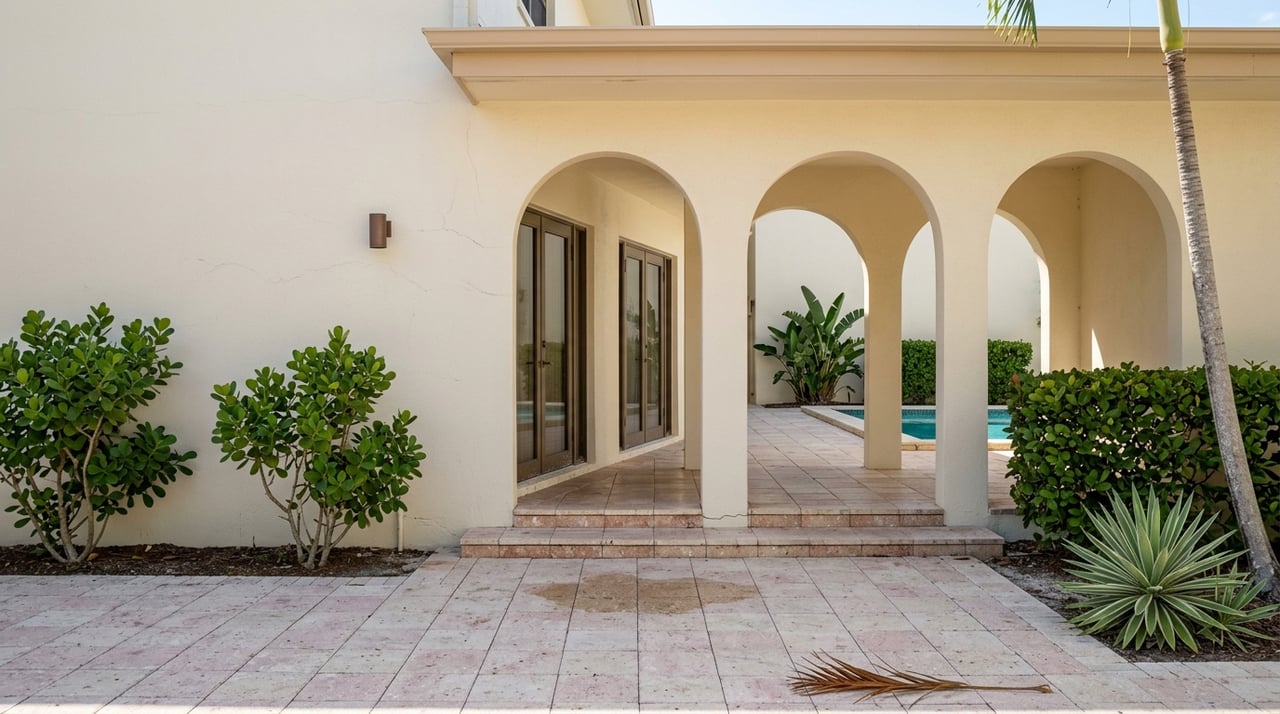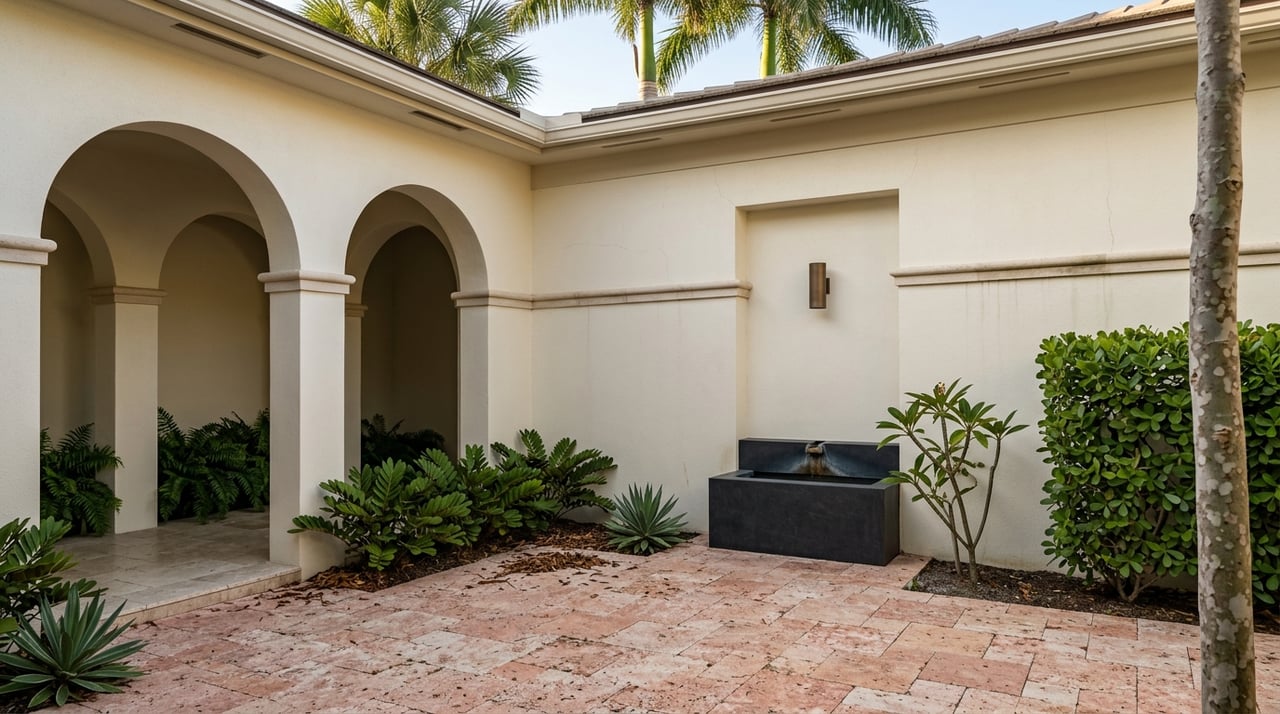
If you price a Boca Grande Isles waterfront home purely by bedroom count or recent averages, you risk leaving six or seven figures on the table. You know buyers here are paying for water utility, privacy, and resilience, not just square footage. In this guide, you’ll learn the exact features that move price, how to time your launch, and which documents help you defend top value with buyers and appraisers. Let’s dive in.
Boca Grande Isles at a glance
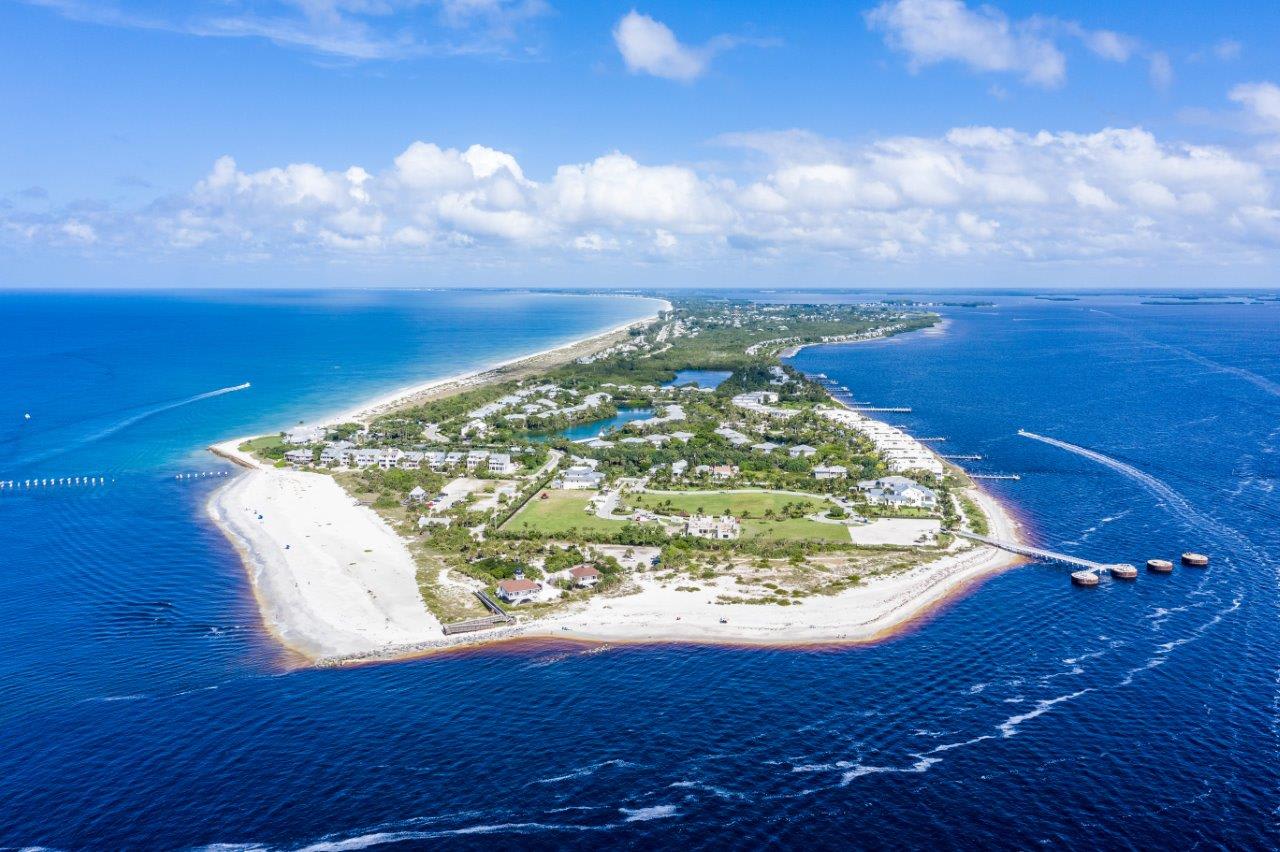
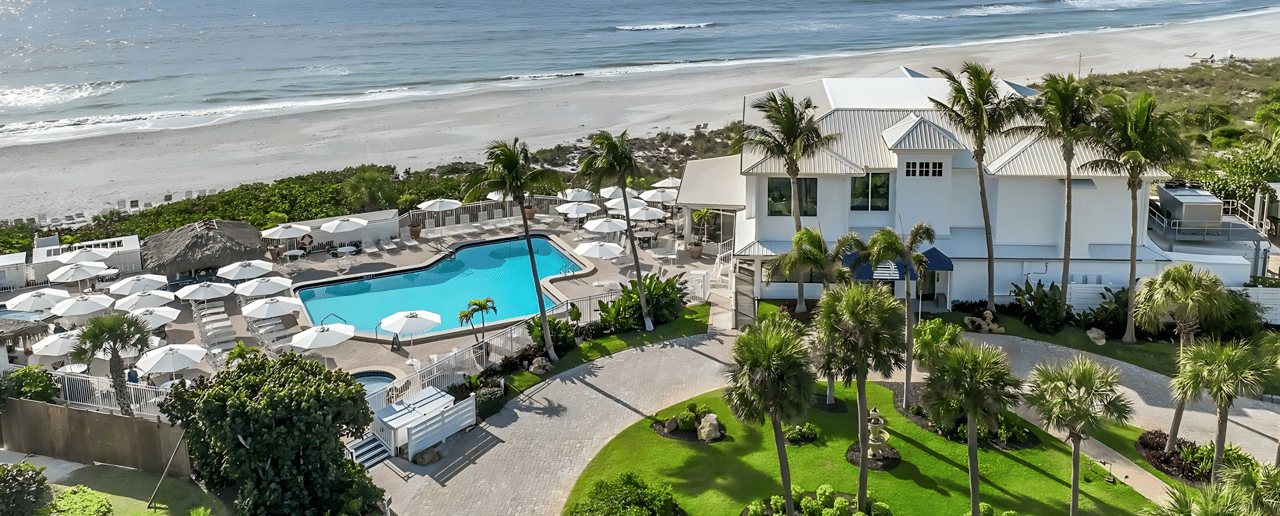
Boca Grande Isles is a controlled-access, single-family waterfront neighborhood on Gasparilla Island. The community is recorded in Lee County’s plat records, a useful reference when you gather documents before listing. You can review the official citation in the county file that references Boca Grande Isles in Plat Book 29, pages 4 to 6 through the Lee County plat reference for Boca Grande Isles.
Local marketing materials often cite approximately 123 single-family waterfront lots in Boca Grande Isles. You may see lower numbers elsewhere because some counts reflect platted lots versus developed parcels. If you want a definitive count tied to your property, verify it against the recorded plat and the tax roll.
Recent closed sales in Boca Grande Isles show a wide band for waterfront homes, from the mid 3 millions to above 9 million. That spread is driven by lot position, usable dockage and depth, view quality, and whether the home is new or effectively a lot-value play. Understanding those levers is the key to confident pricing.
What really drives price lot by lot
Water access and route
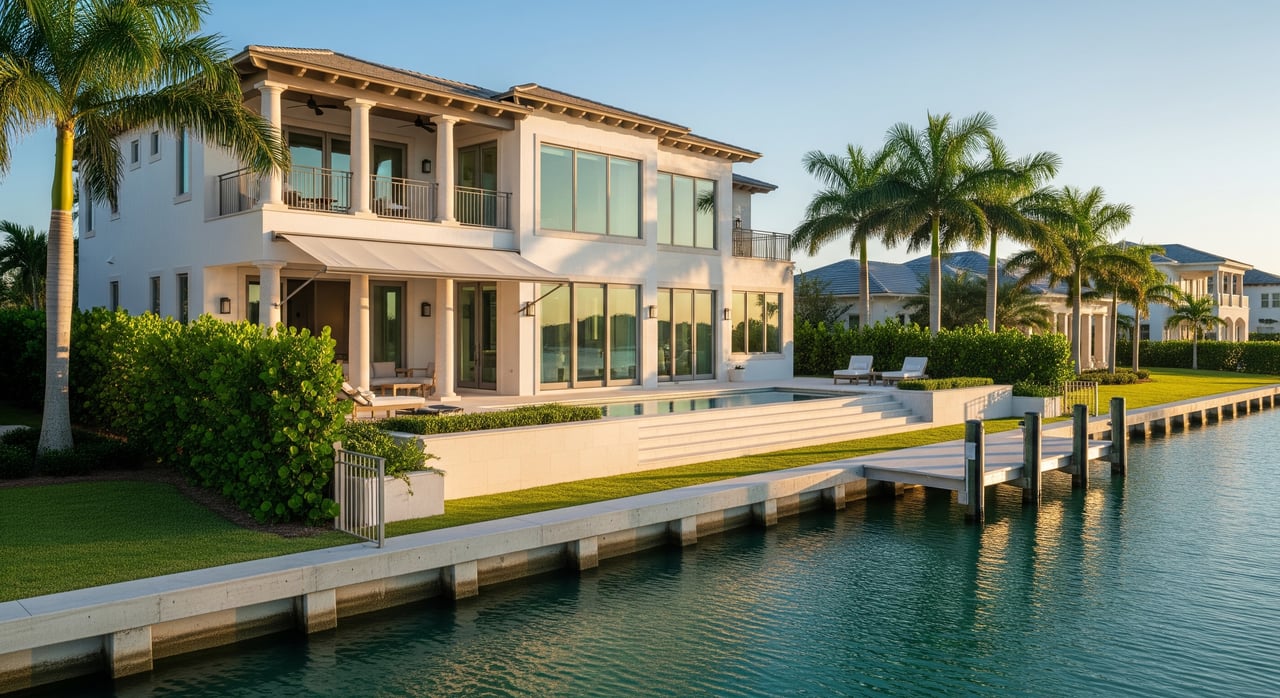
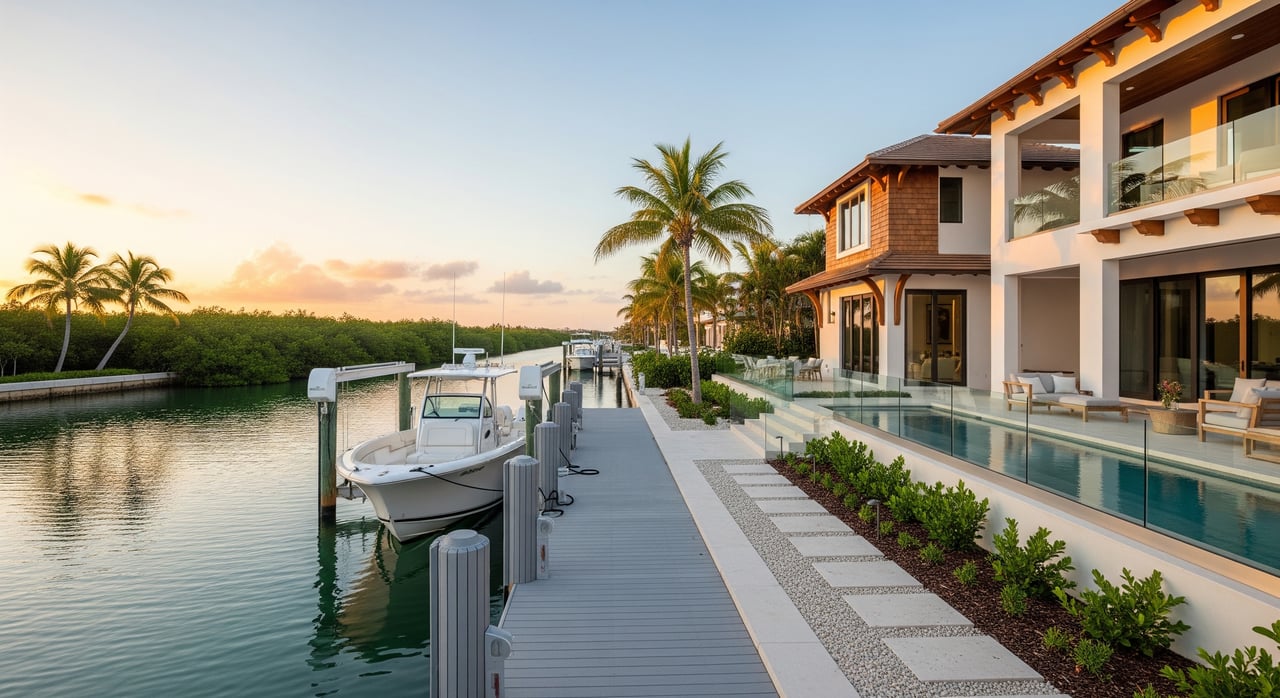
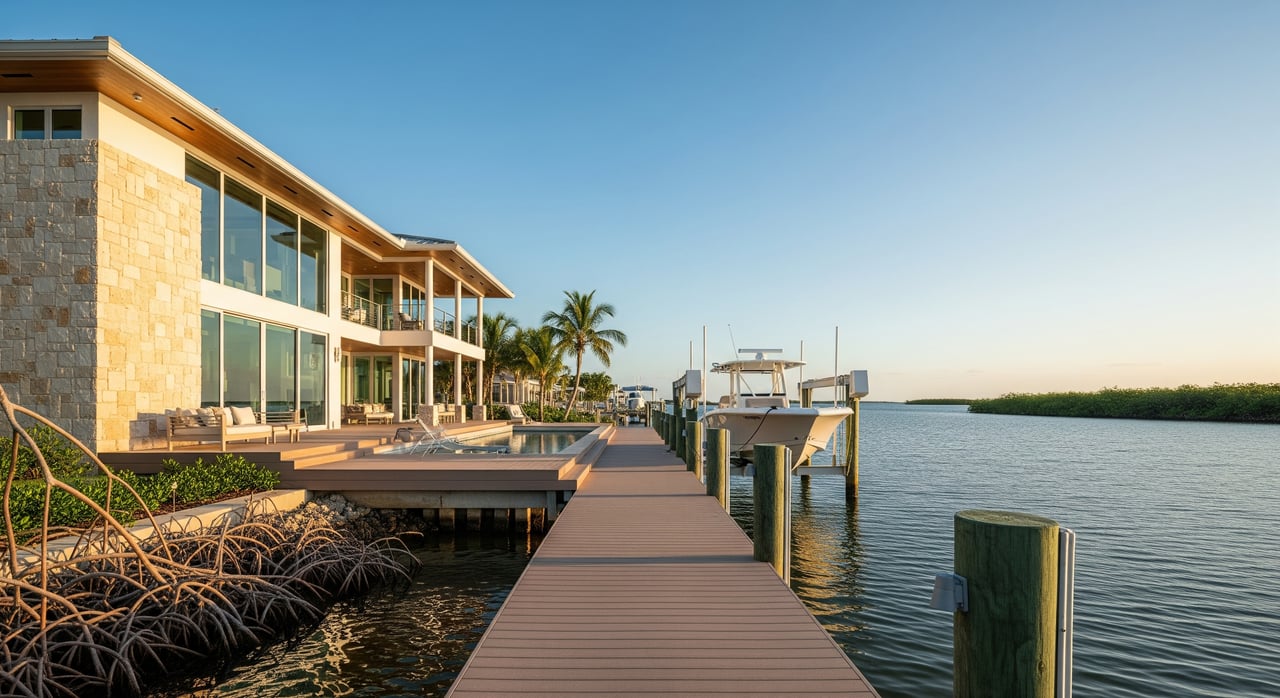
Direct, deep-water access with no fixed bridges to Charlotte Harbor and the Gulf typically commands a premium. Larger vessels and serious anglers value an unobstructed route and dependable depths. If your site offers that, document it clearly and highlight it upfront.
Depth at the dock and channel
Measured depth at mean low water is one of the most objective waterfront pricing variables. Order a marine or dock survey that records MLW at your lift and along the approach. Share that survey with buyers and appraisers so they can size vessels with confidence. If you want to see the kinds of details these surveys capture, review similar marine survey scope examples.
Linear waterfront and usable shoreline
More linear feet of waterline often enables longer docks, multiple slips, and larger lifts. Appraisers and seasoned buyers treat measured frontage as a key comparison point. Include a site plan or survey that shows the measurement and the dock envelope where permitted.
Dock configuration and lift capacity
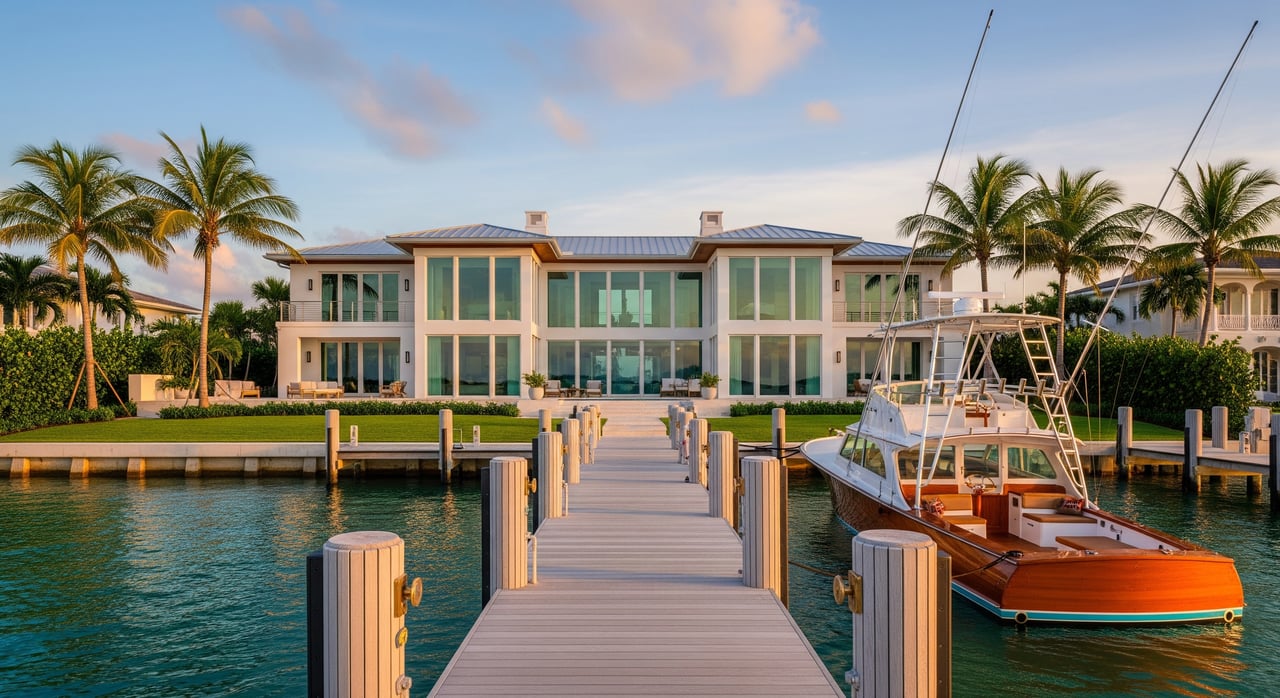
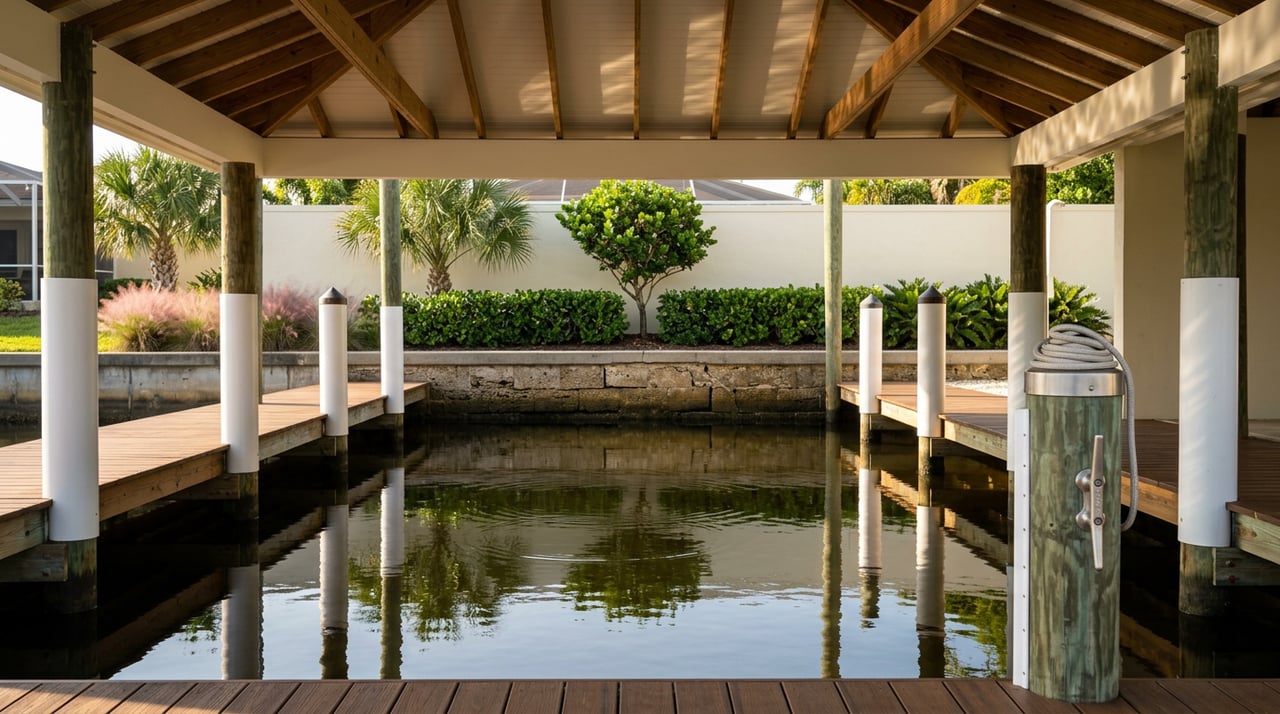
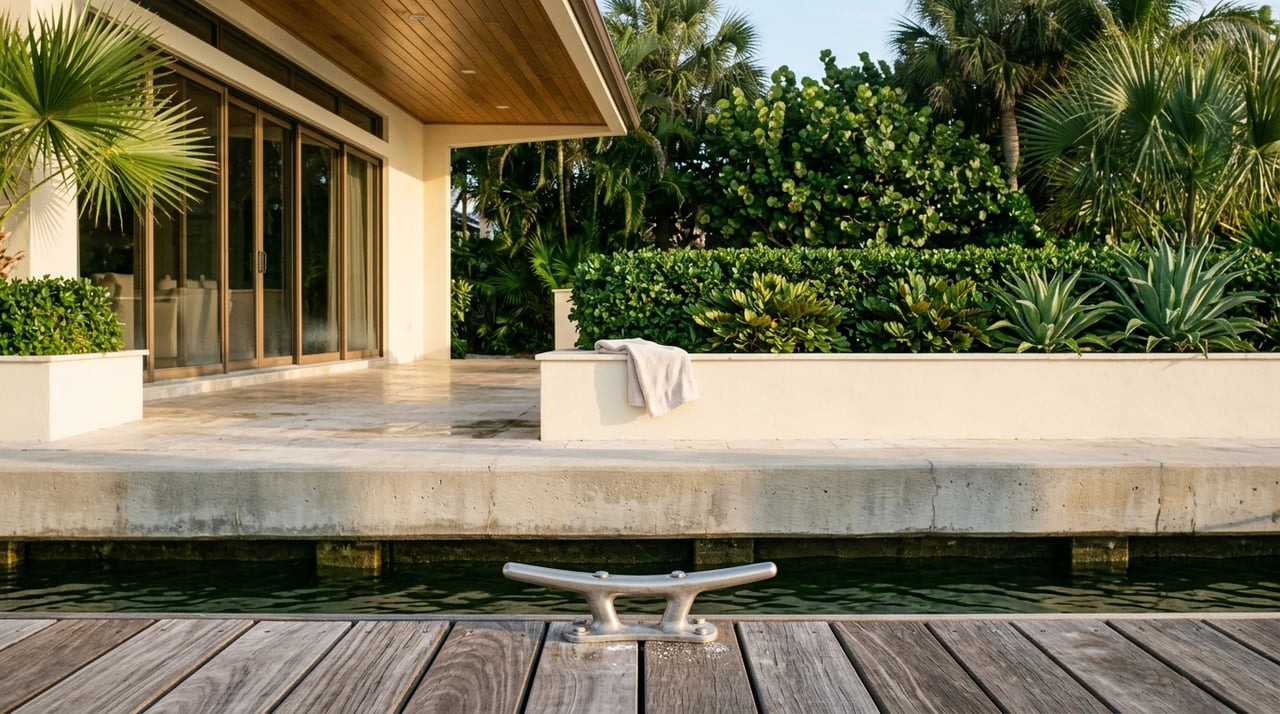
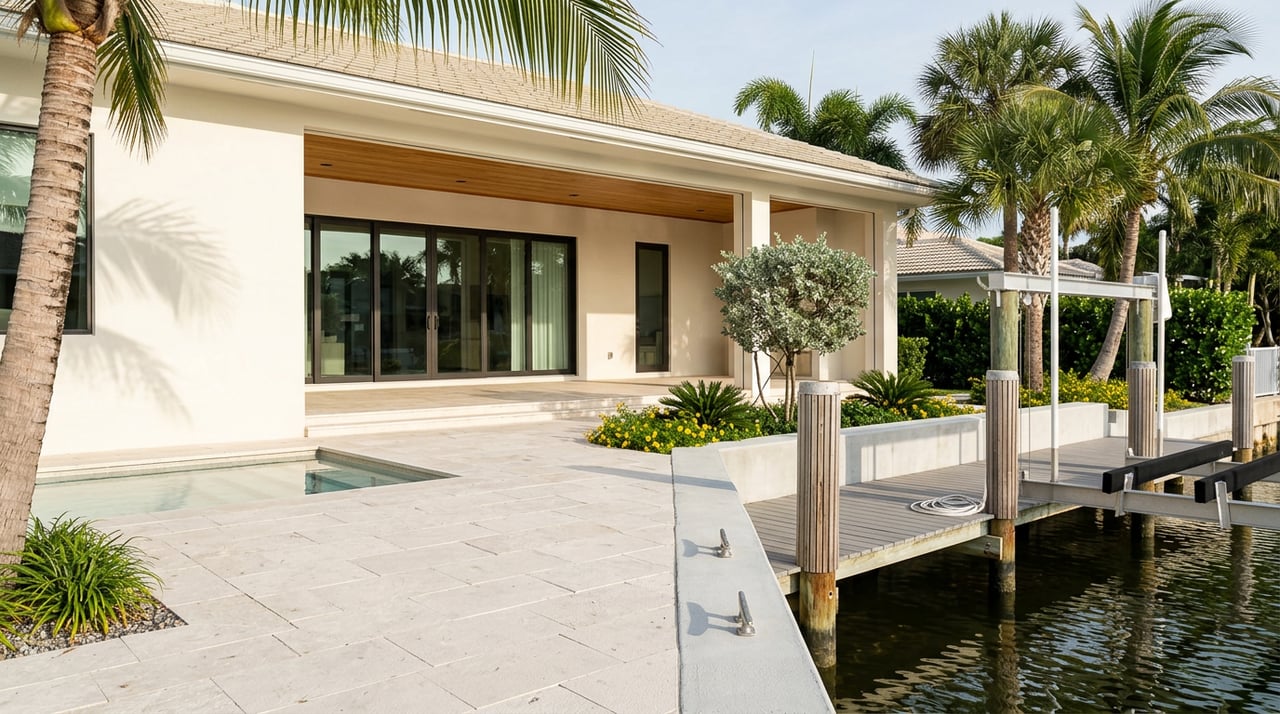
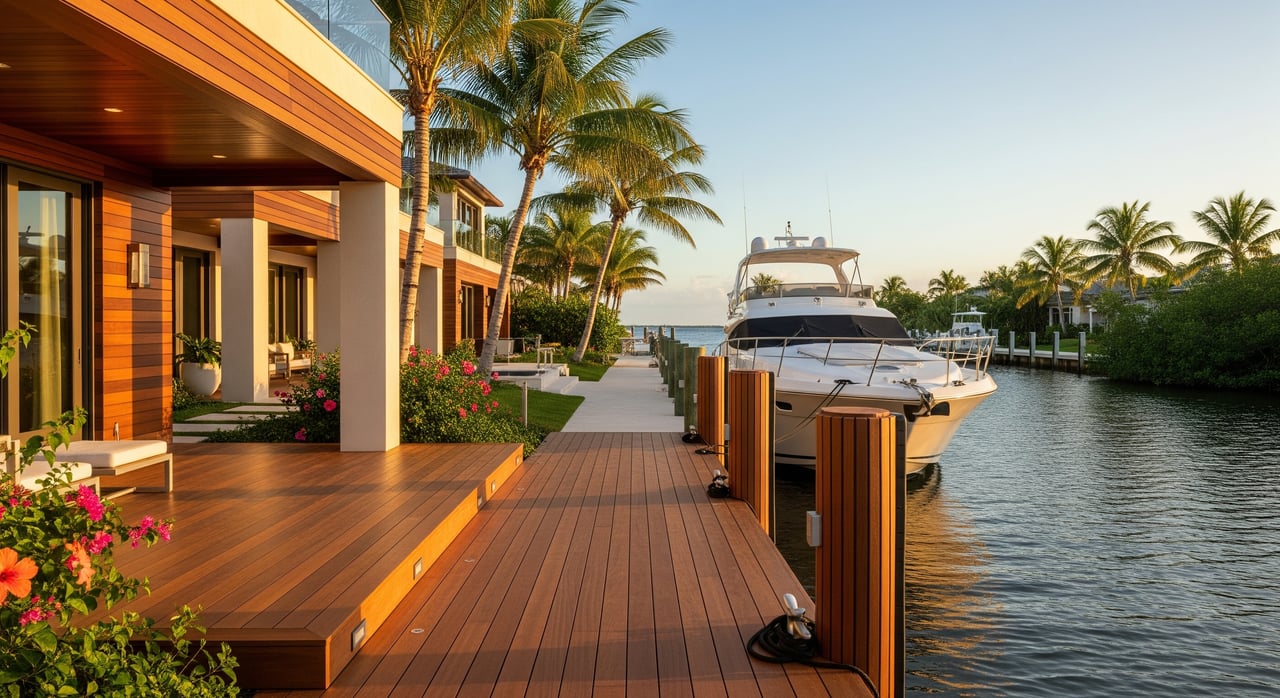
Permitted, engineered docks with documented lift capacity add measurable value. Include permit numbers, lift specifications, recent motor or cable service records, and photos. Unpermitted or aging structures tend to trigger buyer credits, so proactive documentation helps you control the conversation.
Seawall age and condition
A sound seawall preserves value. A failing one can become a six-figure negotiation item depending on length, access, and replacement design. Commission an inspection by a qualified marine contractor and obtain written bids for any recommended work. Presenting those bids can support a transparent price or a clean seller credit.
View corridor and exposure
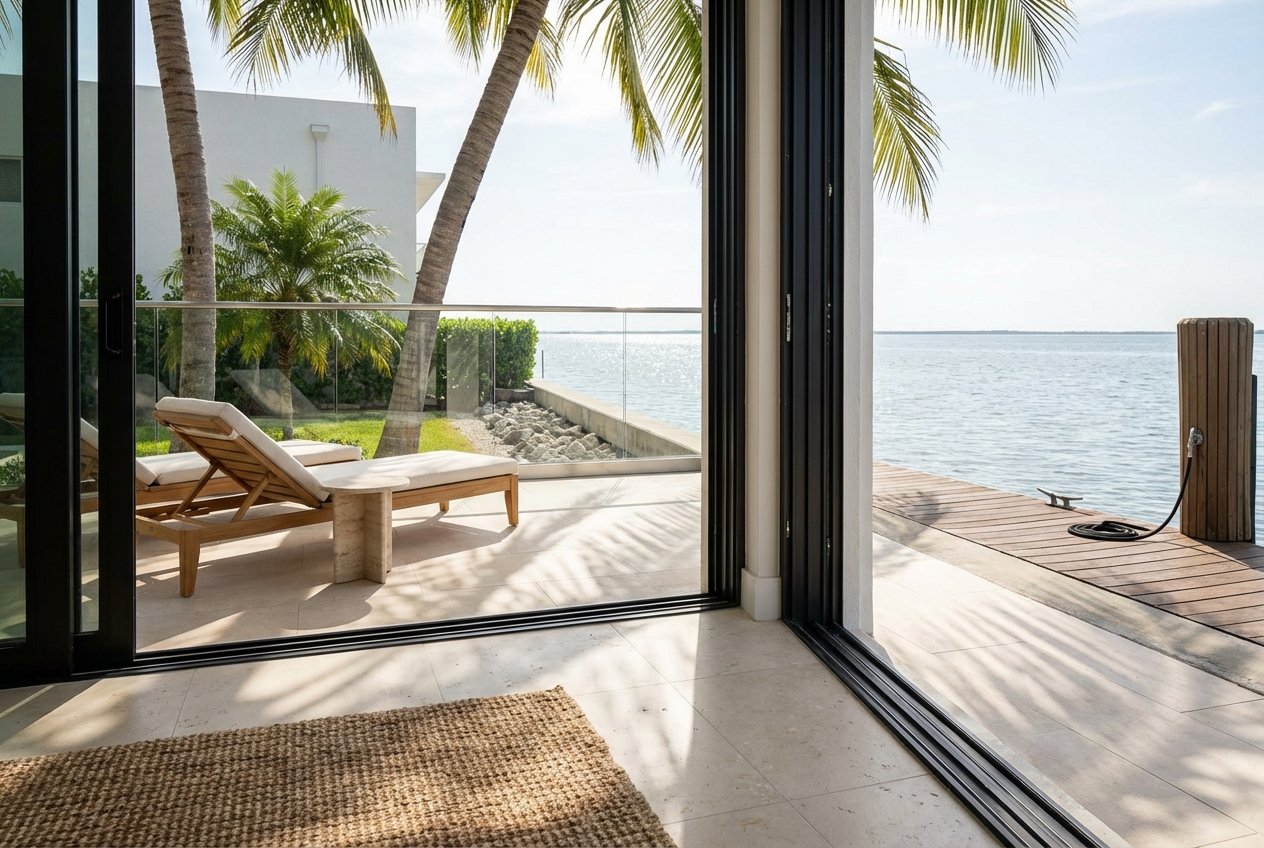
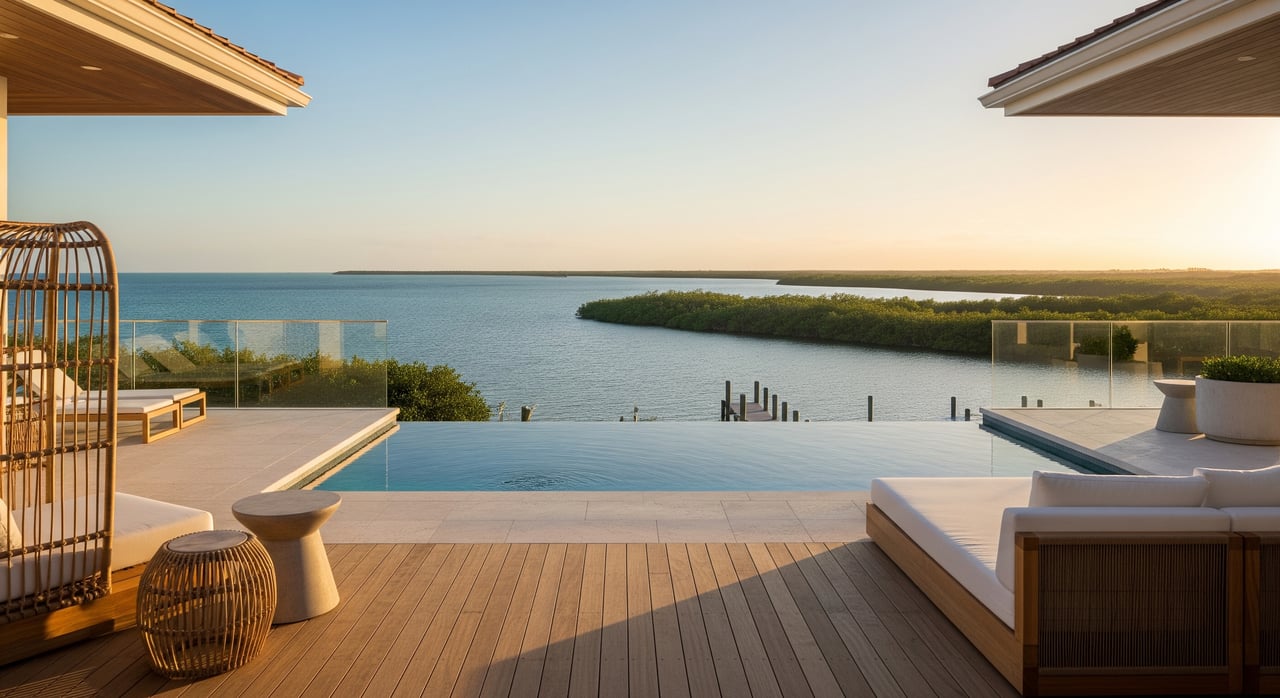
Open basin views, tip or corner positions, and sunset or sunrise exposures generally trade at a premium compared with inward-facing canal lots. Use aerials and on-the-water photography to document the view corridor and any protected vegetation that ensures sightlines remain consistent.
Lot position and uniqueness
Tip lots, wider cul-de-sac waterfronts, and parcels that sit near protected islands often appear at the top of the neighborhood’s price band. If your site offers unusual width or privacy, quantify it. Note linear feet, distance to the maintained channel, and the relative proximity to Boca Grande Pass.
Easements, dock lots, and submerged plats
Some island parcels have recorded dock lots, submerged platted pieces, or riparian rights nuances. Before you list, pull the recorded plat and have your title provider confirm how those items affect your private dock rights. The Lee County plat reference is a helpful anchor for your permit and title packet.
Elevation and FEMA flood designation
Finished floor elevation relative to Base Flood Elevation affects insurance costs and buyer confidence. If you have an Elevation Certificate, include it. If not, order one pre-listing through a licensed surveyor. FEMA outlines the process and who can help on its page about elevation certificates and mapping.
Home features that hold premium dollars
Resilience and underwriting
Impact-rated windows and doors, newer roofs, elevated or relocated mechanicals, hurricane straps, and whole-house generators are all positives for buyers and insurers. Appraisers look for documented mitigation. If available, include wind-mitigation reports and your Elevation Certificate. You can read more about how appraisers frame these factors in the Appraisal Institute’s valuation resources.
Renovation vs. lot value
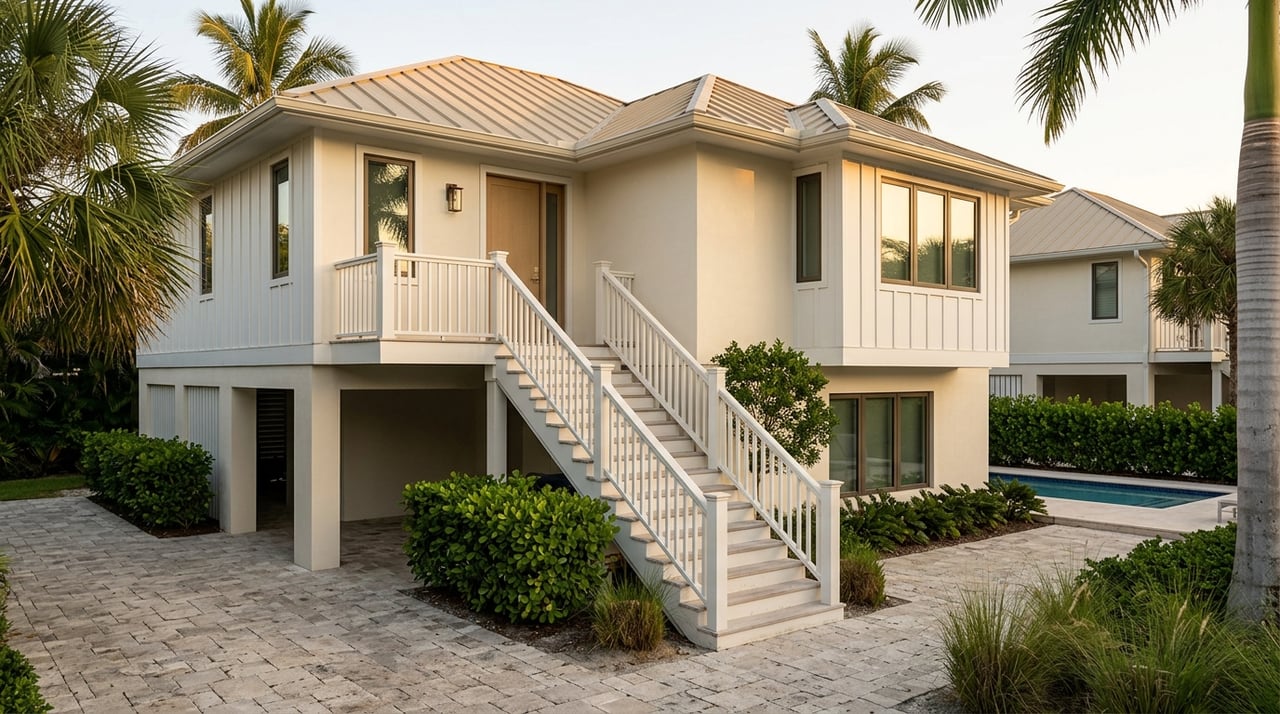
Buyers often separate renovated, resilient homes from older structures that sit at or near lot value. If your property is dated or below modern elevation norms, price within a “lot-value” comp lane and let the quality of the site and water utility carry the number.
Systems, warranties, and outdoor living
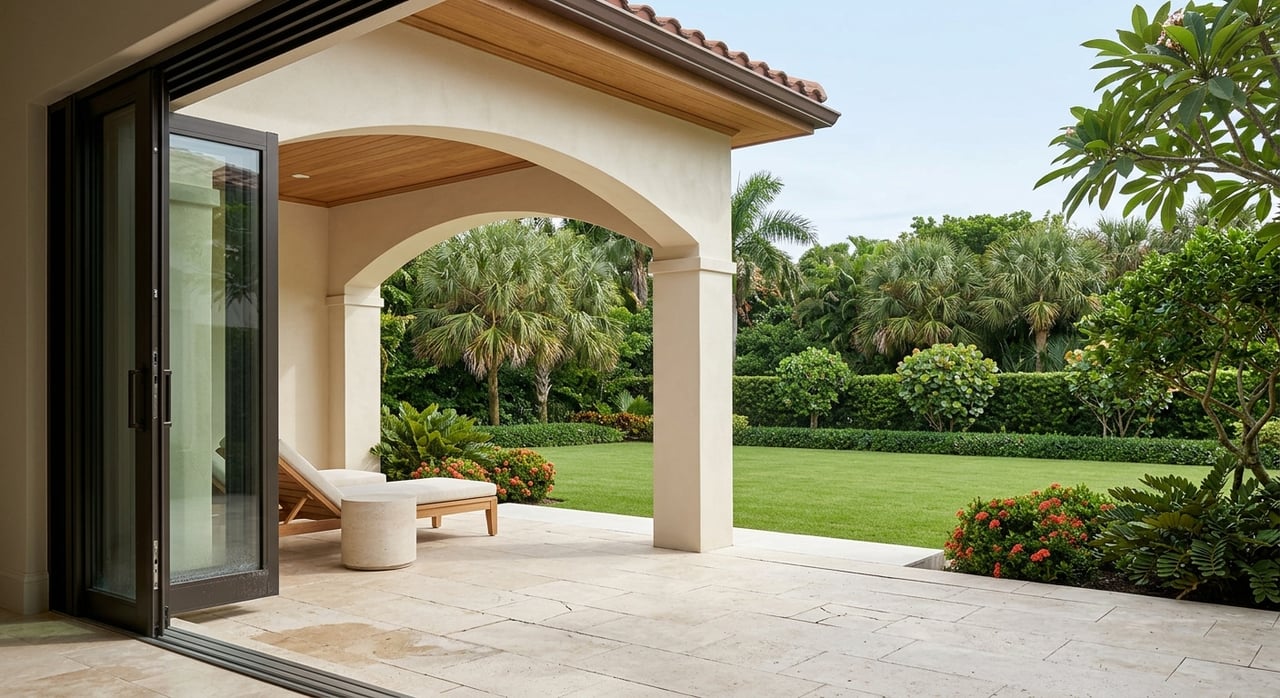
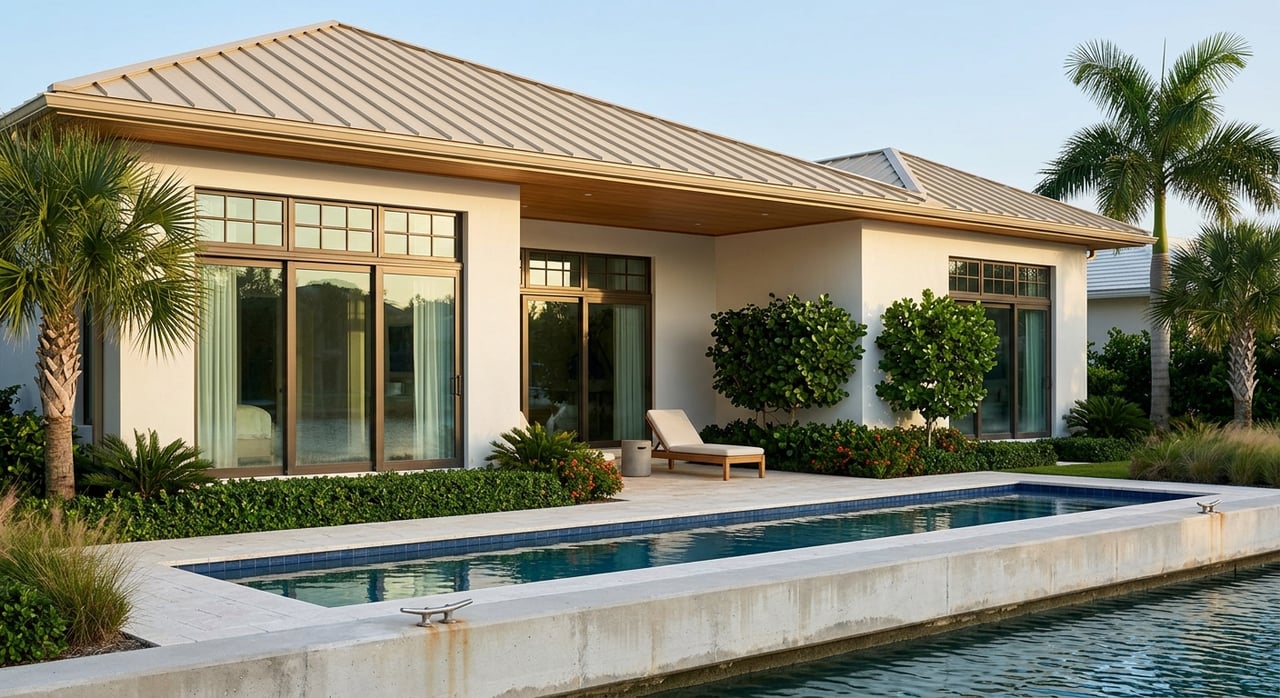
Documented updates to roof, HVAC, electrical, pool equipment, and any transferable seawall or dock warranties reduce friction. Thoughtful outdoor spaces, covered loggias, engineered docks with utilities, and lift-ready slips help buyers picture the lifestyle and support higher offers.
Read the market and time it well
Who is buying and why it matters
Boca Grande attracts high-net-worth, lifestyle-driven buyers who value privacy, boating access, and a classic island rhythm. Local clubs and marinas, along with the village setting, shape what they prioritize. For a sense of the island’s culture and amenities, browse this local Boca Grande lifestyle blog.
Scarcity and segmentation
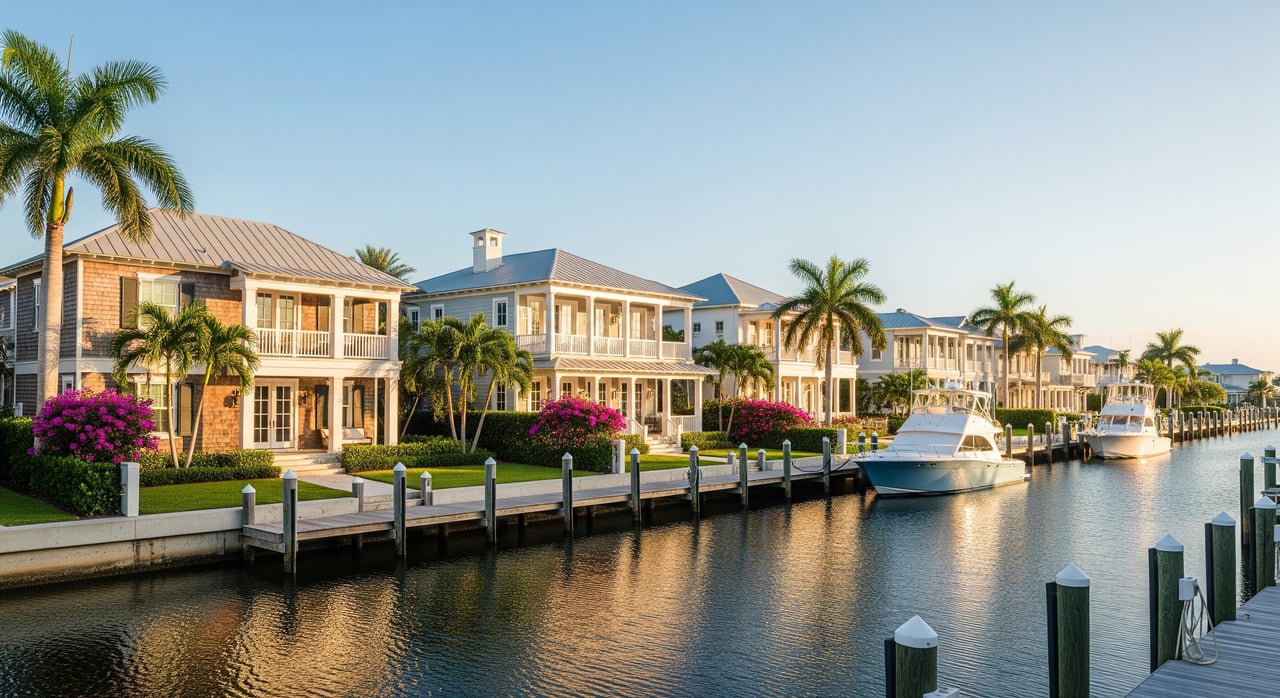
Boca Grande Isles is finite. That scarcity supports premiums when demand is present. The market is segmented, though. Tip lots and newer construction often trade in a different peer group than renovated canal homes. Build comps within the right lane so you do not dilute value by averaging across mismatched properties.
Seasonality and launch windows
Island traffic and showing activity crest from November through April. If you want maximum exposure, plan to hit the market ahead of peak visitation. Summer and early fall can still work, but expect a slower cadence and a different buyer mix. Adjust your pricing strategy and days-on-market expectations accordingly.
Build a pricing strategy you can defend
Create two comp lanes
Develop a lane for direct-deep-water, high-utility sites and a separate lane for internal canal lots with narrower views or limited boat sizes. Price within the appropriate lane, then adjust for frontage, view, and upgrades.
Handle seawall and dock needs upfront
If inspections reveal near-term work, obtain two to three bids from qualified contractors. Many sellers succeed with a clean price paired to a documented seller credit that aligns with the bids, rather than inflating the ask and negotiating later.
Consider a pre-listing appraisal or BPO
For luxury waterfront homes, a pre-listing appraisal by a professional familiar with waterfront comparables can reduce appraisal-gap risk and give buyers confidence. The Appraisal Institute’s resources can help you understand how appraisers weigh dock depth, seawall status, and view corridors.
Prepare an appraisal defense packet
Package your Elevation Certificate, wind-mitigation report, dock and seawall permits, marine survey with MLW depth, linear frontage measurement, contractor invoices, and any warranties. Clear documentation helps appraisers and out-of-area buyers justify your price.
Pre-listing checklist for sellers
Use this list to reduce buyer friction and support your asking price.
- Order a current Elevation Certificate from a licensed surveyor and include FEMA panel info. See FEMA’s overview of elevation certificates and mapping.
- Commission a seawall inspection by a marine contractor and secure written bids for any recommended work.
- Order a dock and marine survey that records mean low water depths, piling condition, and lift specifications. For context on survey content, review marine survey scope examples.
- Pull the recorded plat reference and assemble dock and seawall permits, plus municipal sign-offs. Start with the Lee County Boca Grande Isles plat citation.
- Obtain insurance quotes for wind, homeowners, and flood from at least two local brokers. Include private flood quotes if available.
- Gather recent invoices and warranties for roof, HVAC, electrical, pool equipment, and any dock or seawall work.
- Create a concise “marine facts” sheet: linear waterfront feet, MLW depth at dock, lift capacity, route to open water, last dredge if known, and permit numbers.
- Collect the HOA or POA documents, CC&Rs, and any recent assessments to share early in the process.
- Invest in professional photography and aerials that highlight the view corridor, dock, seawall line, and proximity to the maintained channel.
How we help you price and present
When you list with The Moore Team, you get hyper-local valuation, careful comp selection, and a hands-on plan to gather the documents that defend your price. We pair island-deep knowledge with visual-first marketing so buyers see not just a home, but a waterfront lifestyle backed by clear, verifiable facts. If you are thinking about selling in Boca Grande Isles, schedule a private strategy session with Jeff Moore to map your pricing path and launch timing.
FAQs
How do you price a Boca Grande Isles waterfront home?
- Start by placing the property in the correct comp lane based on water utility and view, then adjust for linear waterfront feet, MLW depth, dock and lift specs, seawall condition, elevation and mitigation features, and recent interior or structural updates.
What documents should I gather before listing a canal home?
- Assemble your Elevation Certificate, seawall inspection and bids, marine survey with MLW depths, dock and lift permits, the recorded plat reference, insurance quotes, and recent invoices or warranties for major systems.
When is the best time to list a luxury home on Gasparilla Island?
- Buyer visitation typically peaks November through April. Launching ahead of peak season can increase qualified showings, though well-prepared listings can succeed year-round with the right pricing and marketing.
How do appraisers treat docks, lifts, and seawalls in Boca Grande Isles?
- Appraisers adjust for water utility, including MLW depth, dock configuration and lift capacity, seawall age and condition, linear frontage, and view corridor. Documenting each item makes the comparison set easier to defend.
Do “no fixed bridges” and depth at dock really affect price?
- Yes. An unobstructed route and reliable low-tide depths broaden the range of vessel sizes your site can support, which is a major value driver for many Boca Grande buyers.
How many lots are in Boca Grande Isles?
- Marketing materials often cite about 123 single-family waterfront lots, but counts vary because of differences between platted lots and developed parcels. Verify details for your property using the recorded Boca Grande Isles plat reference from Lee County.