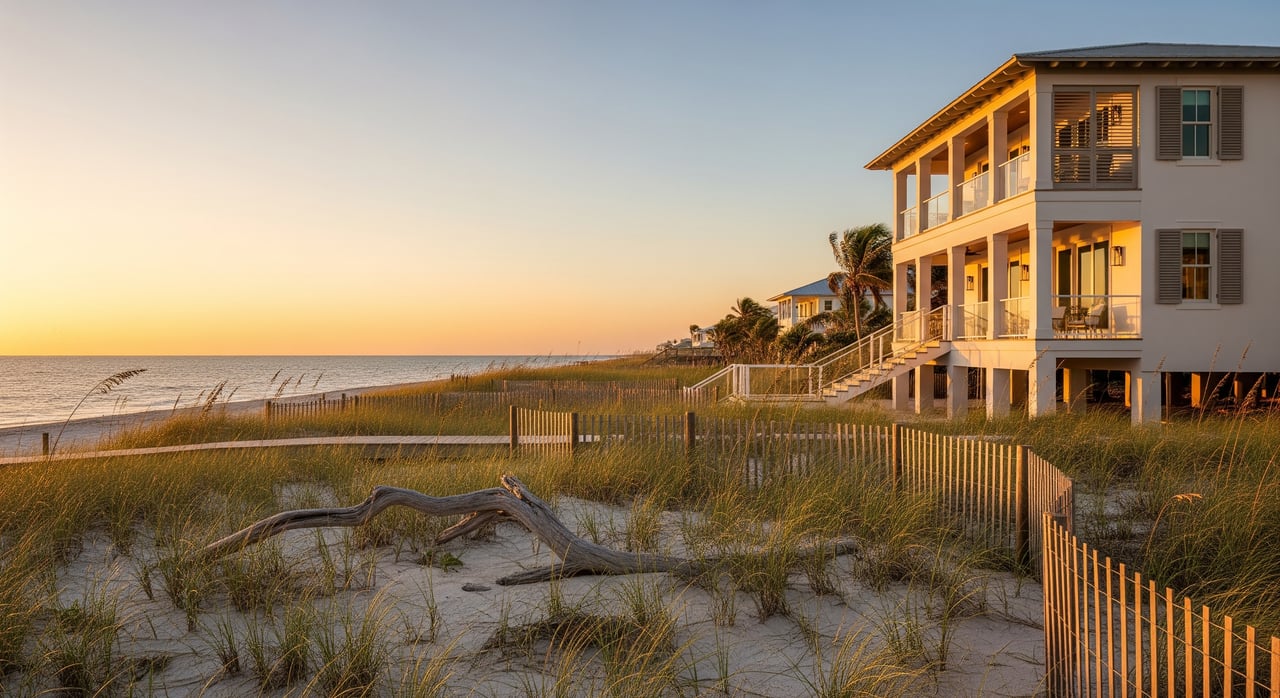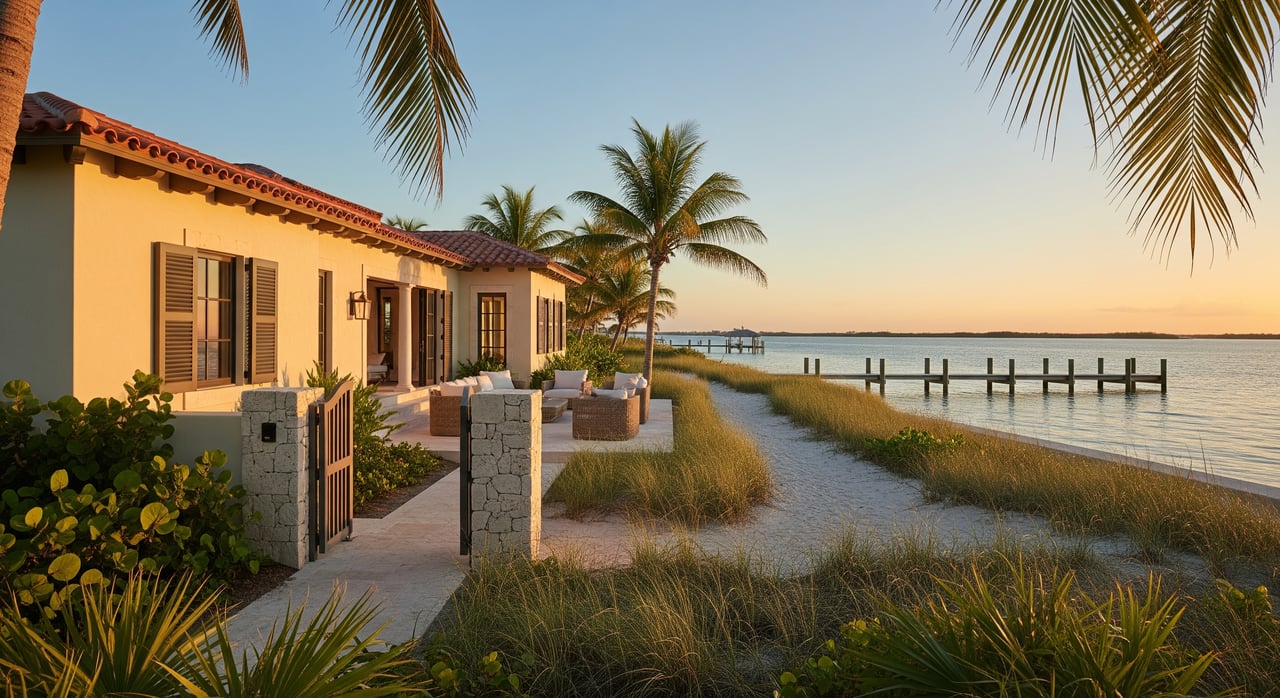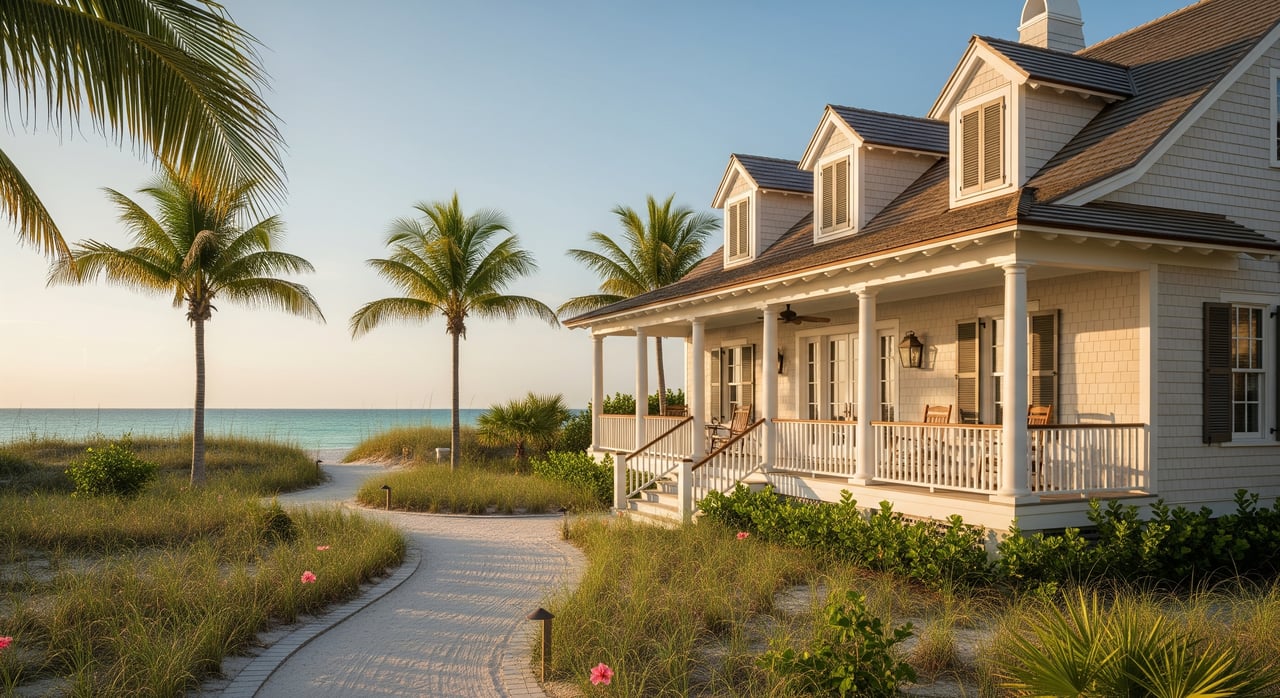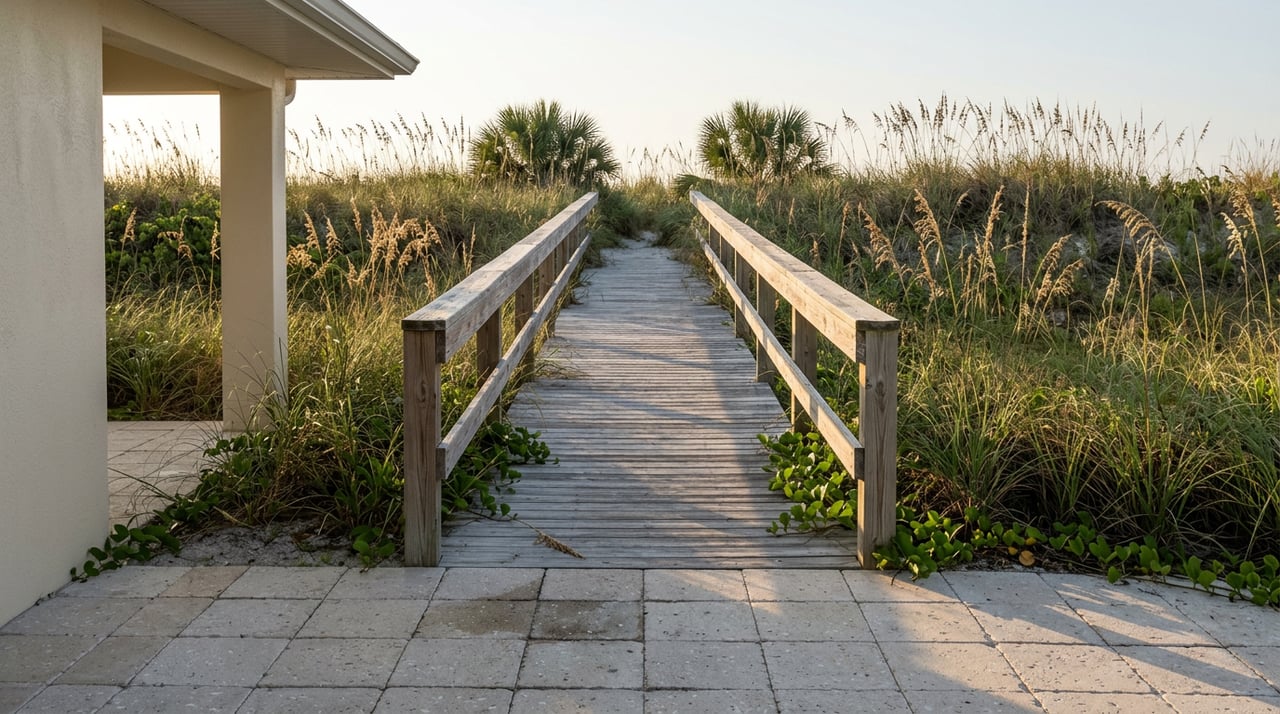
Walk the beach in front of Boca Bay before eight most August mornings and you'll pass at least one taped-off square of sand, a stake at each corner, a strip of orange flagging tape sagging in the humidity. A week ago that square might have been fresh, marking a crawl from the night before. This week, more of them look different. The sand around the stakes is disturbed in a wider fan, pocked with small depressions leading toward the water. That's not a nesting mark. That's an exit.
The distinction matters more than it looks like it should, because the numbers coming out of this week's beach reports tell a story that isn't the one most people assume they're watching.
The Number That Actually Moved
Every week, the Boca Beacon publishes a count of loggerhead, green, and leatherback nests logged across the barrier islands south of Charlotte Harbor, broken out by state park zone. For the stretch that includes the Gasparilla Island beaches fronting Boca Bay, the count as of August 5 stood at 32 loggerhead nests and 55 hatchlings. The week before, on July 29, the same zone showed 31 nests, with no hatchling figure reported at all.
Read that again slowly. One new nest in seven days. Fifty-five hatchlings appearing in a report that had nothing to show the week prior.
That's the actual story of this beach in August. Nesting is basically finished for the year. It doesn't stop with an announcement or a sign at the beach access, it just quietly tapers until the weekly count barely moves. What's ramping up instead, and what will keep ramping through September and into October, is the second half of the cycle: eggs laid in June and July finishing their roughly two-month incubation and turning into small, fast, single-file processions across the sand.
If you've been treating every taped square you pass as evidence that "nesting season" is still underway, you've been half right. The nests are still there. The turtles that dug them are mostly gone. What you're watching now is the payoff, not the arrival.
What You're Actually Seeing on the Sand
The visual cues change enough through the season that it's worth knowing what you're looking at on any given walk:
- A wide, tractor-tread crawl from the dune line to the water and back, usually still damp: a nesting female came ashore overnight, most likely in June or July at this point in the season.
- A staked, taped square with the sand undisturbed inside it: an incubating nest, marked by a patrol so it doesn't get walked on, driven over, or dug up by accident.
- A fan of shallow depressions radiating from a marked nest toward the surf: a hatch that's already happened, sometime in the last day or two.
- Tiny, parallel tracks in a scattered cluster, sometimes still visible at first light before the tide erases them: hatchlings that emerged overnight and made their run.
That last one is the sign worth slowing down for. It means somewhere on that stretch of beach, in the dark, a nest did exactly what it was supposed to do.
The Work Nobody Announces
None of this gets tracked by accident. The Boca Grande Sea Turtle Association is a volunteer nonprofit operating under marine turtle permits issued by the Florida Fish and Wildlife Conservation Commission, and its patrols cover this beach every morning during nesting season, checking for new crawls, protecting existing nests from predators, and responding when something goes wrong. The organization runs without government funding. Every stake, every roll of flagging tape, every early morning walk is paid for by donations and staffed by people who live here and decided this was worth doing before sunrise.
That's part of why the weekly numbers matter more than they might elsewhere. They're not generated by an agency with a budget line for it. They're the output of people walking the same mile of sand day after day, counting by hand.
Why the Lights Matter More Than the Signs
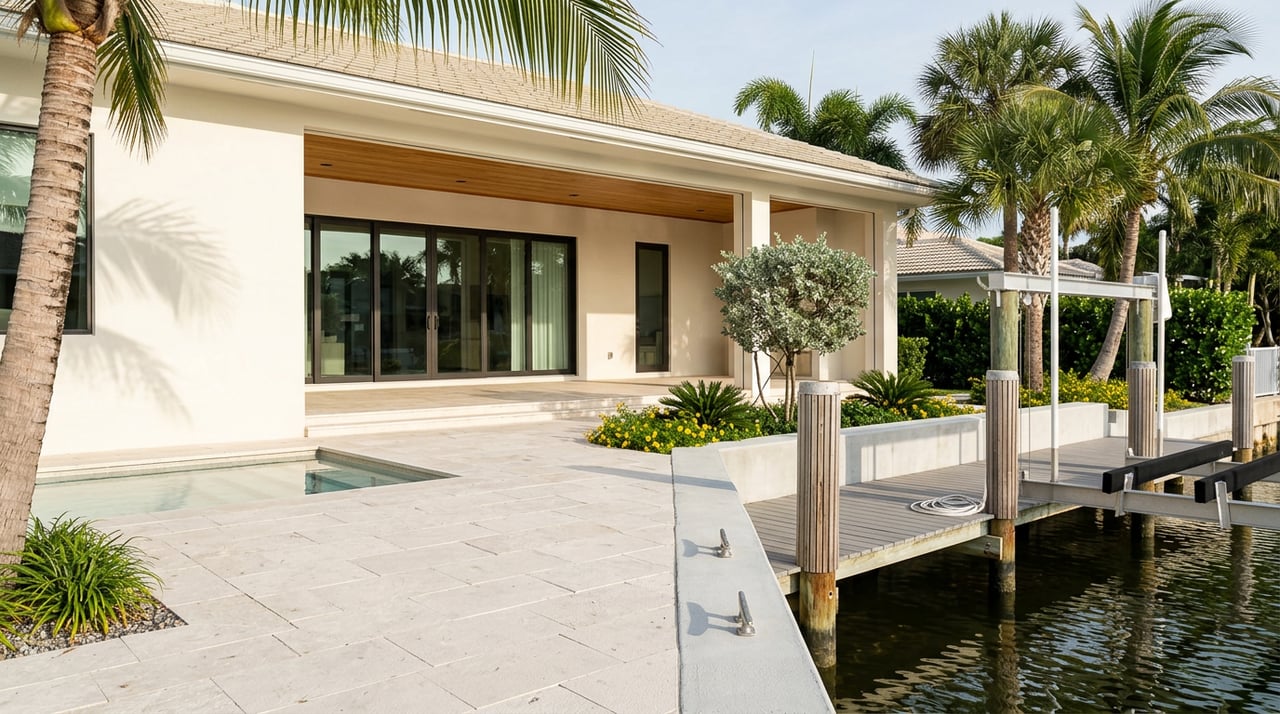
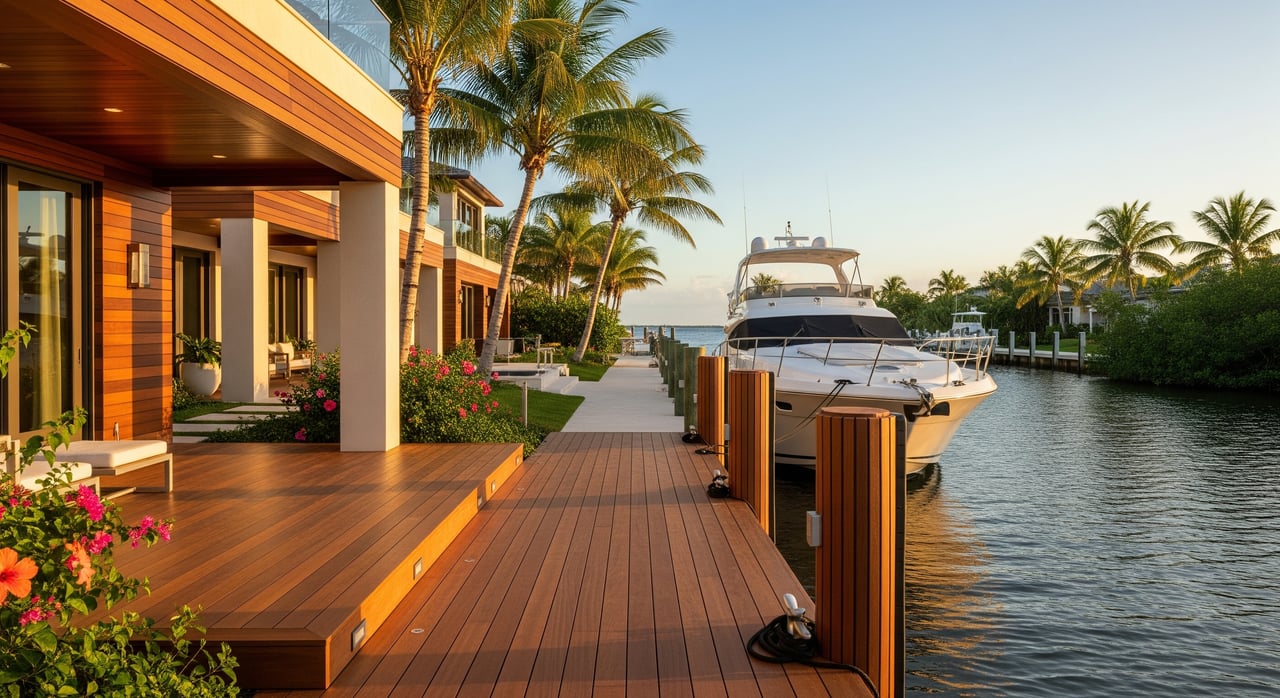
The most common way well-meaning residents interfere with a hatch has nothing to do with walking on a marked nest. It's light. Hatchlings orient toward the brightest horizon, which for millions of years meant the moon reflecting off open water. A porch light, a floodlit dock, or even a bright interior room with the curtains open can pull them the wrong direction entirely. Florida wildlife officials remind coastal residents every summer that lights on or near the beach can misdirect and disturb nesting sea turtles, which is why the simplest thing anyone living oceanfront can do this month is turn off exterior lighting that's visible from the sand and keep blinds drawn after dark. It costs nothing and it's the single highest-leverage thing a resident can do for a hatch already underway.
Same Beach, Same Data, Right Next Door
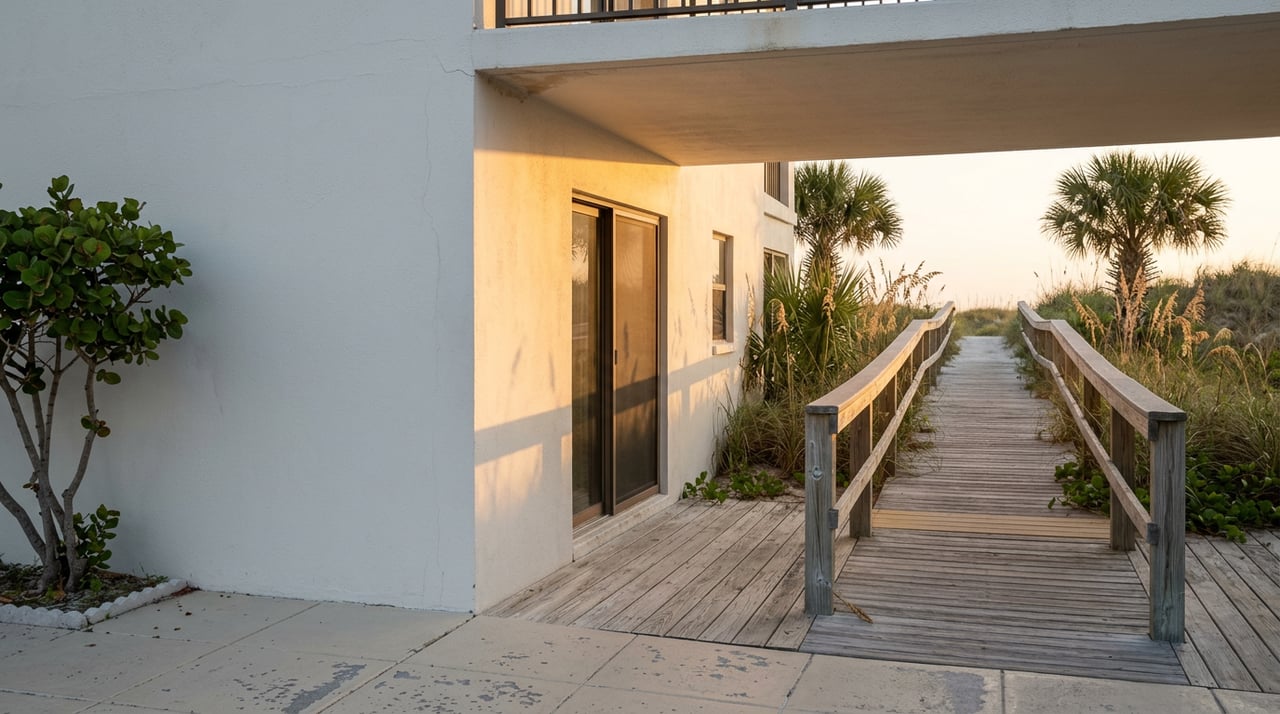
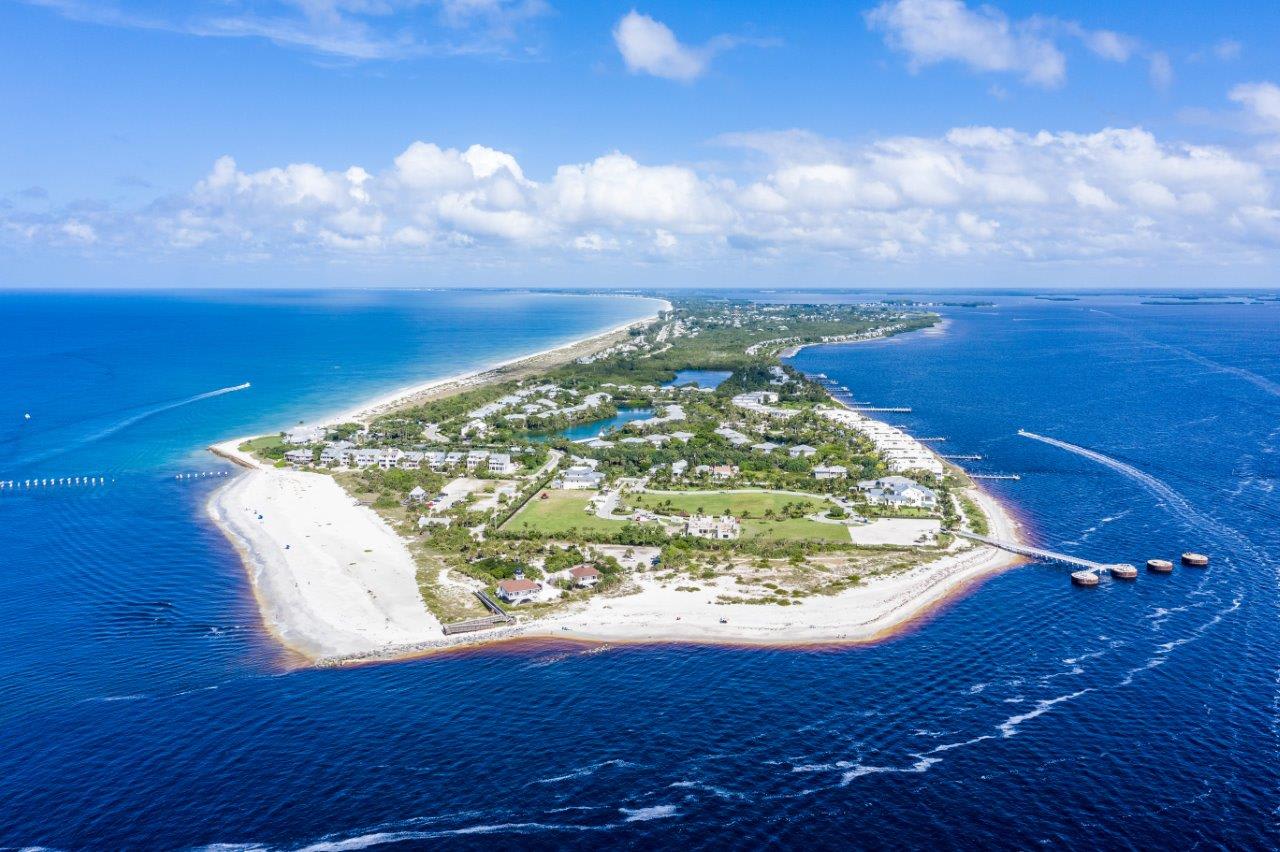
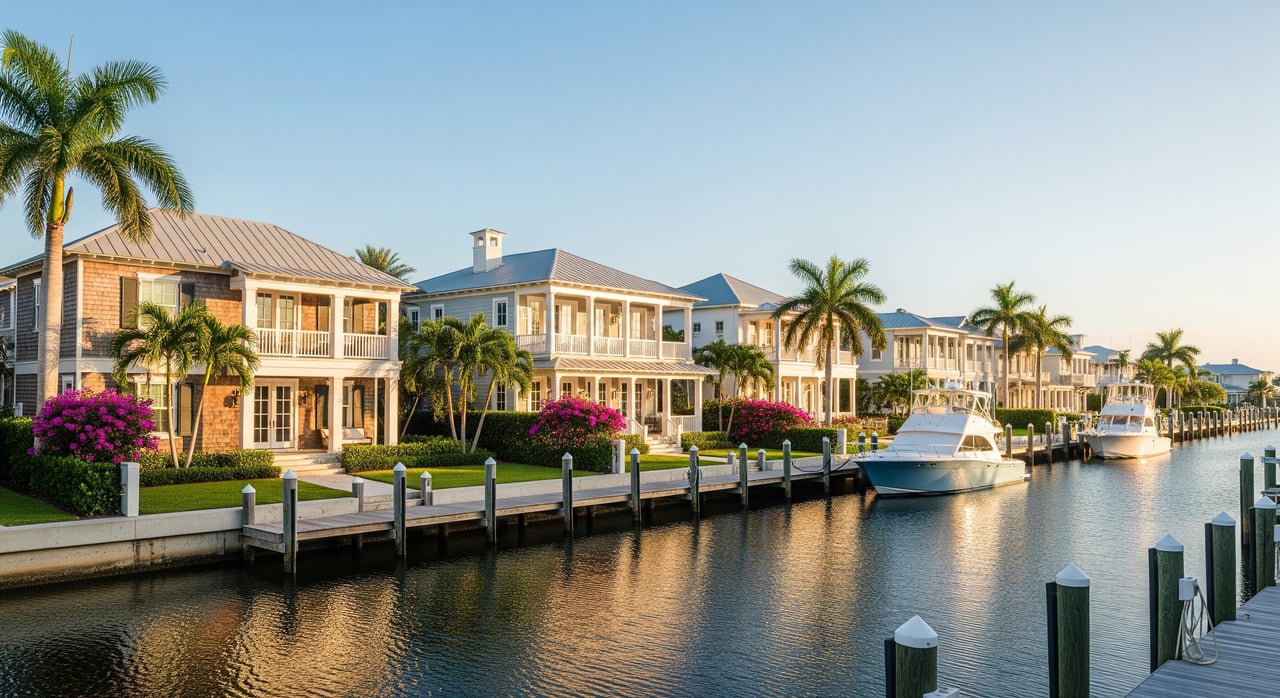
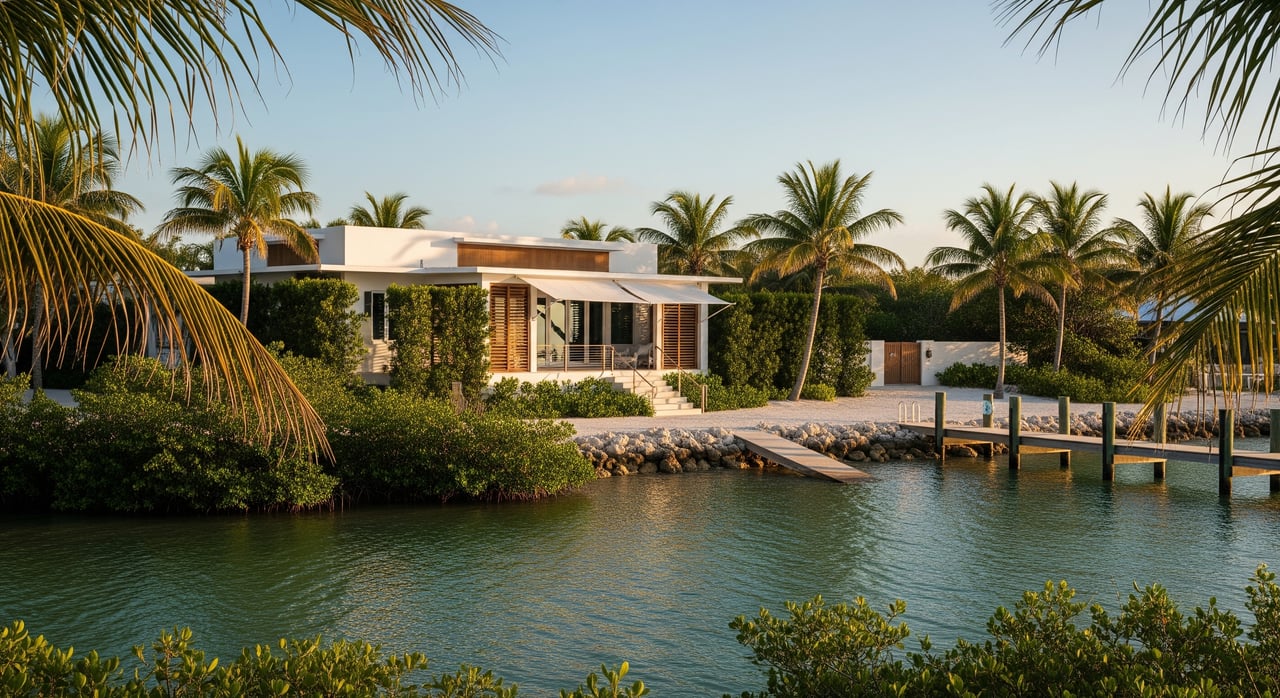
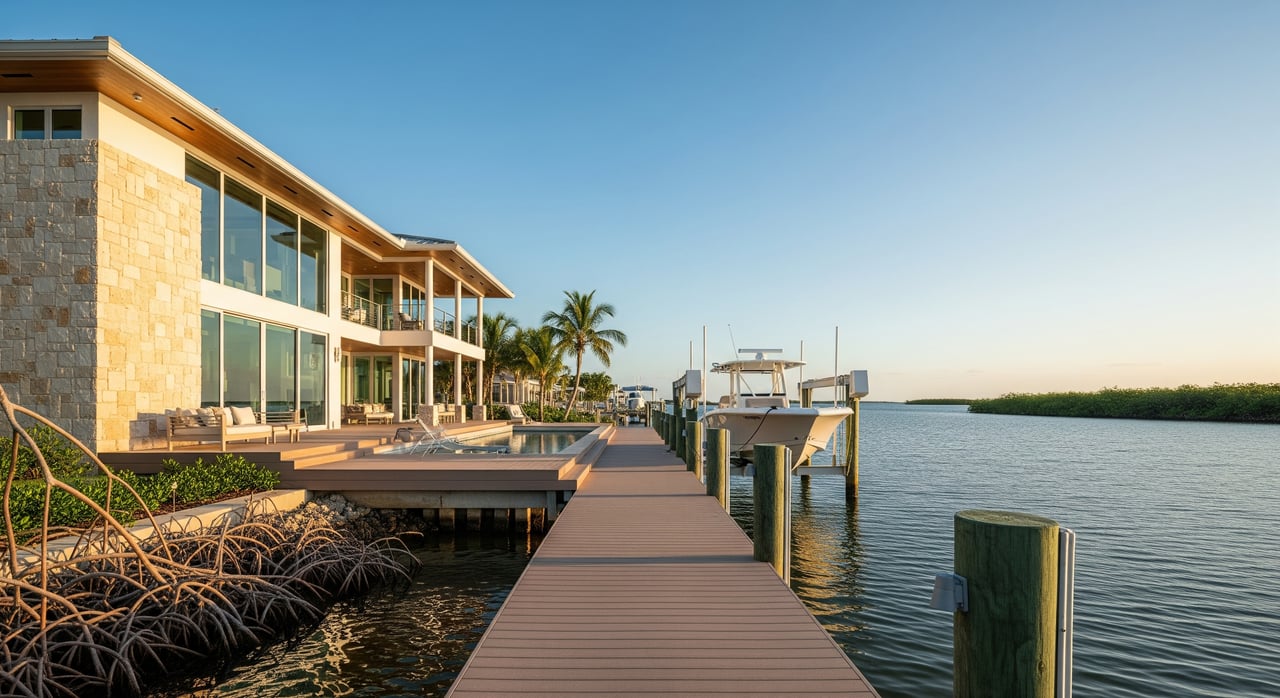
Boca Bay sits at the southern terminus of Gasparilla Island, which means the same continuous mile of Gulf-front beach that the state park protects runs directly along the community's shoreline. The nesting and hatchling counts reported for the "Gasparilla" zone aren't a separate population somewhere down the road. It's the same beach, the same loggerheads, the same weekly patrol.
Gasparilla Island State Park's protected shoreline is divided by a seawall into two beach sections, and its bike path picks up at the Dunes parking area near the Port Boca Grande Lighthouse before running north through the park and into town, a route that gives anyone who wants to extend a beach walk into a longer loop a paved option for the return leg. For residents who track the season on foot, that means the choice isn't between watching from a distance and getting involved. It's a stretch of sand you're already walking.
If You Want to Watch Next Season Differently
The Sea Turtle Association's Adopt-a-Nest program, which lets supporters follow one specific nest through its incubation, closed out its 2026 season and won't reopen until May 2027. For anyone who spends this August noticing the shift from crawls to hatchling tracks and wants a more direct connection to a specific nest next year, that's the window to watch for.
For now, the season's real news isn't the crawl count. It's what's happening in the dark, quietly, in nests that were dug back in June, on a beach that residents here get to check before their coffee's finished.
If watching this stretch of shoreline change through the seasons is part of what drew you to Boca Bay in the first place, that instinct, paying attention to what's actually happening on the ground rather than the version everyone assumes, is the same one The Moore Team brings to how we read this market. If you're ever curious about a property along this same beach, or simply want to talk through what a season like this means for the island you already call home, we're an easy call away.