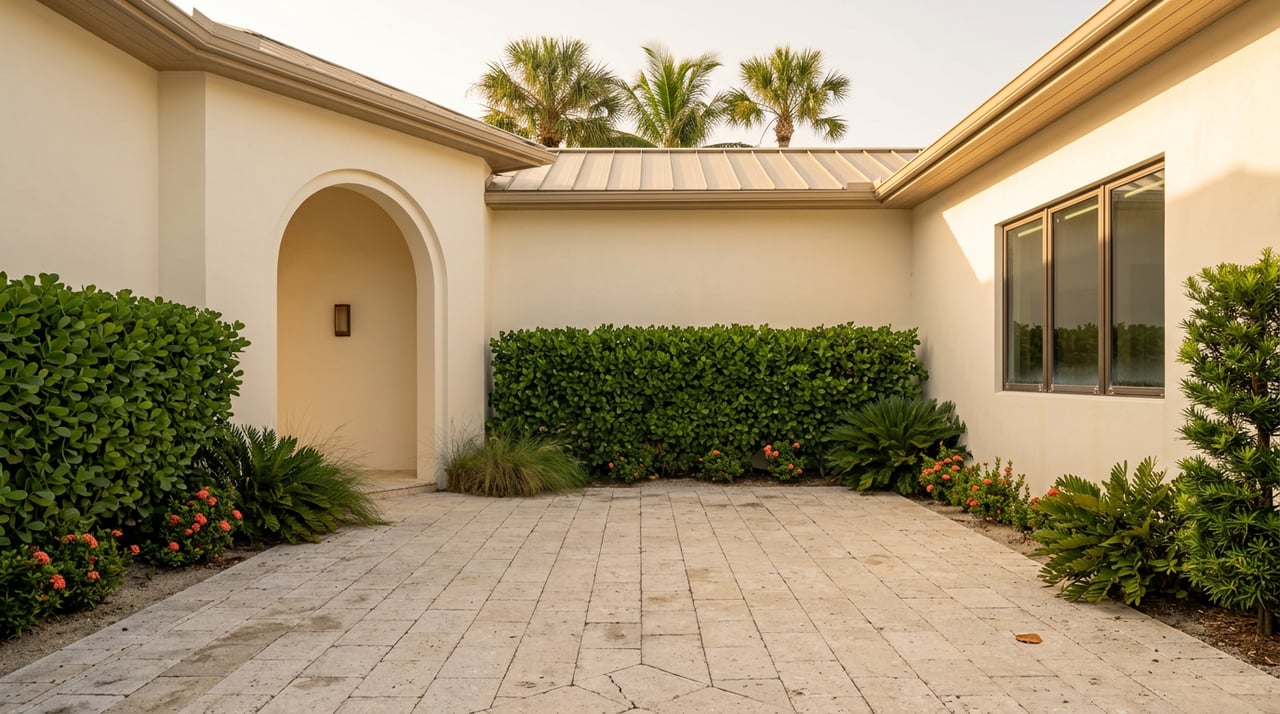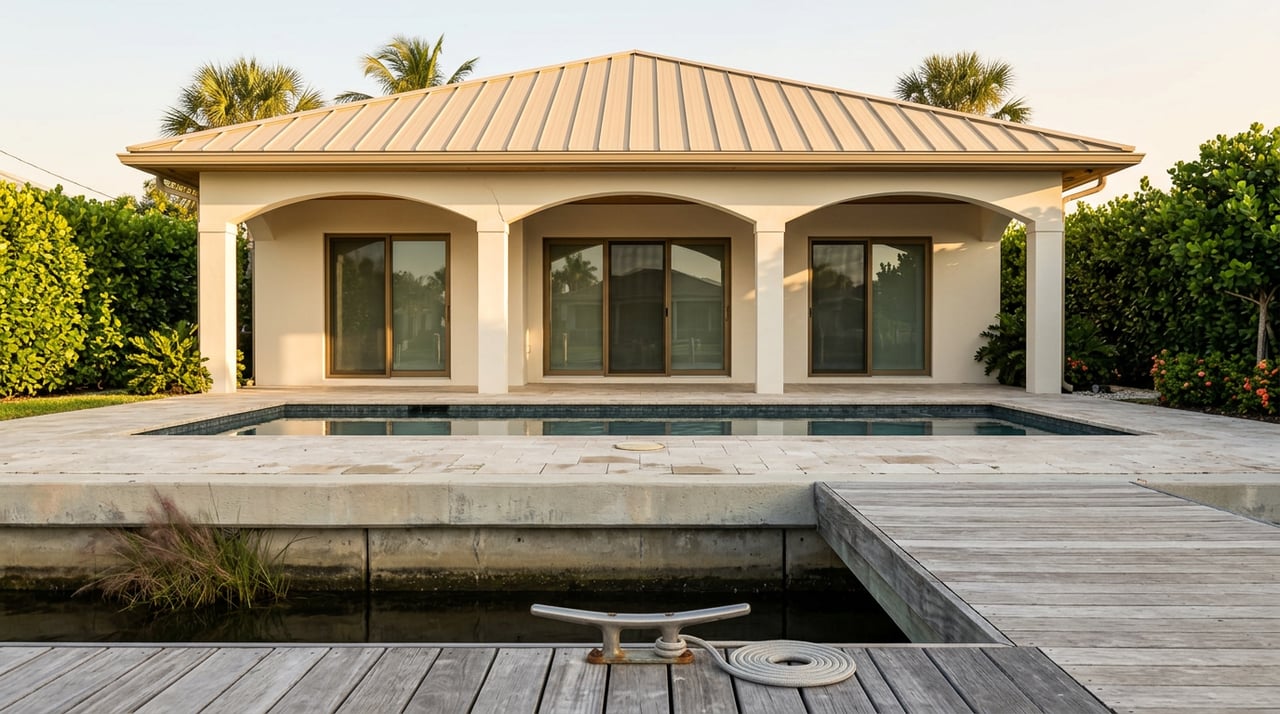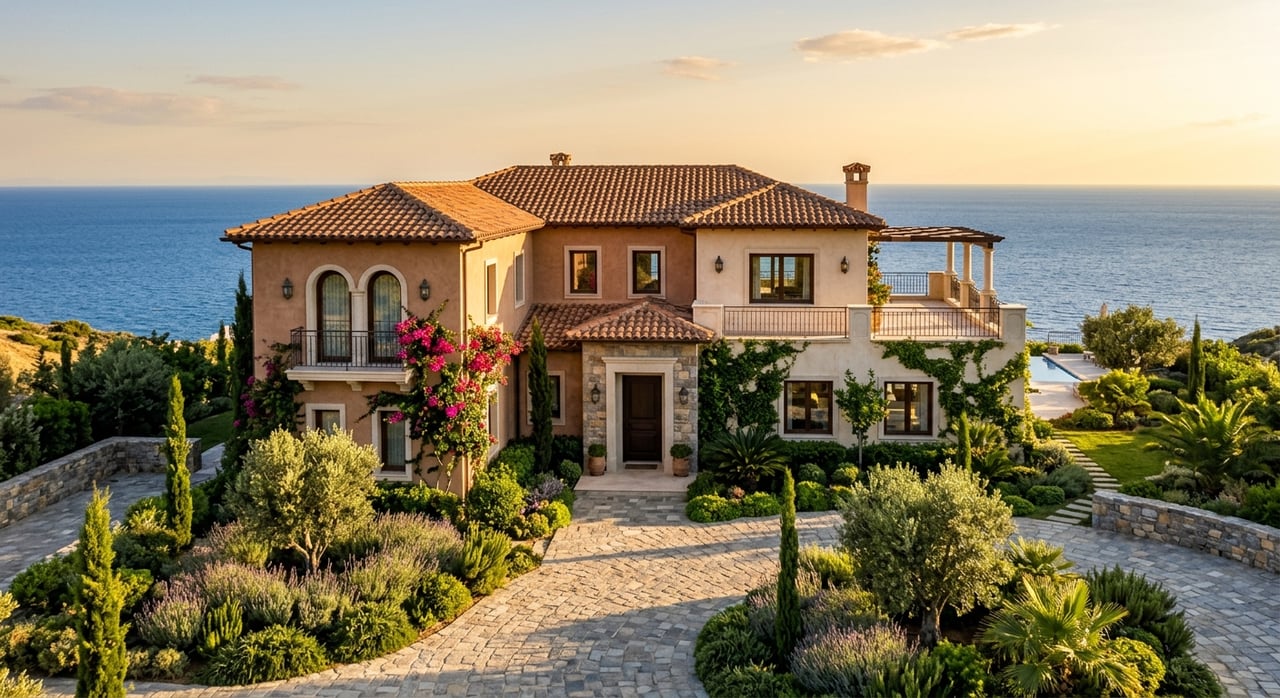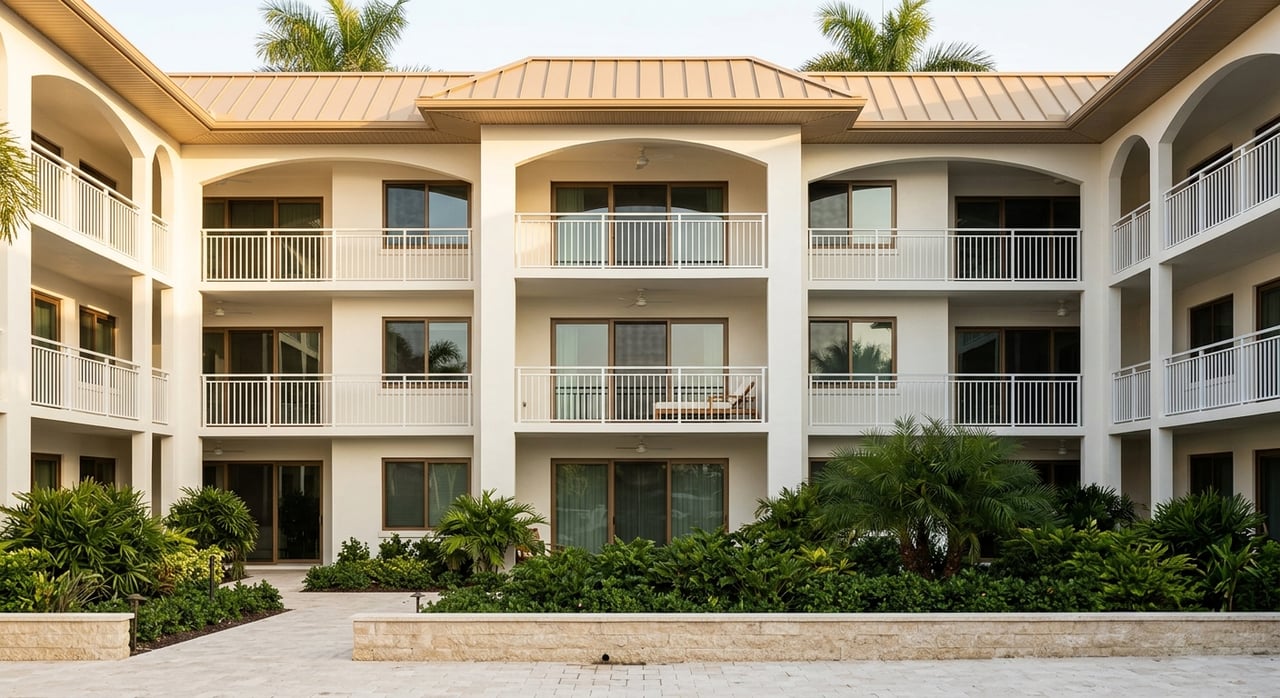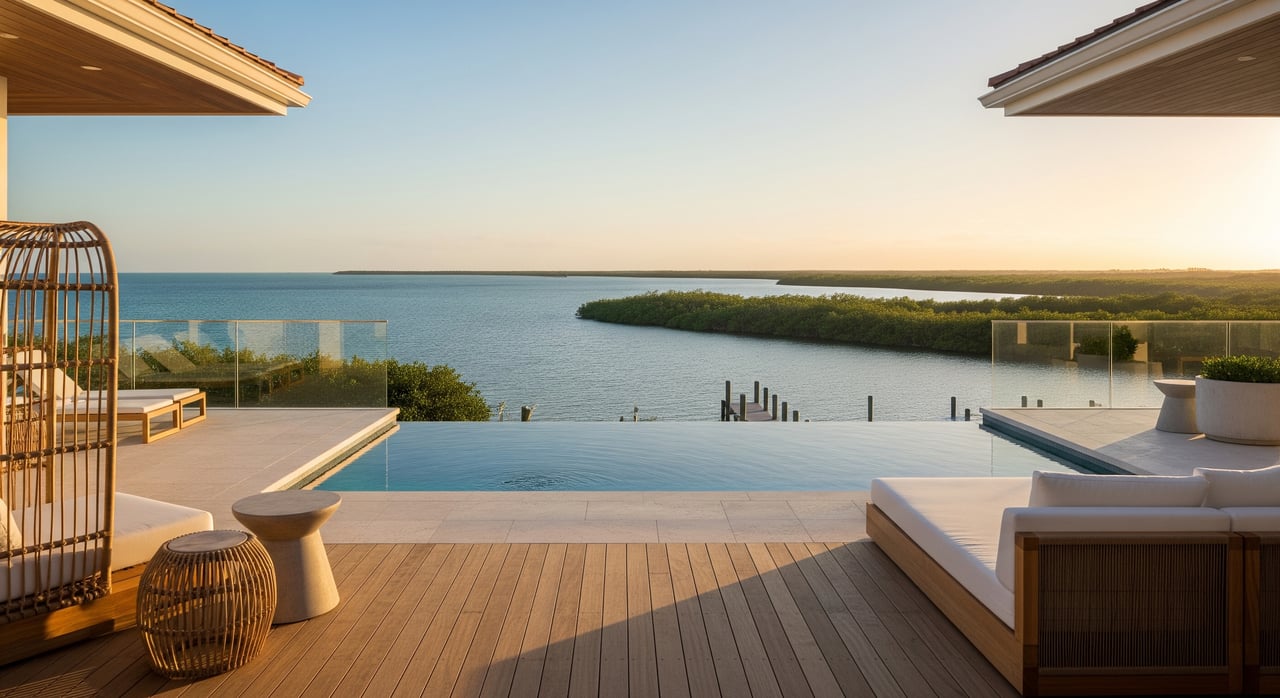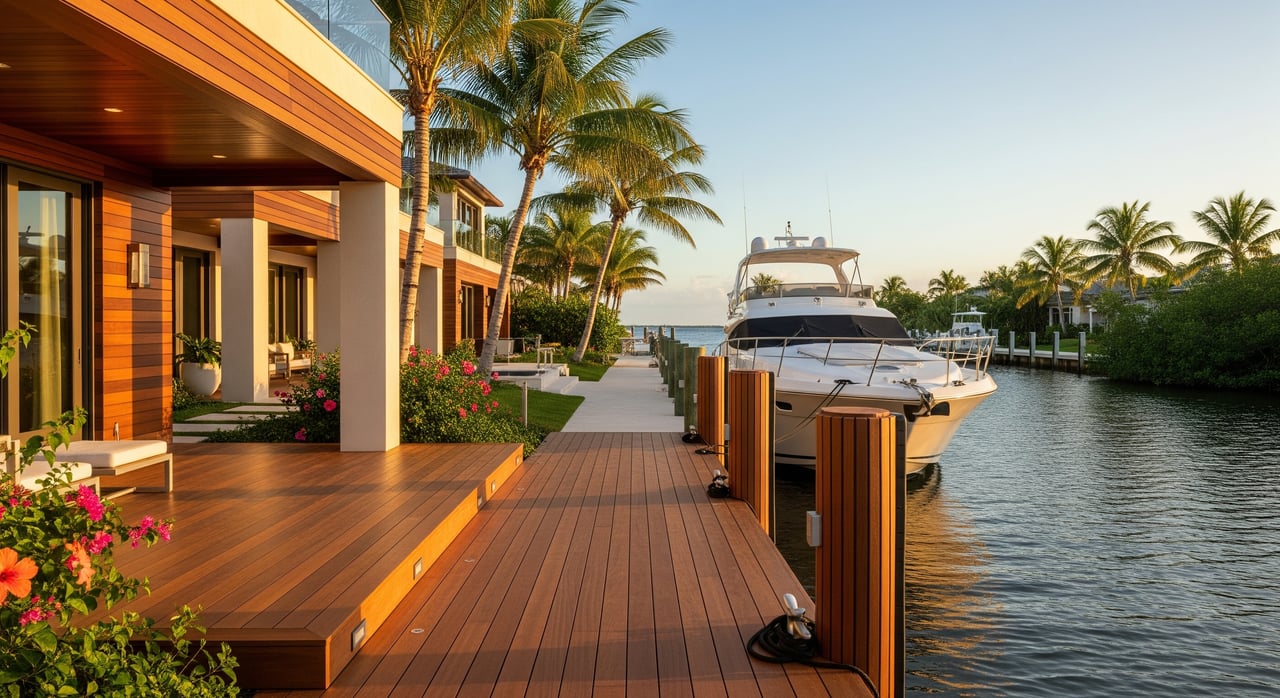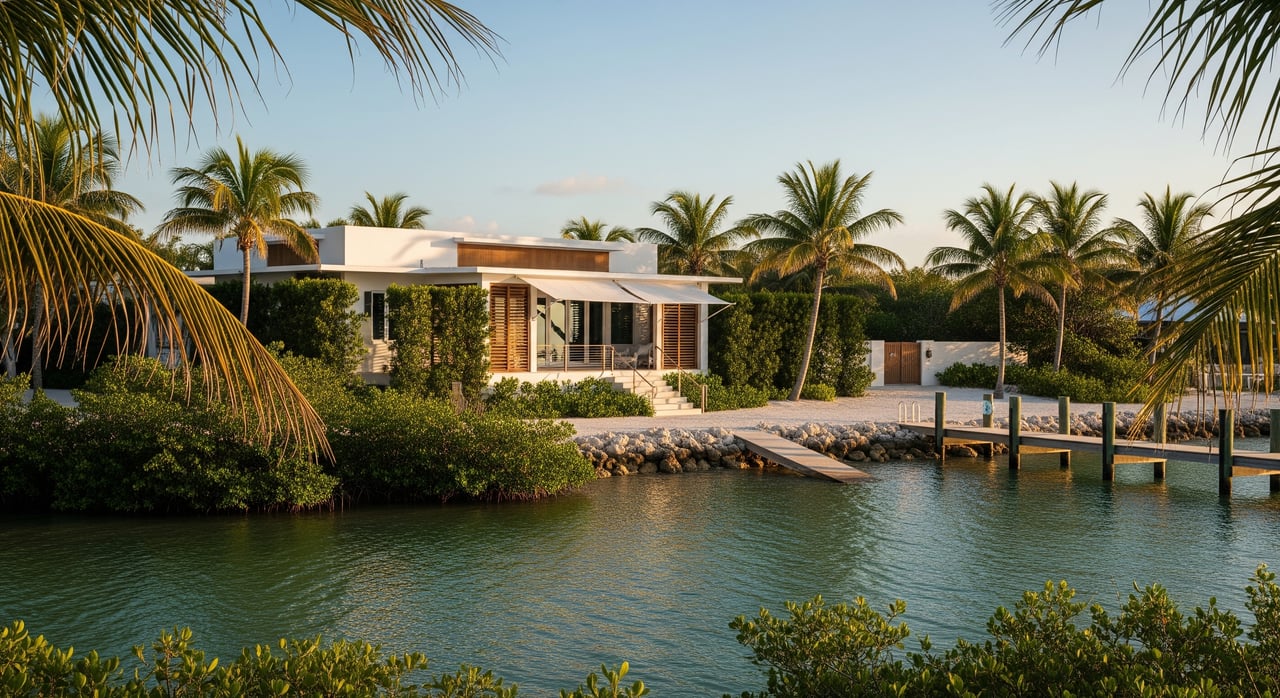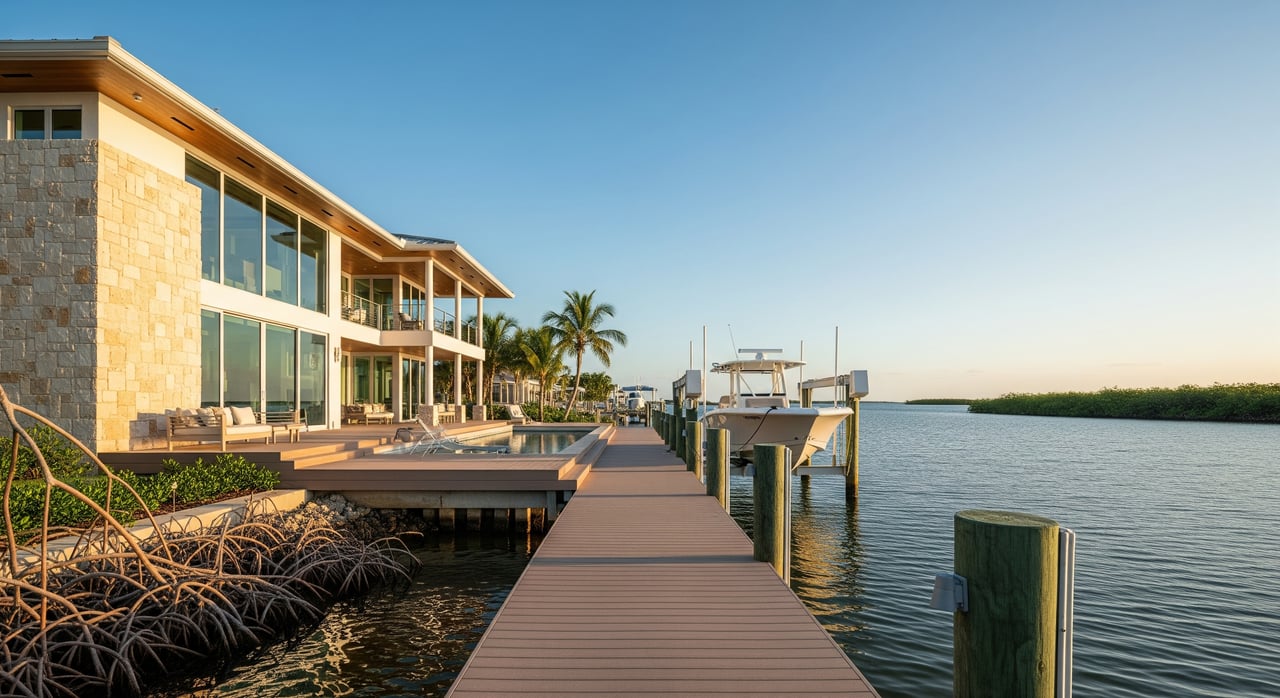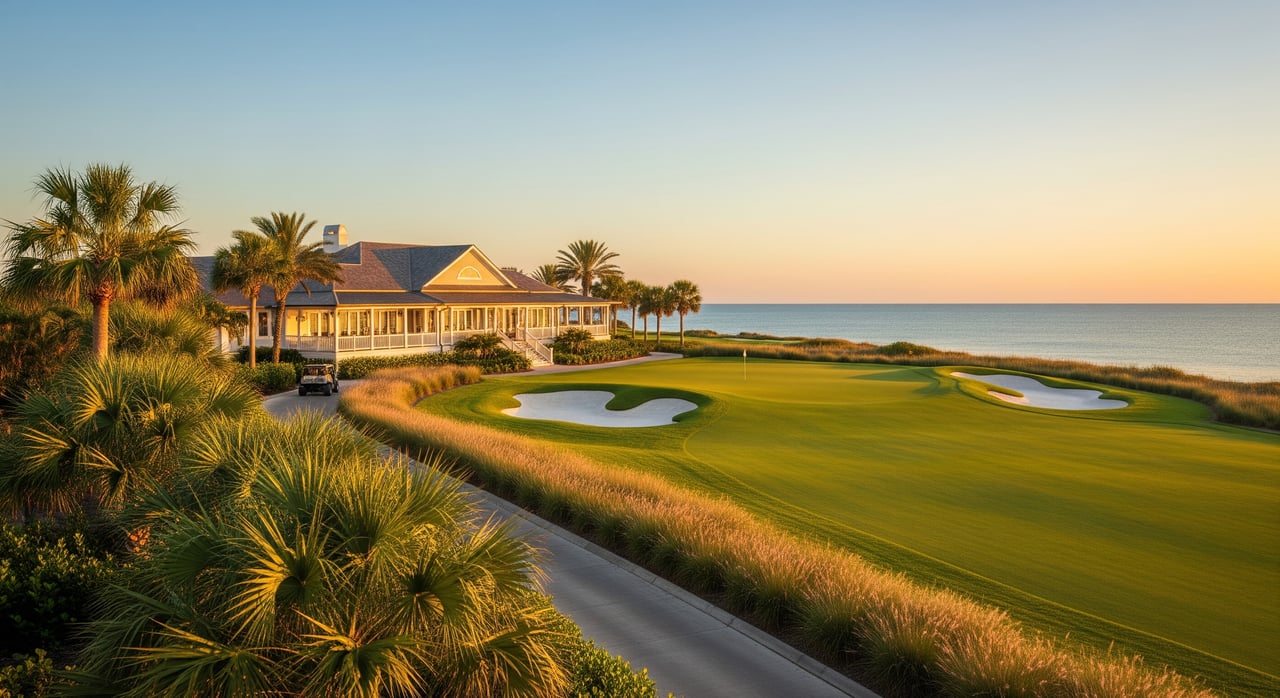
Picture starting your day with a Gulf breeze, a quick nine, and coffee on the porch while the island wakes up. If you’re considering a seasonal home on Boca Grande, life near Gasparilla Golf Club can shape your routine, your social calendar, and even your property priorities. In this guide, you’ll learn how the course plays in coastal conditions, what facilities to verify, how island seasonality works, and what to check before you buy. Let’s dive in.
Location, access, and daily rhythm
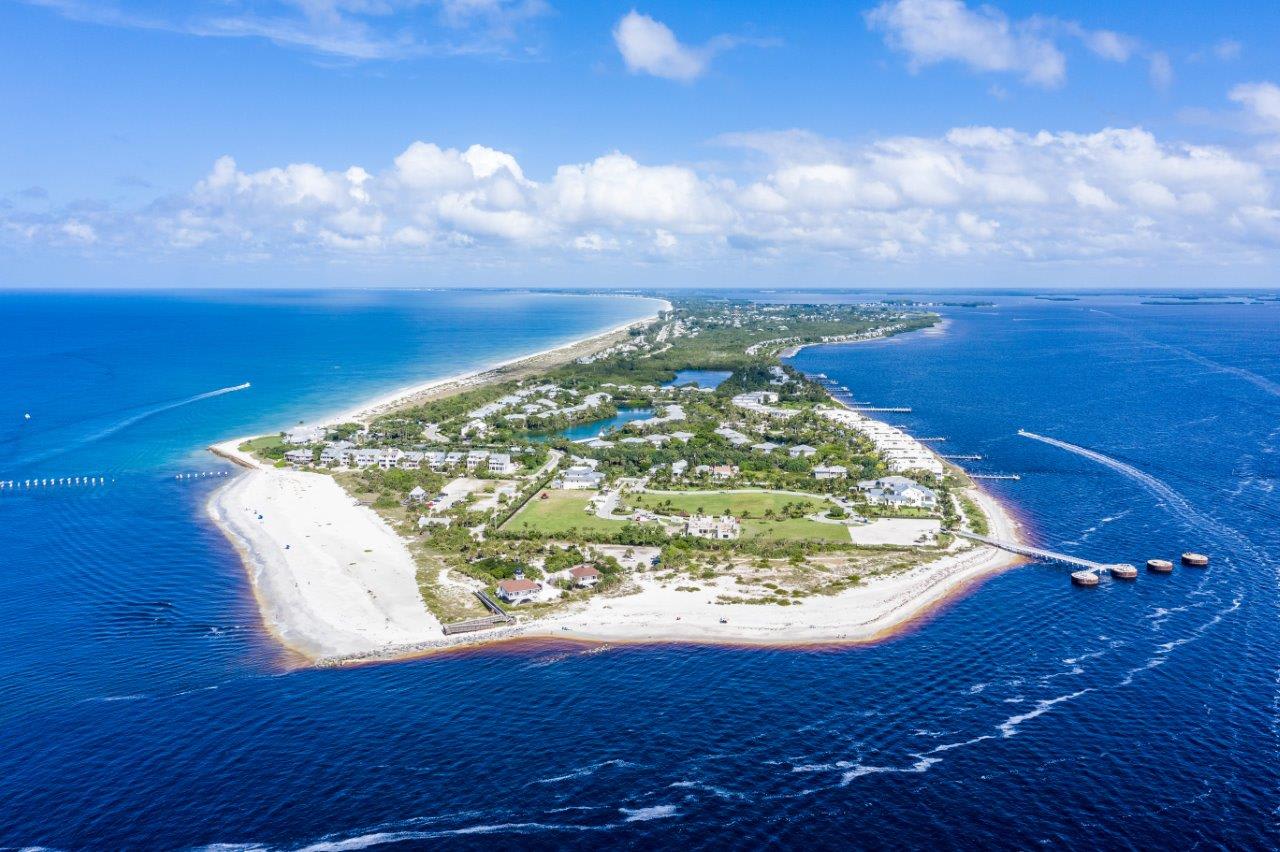
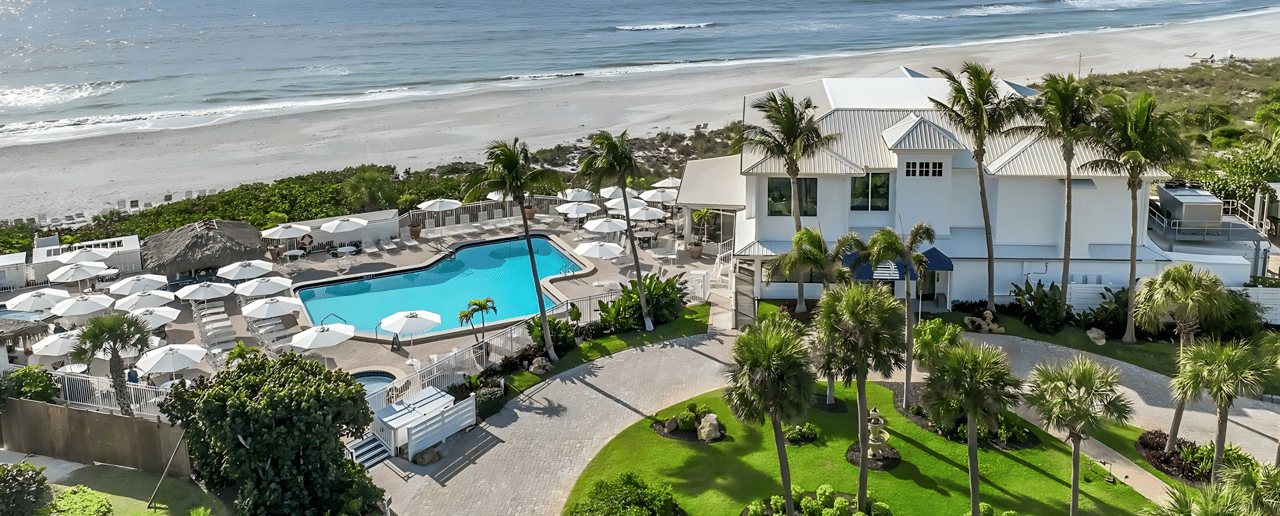
Gasparilla Golf Club sits on Gasparilla Island in Boca Grande, a small barrier island in Lee County. The island is primarily residential and vacation-oriented, with the course serving as a recreational and visual centerpiece for the community. That means you enjoy a quieter setting, scenic greens, and a walkable pace.
Access to Boca Grande is by causeway from the mainland. Plan for travel time when you come and go, especially with clubs, luggage, or groceries. Mainland services, hospitals, and airports are a drive away, so factor that into your seasonal plans and guest logistics.
Island life follows the season. Winter brings higher activity, fuller restaurant reservations, and more social events. Off-season can be quieter with reduced hours for some businesses. If you value year-round use, verify service schedules and availability as part of your due diligence.
How the course plays on the coast
Coastal elements shape every round. You can expect wind, salt spray, and firm turf at different times of year. These conditions reward trajectory control, smart aiming, and thoughtful club selection more than raw distance. On breezy days, your best shots may be the ones you flight low and position well.
Water and coastal hazards often influence risk-reward decisions. Green size and speed can elevate the importance of your short game, and firm approaches may encourage bump-and-run or knockdown shots. If you’re evaluating the course for a multi-ability household, ask the club about tee options and routing that welcome a range of skill levels.
Winter vs. summer feel
Winter visitors usually see the course at its liveliest, with peak play and polished conditions. Expect more traffic and a social vibe. Late spring and summer bring quieter fairways along with heat and humidity. After storms or heavy rains, surfaces can soften before firming up again. Your experience can vary across the year, which is why a second visit in a different season is helpful.
Options for different abilities
Most island courses offer multiple tees that shorten or stretch the challenge. Confirm current tee sets and recommended pairings for various handicaps. For mixed-ability groups, a thoughtful tee selection keeps rounds enjoyable and pace steady.
Practice, instruction, and amenities to verify
Not all island courses have the same footprint, so practice areas can vary in size and layout. Before you buy nearby, confirm the specific facilities that matter to you and your guests.
- Practice areas: Ask about a driving range or forward practice area, short-game greens with bunkers, and separate putting greens. Request a simple facility map and practice-area dimensions if you’re serious about regular practice.
- Clubhouse and services: The essentials typically include a pro shop and locker or storage options. Ask about club repair, rentals, and any bag storage for seasonal owners.
- Instruction and coaching: Many clubs offer PGA or LPGA teaching pros, private or group lessons, on-course playing lessons, and junior programming during peak months. Request instructor bios and example lesson formats if you value course-specific coaching like wind management or coastal bunker play.
- Convenience: Clarify cart policies, push or pull cart availability, and guest access rules if you plan to host non-resident friends. If you split time between homes, ask early about bag storage and how it works for seasonal use.
A quick email or call to the club can give you current details on staff, lesson options, and seasonal programming.
Living near the fairways
Daily routines and social rhythm
When you live close to the course, golf integrates naturally into your day. You can walk or drive a short distance for a morning nine, slip out to the practice green before dinner, or meet friends for a twilight round. For many seasonal residents, that easy access is the lifestyle upgrade they value most.
Noise, maintenance, and event days
Maintenance teams typically work early. Expect mowers or blowers in the mornings, and ask about standard start times if quiet dawn hours are important to you. Tournament days and special events can increase traffic and limit tee times. If you host family during peak season, it helps to understand the event calendar and how it affects play.
Views, privacy, and design choices
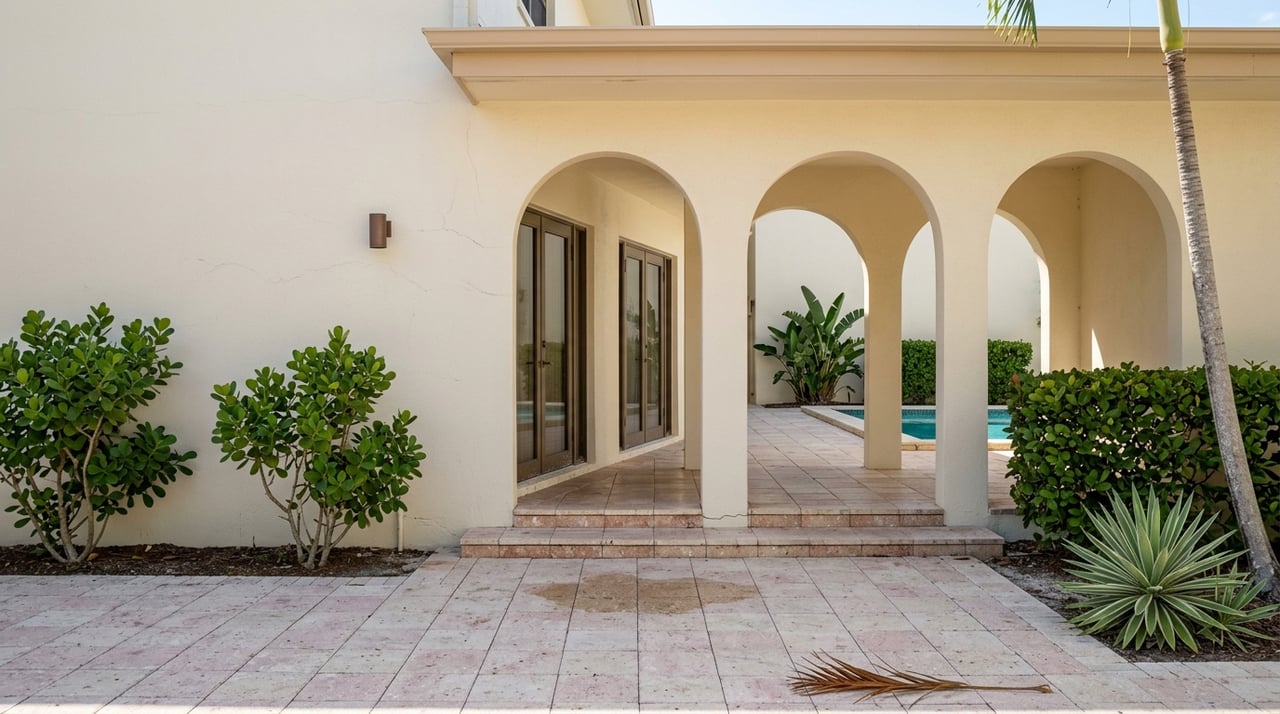
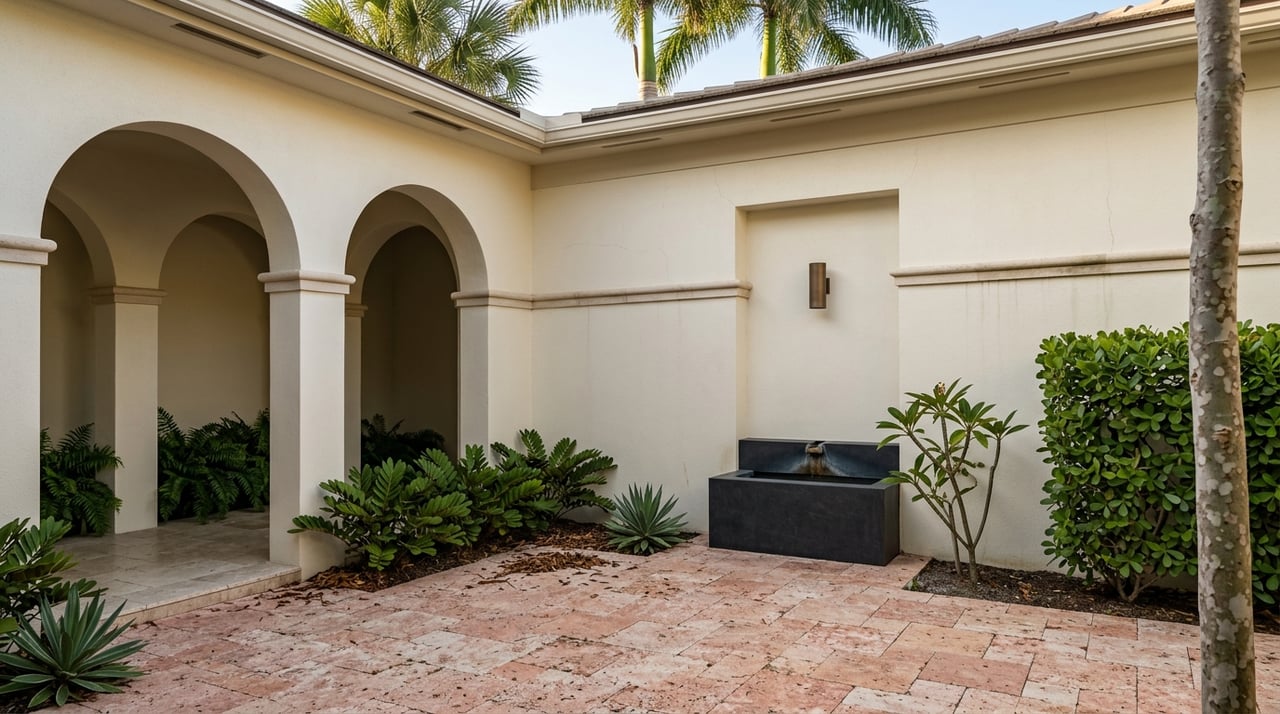
Golf-view homes often carry strong appeal thanks to open sightlines and manicured backdrops. Direct adjacency can also mean more foot or maintenance traffic and less privacy. Consider landscaping solutions, fencing rules, and the orientation of patios and pools. Evaluate sun and shade patterns, as well as potential irrigation overspray, during your property tour.
Safety and wildlife
Island habitats attract shorebirds and other coastal wildlife. Courses typically have protocols that protect both habitats and people. If you buy near sensitive areas, learn the local rules and any nesting seasons that might temporarily influence maintenance or access.
Risk, rules, and island logistics
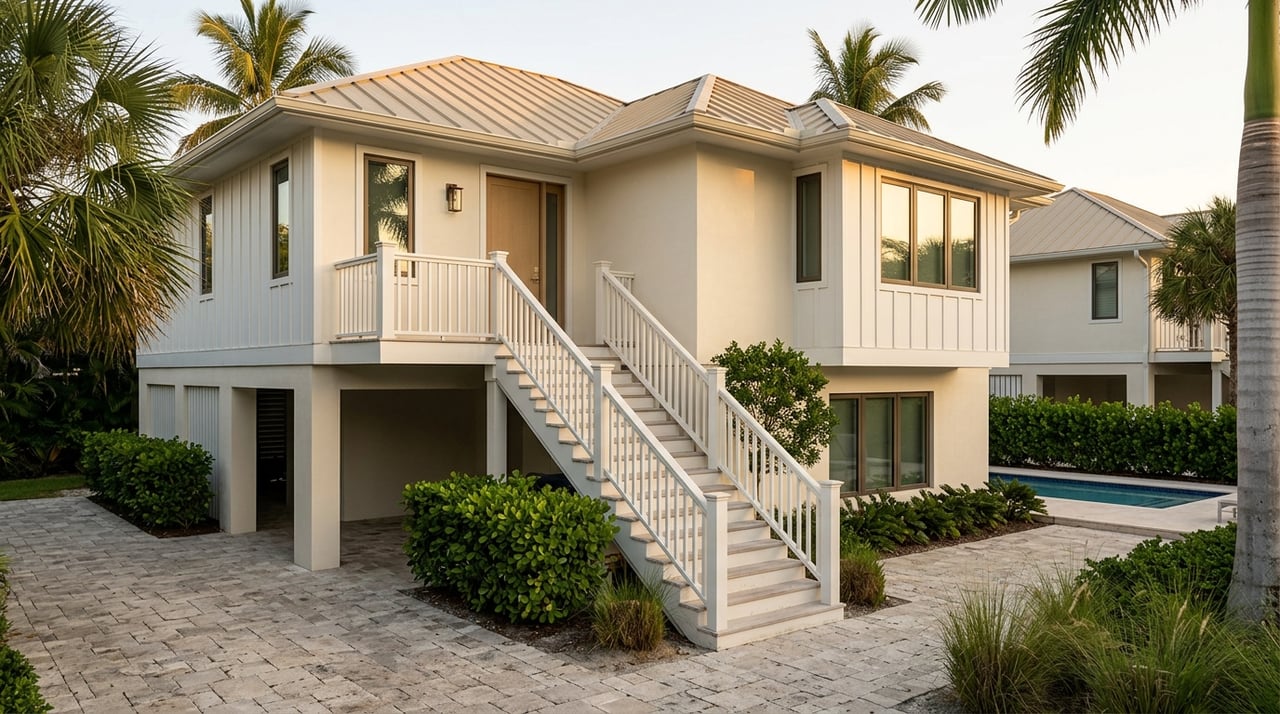
Boca Grande’s beauty comes with coastal realities. Flood risk and storm surge are part of barrier island life. Review flood zone designations for specific parcels, request any available elevation certificate, and get quotes for flood and homeowners insurance before you commit. Resilient construction and a clear storm plan are essential for seasonal owners.
Coastal protections and permitting can affect what you can build or change. Mangrove rules, dunes, and setback regulations may limit certain landscaping or shoreline modifications. Check county planning resources and relevant state agencies for property-specific guidance before you plan improvements.
Many neighborhoods have HOA covenants that govern rentals, exterior maintenance, golf cart storage, and landscaping standards. If you plan to rent your home when you are away, read those rules closely. Also confirm utilities, including whether a property uses septic or a community system, and clarify maintenance responsibilities for access roads.
Market and resale perspective
Golf-front and golf-view homes often carry a premium in golf-driven communities. On Boca Grande, demand and liquidity also follow broader island trends and seasonal patterns. When you evaluate a property, review comparable sales for golf-adjacent homes to understand price differentials and average days on market. That context helps you set expectations for both purchase and future resale.
Buyer checklist for Boca Grande golf life
Use this short list to structure your due diligence:
- Visit twice: once in winter and once in the off-season to compare traffic, course feel, and service availability.
- Play or observe a round: note wind effects, green speeds, and how the routing interacts with nearby homes.
- Verify facilities: request a facility map, practice-area dimensions, instructor bios, lesson formats, cart and guest policies, and any seasonal programming.
- Confirm storage and rentals: ask about bag storage for part-time residents, rental clubs, and push or pull carts.
- Check flood risk and insurance: review the parcel’s flood zone, request any elevation certificate, and get insurance quotes in advance.
- Review HOA and neighborhood rules: understand guidelines for rentals, exterior design, landscaping, and golf cart storage.
- Learn maintenance and event schedules: ask about typical mowing and irrigation times as well as tournament calendars.
- Clarify logistics: note causeway travel time, parking, boat access if relevant, and distance to mainland services and airports.
- Talk to locals: ask long-term residents and a trusted agent about noise, privacy, and seasonal patterns near the fairways.
- Test instruction: schedule a trial lesson with a teaching professional to see if the coaching style fits your goals.
Next steps with a local advisor
Buying near Gasparilla Golf Club is as much about experience as it is about the house. You want the right view lines, a location that matches your daily rhythm, and confidence in the island’s practical details. If you’d like a guided approach to comps, HOA rules, and property-by-property risk and lifestyle fit, we are here to help.
For local insight and a confidential conversation about your goals, reach out to a top Boca Grande real estate agent at The Moore Team. We can organize course visits, coordinate with club staff, and help you compare golf-adjacent homes across Boca Grande.
FAQs
Is wind a big factor at Gasparilla Golf Club?
- Yes. Coastal wind is a defining feature. You will benefit from learning to manage trajectory, club selection, and shot shape rather than relying on pure distance.
Is the course open year-round on Boca Grande?
- Courses in southwest Florida typically operate year-round, with temporary closures for storms or maintenance. Verify current seasonal schedules with the club.
Can you store clubs between visits on the island?
- Many clubs provide bag storage for members or guests. If you visit seasonally, ask early about availability and policies for storage.
Do golf-view homes lose privacy near the fairway?
- Proximity can increase visibility from players and maintenance staff. Strategic landscaping and thoughtful home orientation can improve privacy.
How do tropical storms affect play and property?
- Storms can prompt temporary closures and may cause course or property damage. Strong construction, proper insurance, and a storm plan are essential on a barrier island.