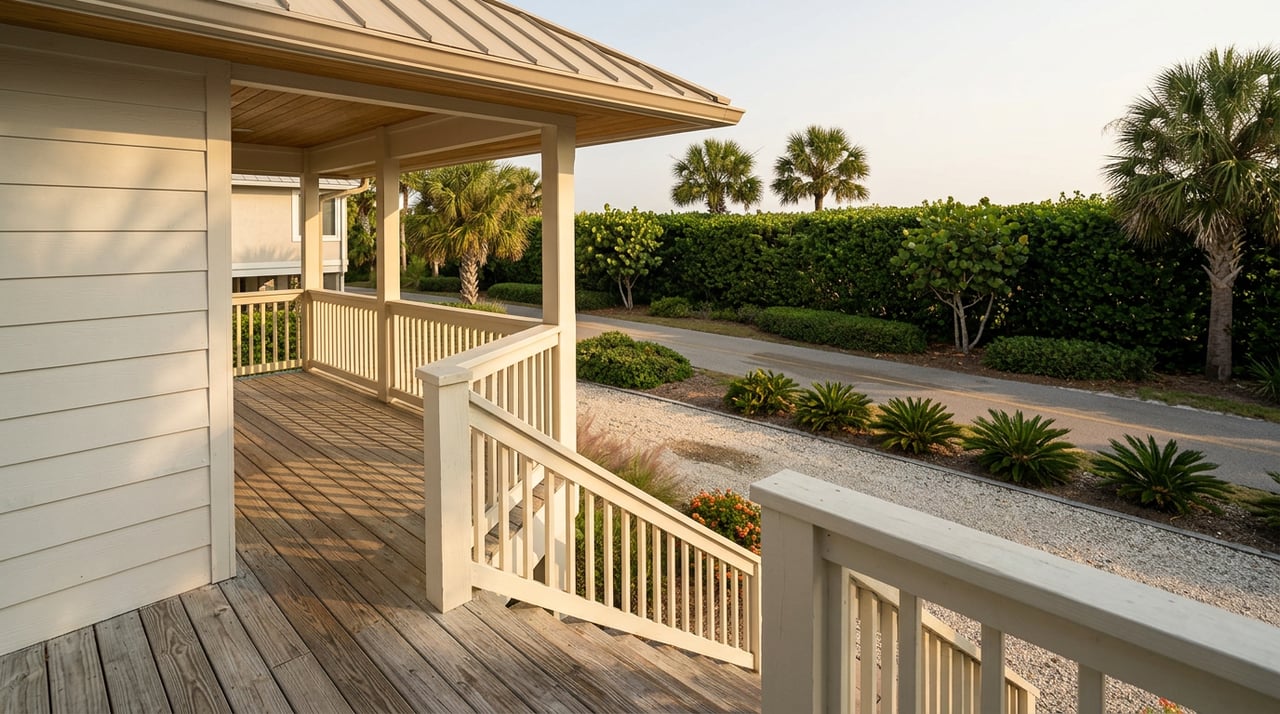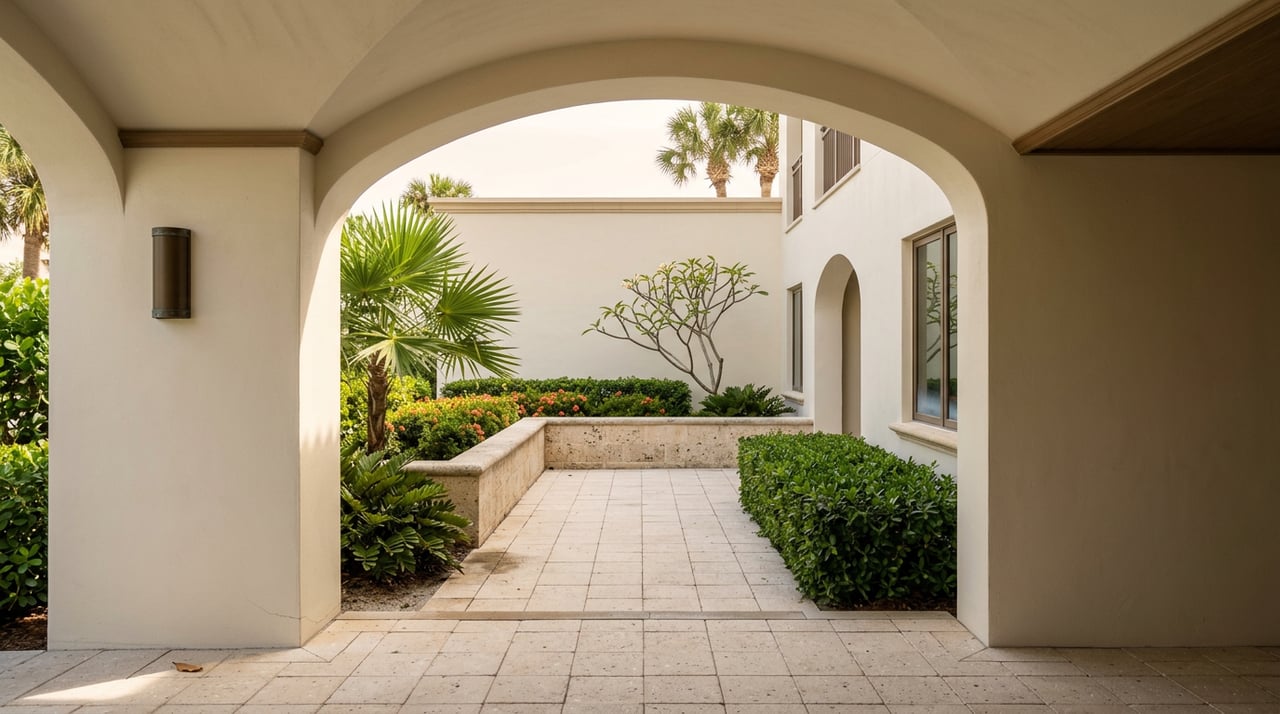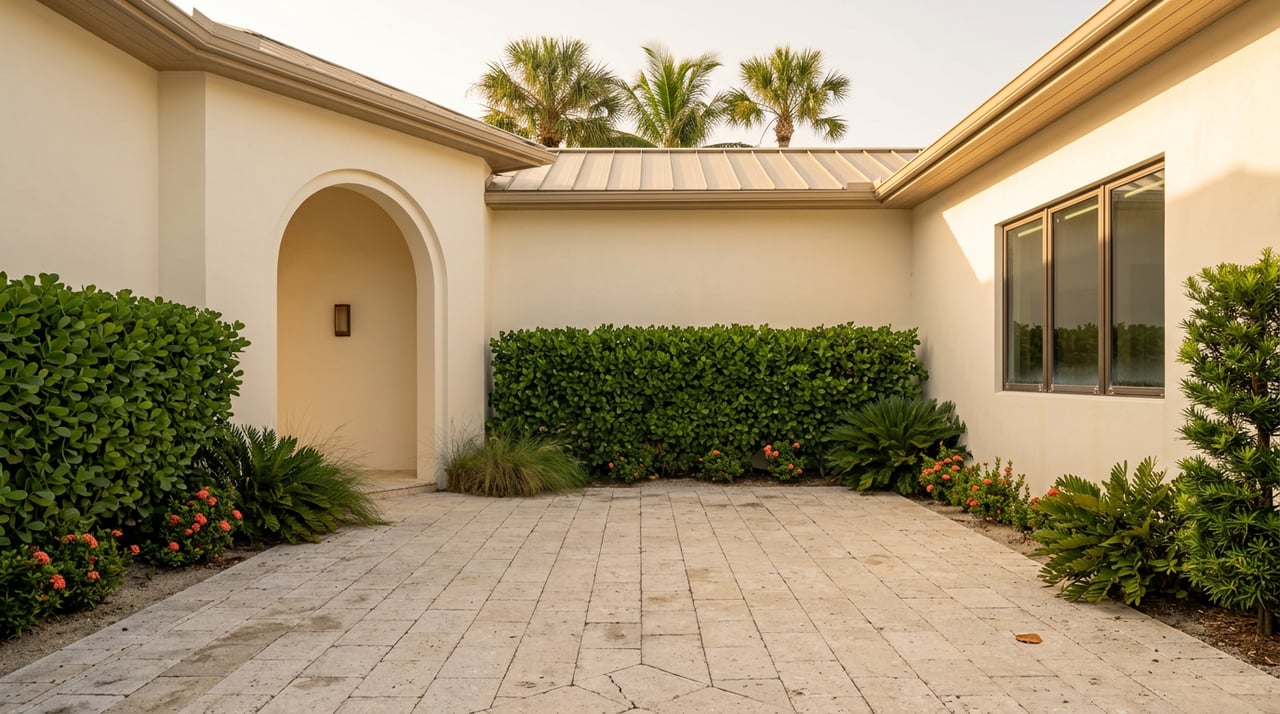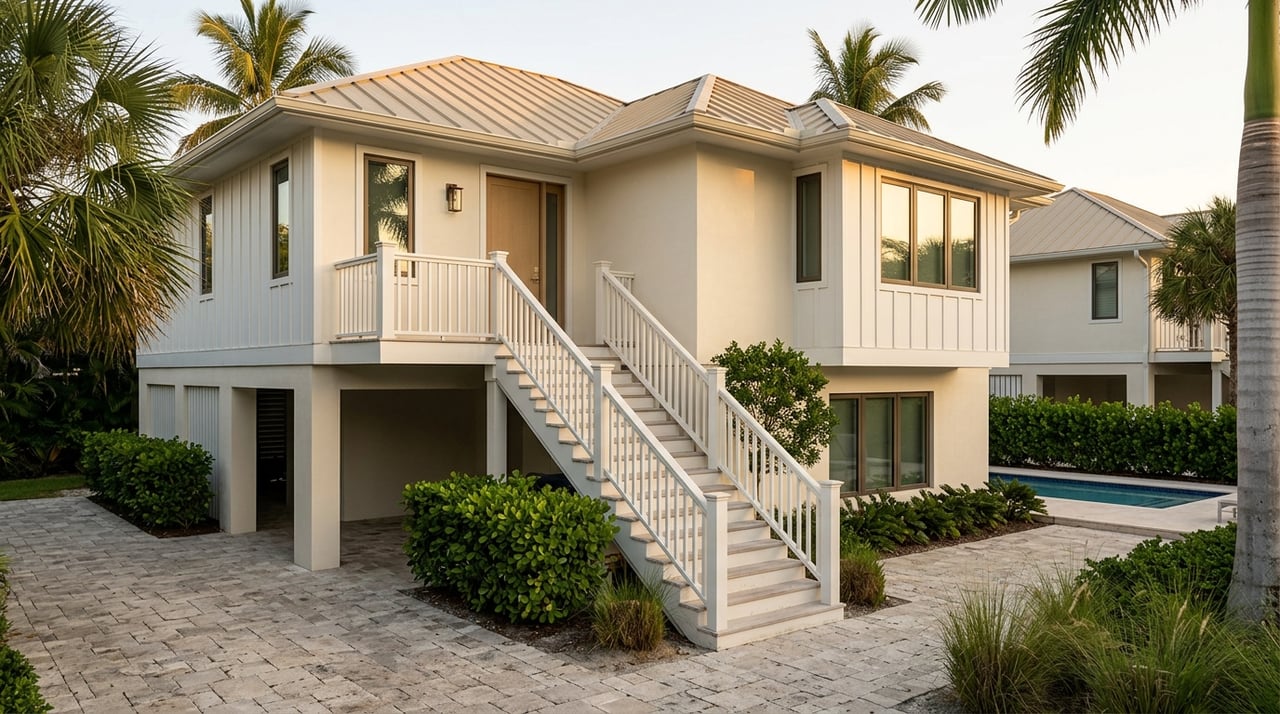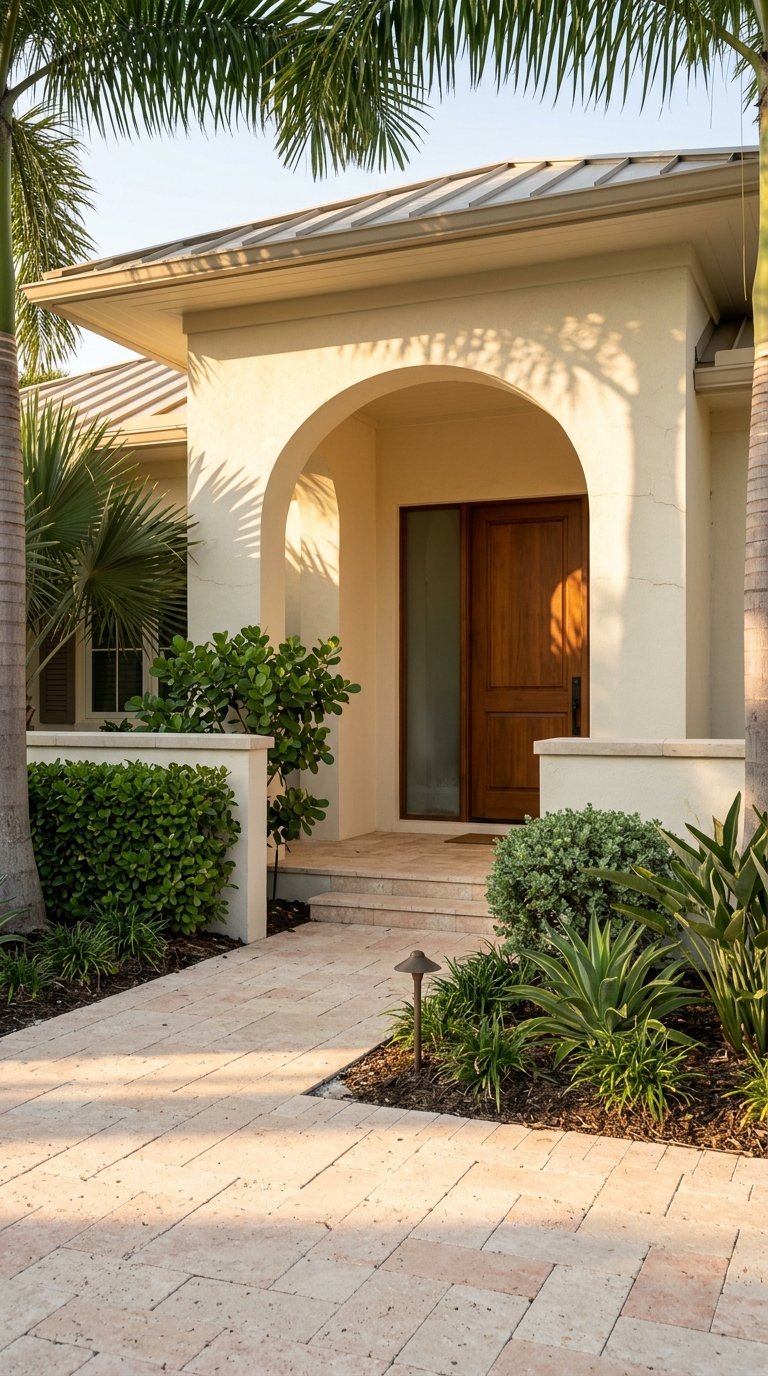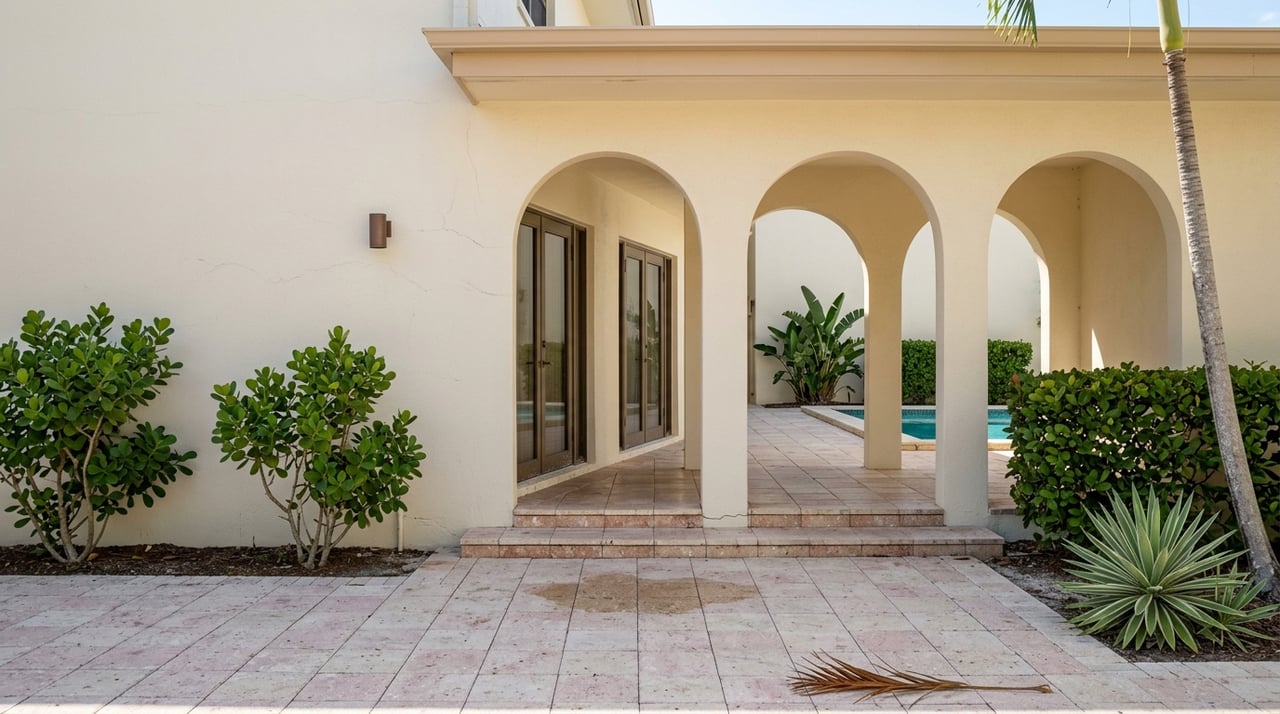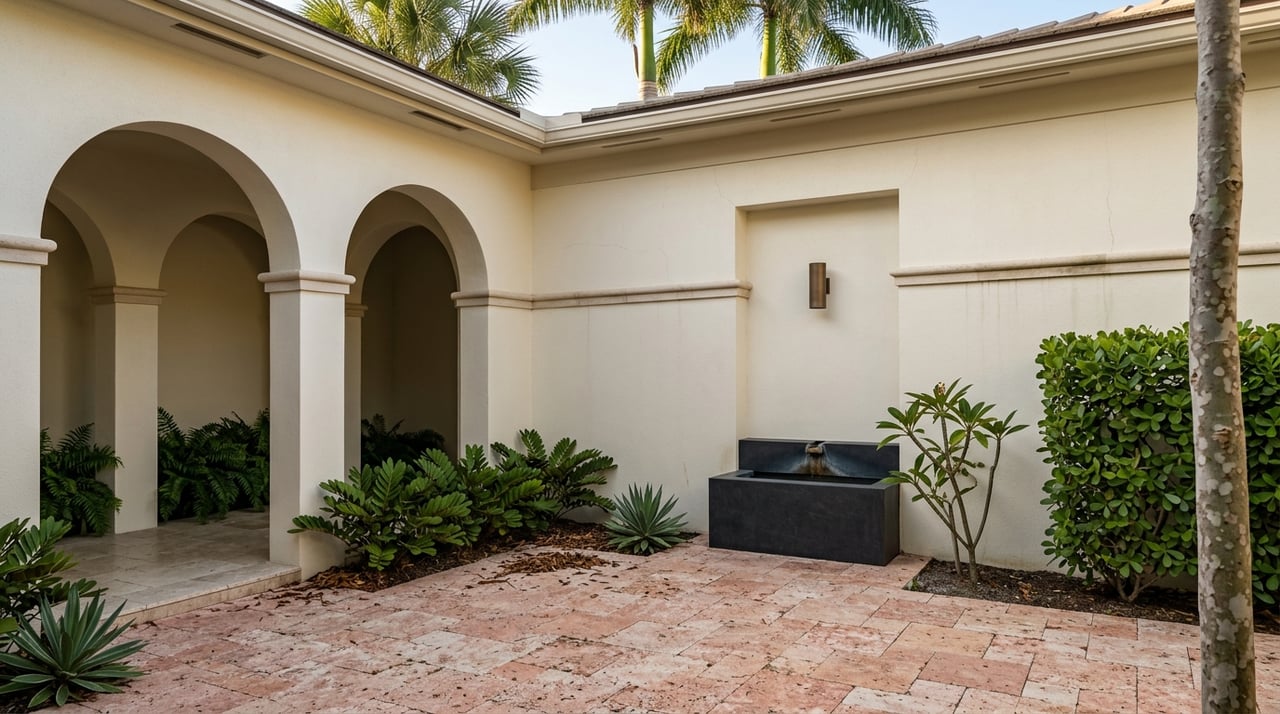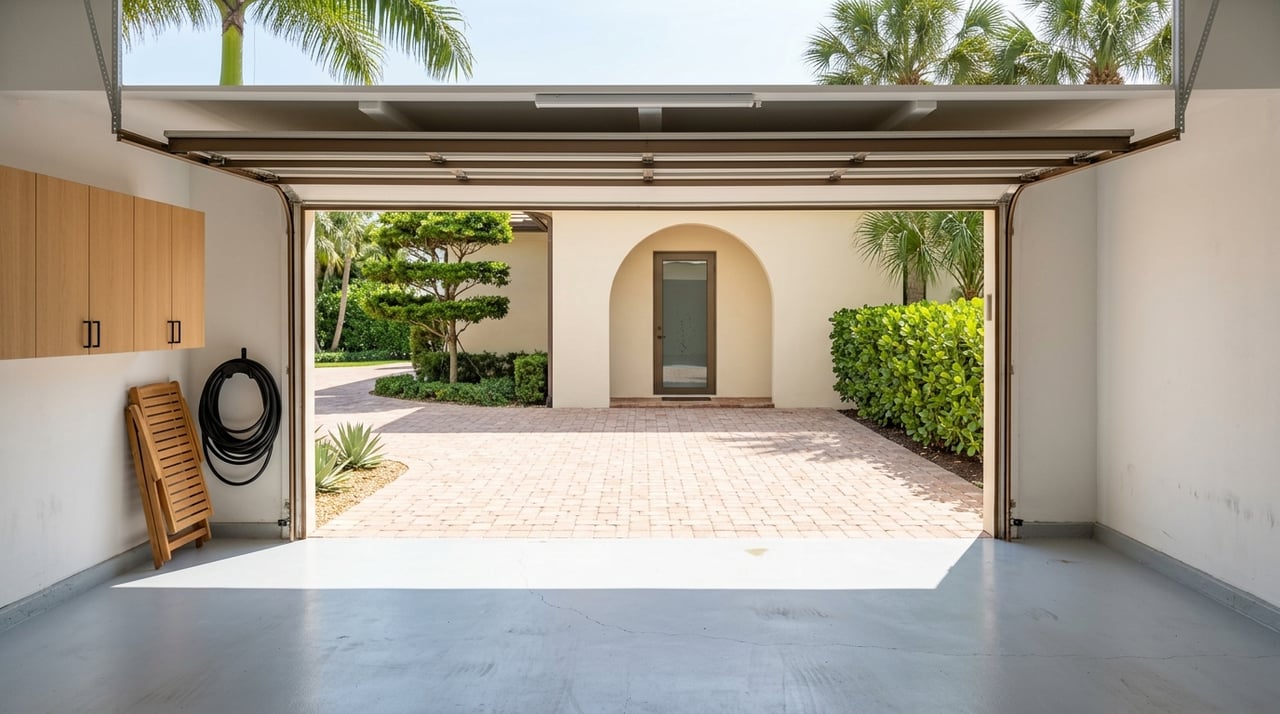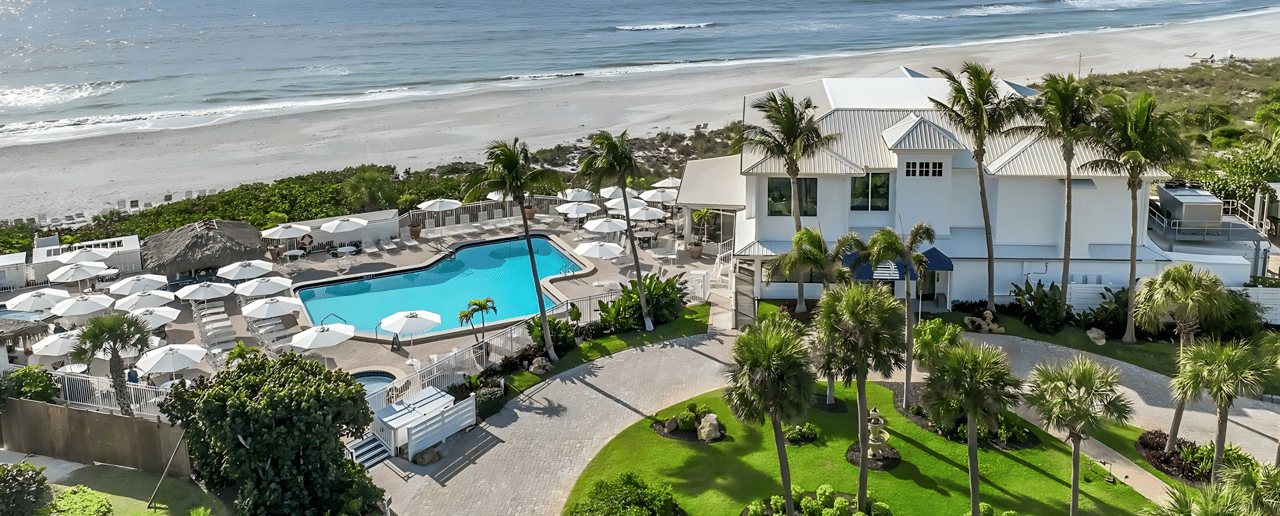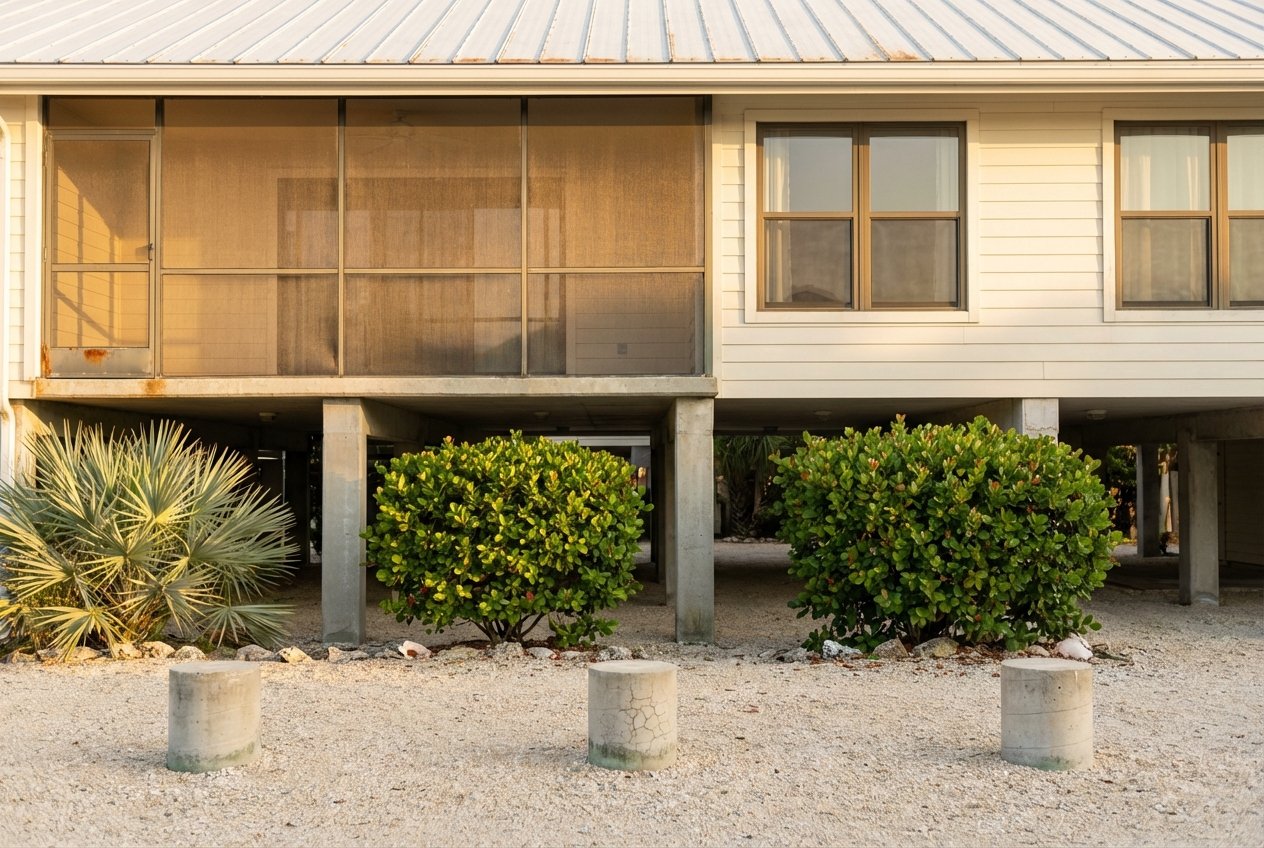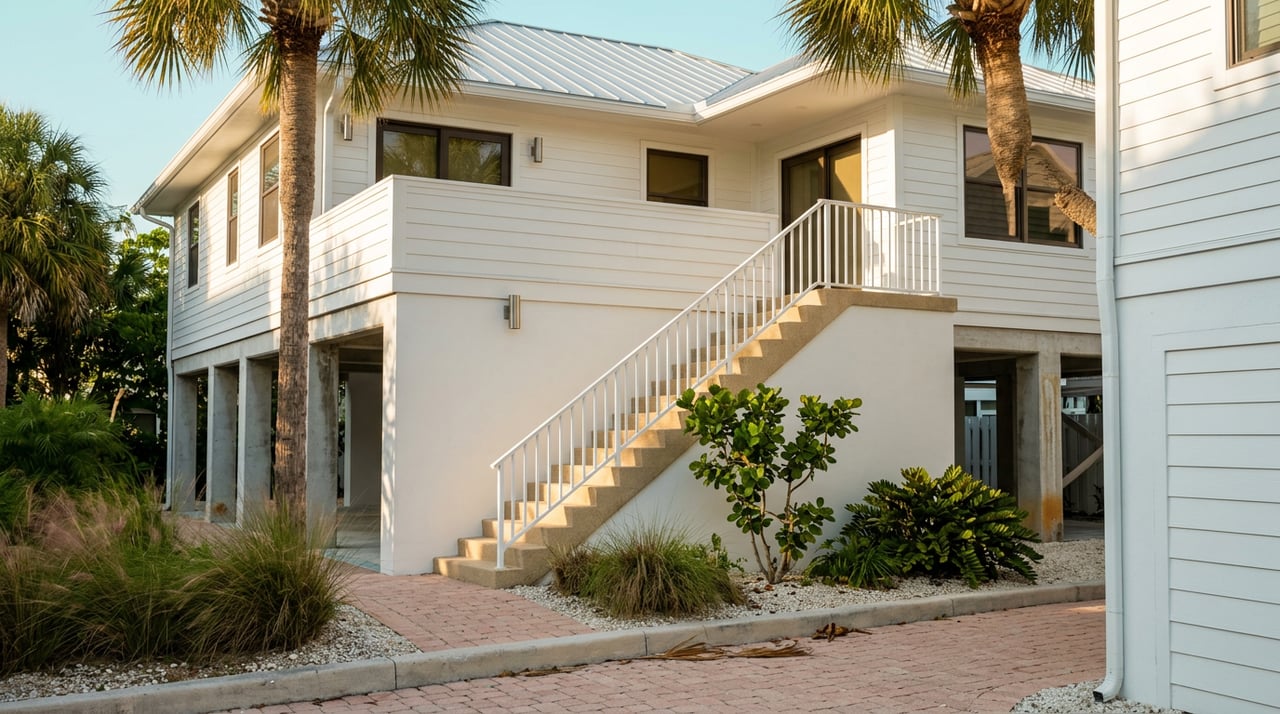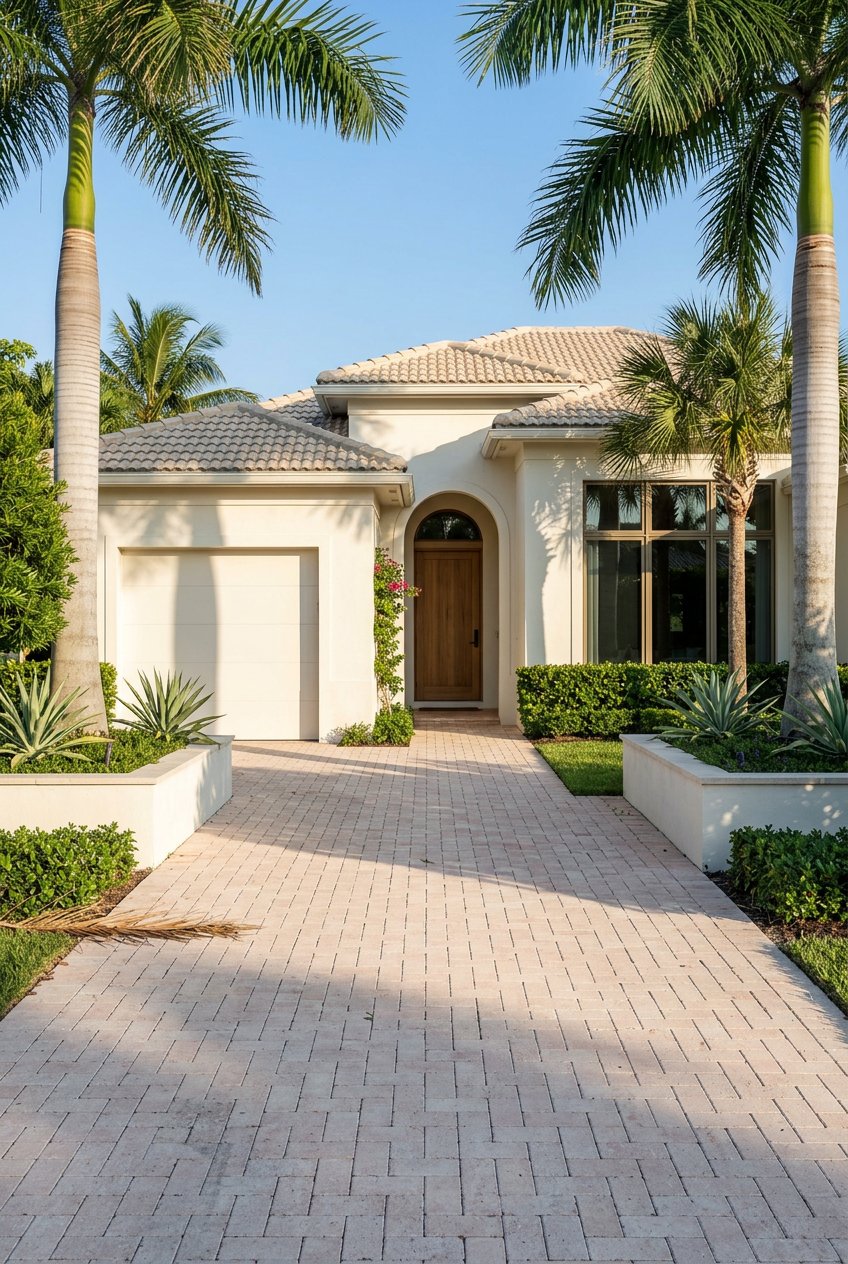
Have you heard the term PUD while touring Boca Bay and wondered what that means for you as a buyer? You are not alone. Understanding the difference between a Planned Unit Development, a condo, and a typical single‑family neighborhood can help you compare dues, rules, and long‑term costs with confidence. In this guide, you will learn what a PUD is, how PUDs work in Florida, what to verify for Boca Bay and other Boca Grande communities, and the exact questions and documents to request before you write an offer. Let’s dive in.
What a PUD is
A Planned Unit Development (PUD) is a community planned as a whole, often with a mix of homes and shared amenities. In many PUDs, you own your lot and the structure fee simple, while an association owns or controls the common areas like roads, pools, landscaping, or docks.
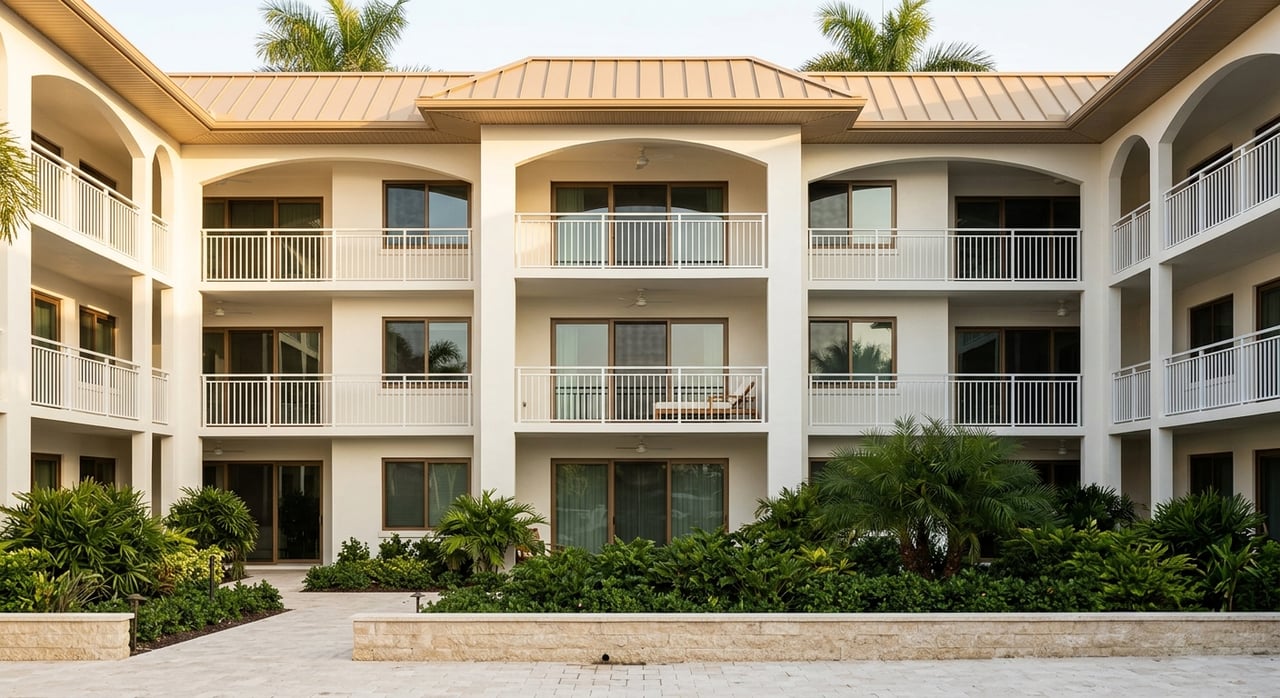
In a condominium, you own a unit’s interior space and share ownership of the building’s common elements as tenants in common. In Florida, condominiums are governed by Chapter 718 of the Florida Statutes, while most homeowners’ associations, which often include PUDs, are governed by Chapter 720. The governance and assessment rules differ, so it is important to confirm the legal form for any community you are considering.
If you want a quick primer on how associations function and fund reserves, the Community Associations Institute offers helpful consumer guidance on governance and best practices. Their resources can give you a plain‑English foundation for reading community documents.
How PUDs work in Florida
Most PUDs operate through an association with a member‑elected board. The board enforces recorded covenants and collects dues to maintain the common property. Associations can levy regular and special assessments and may place liens for nonpayment, subject to Florida statutes and the community’s governing documents.
Key association responsibilities often include:
- Landscaping and irrigation for common areas
- Private roads, streetlights, and entry features
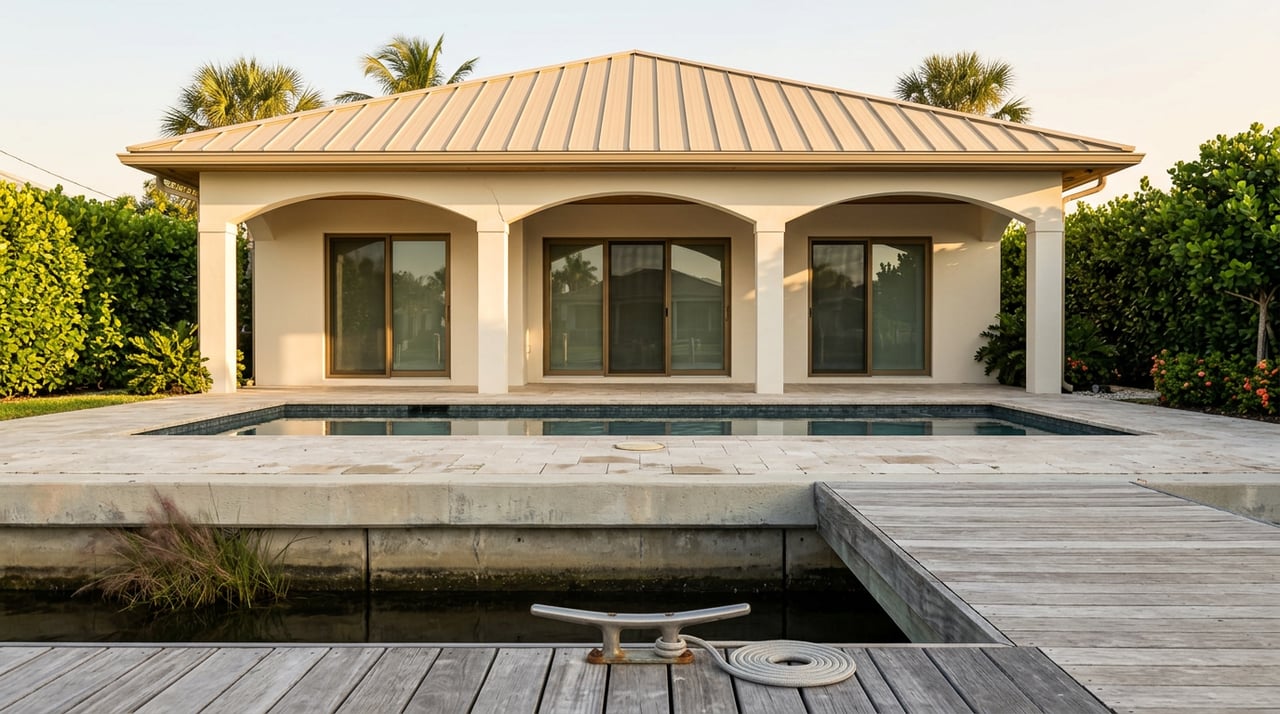
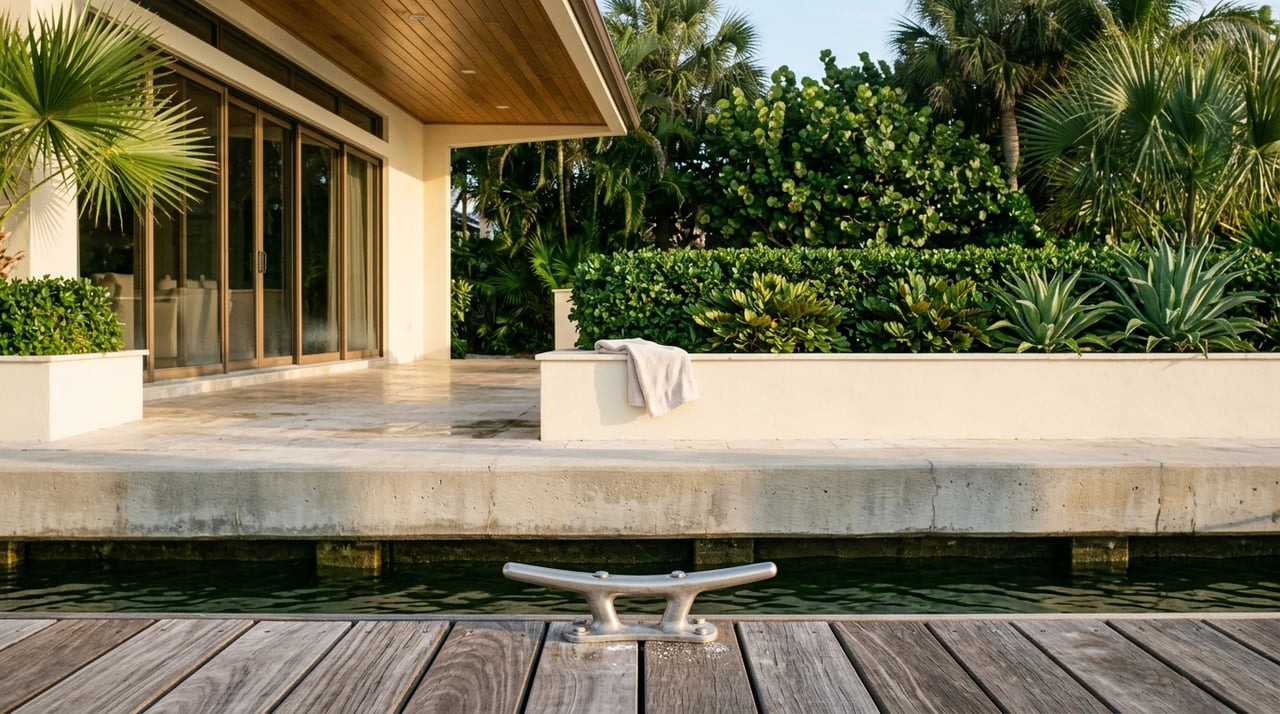
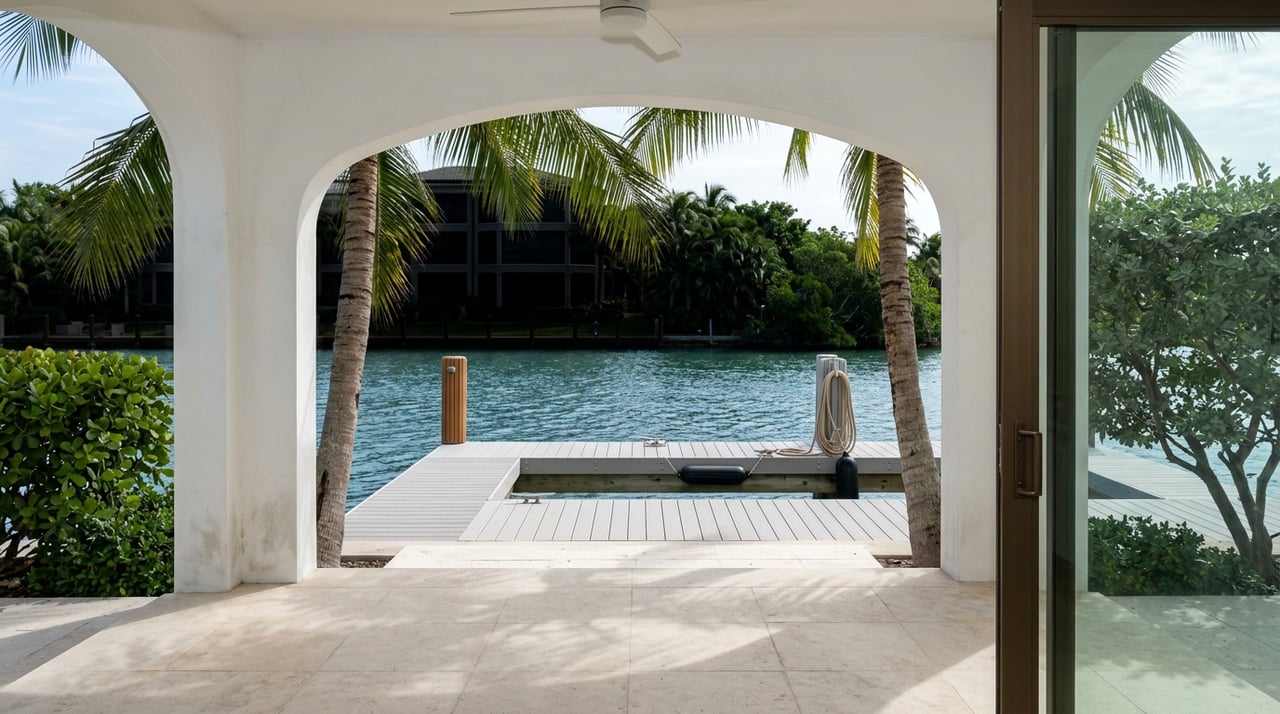
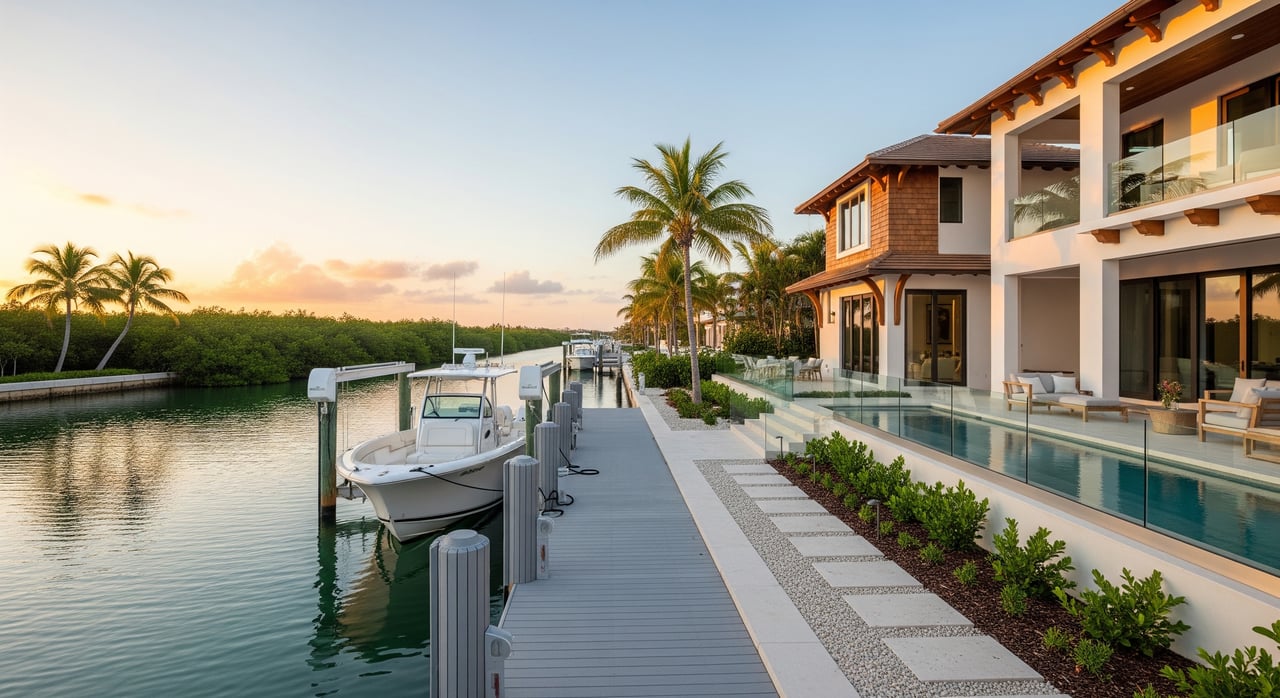
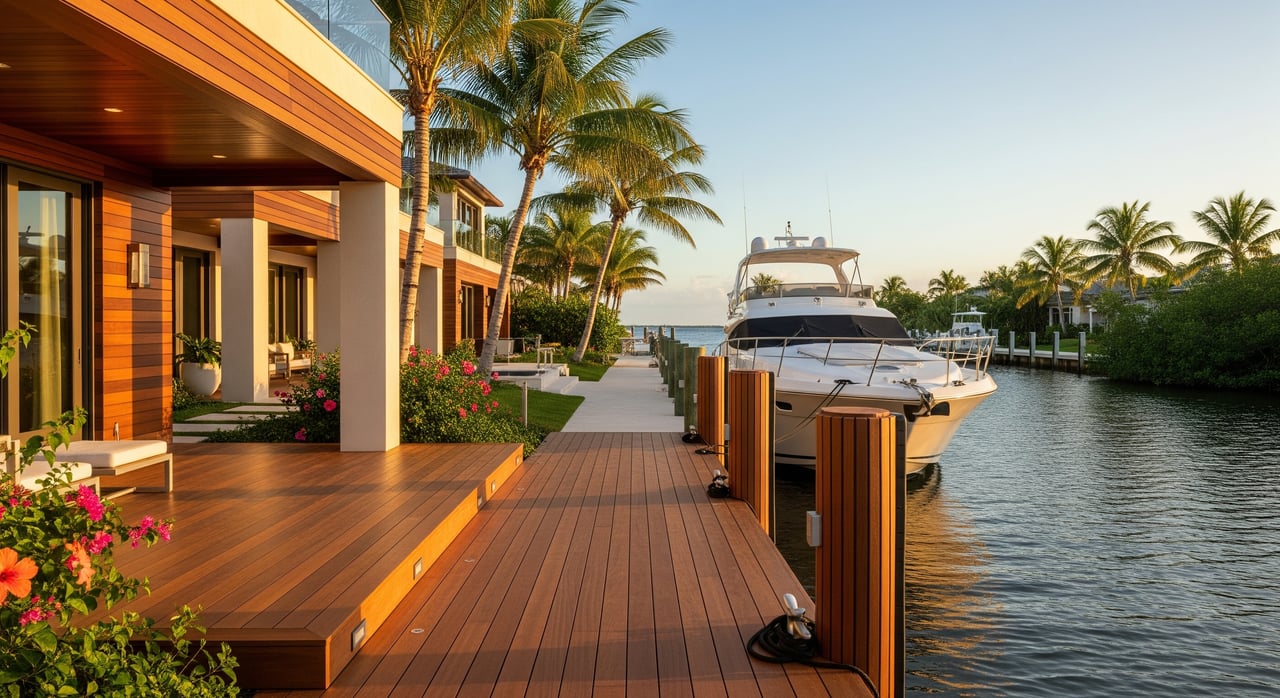
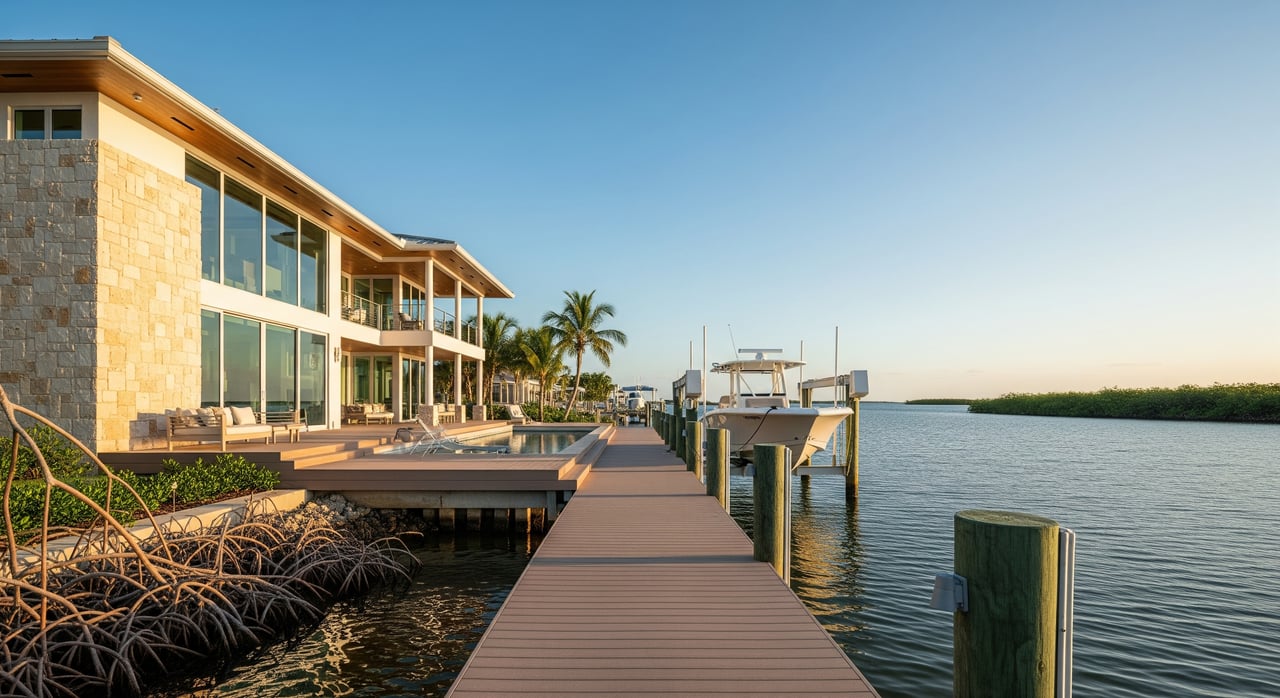
- Clubhouses, pools, docks, and sometimes seawalls
- Stormwater systems and drainage features
- Insurance for common elements and rule enforcement
For statutory context, condominiums follow Florida Statutes Chapter 718. Many PUDs are structured as HOAs that follow Florida Statutes Chapter 720.
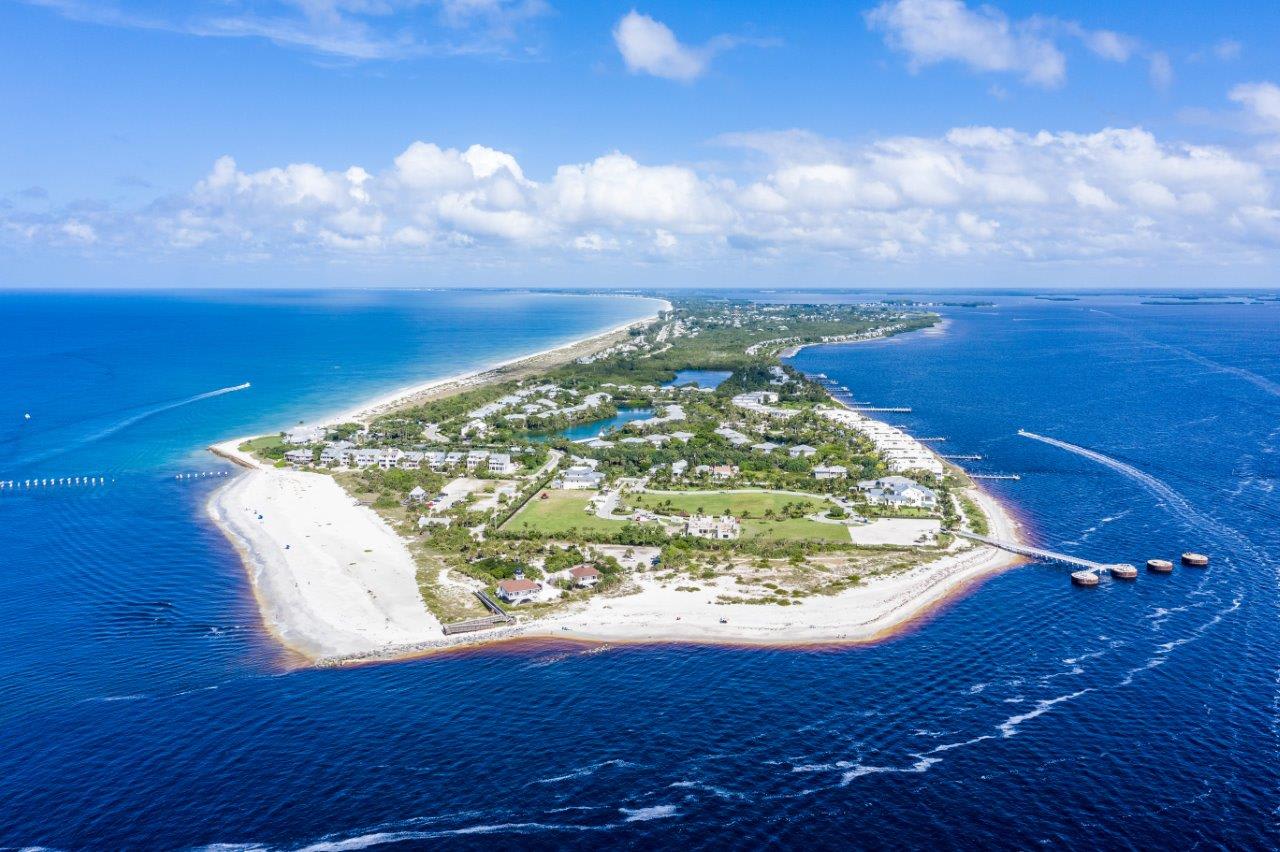
Boca Grande coastal factors
Barrier islands carry unique considerations that can influence dues, insurance, and long‑term upkeep.
- Flood risk and insurance. Check your property’s FEMA flood zone and ask for any elevation certificate. Lenders frequently require flood insurance in Special Flood Hazard Areas. Use the FEMA Flood Map Service Center to verify flood zones.
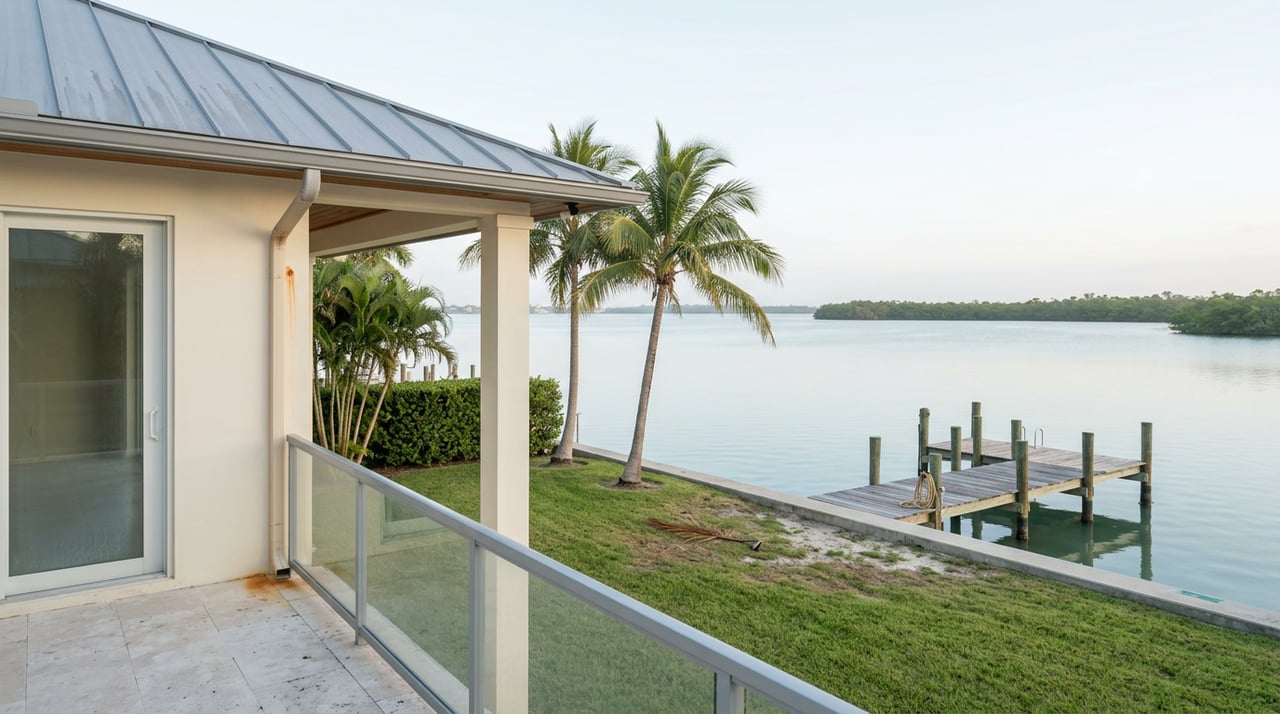
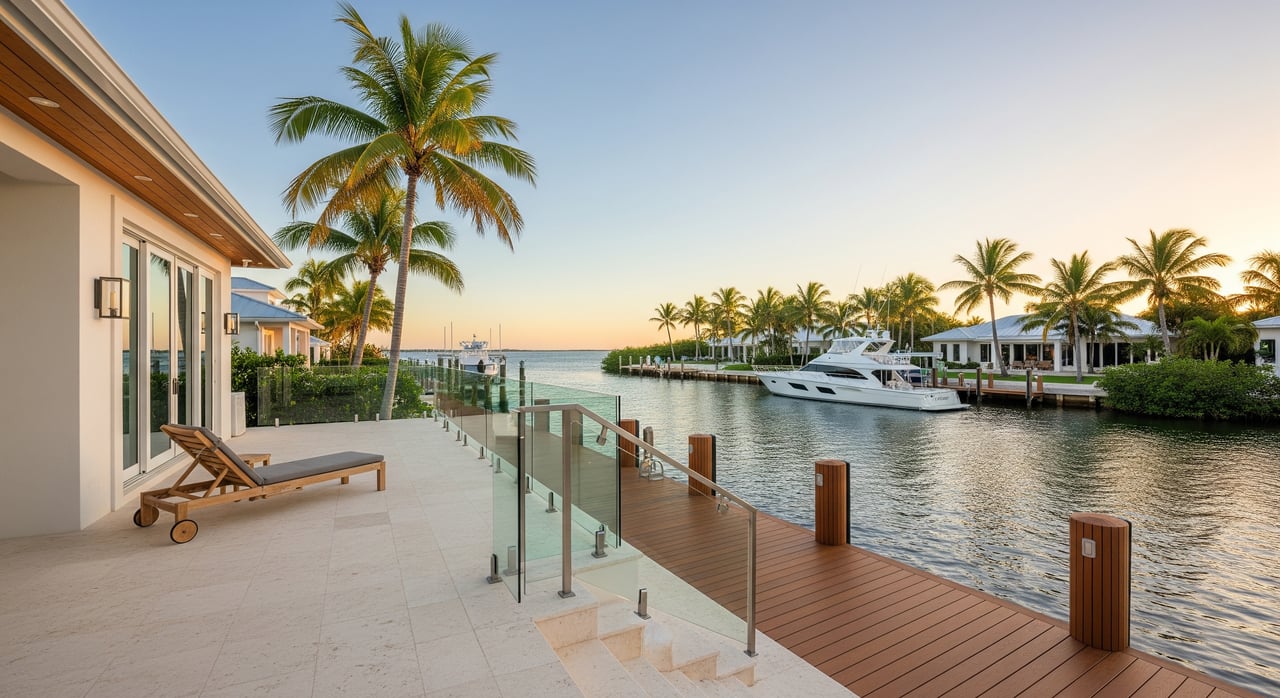
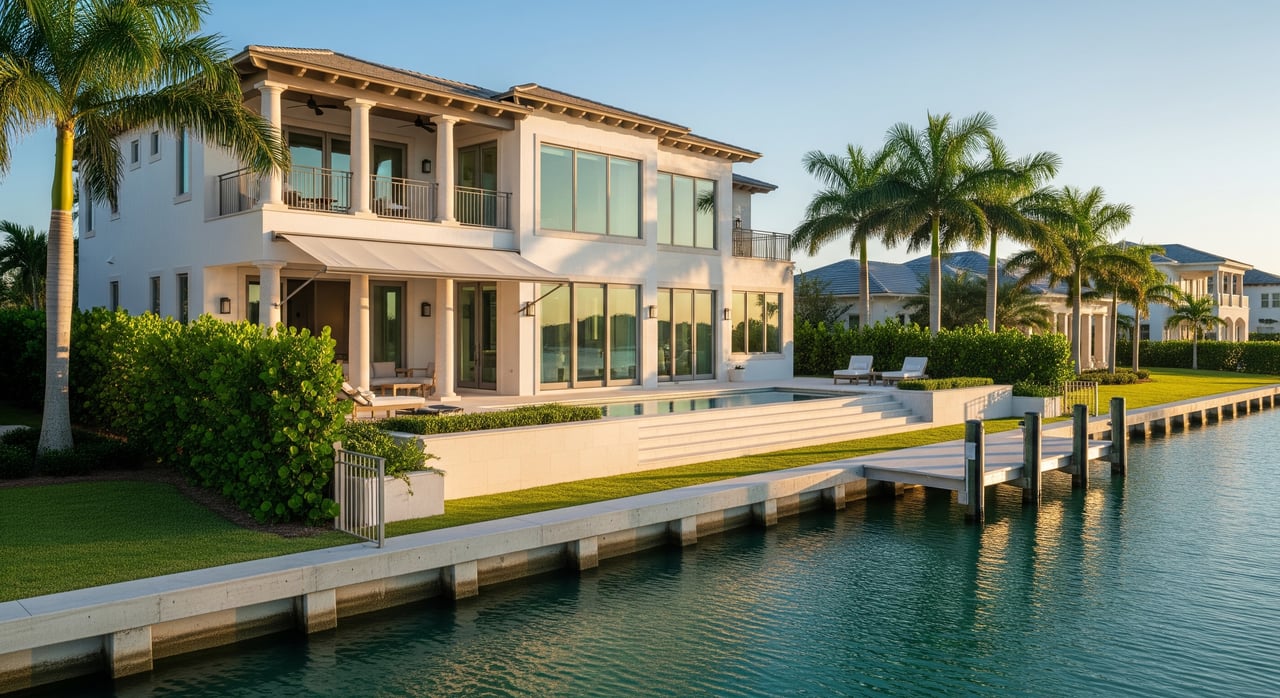
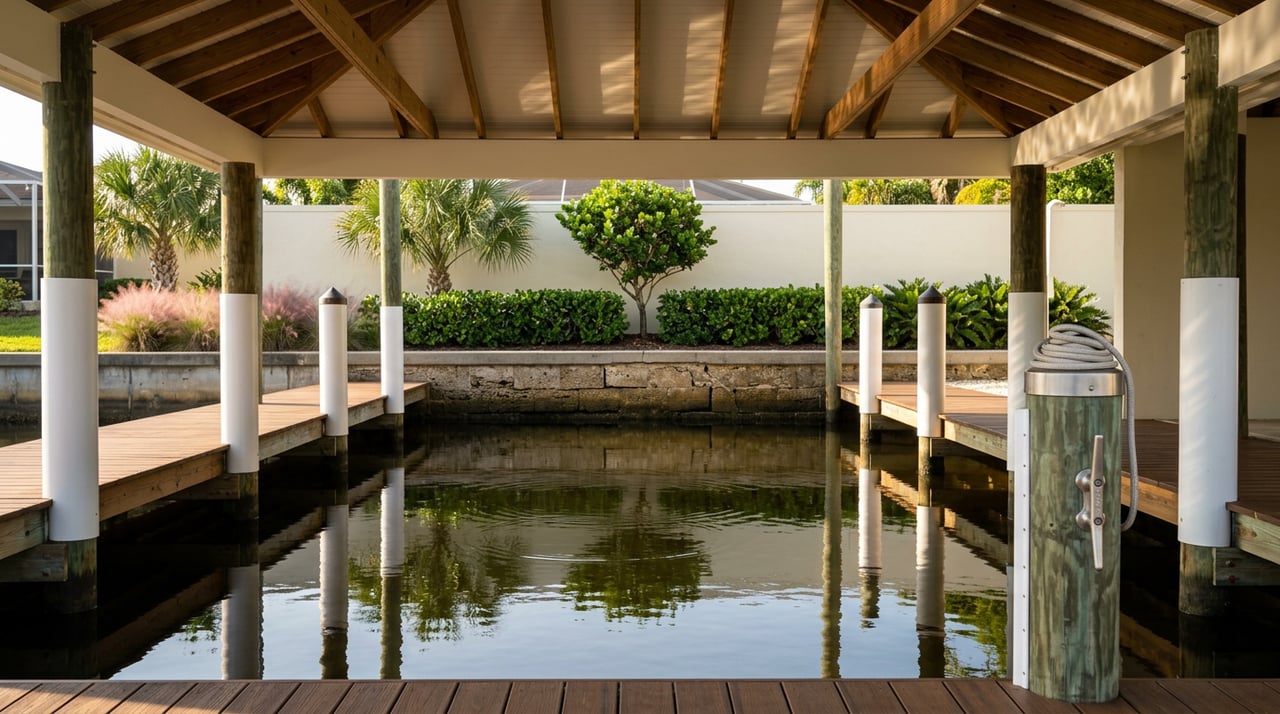
- Docks and seawalls. Waterfront elements often need permits and ongoing upkeep. Permitting and compliance can involve the Florida Department of Environmental Protection and the U.S. Army Corps of Engineers, Jacksonville District. Confirm who owns and maintains these structures and how replacement costs are funded.
- Utilities and access. Some communities maintain private roads, gates, or drainage features. Ownership and maintenance responsibilities affect dues and reserves.
Is Boca Bay a PUD? Verify first
Do not assume a community’s legal form based on marketing or appearance. Boca Bay could be organized as a PUD, a condominium, an HOA, or a mix with a master association and sub‑associations. Verify the recorded documents and the association structure before you make decisions.
Here are practical steps:
- Search the Lee County Property Appraiser by address or subdivision name to see parcel details and associated subdivision or association names.
- Review recorded covenants, plats, and amendments in the Lee County Clerk of Court Official Records to confirm the declaration type and any master association.
- Contact the listing agent or community manager to request the full documents packet.
- If you need zoning or permit history, consult Lee County Community Development for PUD zoning approvals or permits.
Key documents to request
Ask for these items and review how they allocate rights, costs, and responsibilities:
- Declaration of Covenants or Condominium Declaration. Use and rental rules, architectural controls, parking, pets, and whether docks or seawalls are common or deeded.
- Bylaws and Articles. Board powers, voting structure, and meeting rules.
- Recorded plat and any surveys. Lot boundaries, road ownership, easements, docks or slips, and access points.
- Current budget and financials. Monthly or quarterly dues, what they cover, any deficit, and reserve contributions.
- Reserve study and reserve policy. Condition and remaining life of capital items like seawalls, roads, and roofs.
- Insurance summary. What the association insures and what you must insure, including wind and flood. Note deductibles and sublimits for marine structures.
- Recent meeting minutes and board resolutions. Assessments, litigation, and planned projects.
- Special assessment notices. Past or pending assessments for coastal infrastructure or storm repairs.
Questions to ask at Boca Bay
When you tour or request documents, use this checklist:
- What is the community’s legal form? Is there a master association plus sub‑associations?
- What are current dues, what do they cover, and when were they last increased?
- Are any special assessments planned or under discussion? For what projects and on what timeline?
- What is the reserve balance and date of the last reserve study?
- Who insures the common elements? What insurance am I required to carry for my home and contents?
- How are docks and seawalls owned and maintained? Are permits up to date and are repairs pending?
- What are the rental rules, lease terms, and any transfer or lease fees?
- Is there any active litigation or unresolved code enforcement?
Financing and insurance
Most lenders finance PUD homes when the association is well managed and documents are available. Underwriting can look at owner‑occupancy levels, insurance coverage, reserves, and litigation. Condo loan rules can differ, so confirm with a lender experienced in Florida coastal properties.
Plan for these cost items:
- Association dues. Coastal communities can have higher dues if docks, seawalls, or security are included.
- Special assessments. Seawall work, dredging, or storm repairs are common capital projects on islands.
- Insurance. You may need flood insurance if the home is in a FEMA Special Flood Hazard Area. Check FEMA maps and any elevation certificate. Confirm whether the association carries a master wind or property policy and whether you need a dwelling or HO‑6 policy for your structure and contents. For state insurance context and consumer guidance, visit the Florida Office of Insurance Regulation.
Red flags to watch
- Low or no reserves paired with frequent special assessments
- Unclear ownership of seawalls or docks, or deferred coastal maintenance
- Significant litigation involving the association
- Lapsed permits or unresolved code issues for marine or shore work
- Ongoing developer control without a clear turnover plan
Next steps
If Boca Bay is on your shortlist, your next move is simple. Verify the recorded legal form, review the full document set, and compare dues, reserves, and insurance obligations to your goals for use and ownership. A clear understanding now will help you buy with confidence and enjoy the island lifestyle without surprises.
If you would like a discreet, local perspective on Boca Bay and nearby Boca Grande communities, reach out to Jeff Moore. You will get a calm, data‑driven walkthrough of the documents, a tailored question list for showings, and introductions to lenders, insurers, and coastal contractors who understand Gasparilla Island.
FAQs
What is a PUD and how is it different from a condo?
- A PUD typically gives you fee‑simple ownership of your lot and home plus membership in an association that maintains shared areas, while a condo gives you ownership of a unit’s interior space with shared ownership of building elements under Chapter 718.
How do PUD dues compare with condo fees in Florida?
- PUD dues often fund roads, landscaping, amenities, and sometimes docks or seawalls; condo fees typically cover building maintenance and master insurance for shared structures. Always compare each community’s budget and declaration.
Who owns docks and seawalls in Boca Grande communities?
- Ownership can be common to the association, assigned to specific lots or units, or mixed. The recorded plat and covenants will state ownership and maintenance responsibilities.
Are PUD homes harder to finance on Gasparilla Island?
- Not inherently. Lenders review association financials, insurance, reserves, occupancy, and litigation. Work with a lender experienced in Florida coastal communities for accurate underwriting.
How do I confirm whether Boca Bay is a PUD or a condo?
- Search the Lee County Property Appraiser and Clerk of Court Official Records for the recorded declaration and plat, then request the full document packet from the association or listing agent to verify structure and responsibilities.