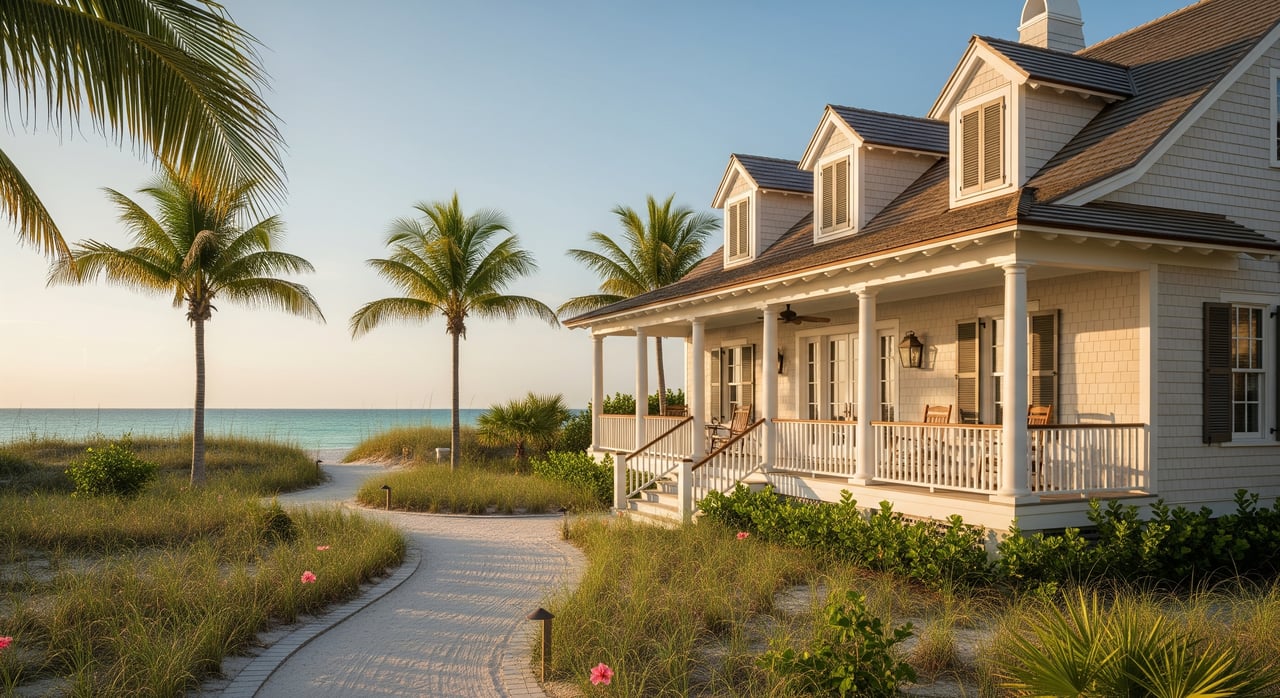
If you have ever stood outside a classic Boca Grande cottage at dusk and felt the breeze move through a wide front porch, you know how architecture shapes life on the island. Choosing or updating a home here is not just about looks. It is about materials that stand up to salt and sun, layouts that welcome guests, and details that help with insurance and long-term value. In this guide, you will learn the key styles that define Gasparilla Island, how each adapts to Gulf conditions, and what those choices mean for maintenance, comfort, and resale. Let’s dive in.
Island setting shapes design
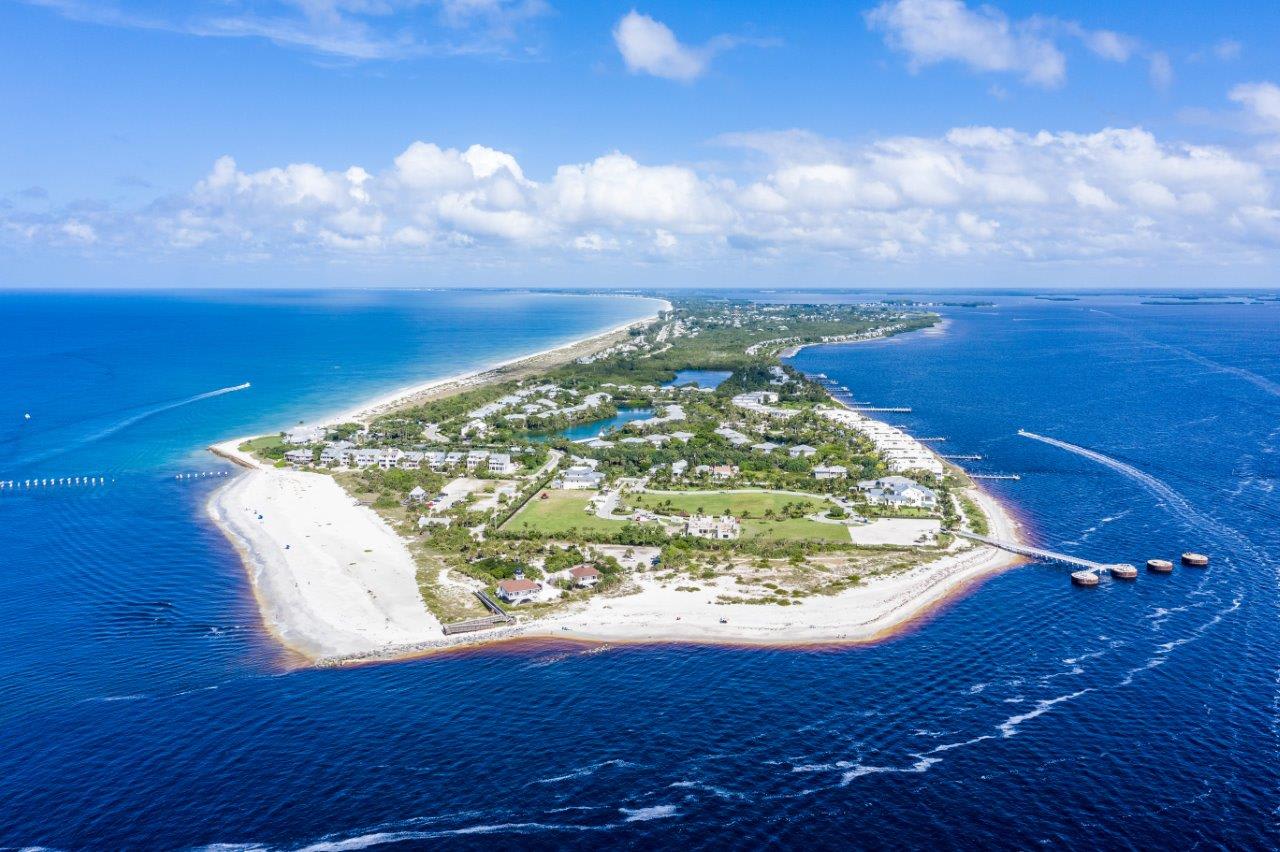
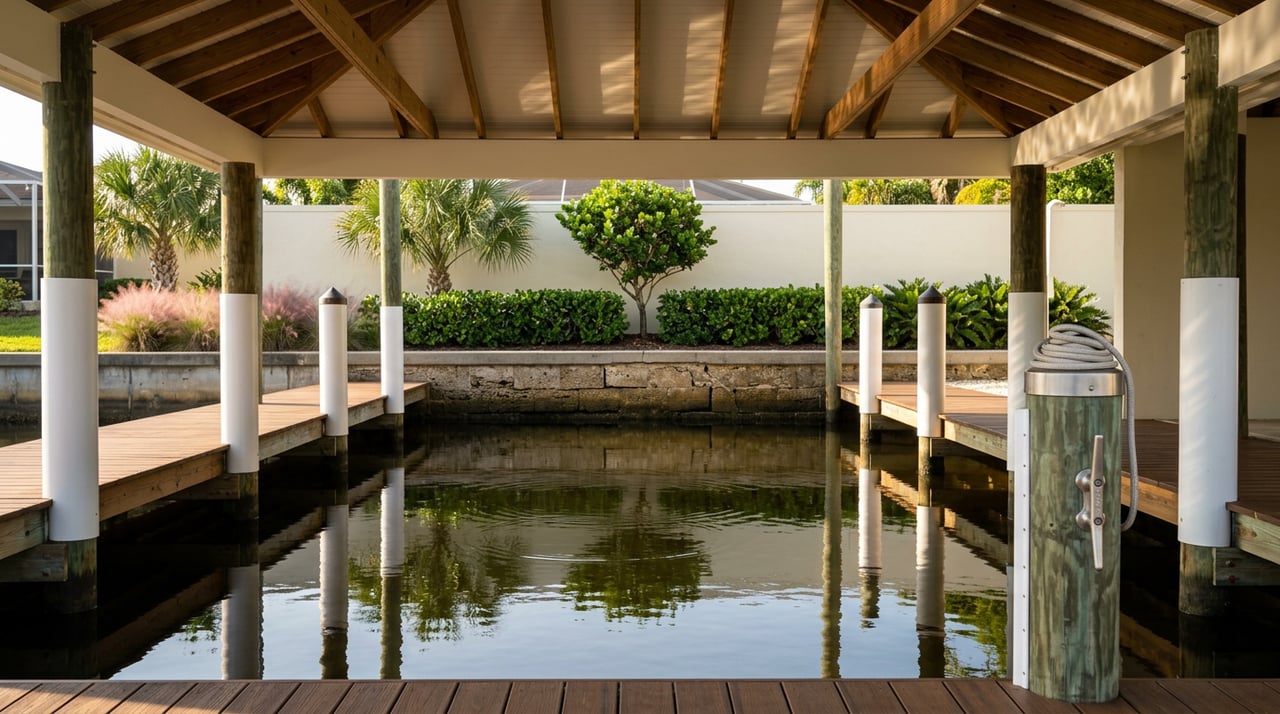
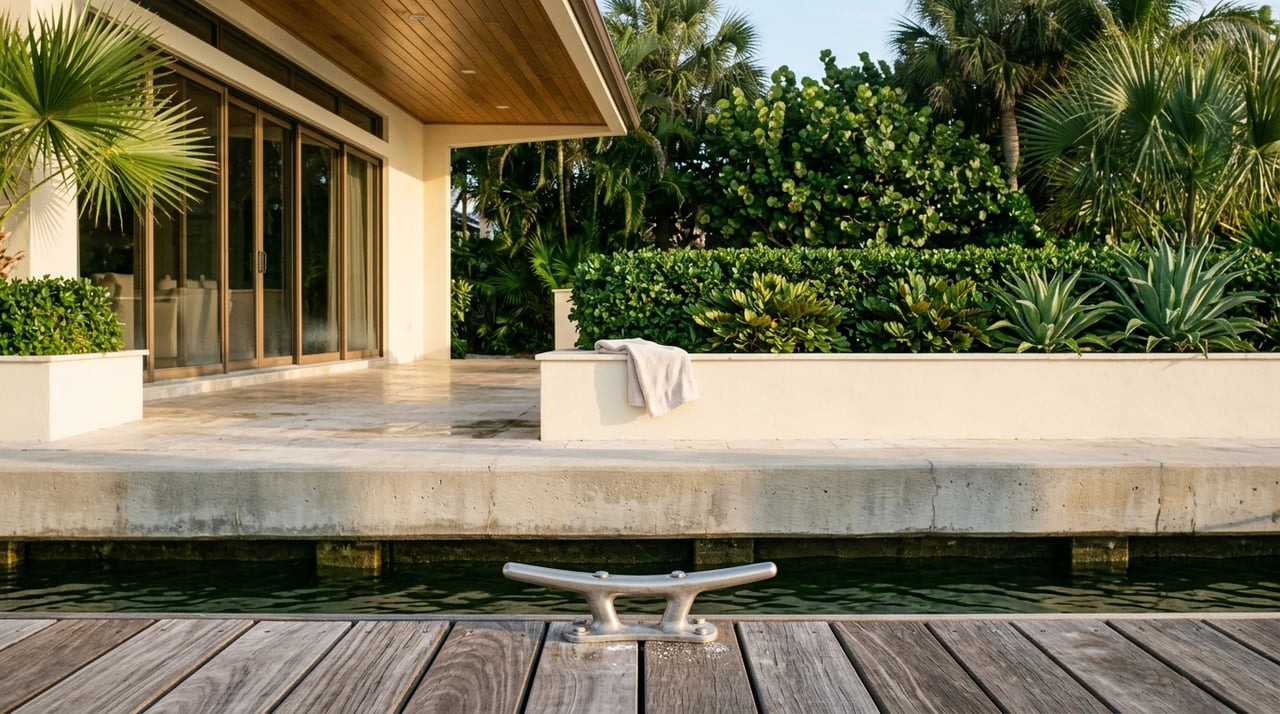
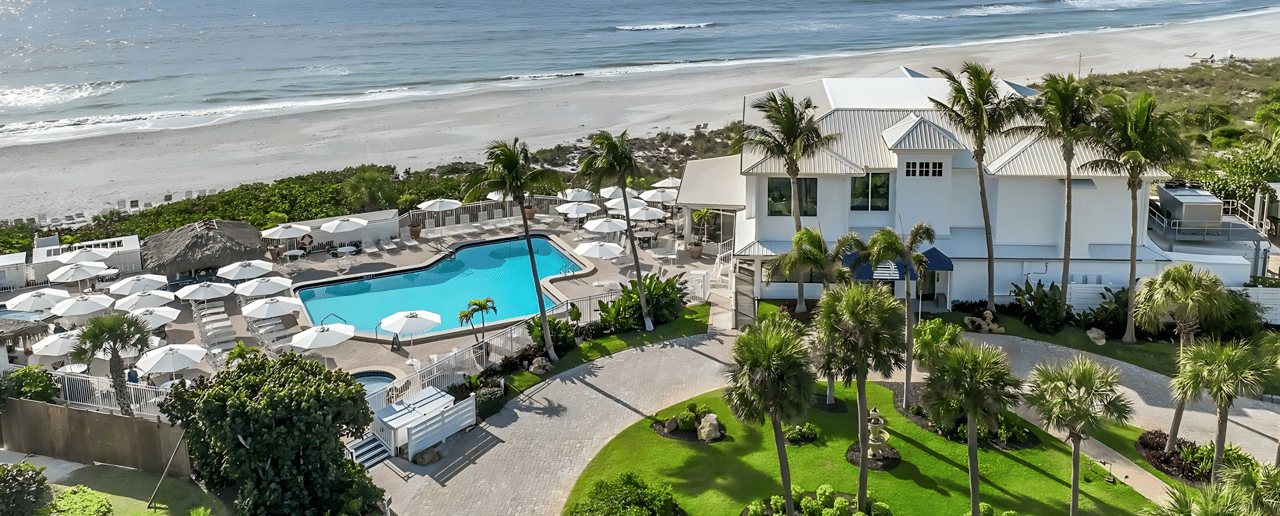
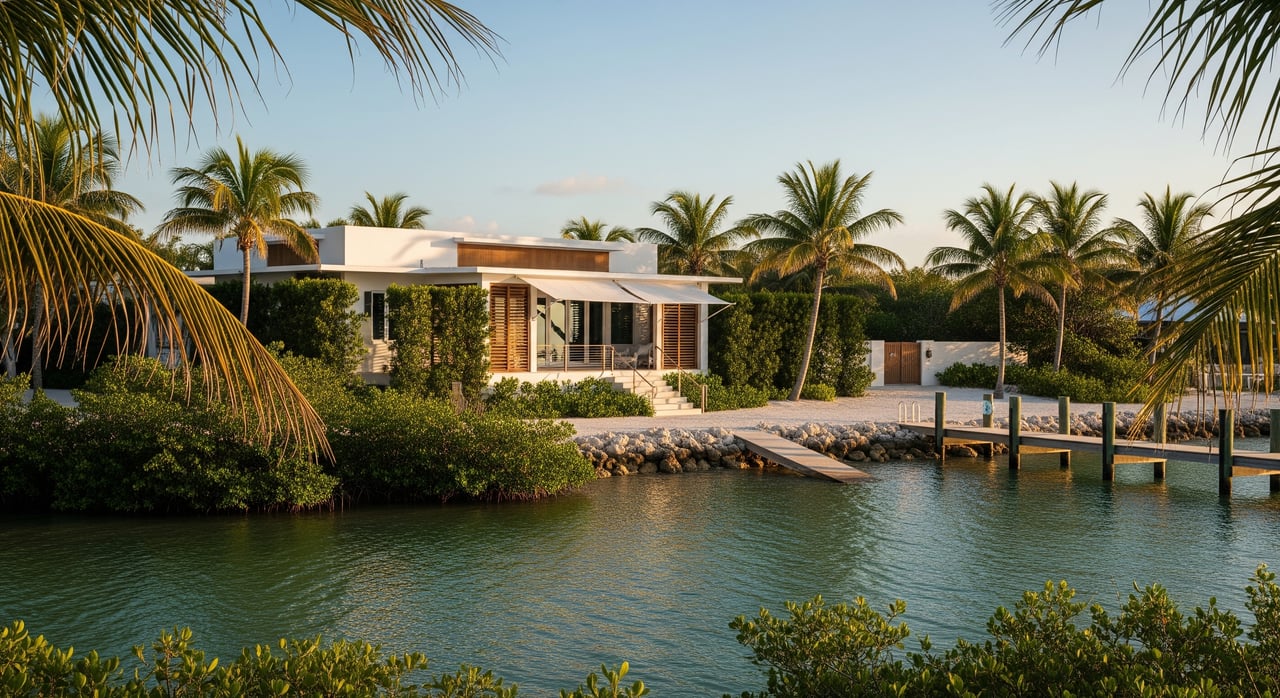
Boca Grande’s architectural character grew up around its early resort era, with landmarks like The Gasparilla Inn & Club influencing porches, rooflines, and landscaping that still guide design choices today. The island’s low-lying, coastal setting brings specific considerations: flood zones, wind exposure, and salt air. Local projects typically account for elevation requirements, impact-rated openings, and durable finishes suited to humidity and hurricanes. These practical needs blend with a cherished visual language of porches, shade, and scaled forms that feel right at home on Gasparilla Island.
Old Florida cottage
Defining features
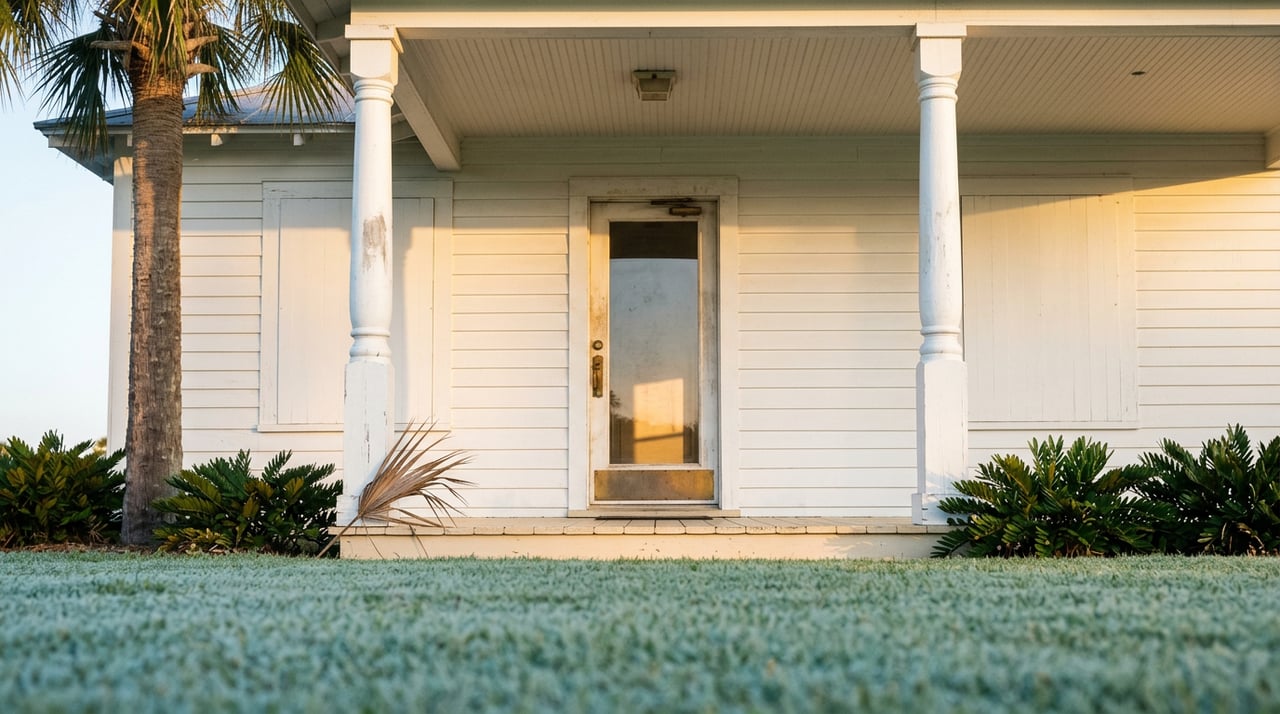
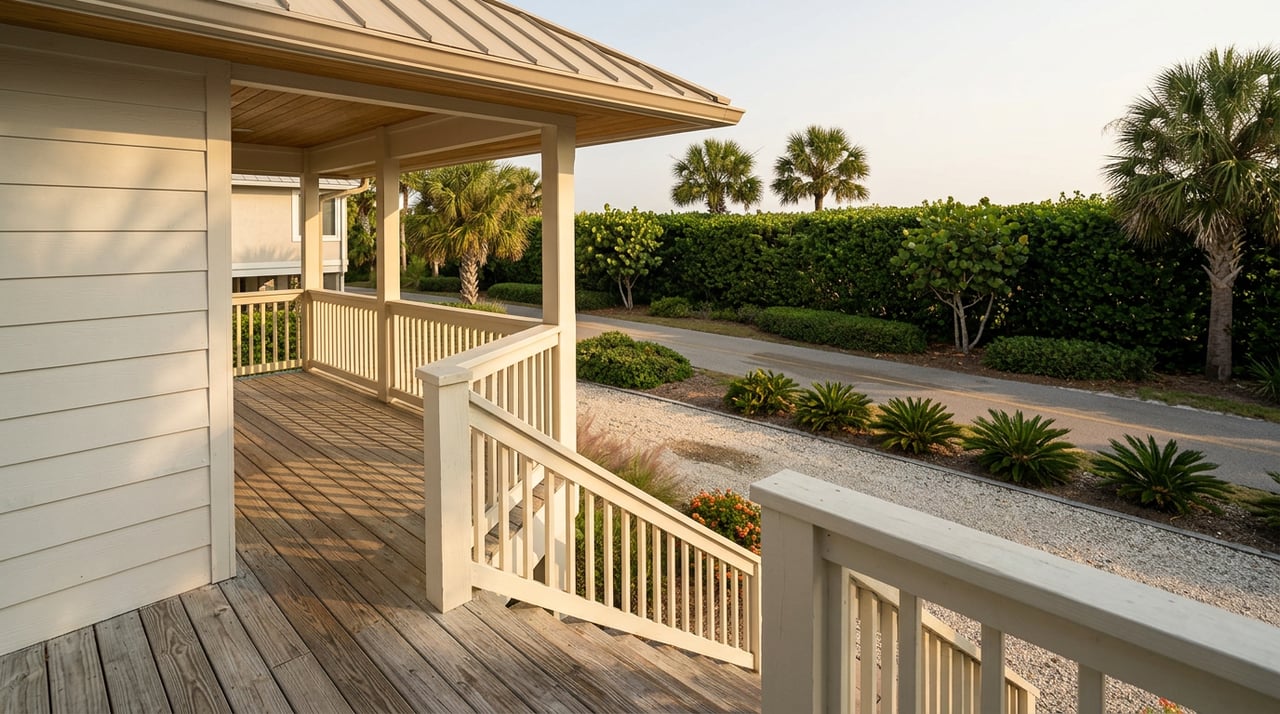
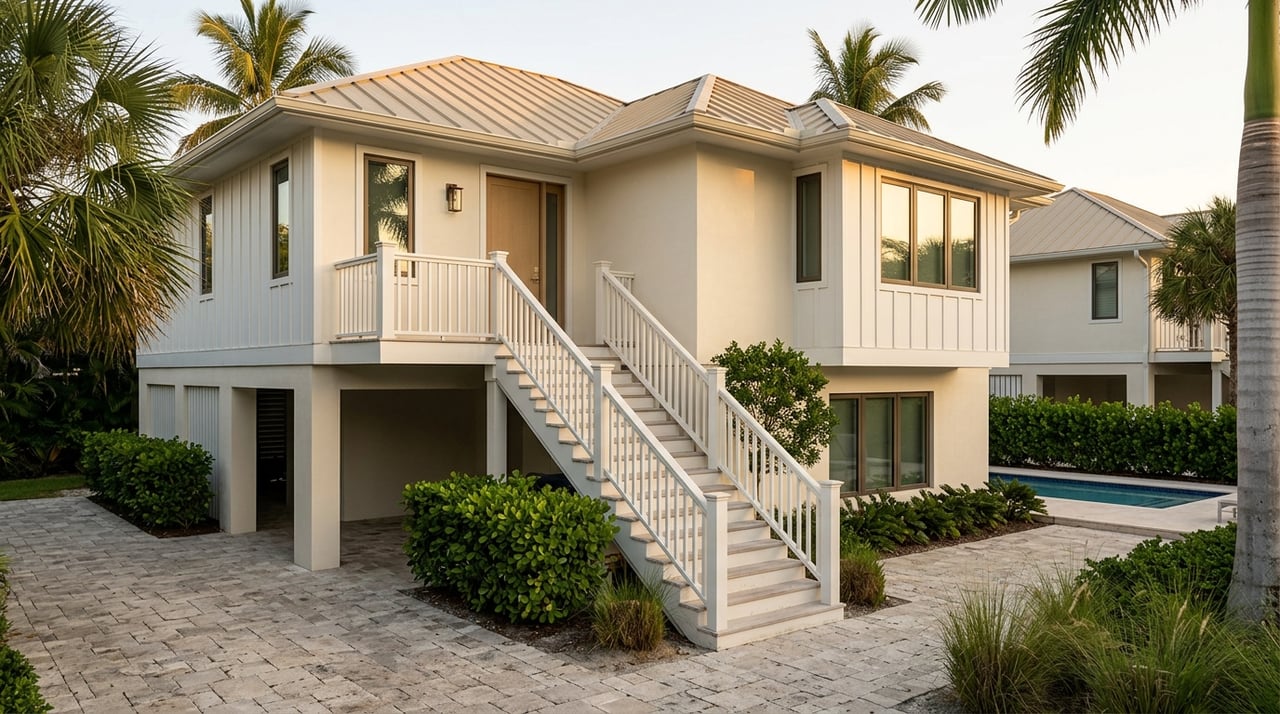
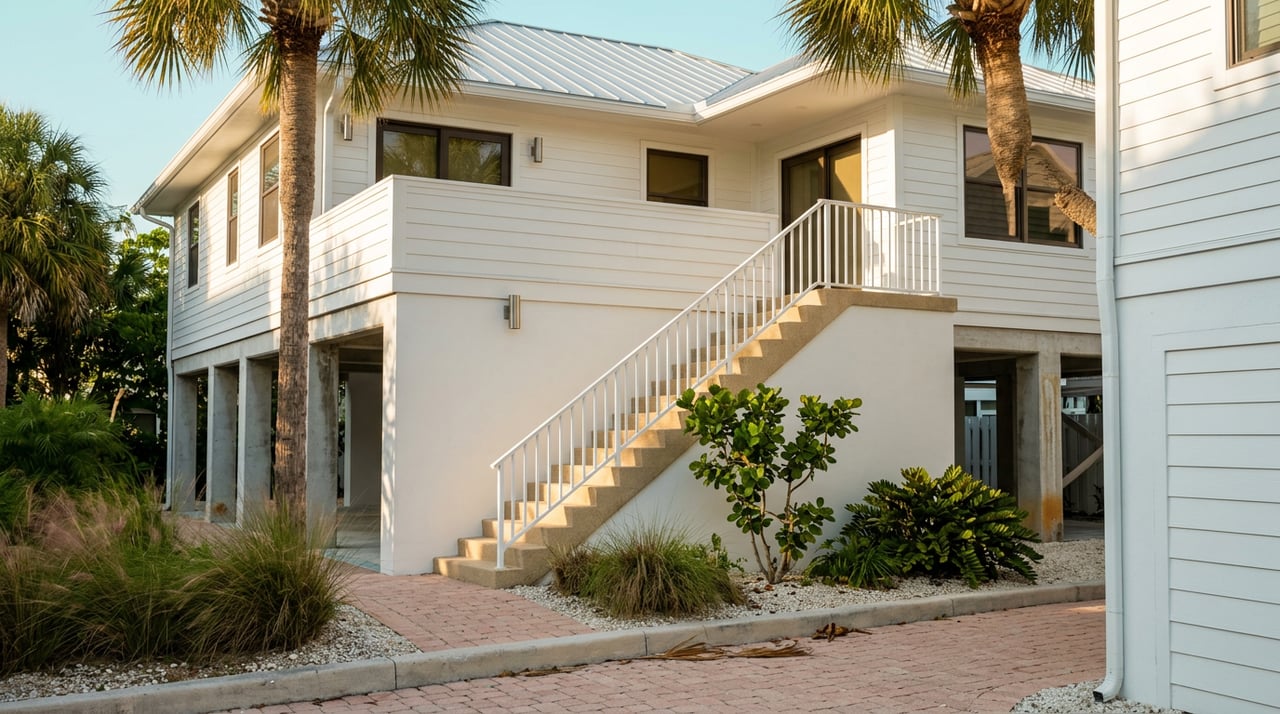
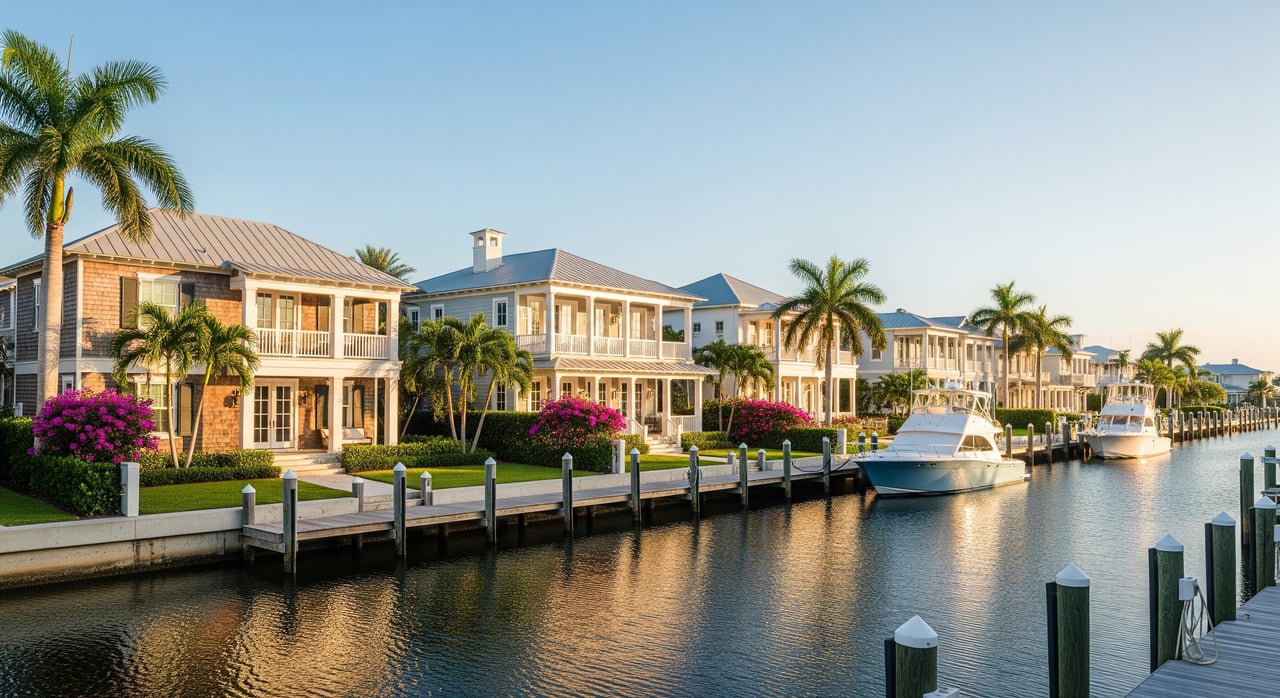
You will recognize this vernacular style by steep gables or simple hip roofs, broad front or wraparound porches, wood clapboard or board-and-batten siding, and working or louvered shutters. Colors tend to be pastel or earthy, with a relaxed cottage scale that fits the island’s original streetscapes.
Materials that last
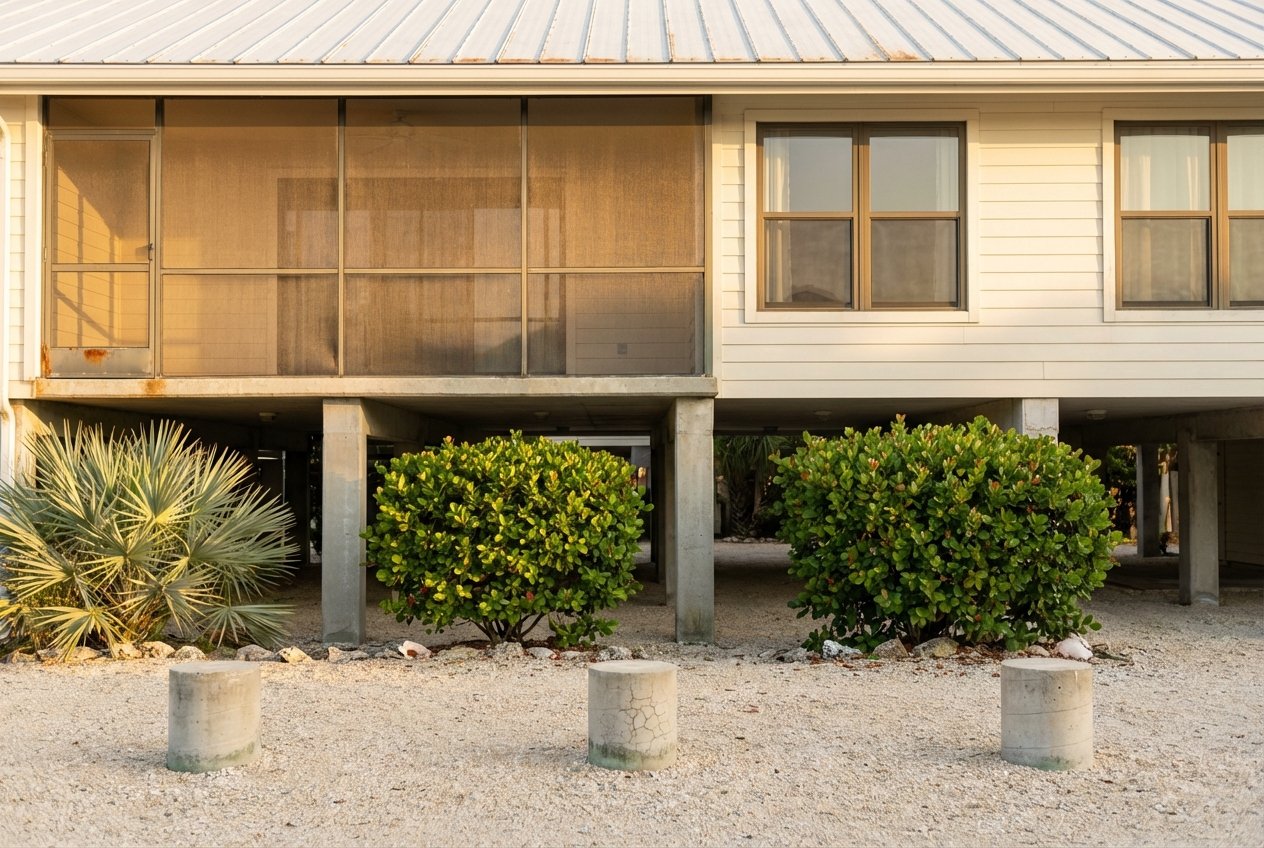
Elevated foundations on pilings or raised concrete help manage flood risk. Owners often choose metal roofs for longevity and use rot-resistant framing with fiber-cement siding or PVC trim to keep the classic look without constant upkeep. Marine-grade fasteners and periodic paint cycles are part of the plan.
Livability notes
Porches extend living space and improve cross-ventilation, which many buyers prize. Smaller footprints can limit storage and garage space, so plan for ground-level solutions under elevated homes.
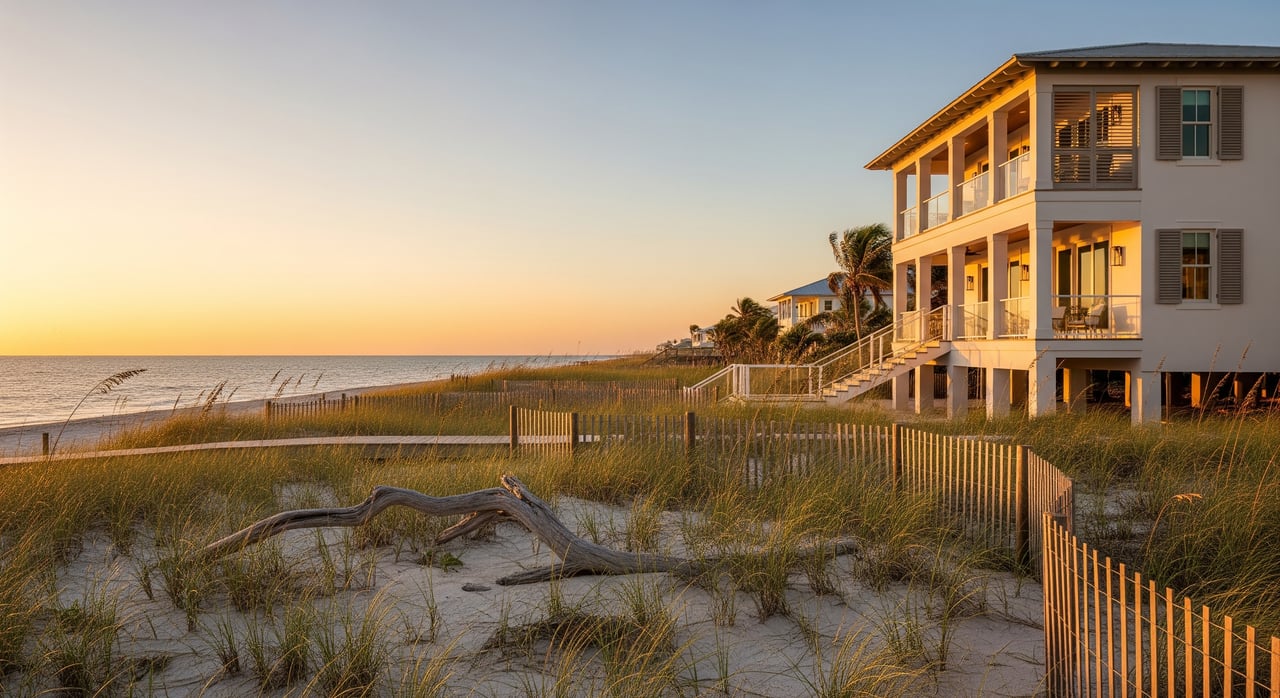
Key West and West Indies–inspired
Defining features
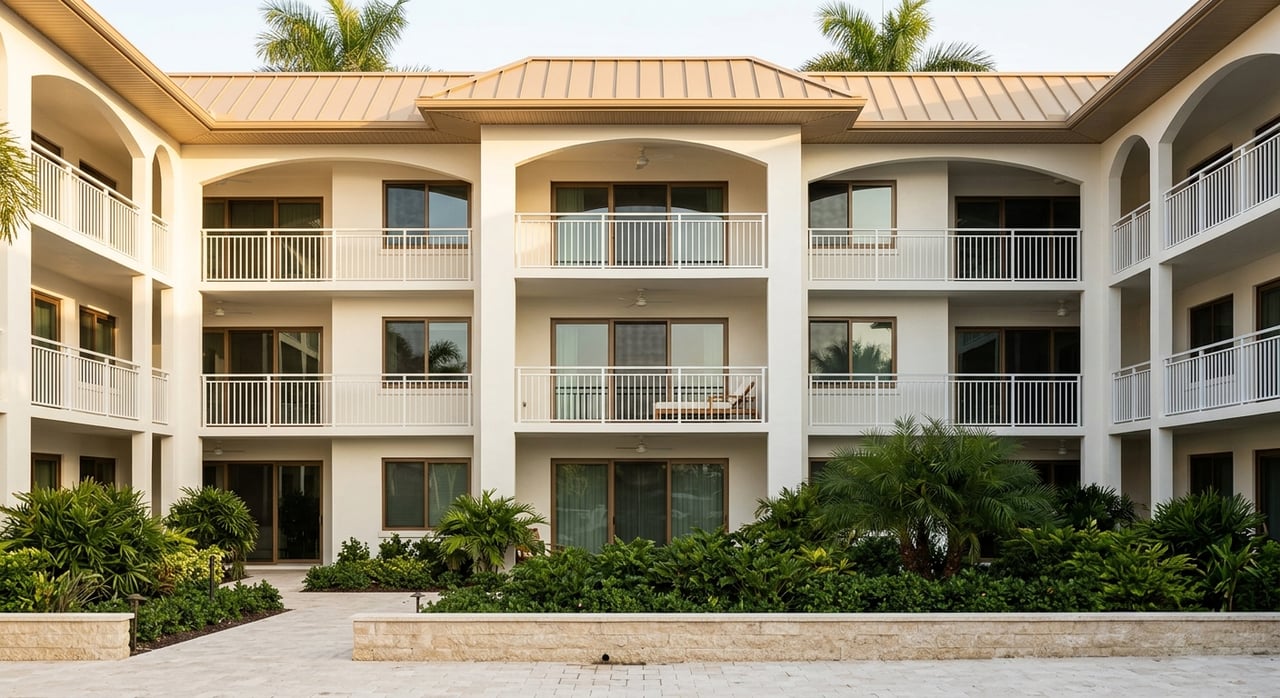
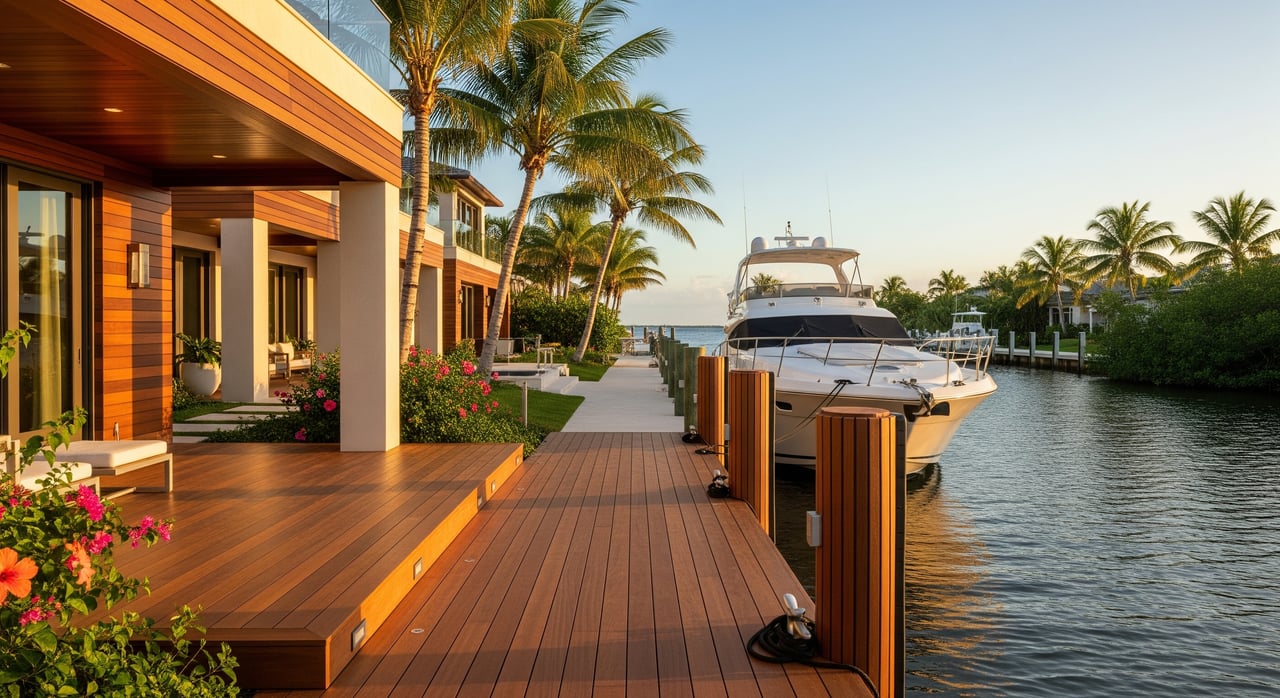
This style leans into outdoor life with double galleries, decorative railings, generous overhangs, and multi-pane French doors. Bright but muted colors and abundant windows support breezes and daylight.
Materials that last
Raised piers and deep porches provide shade and help reduce fading. Use corrosion-resistant hardware, ideally 316 stainless steel, and impact-rated glazing or shutters. Many owners select fiber-cement or engineered wood to preserve character while lowering maintenance.
Livability notes
These homes read as authentically “island,” which helps curb appeal and marketability. The covered outdoor rooms become daily living zones for dining, reading, and entertaining.
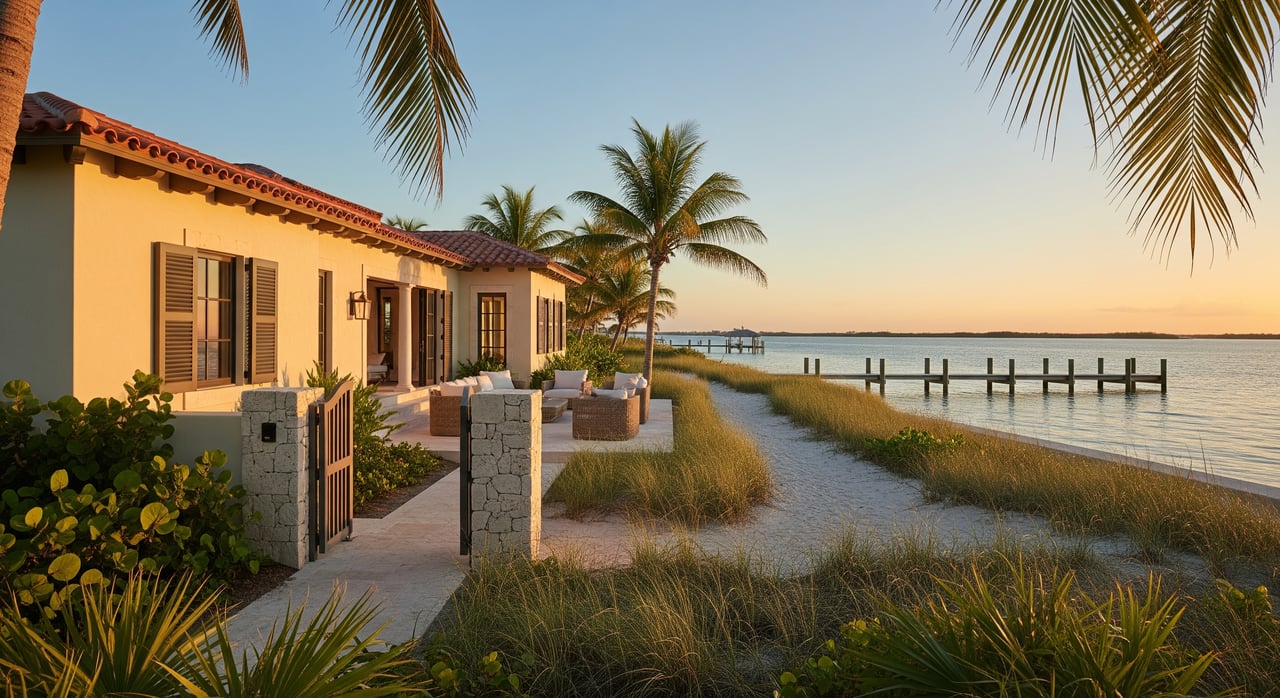
Mediterranean and Spanish Revival
Defining features
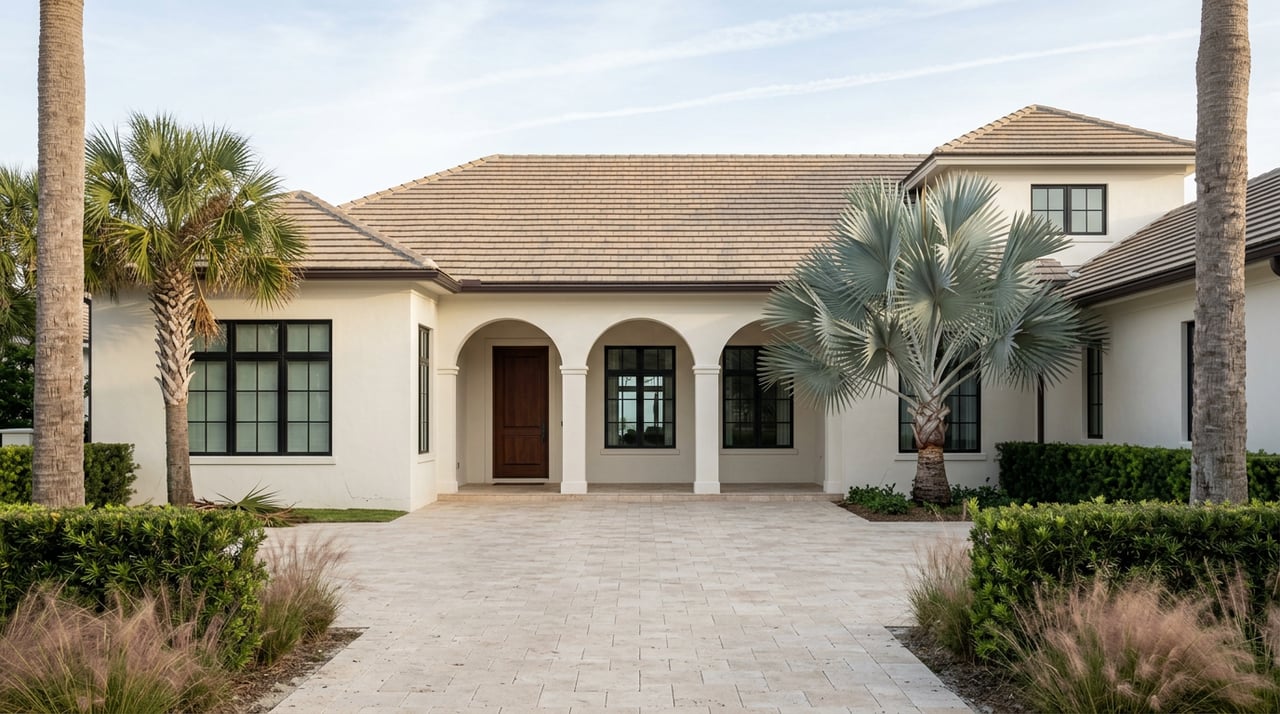
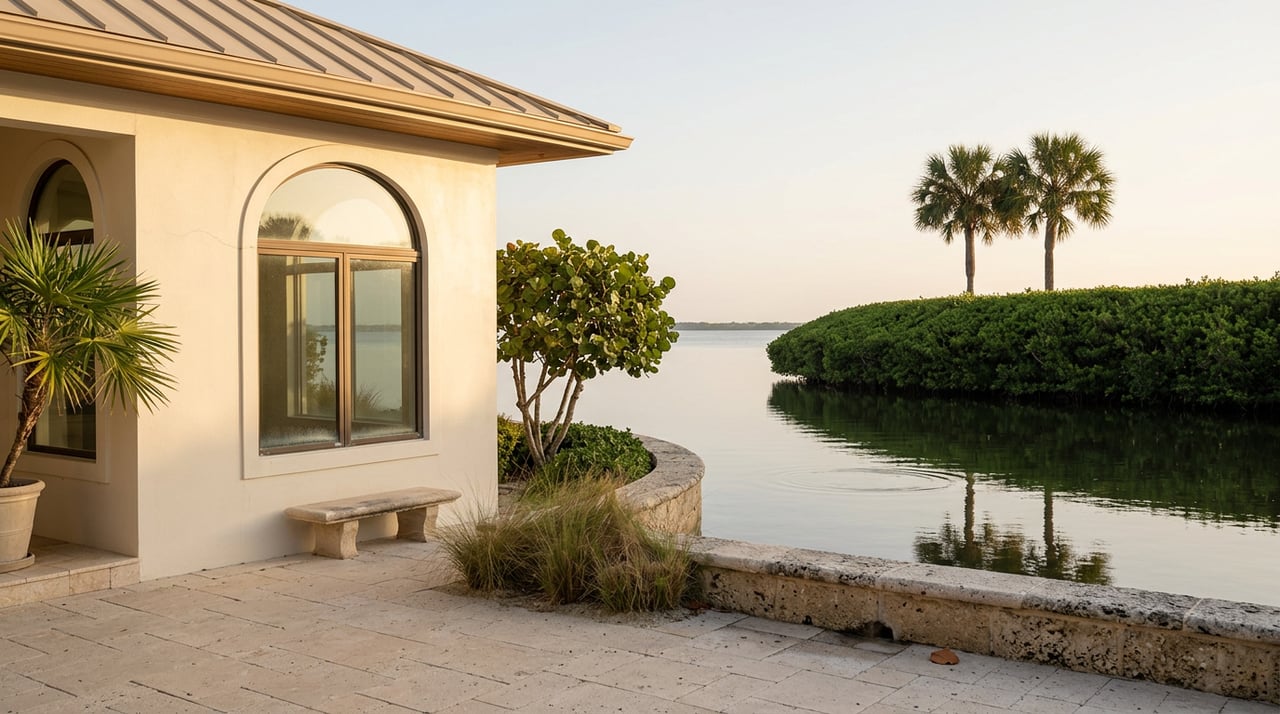
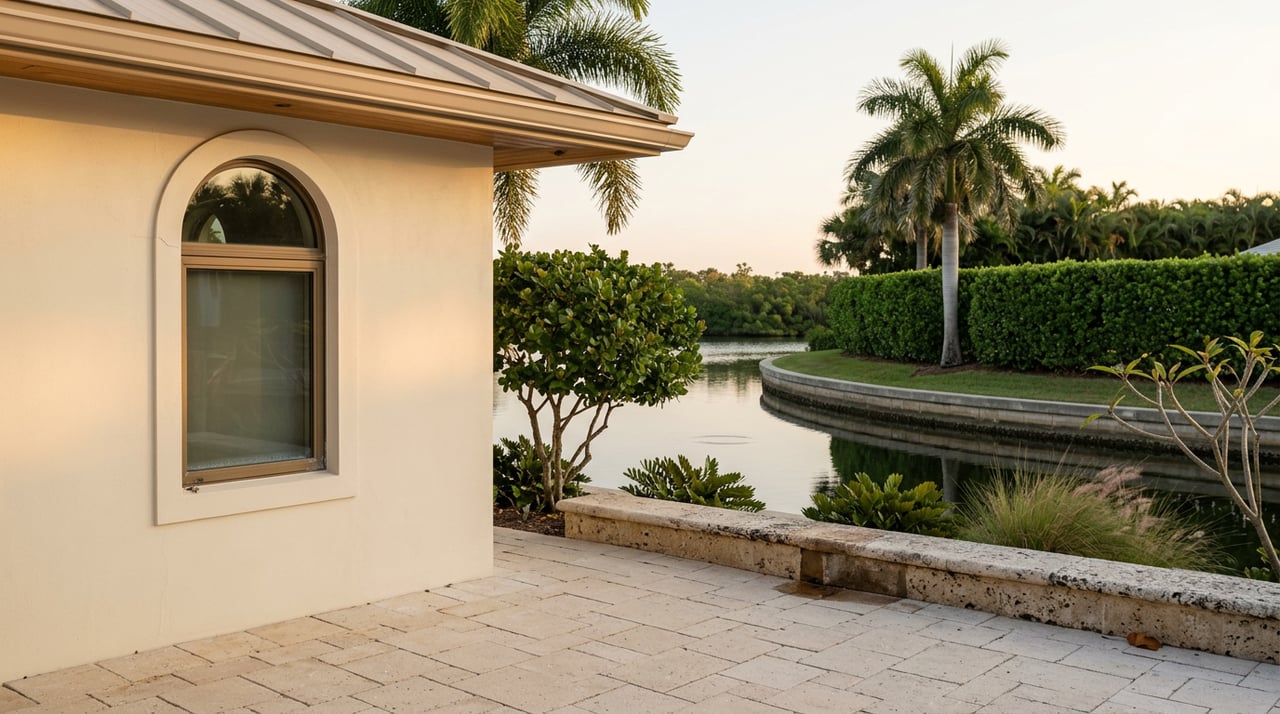
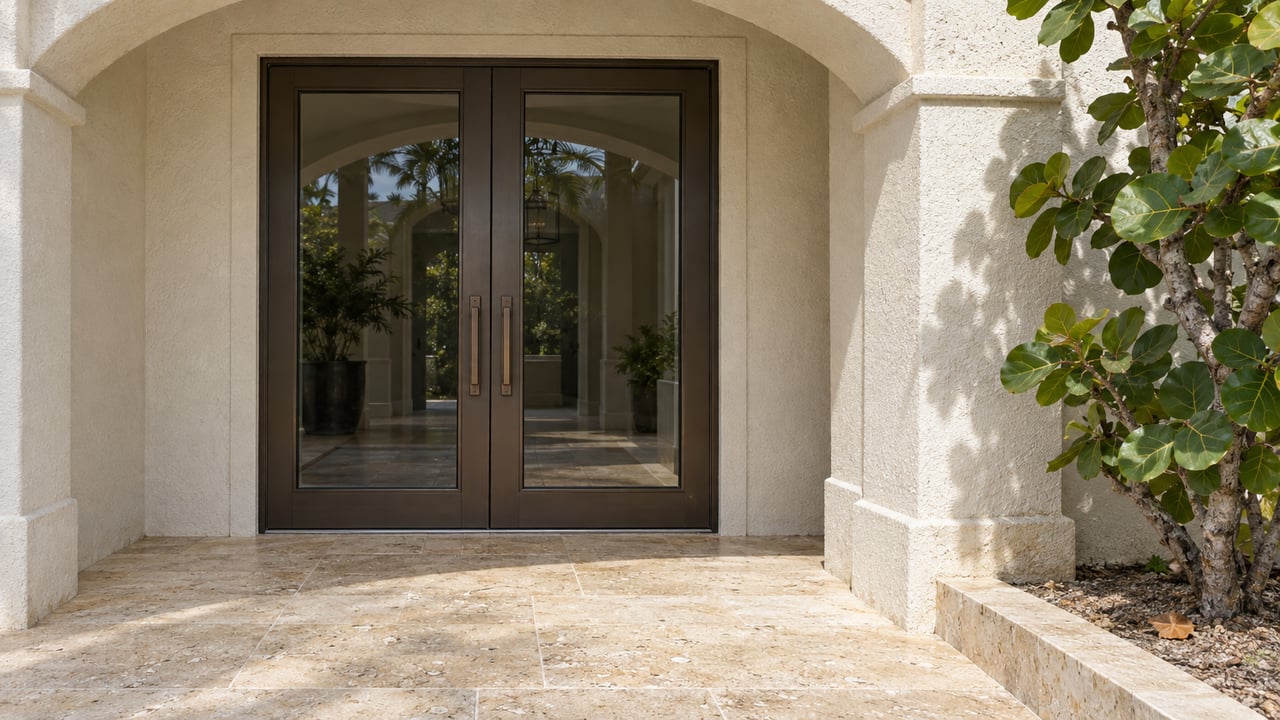
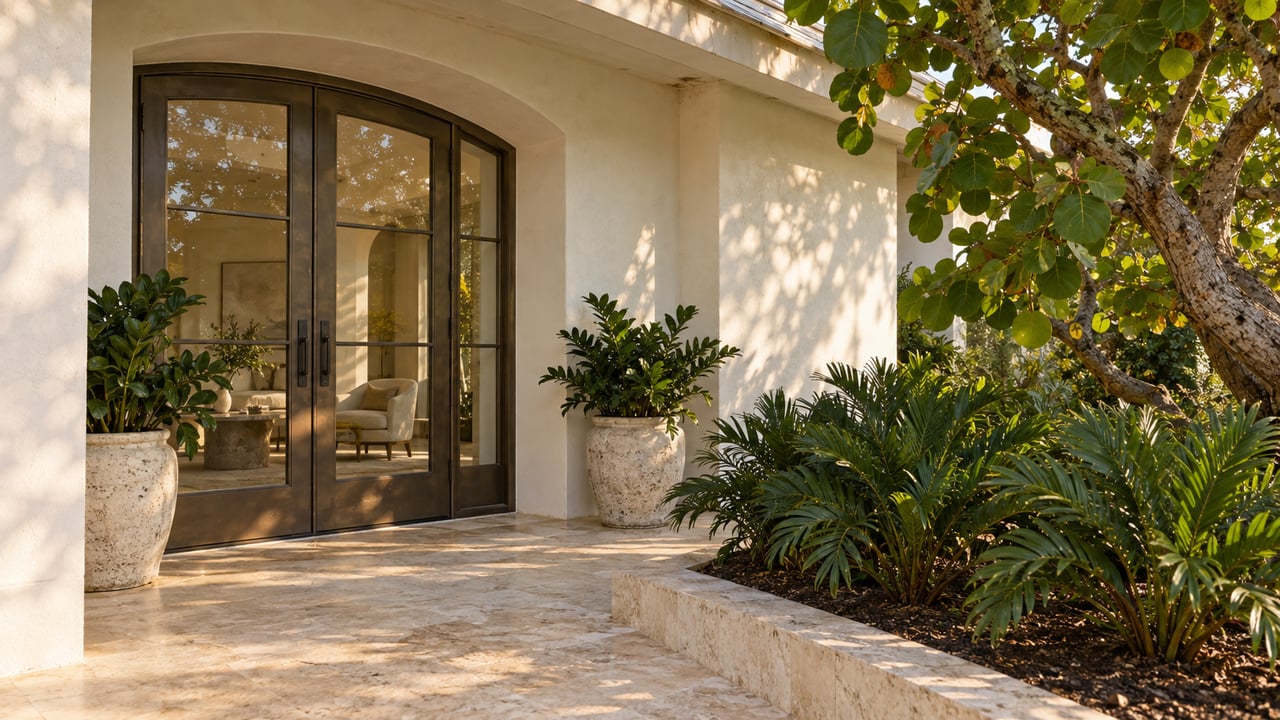
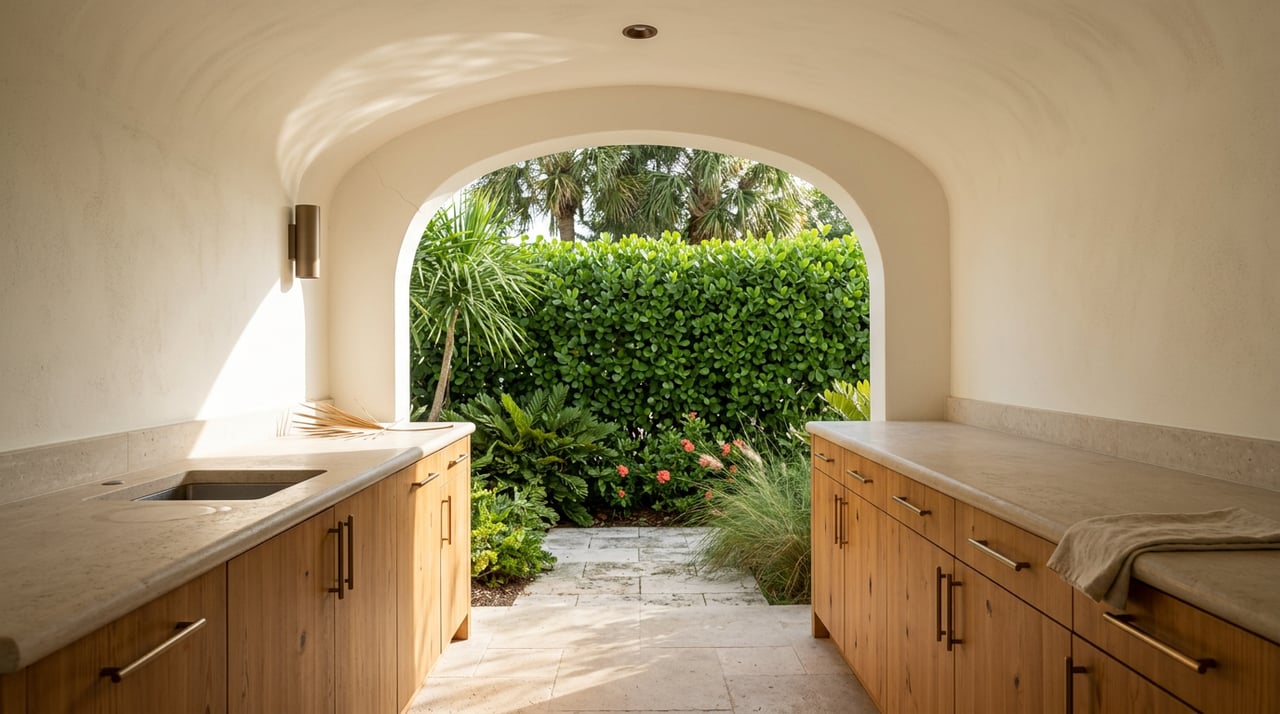
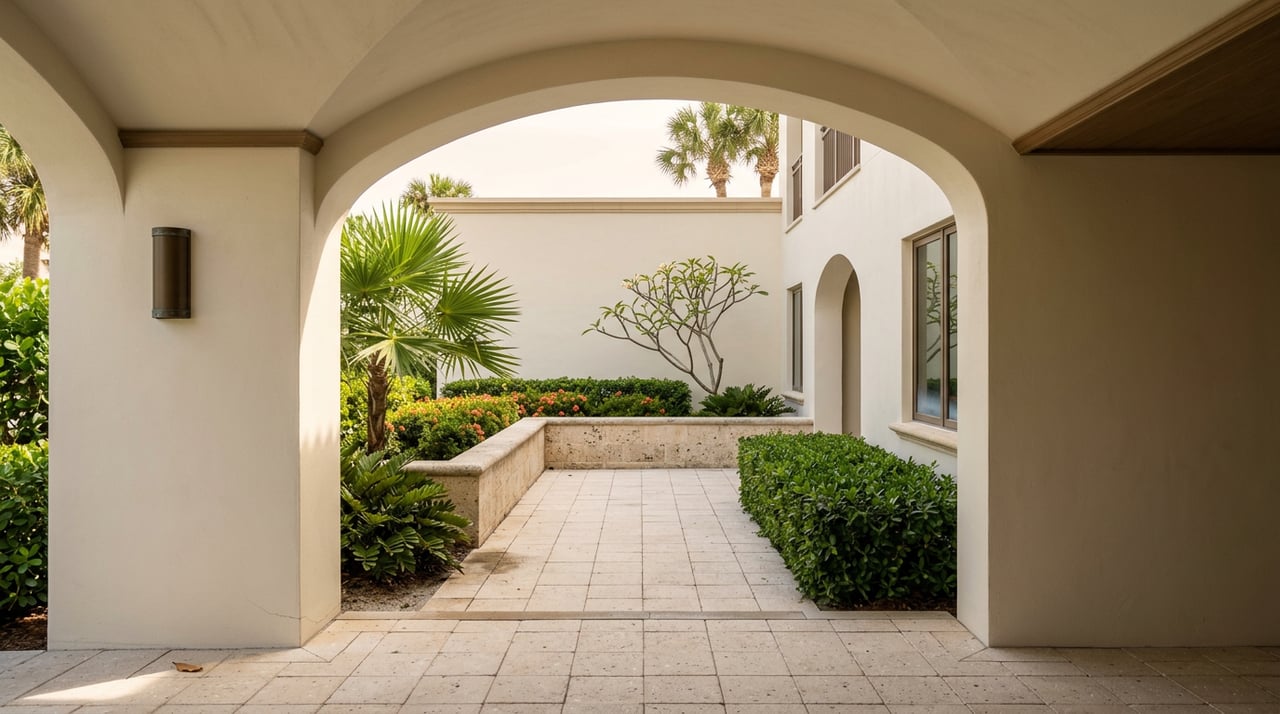
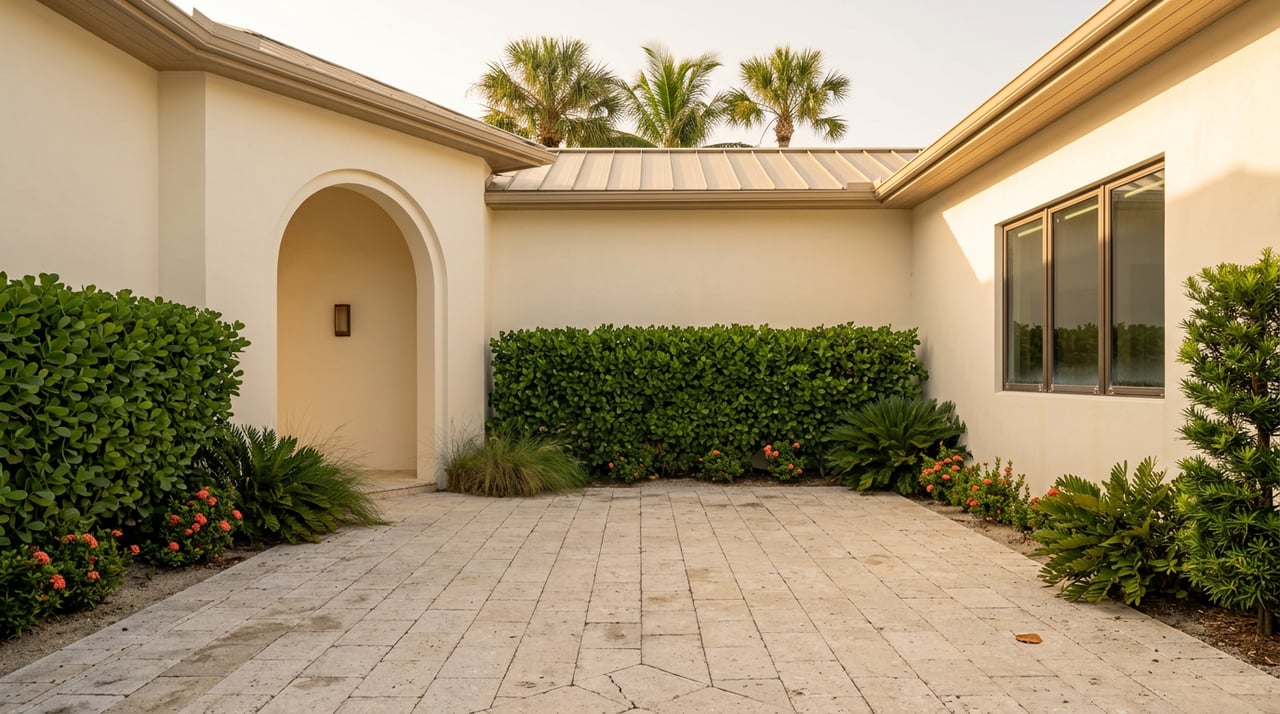
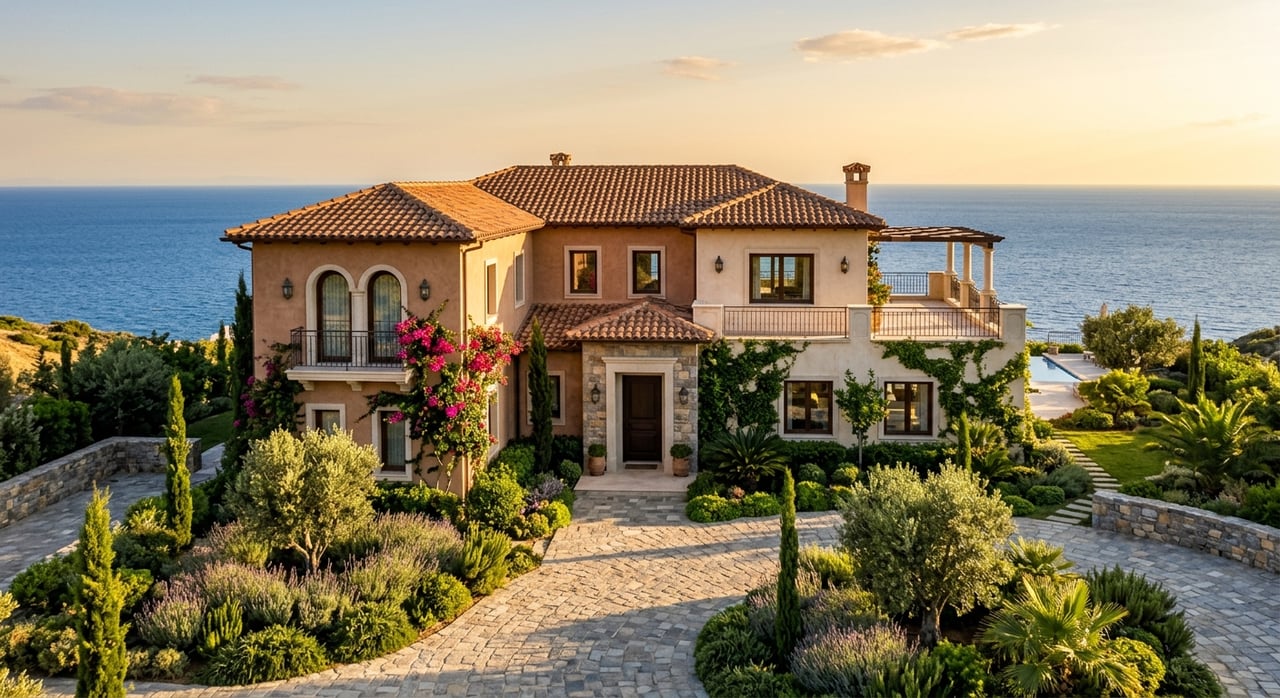
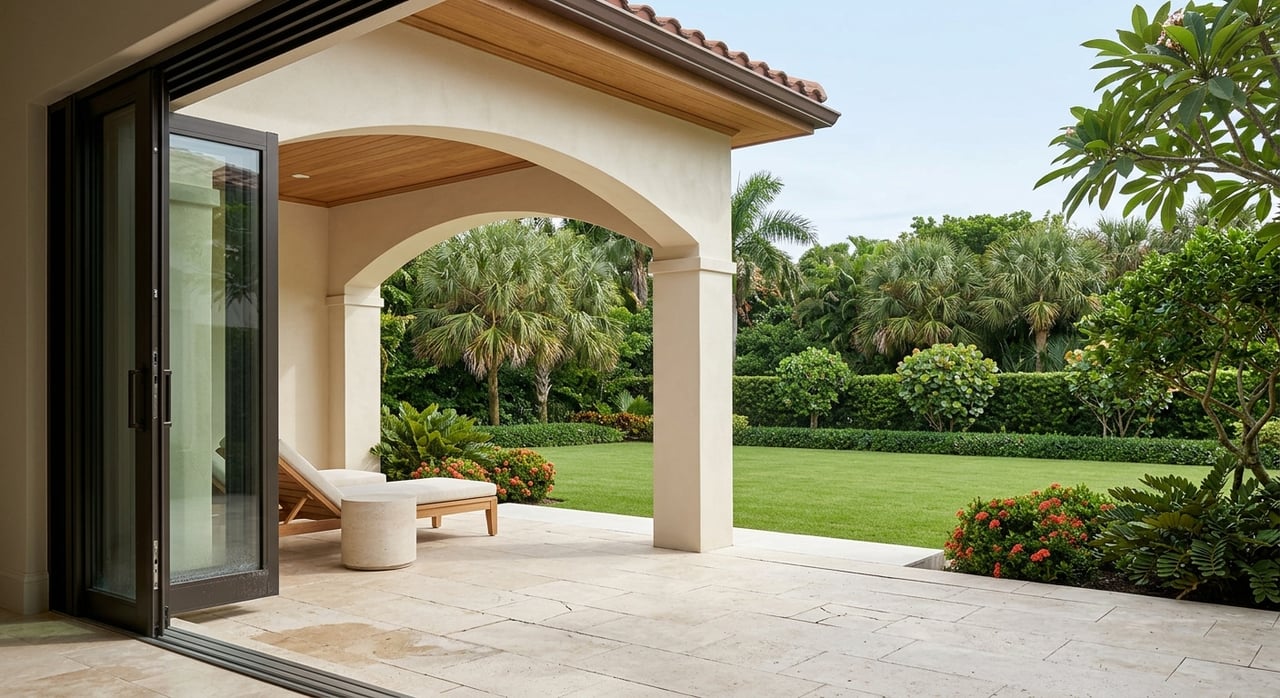
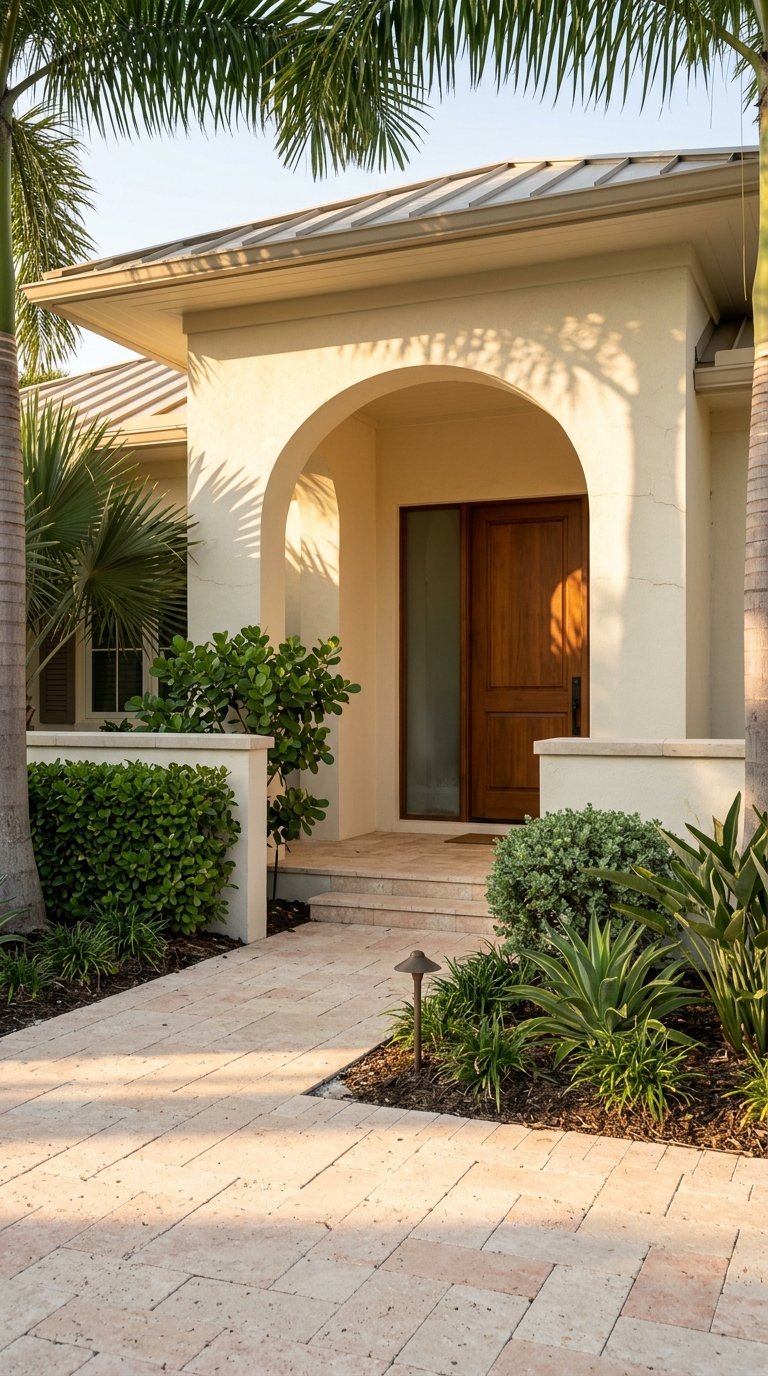
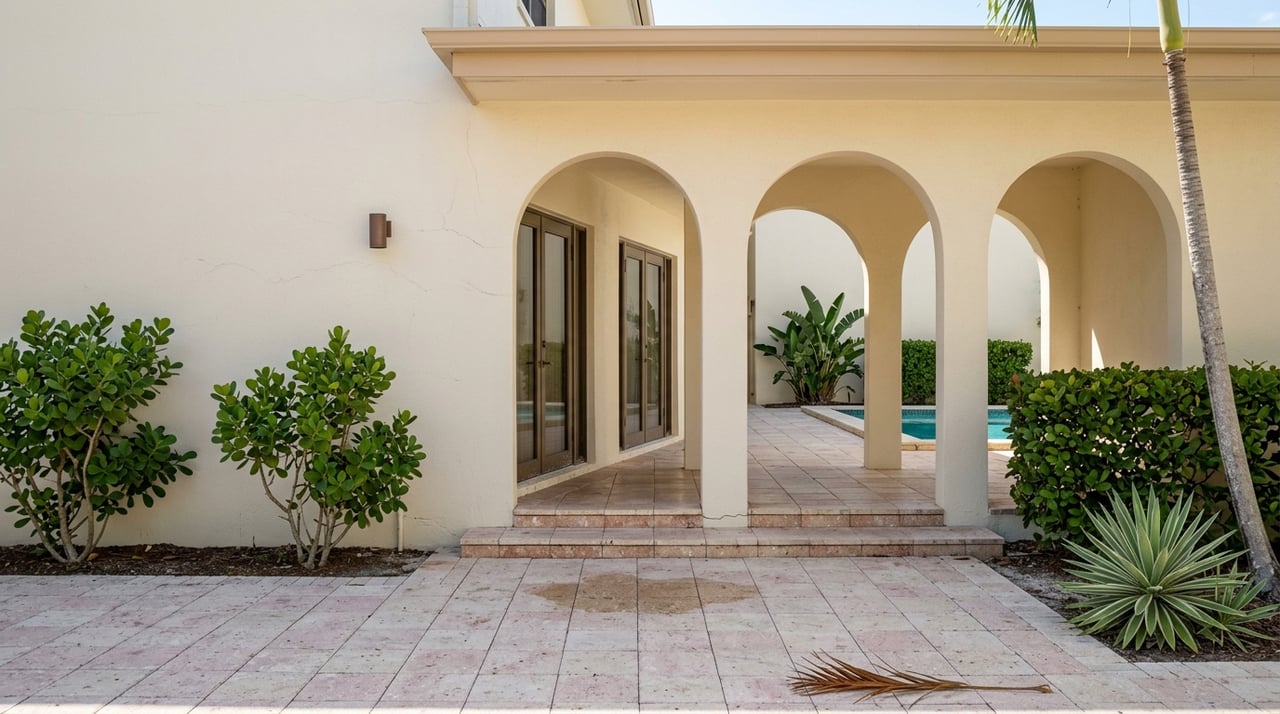
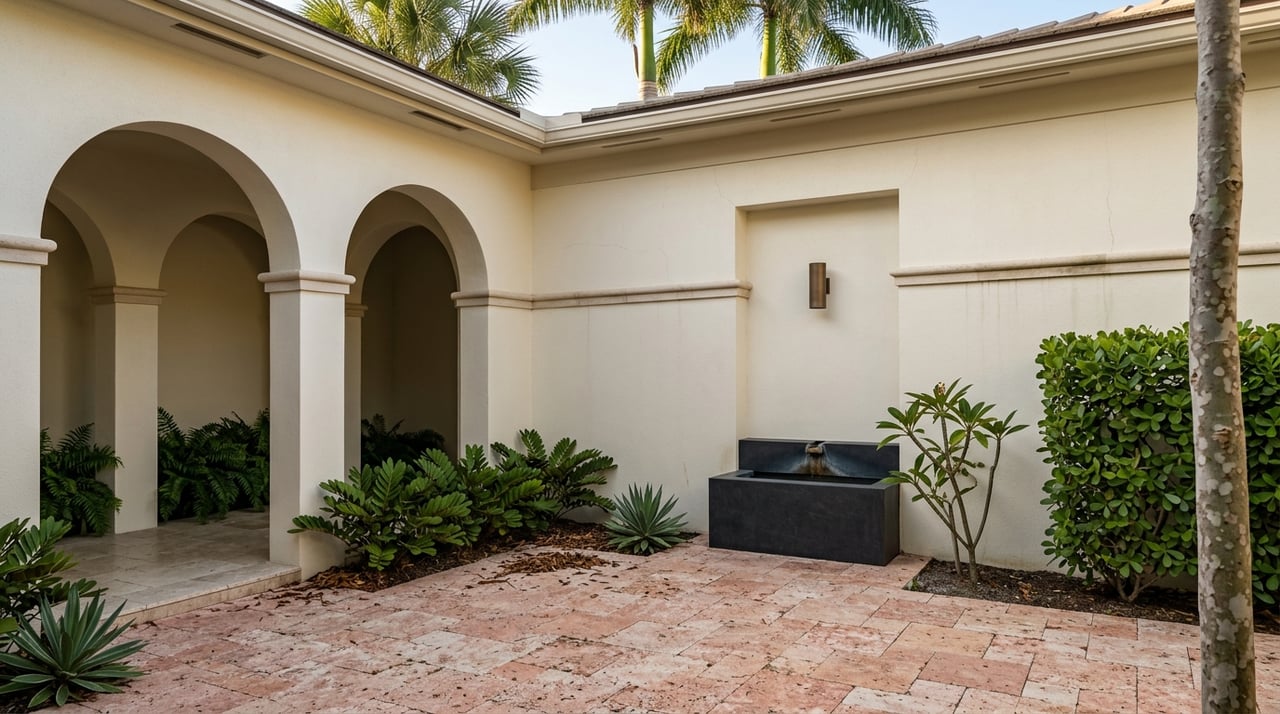
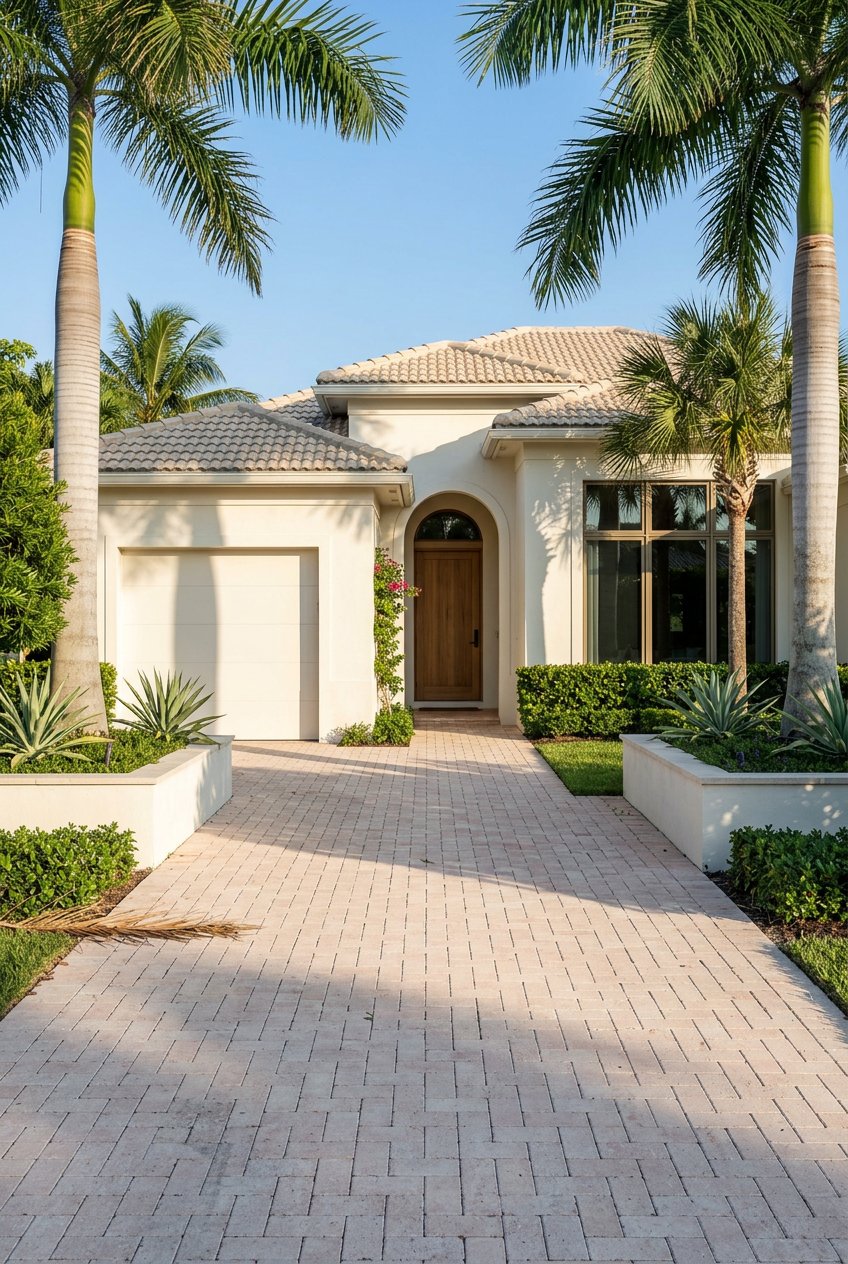
Look for stucco walls, arched openings, wrought-iron accents, and low-pitched clay or barrel tile roofs. On Boca Grande, these elements often blend with coastal forms to soften massing and fit the streetscape.
Materials that last
Stucco over concrete block or frame is common. Clay or concrete tile roofs can perform well in wind if the structure and attachments are properly engineered. In humid climates, stucco detailing and moisture control are essential.
Livability notes
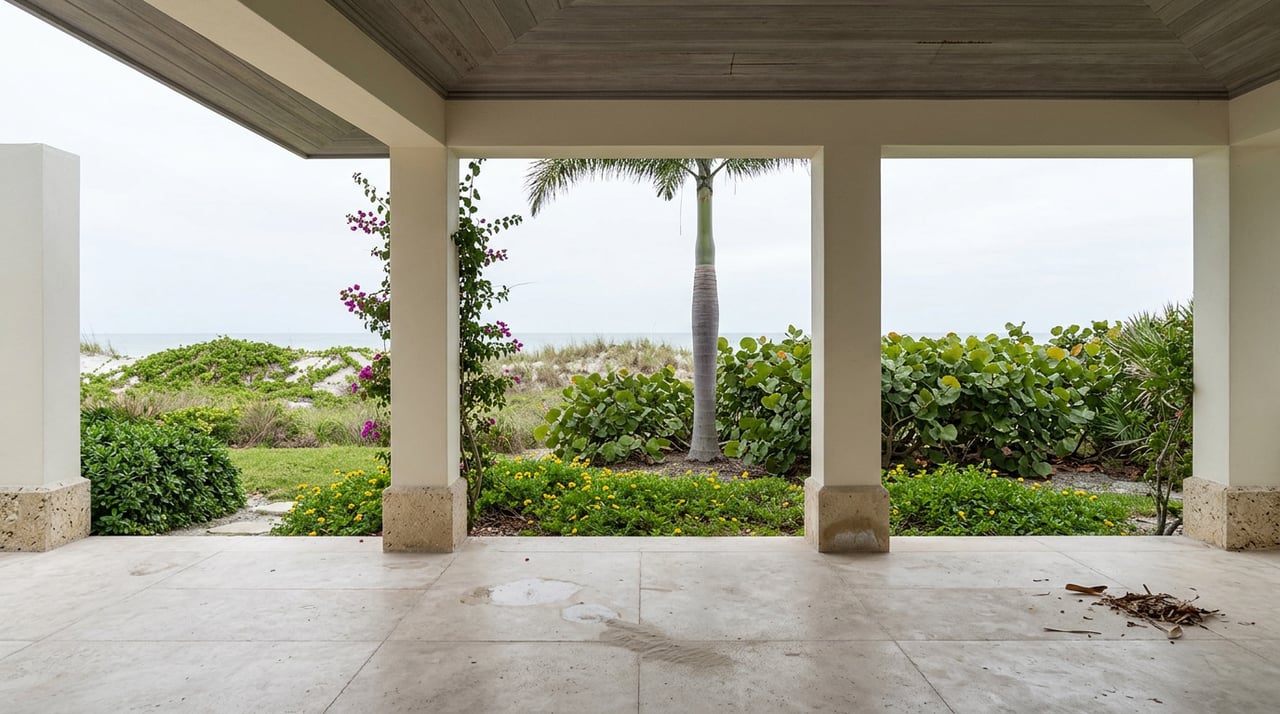
Courtyards and loggias add privacy and shaded gathering space. Maintenance cycles differ from wood traditions, and tile roof repairs can be more specialized and costly.
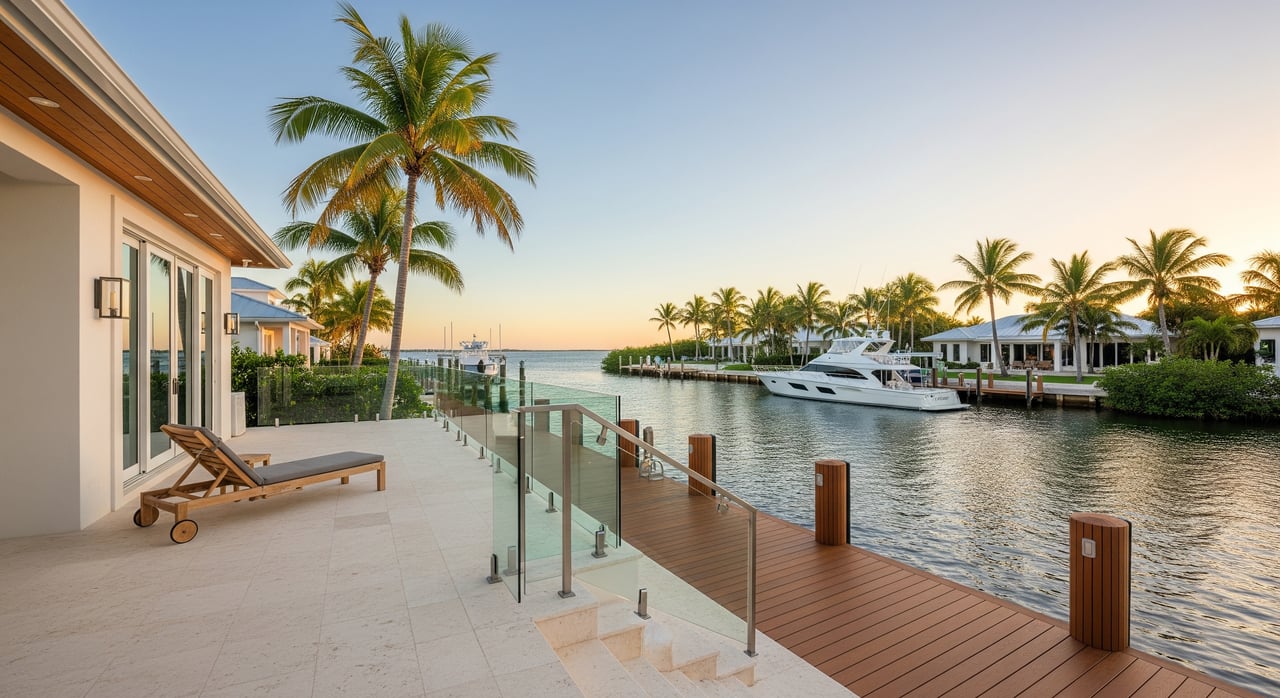
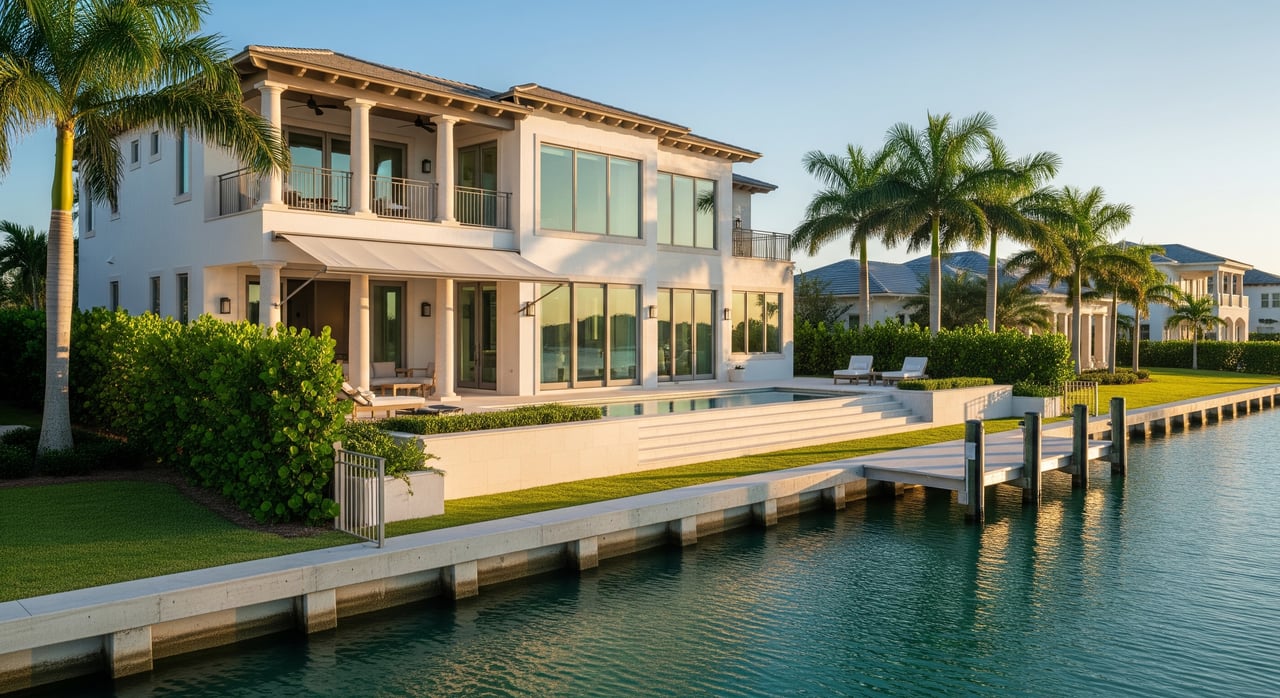
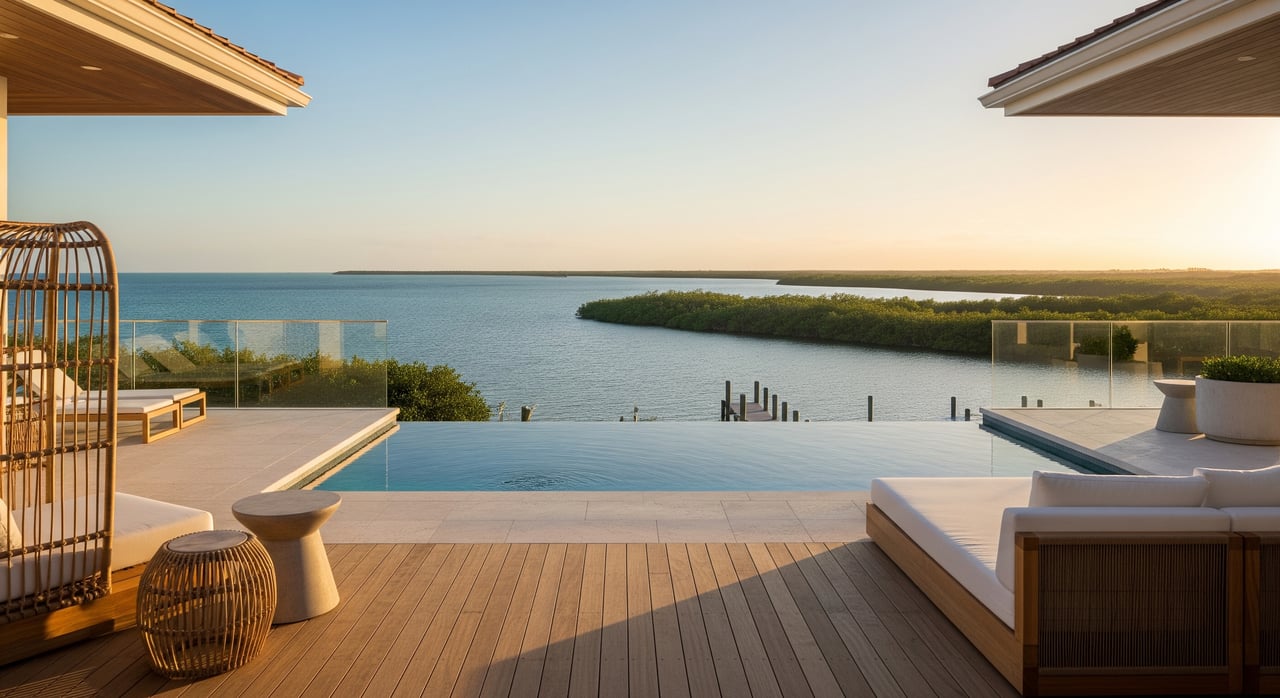
Contemporary coastal
Defining features
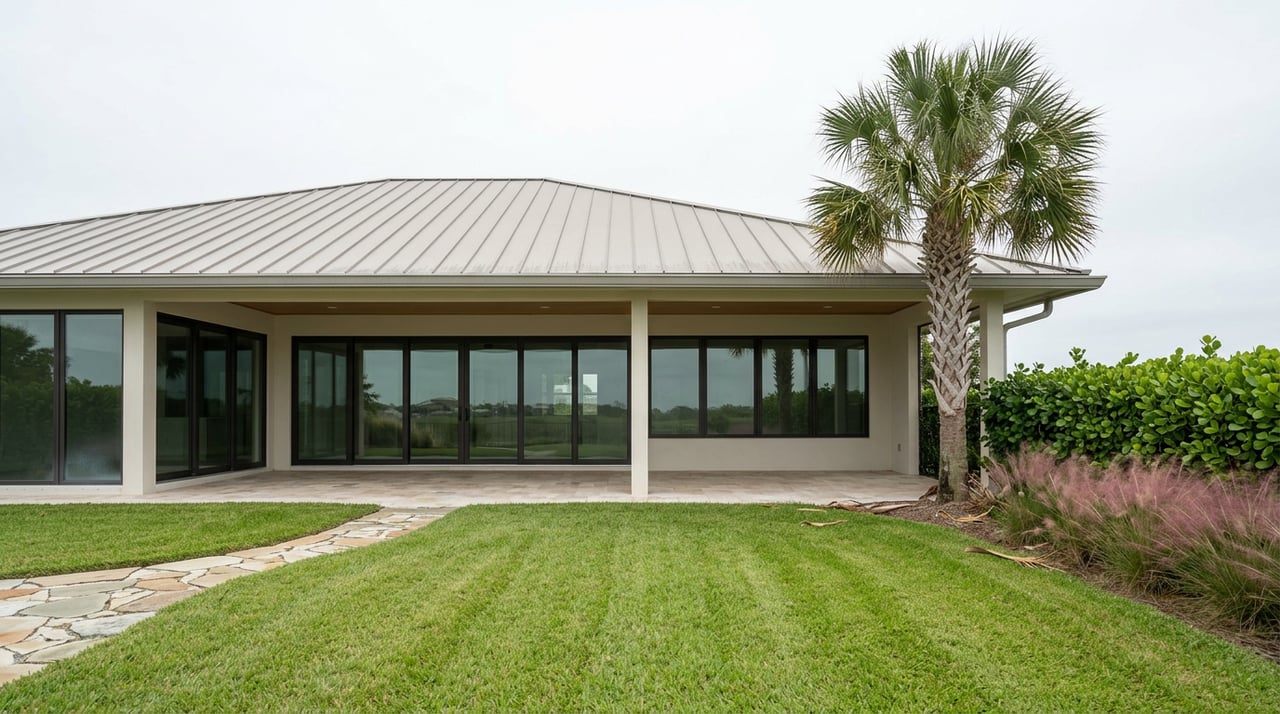
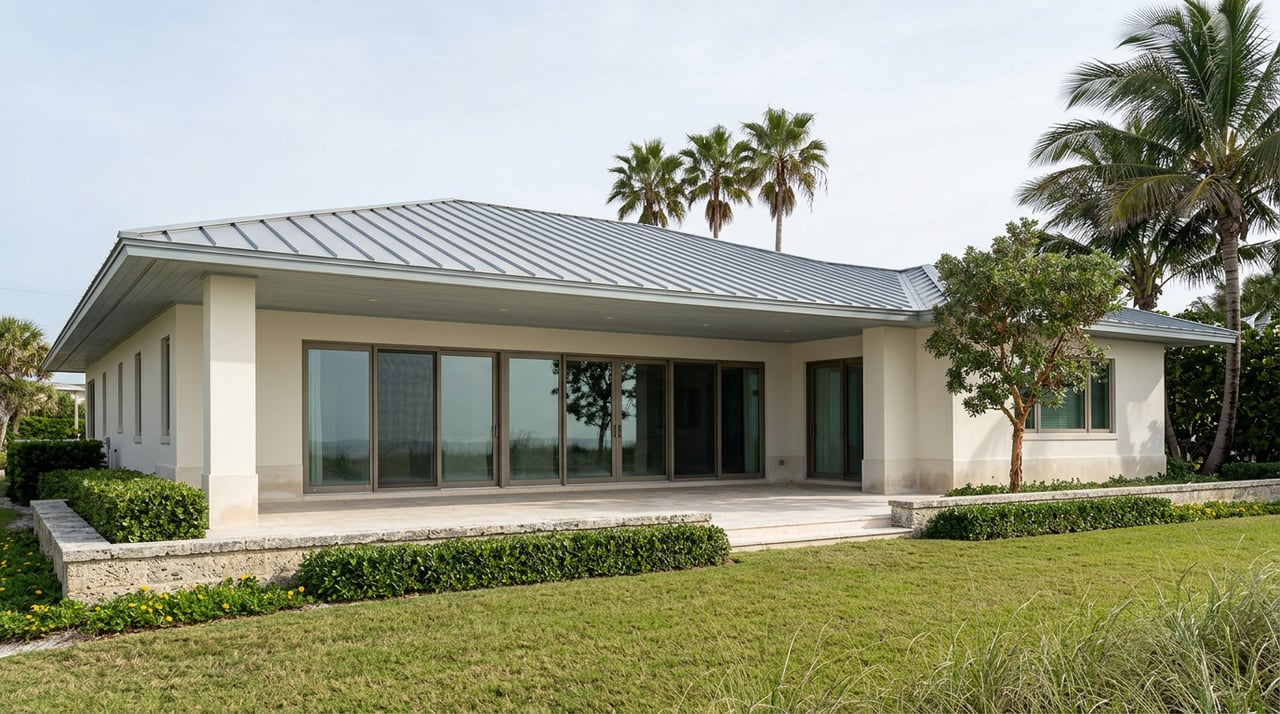
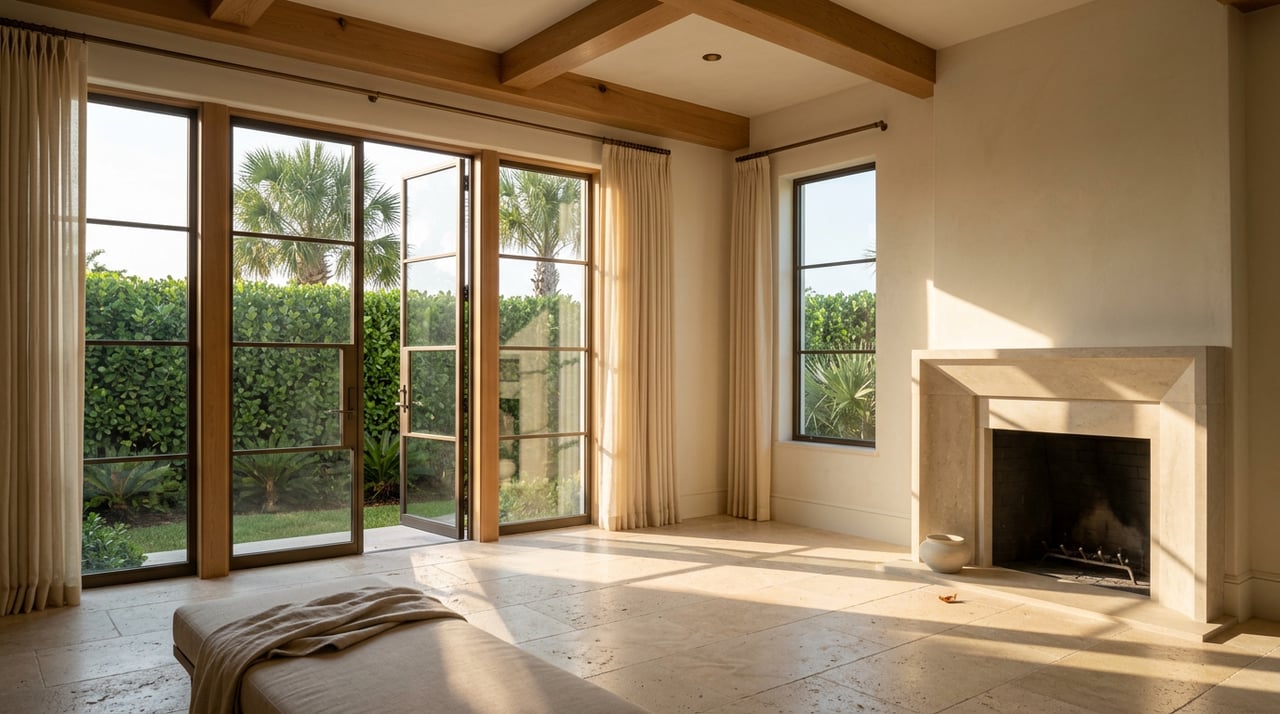
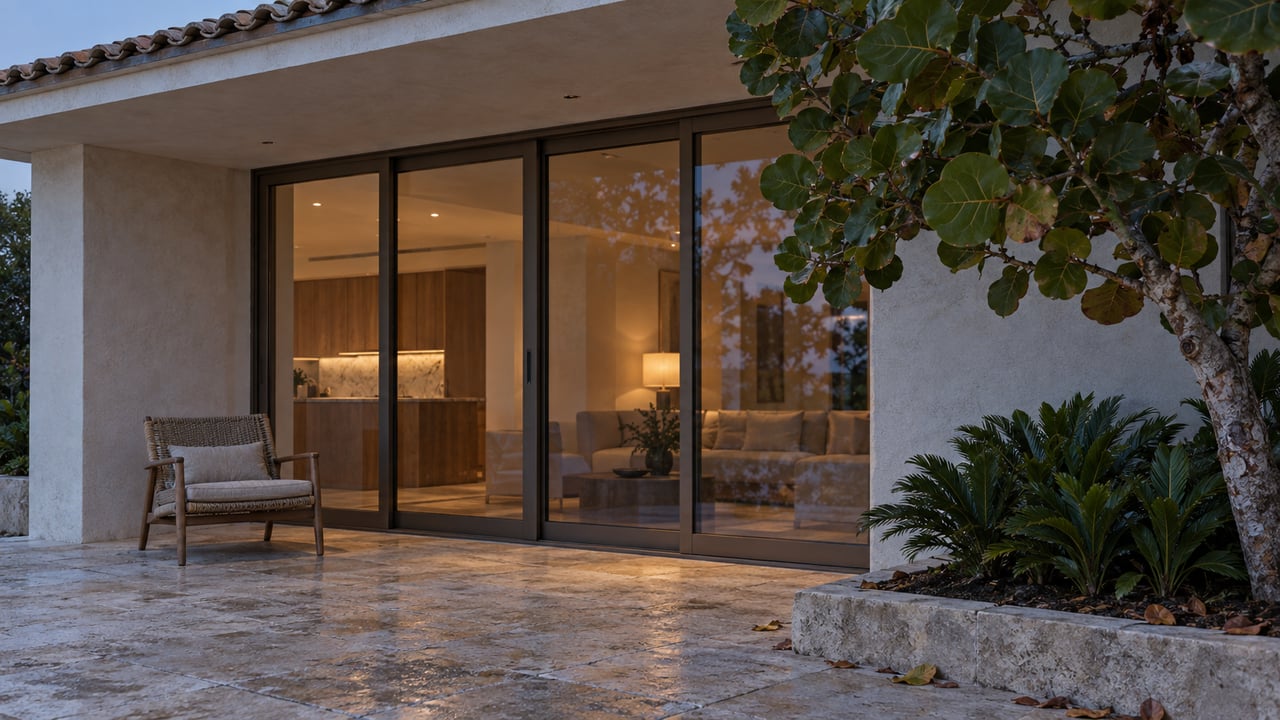
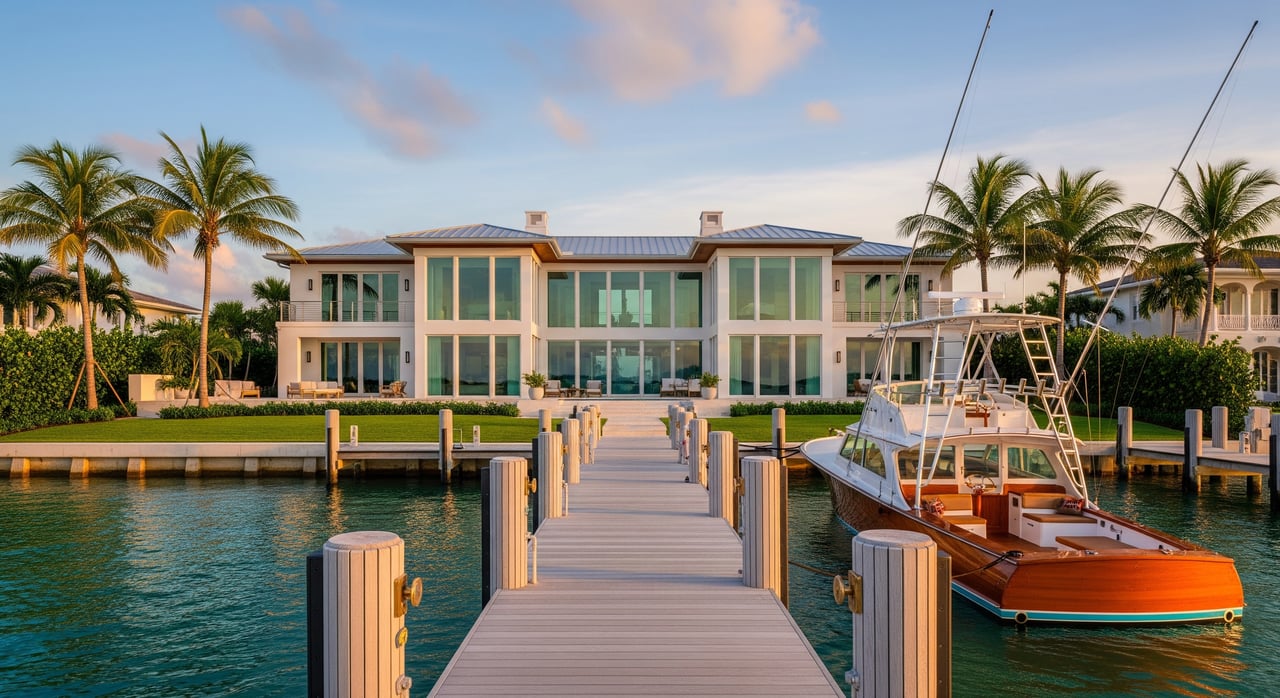
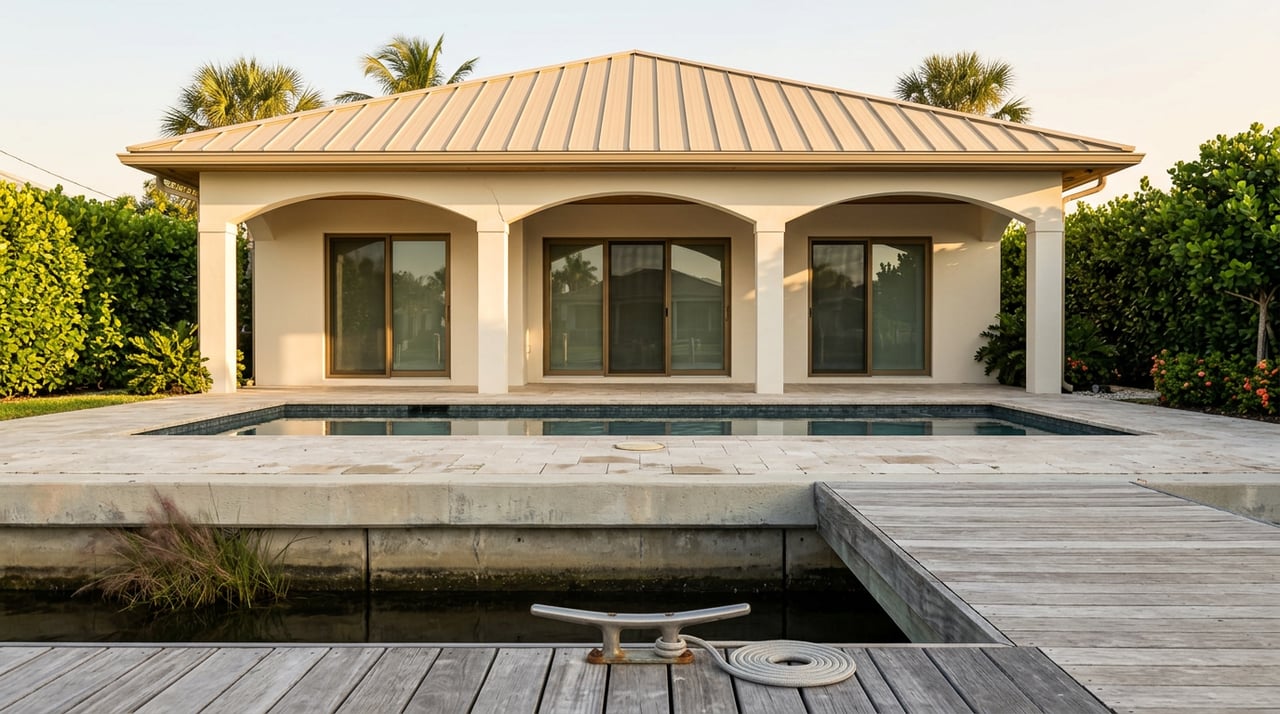
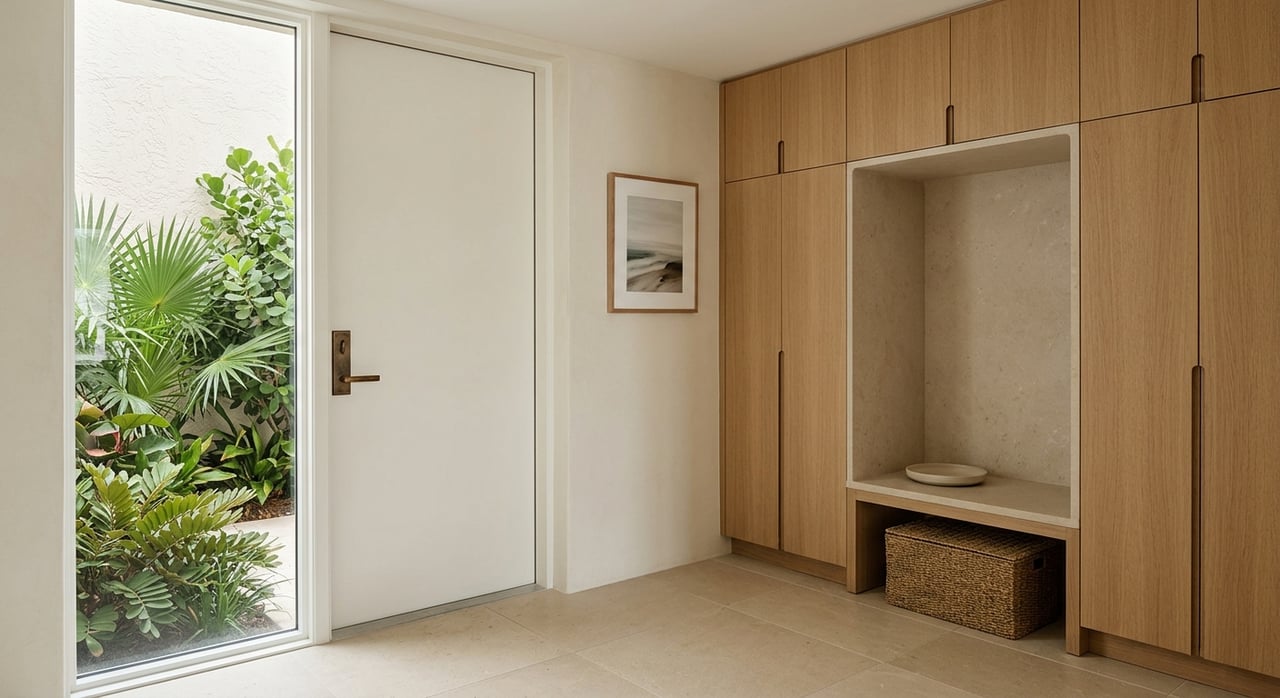
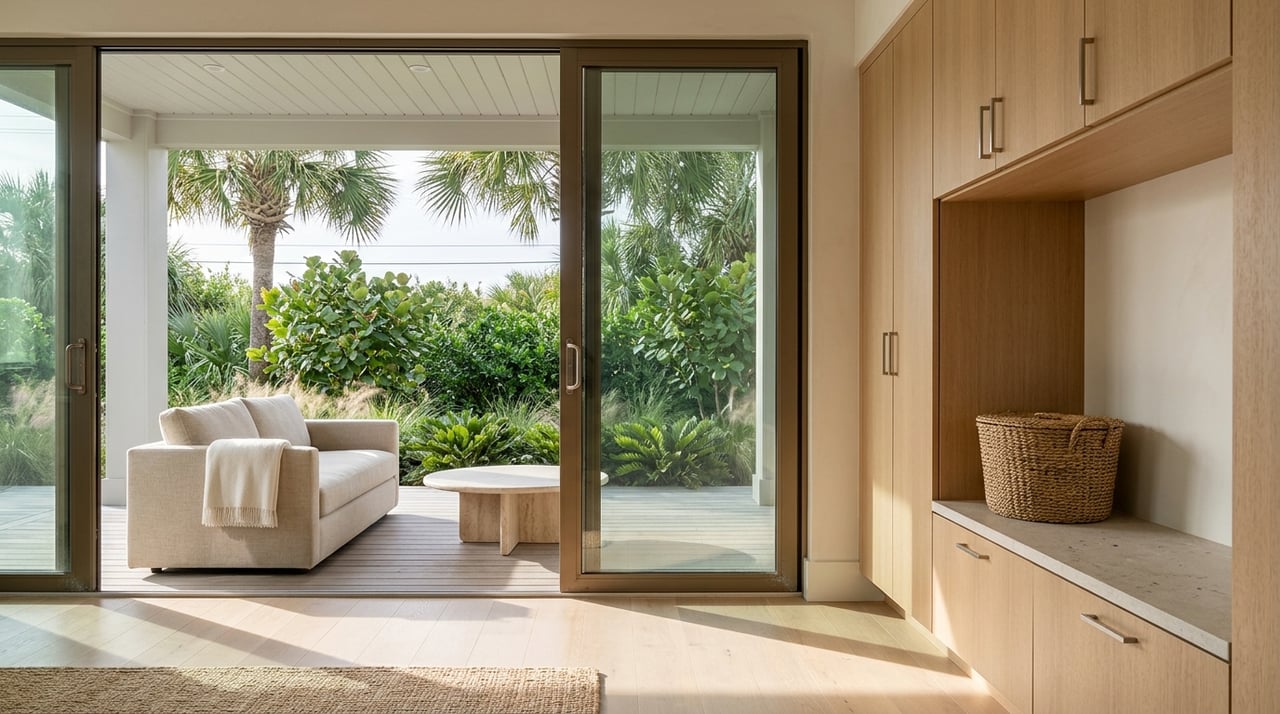
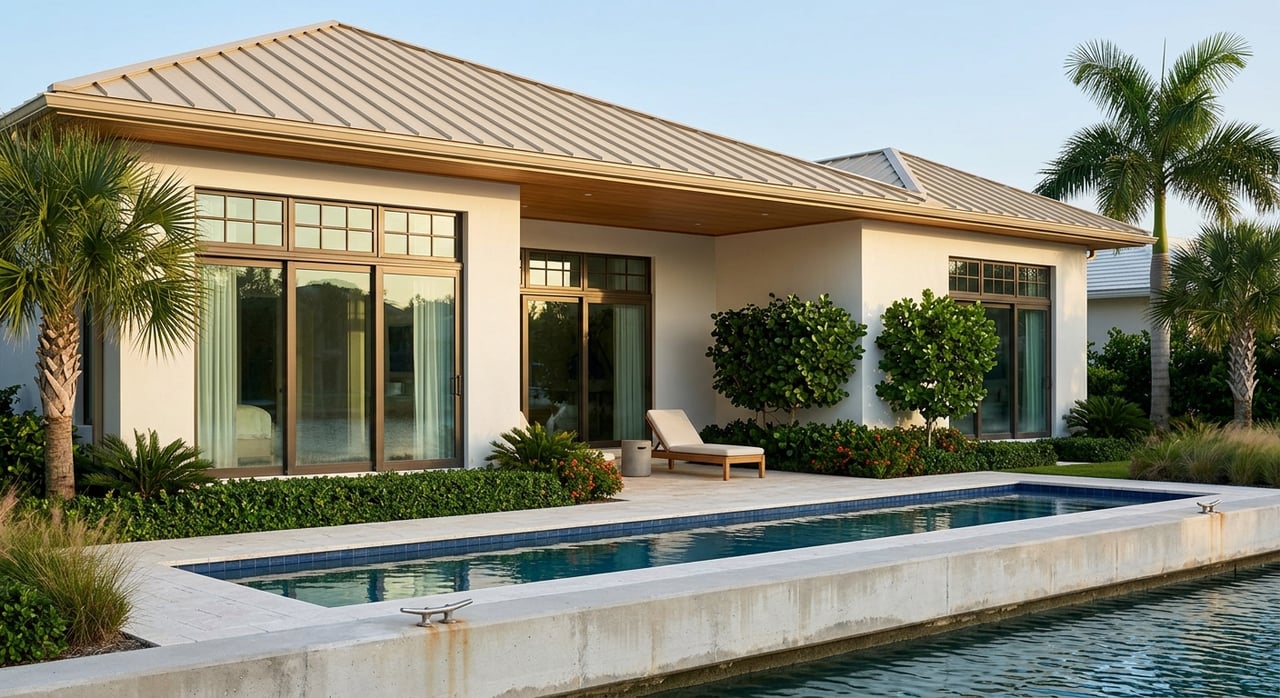
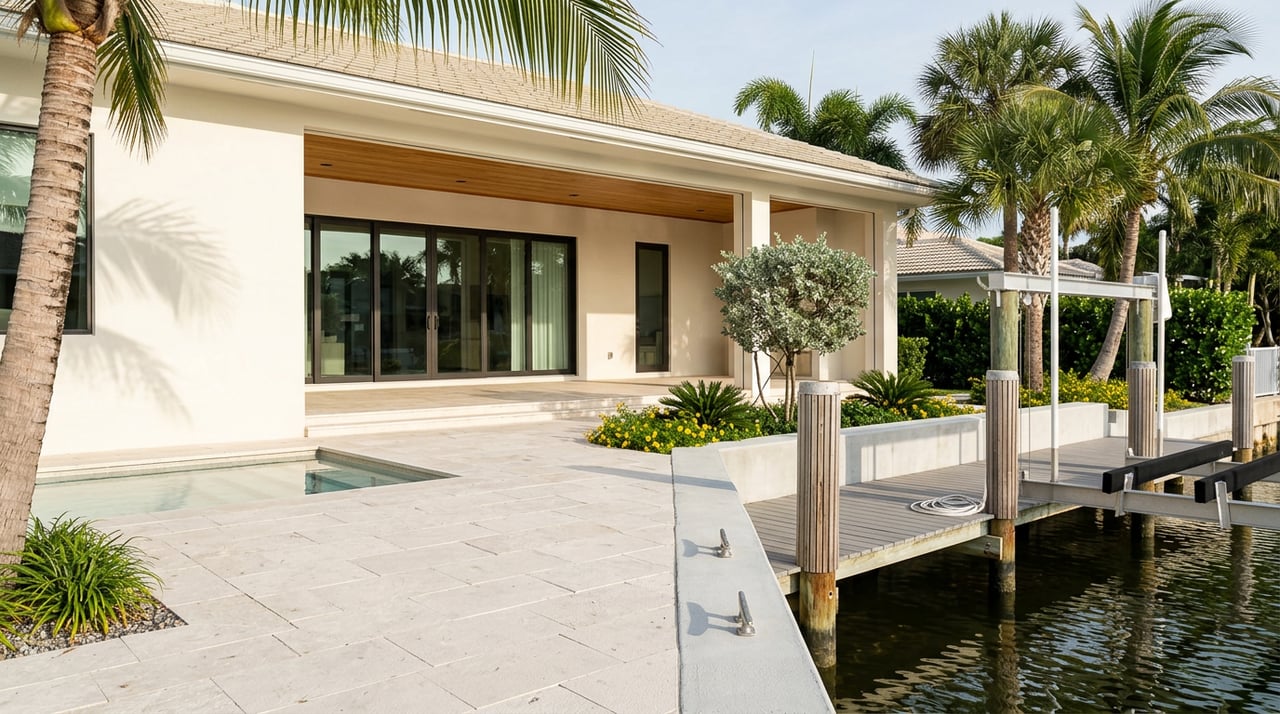
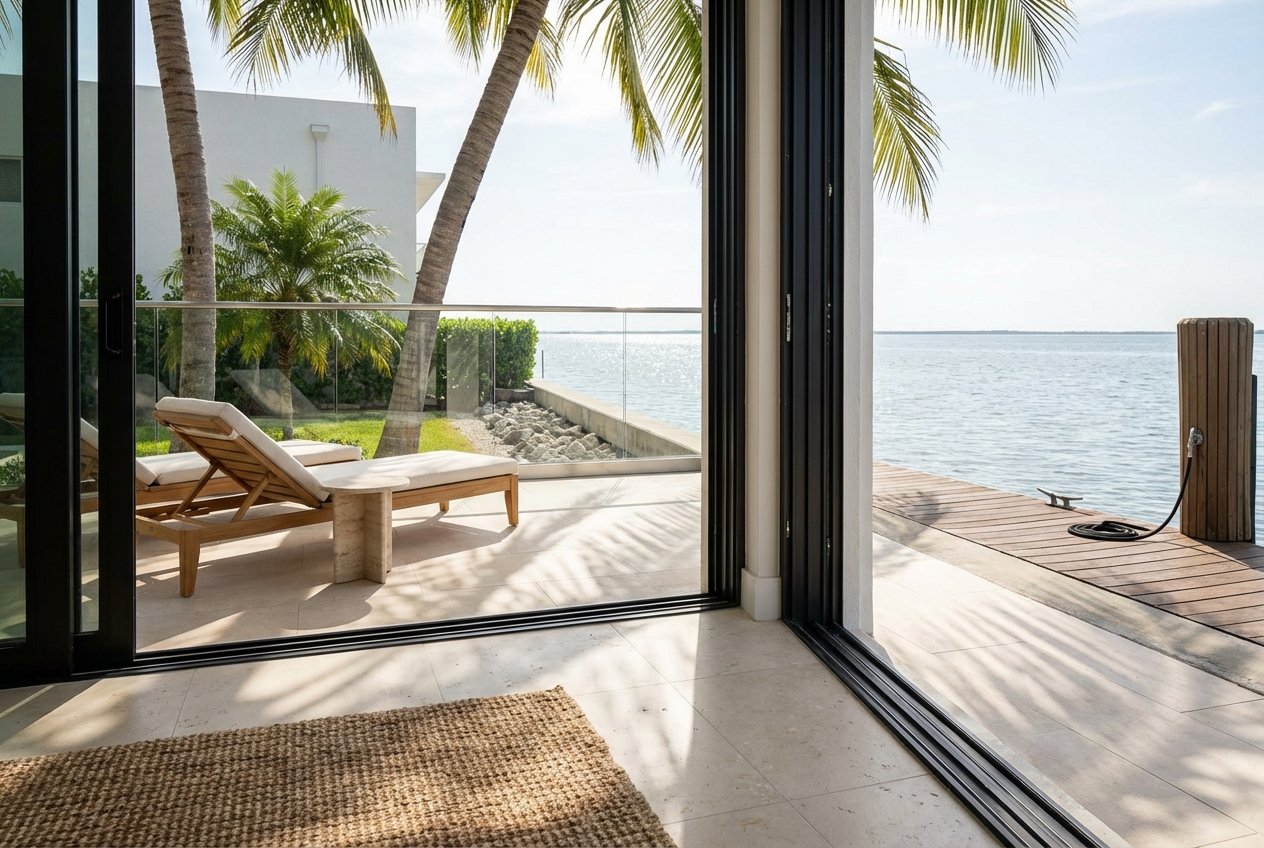
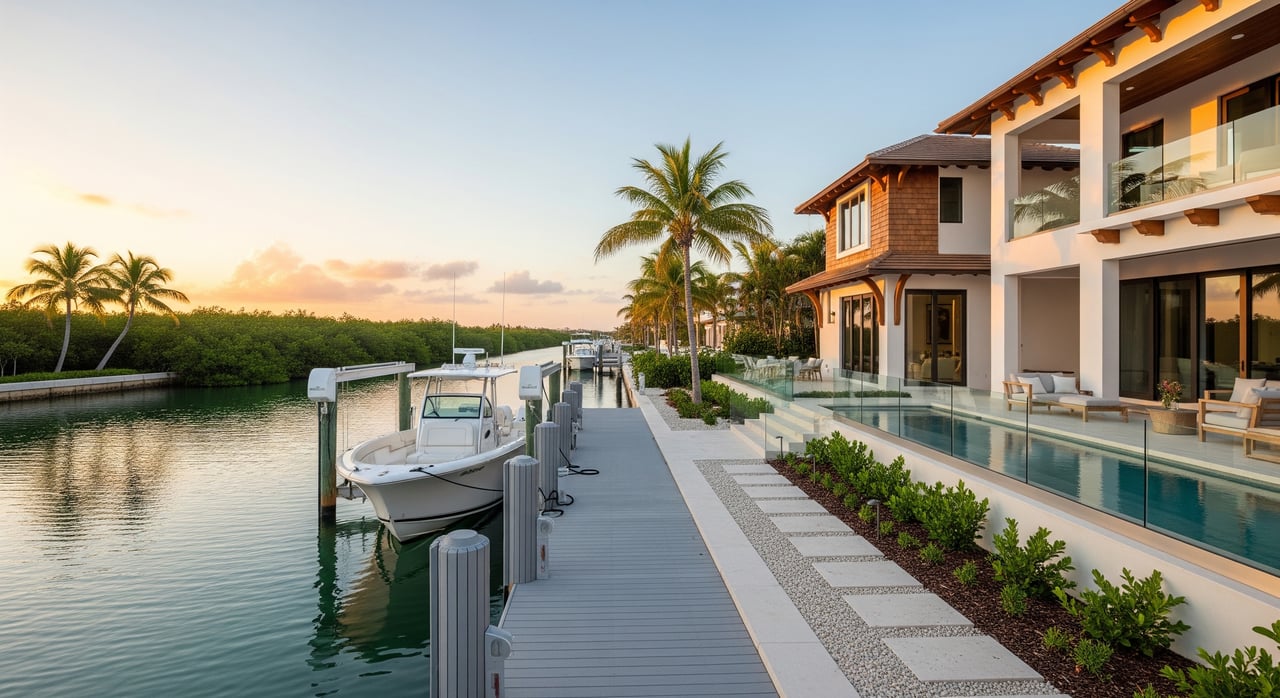
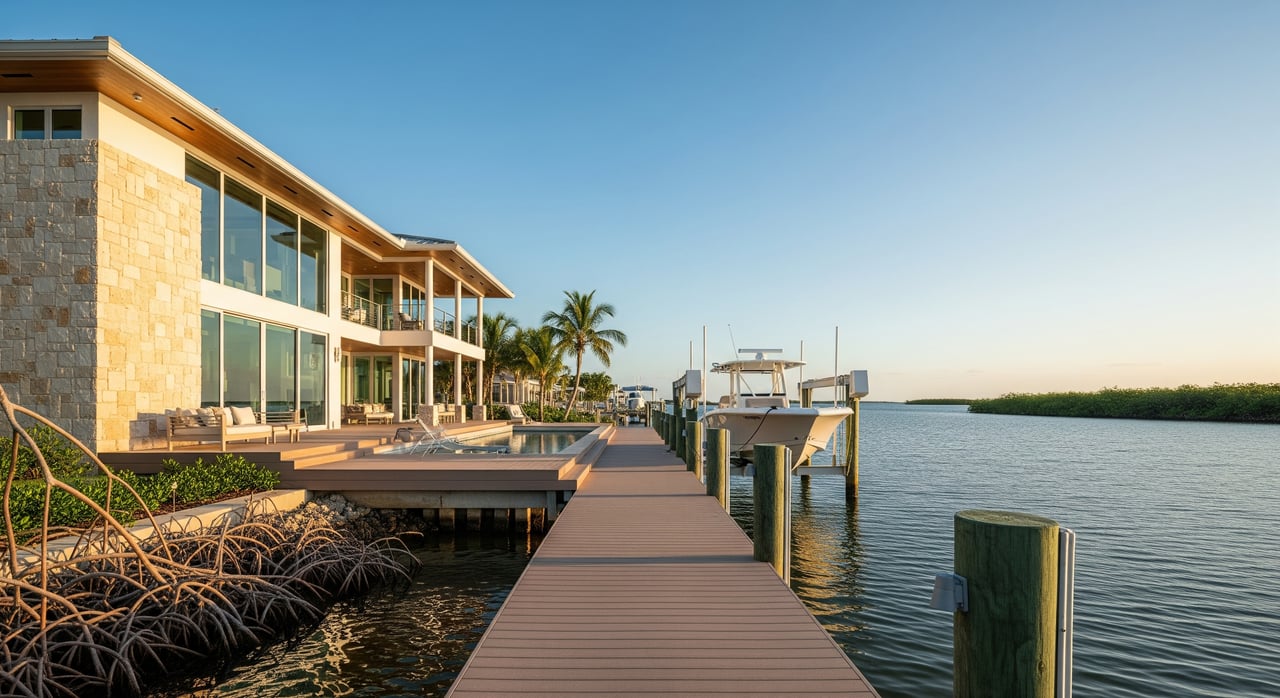
You will see simplified volumes, large glass areas, open floor plans, and natural materials used in a restrained, modern palette. Roofs are often metal or low pitch, with careful attention to shade and privacy.
Materials that last
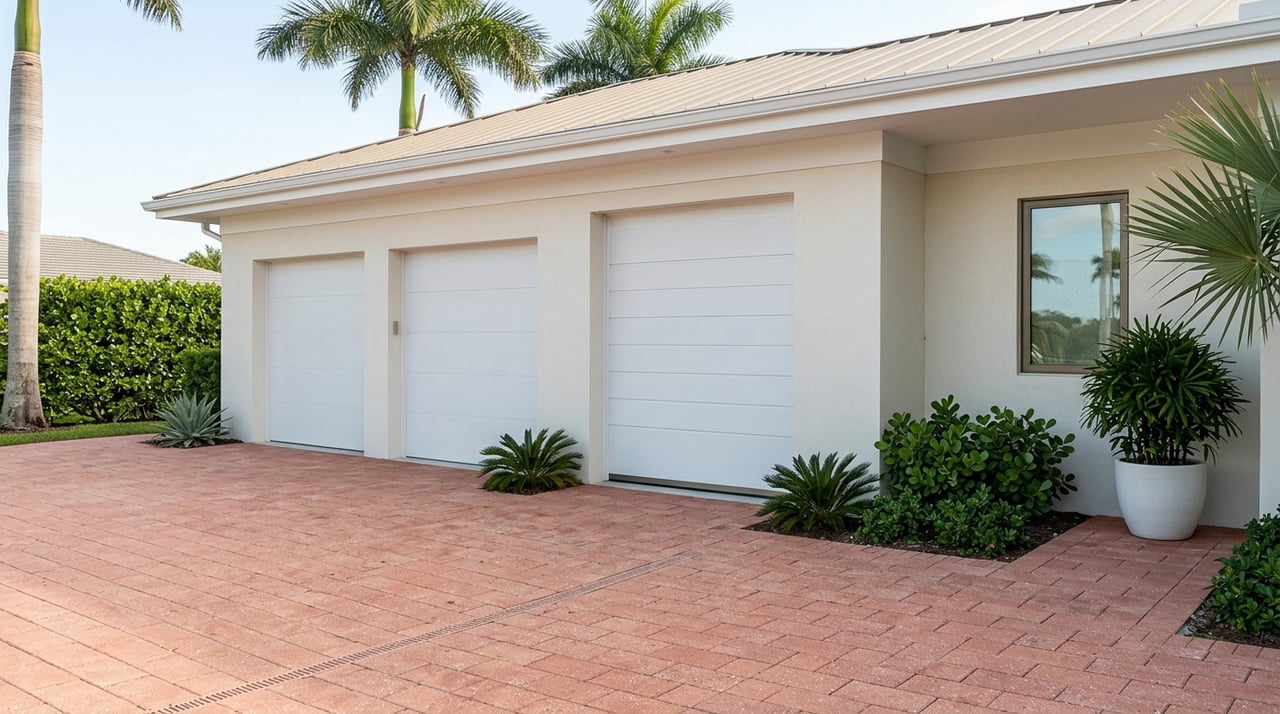
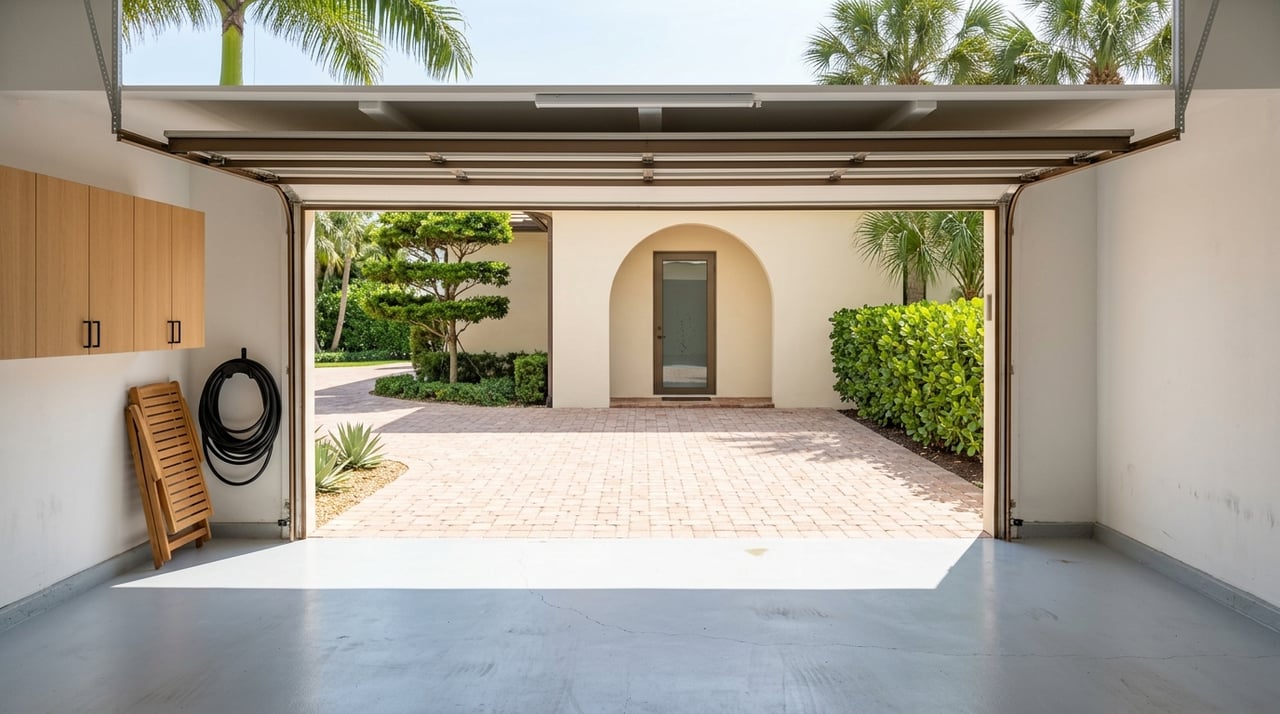
High-performance, impact-rated windows and doors are the norm, along with composite or engineered cladding that resists moisture and UV. Elevated footprints commonly include ground-level garage or storage, with mechanicals placed above flood levels.
Livability notes
Open layouts and glass connect indoors and outdoors. To maintain comfort and energy performance, thoughtful shading, overhangs, and glazing specifications are important.
Coastal materials that work here
Roofs
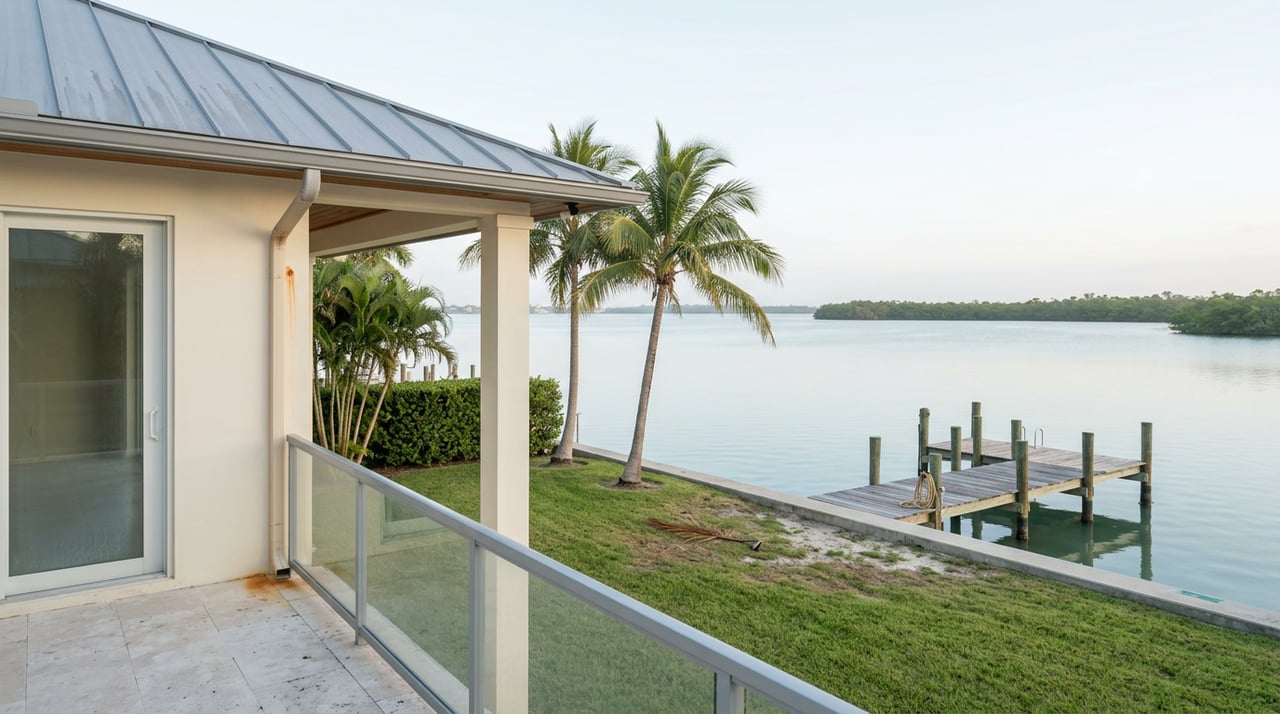
- Metal standing seam roofs offer strong wind performance and long service life. Light colors can reduce heat gain. Attachment details and fasteners matter.
- Architectural shingles fit cottage aesthetics. Choose high-wind-rated products and proper nailing patterns.
- Tile roofs suit Mediterranean designs. They are heavier and require engineered support and wind-uplift detailing.
Siding and cladding
- Wood clapboard or shiplap delivers classic appeal but needs routine paint and careful detailing at penetrations.
- Fiber-cement siding offers a wood look with greater resistance to moisture and rot, a common retrofit choice.
- Stucco requires proper flashing and drainage planes in humid coastal conditions.
- Composite PVC or engineered trims reduce repainting cycles for railings, soffits, and fascia.
Windows and doors
- Impact-rated glazing or code-compliant storm shutters are strongly recommended and often necessary for insurance considerations.
- Choose solid-core or impact-rated doors. Pay attention to thresholds and sills where flood design applies.
- Exterior hardware should be marine grade, such as 316 stainless steel, to resist corrosion.
Foundations and structure
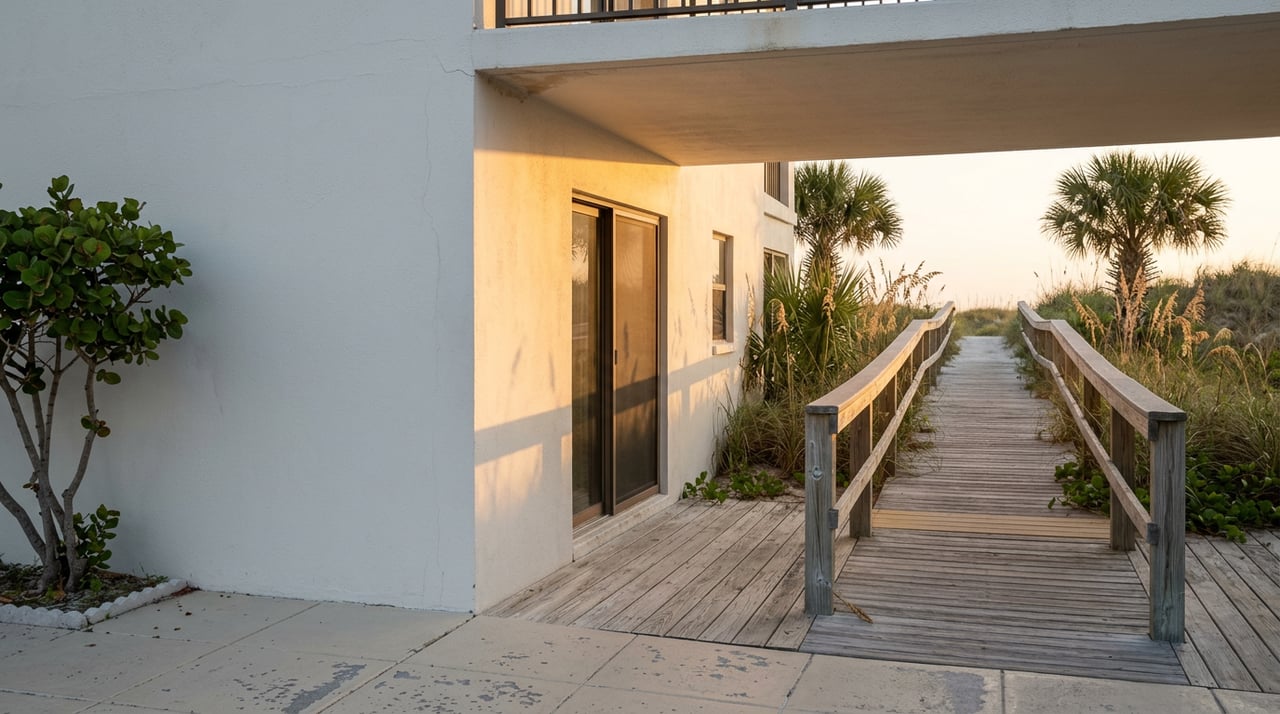
- Elevation on pilings or raised concrete foundations helps meet flood requirements and provides space for parking or storage below.
- Continuous load paths, tie-downs, and hurricane straps are key for wind resistance and code compliance.
Mechanicals and utilities
- Place HVAC units and electrical panels above anticipated flood levels when possible.
- Favor systems that manage humidity well. Consider corrosion-resistant components and protected enclosures at ground level.
Landscaping and site design
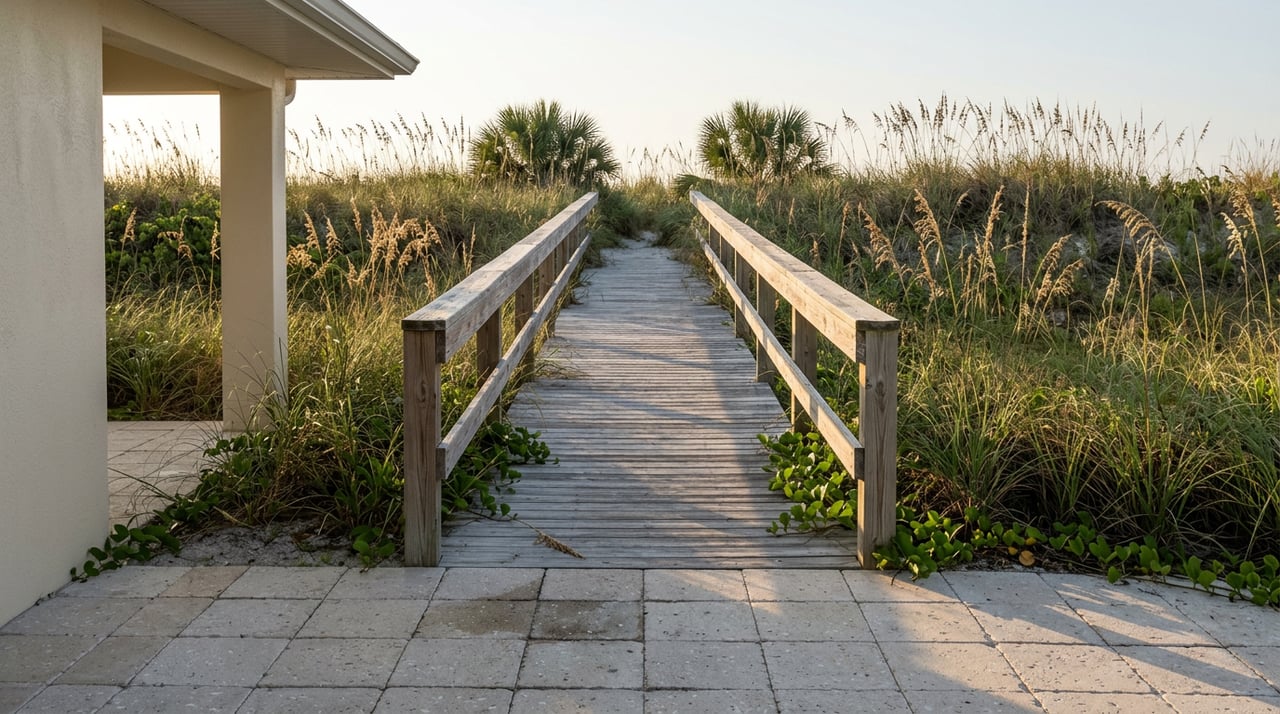
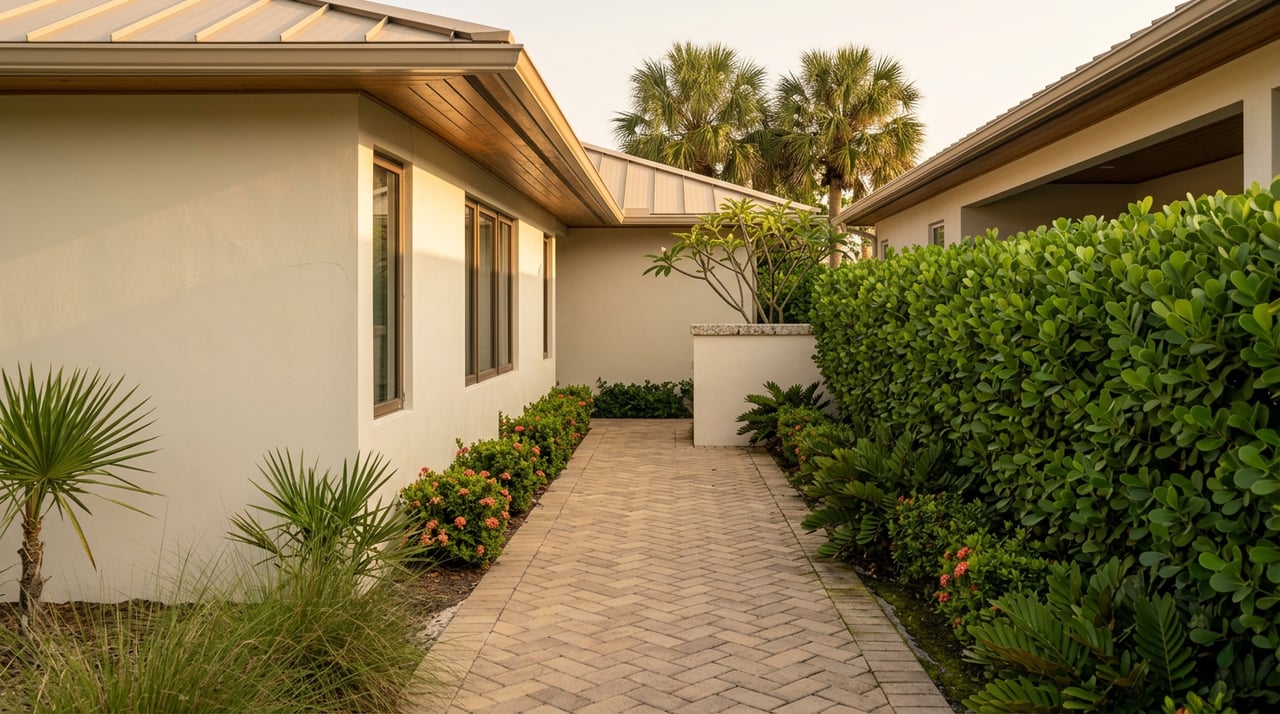
- Native, salt-tolerant plantings and dune-friendly vegetation help stabilize soils and support the island’s character.
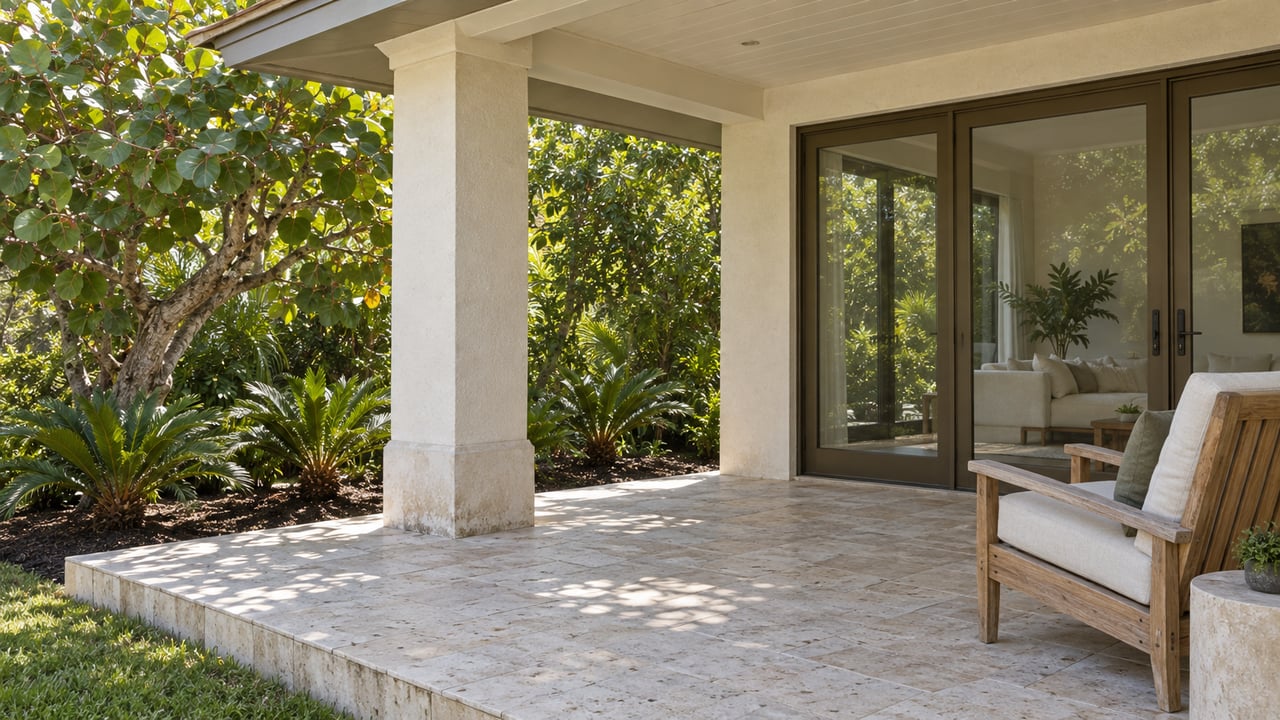
- Permeable pavers can assist with stormwater management.
Style, maintenance, and resale
Your preferred style will shape both everyday life and long-term costs. Here is how the tradeoffs often play out on Boca Grande.
- Old Florida and Key West styles deliver authentic curb appeal but rely on finishes that need more frequent inspection and painting. Porches are a lifestyle win and a resale plus.
- Mediterranean homes may have lower routine paint needs, yet stucco and tile roof repairs are specialized. Courtyards add privacy and luxury appeal.
- Contemporary coastal designs use composites and advanced glazing to reduce exterior maintenance, though large glass areas demand attention to shading and HVAC performance.
Features that move the needle on value include porches and galleries, impact protection, elevation above flood levels, and engineered foundations. Buyers often favor homes that stay true to the island’s scale and character while quietly upgrading to durable materials.
Quick buyer checklist
- Confirm FEMA flood zone, current Base Flood Elevation, and request elevation certificates.
- Verify wind ratings, impact windows, shutters, and roof age or upgrade history.
- Inspect foundation type and condition, including pilings or slab.
- Document exterior materials, paint history, and use of corrosion-resistant fasteners.
- Check placement of HVAC, water heaters, and electrical panels relative to flood levels.
- Review any association or design rules that affect changes.
- Ask for insurance history and prior storm-related claims.
Smart coastal upgrades
- For a traditional look with lower upkeep: fiber-cement or engineered siding with wood trim accents plus a metal roof with coastal-grade fasteners.
- For porches and decks: tropical hardwoods with proper detailing or capped composite systems, and stainless fasteners.
- For openings: impact-rated windows and doors certified to Florida coastal standards, or code-compliant shutters.
- For comfort and resilience: elevate or protect mechanicals and choose HVAC systems tuned for dehumidification.
Local guidance that respects the island
Selecting the right style, materials, and mitigation features requires an understanding of Boca Grande’s coastal context and aesthetic traditions. You benefit from a team that balances design sensibility with practical guidance on elevation, wind protection, and long-term maintenance. If you are evaluating options on Gasparilla Island or considering a renovation that honors the local vernacular while reducing upkeep, we can help you align your wish list with what performs here.
Ready to explore properties with a top Boca Grande real estate agent? Connect with Jeff Moore for a private, concierge-level consultation.
FAQs
What home styles define Boca Grande?
- Old Florida cottages, Key West and West Indies–inspired designs, Mediterranean influences, and contemporary coastal homes are the most visible styles on the island.
Do porches help resale on Boca Grande?
- Yes. Porches and galleries support the island lifestyle, add daily living space, and are frequently cited as premium features by buyers.
Are Mediterranean tile roofs practical on the island?
- They can work well if the structure is engineered for the weight and wind uplift, with proper detailing and maintenance for coastal conditions.
Will impact windows change a historic cottage’s look?
- Modern impact glazing can be specified in profiles that suit traditional trim, and functional or decorative shutters help preserve the classic appearance.
How do flood zones affect design and cost on Gasparilla Island?
- Many properties require elevated living areas and impact protection, which influence layout and insurance; elevation certificates and mitigation features are important for budgeting and resale.