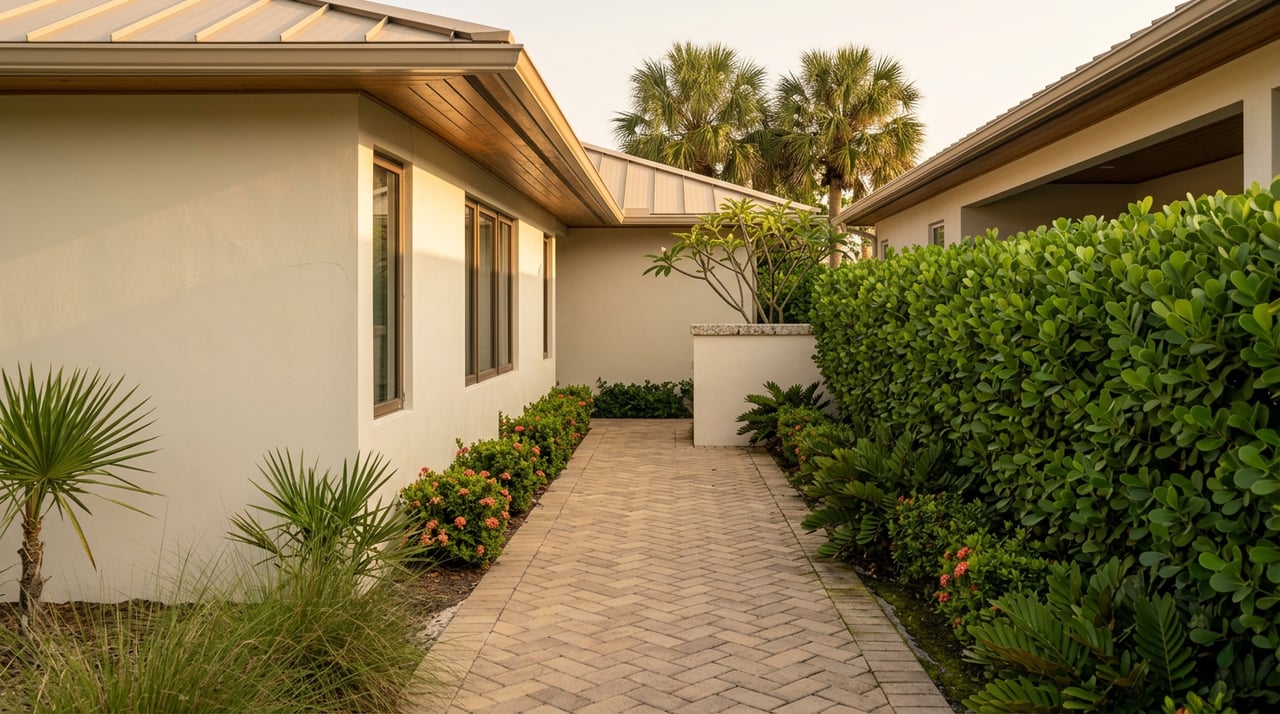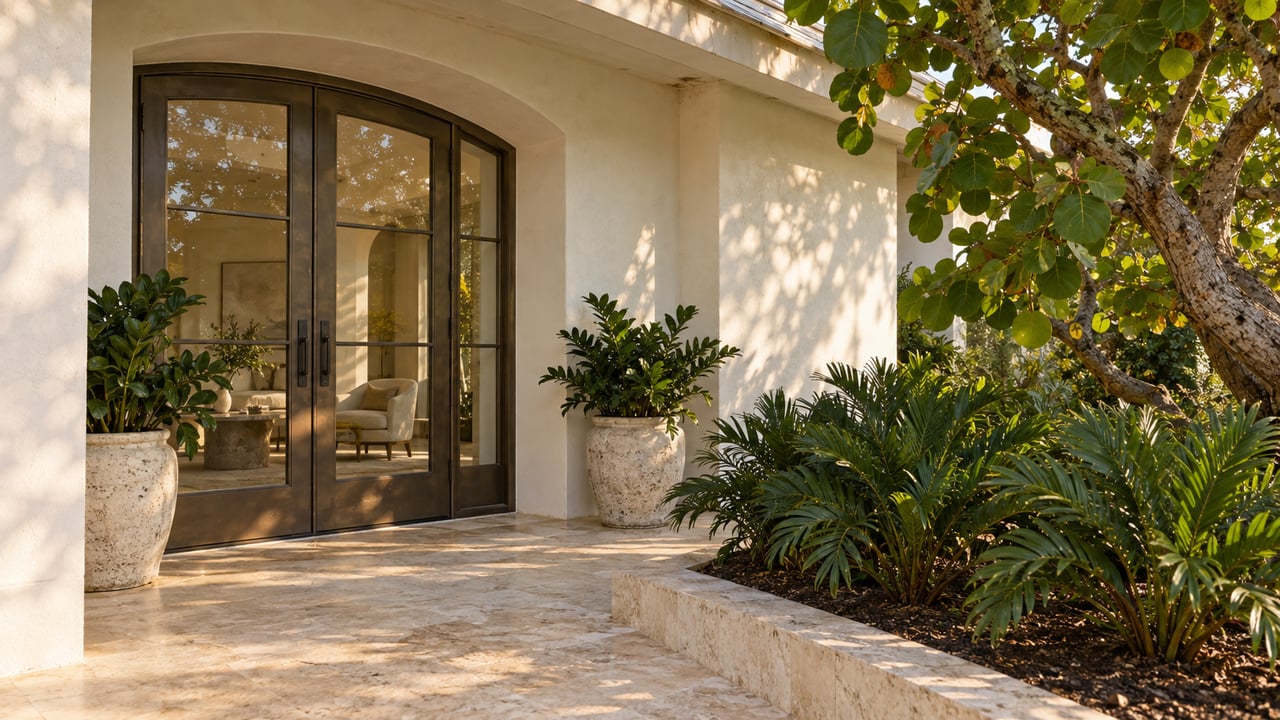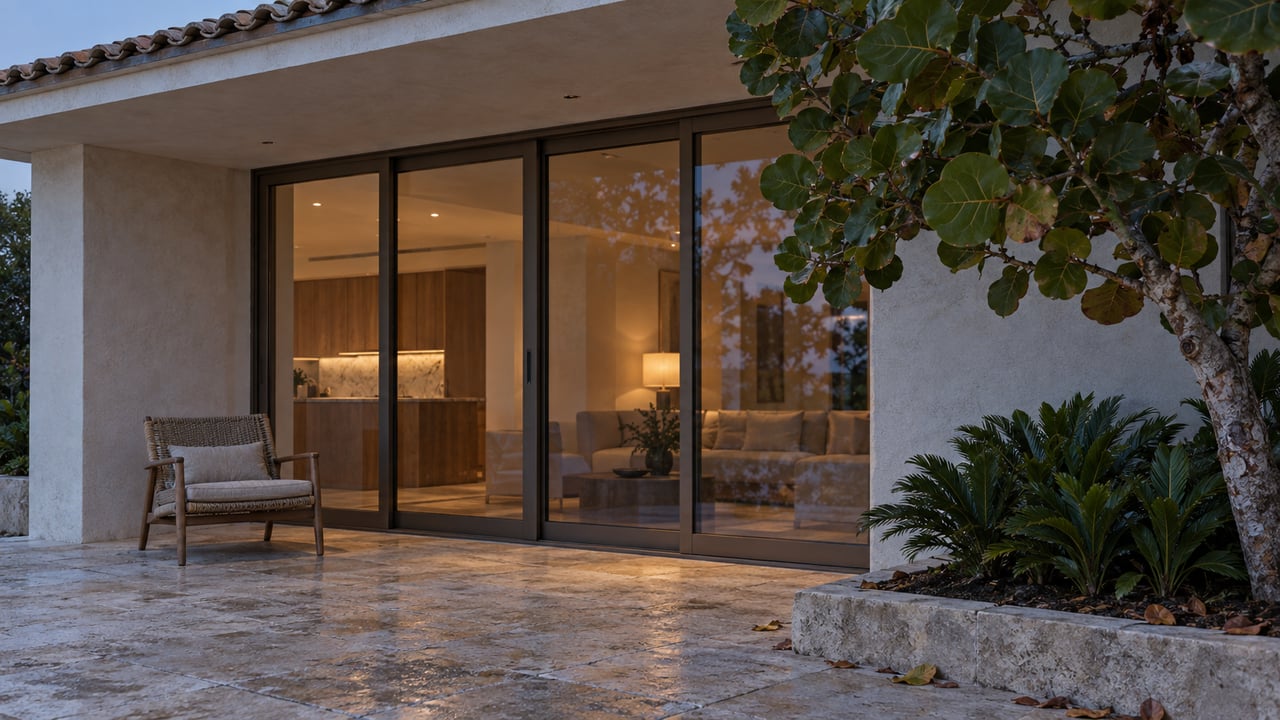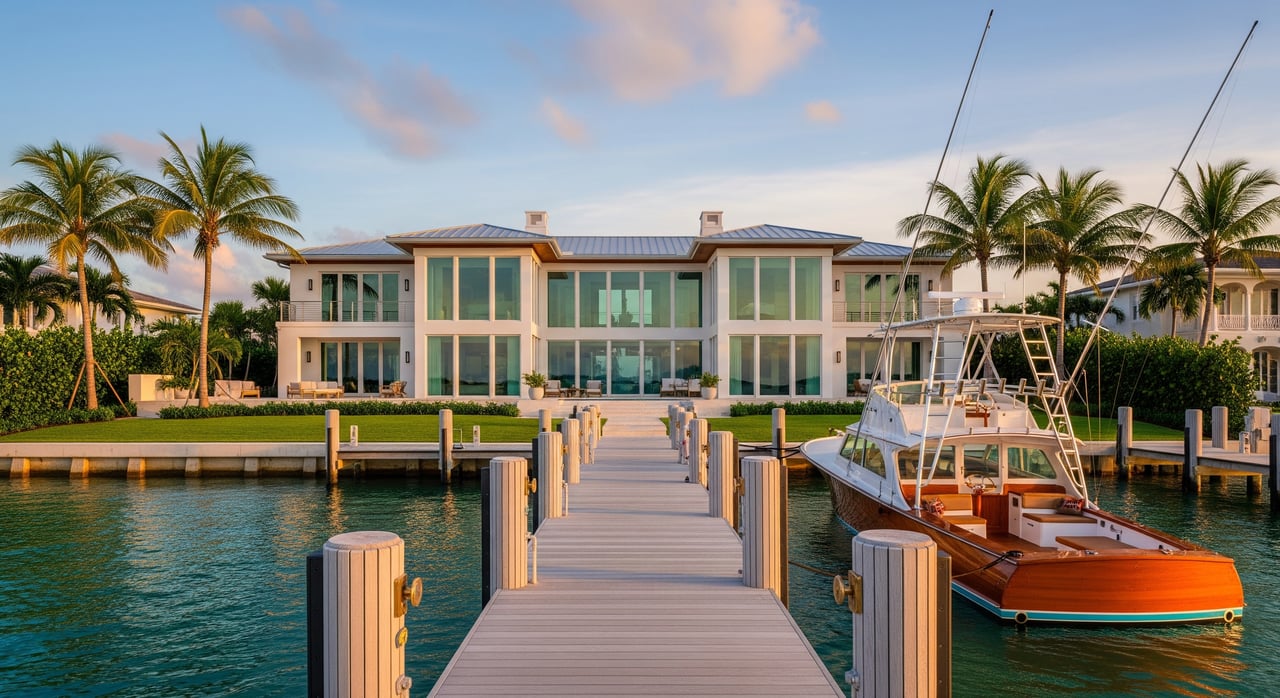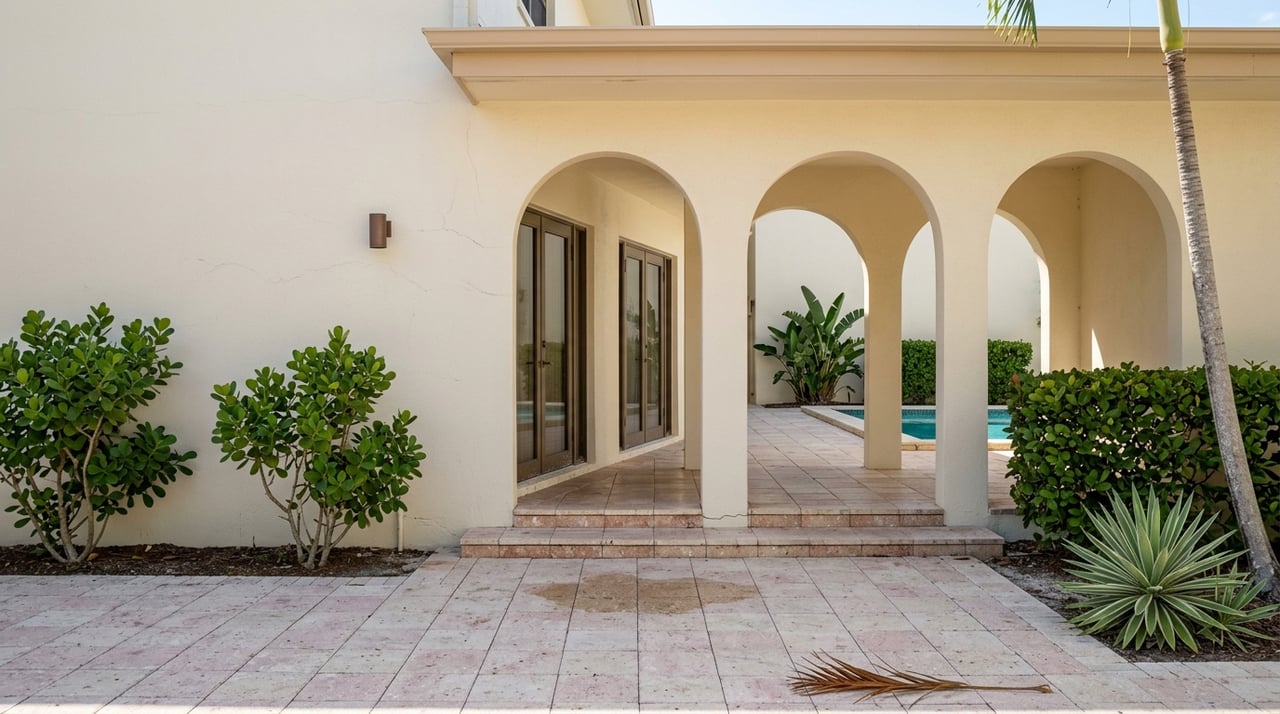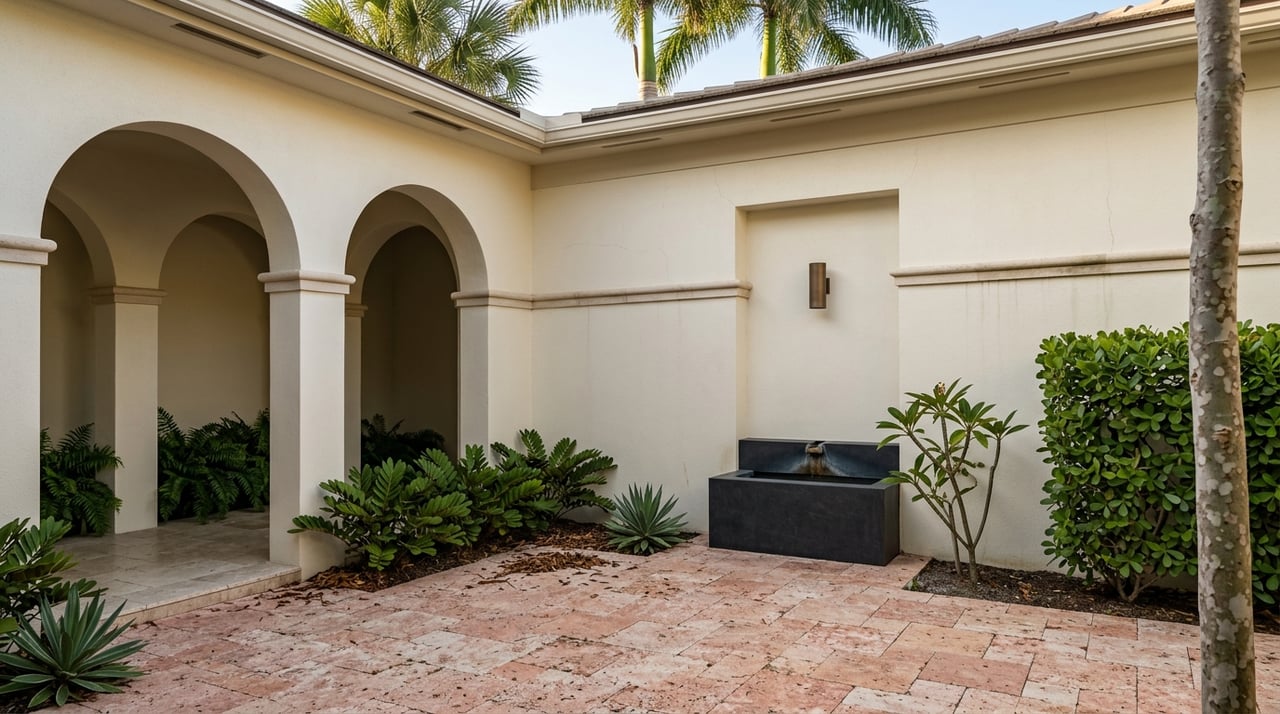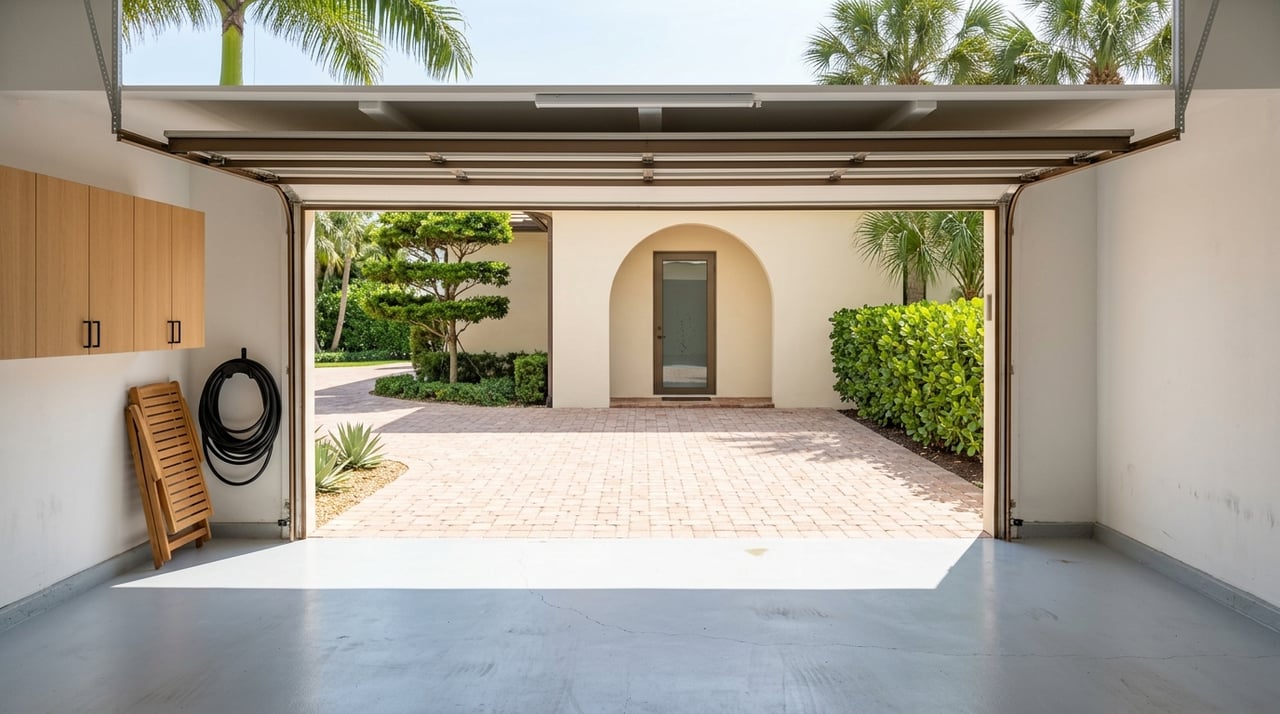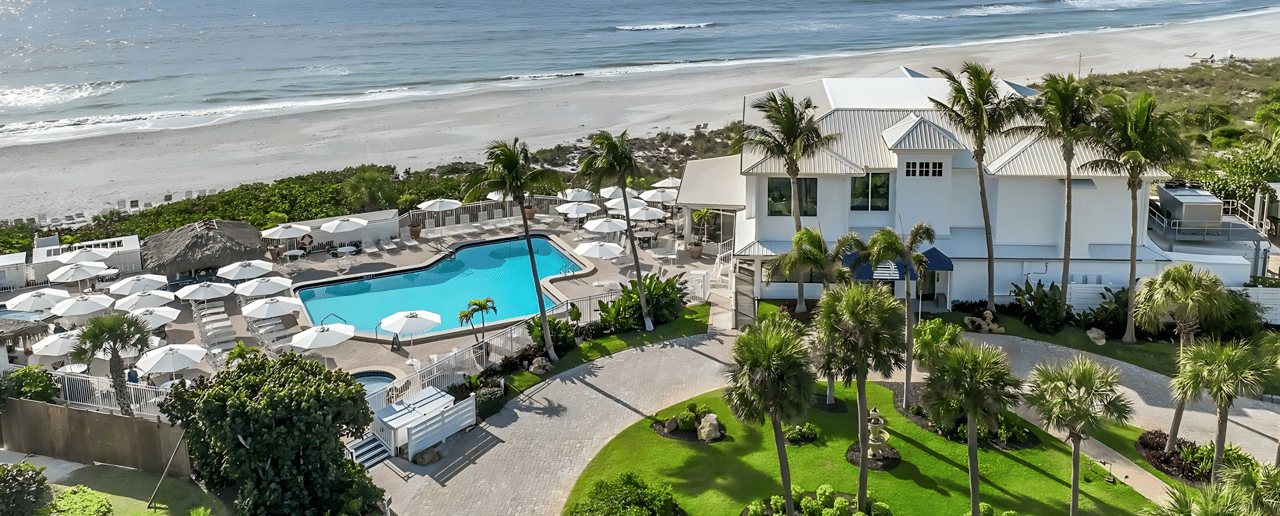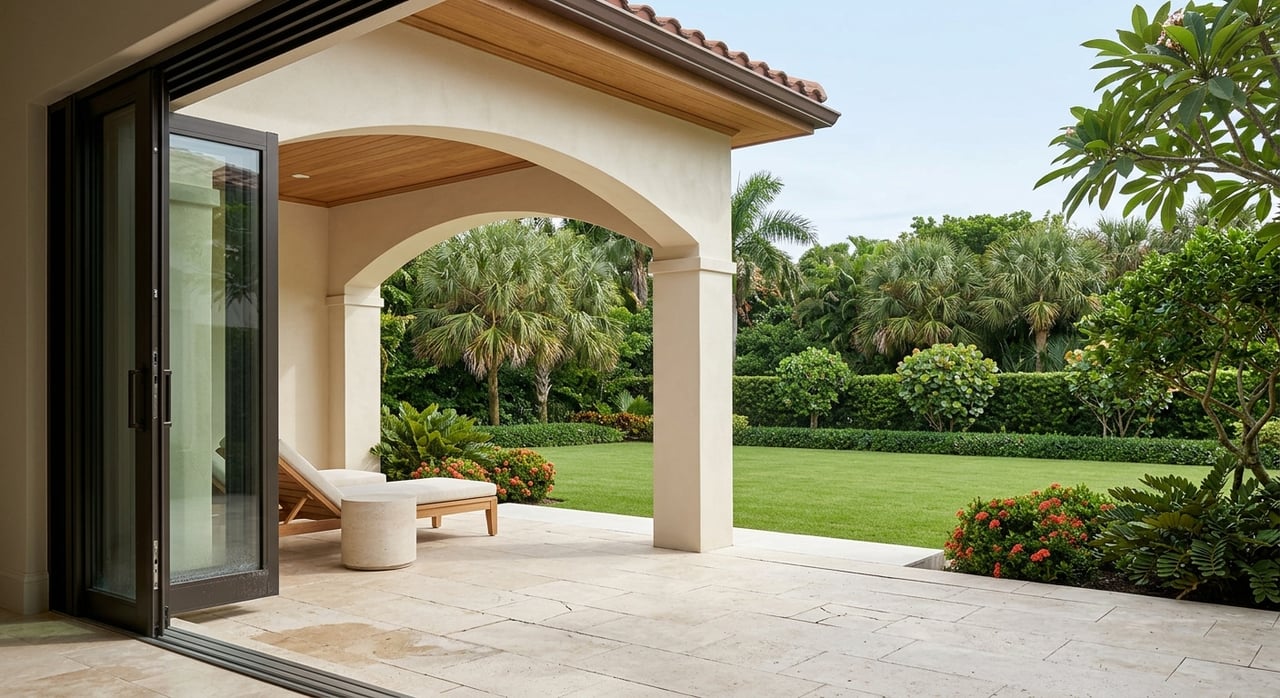
If you are drawn to Boca Grande for its calm, composed beauty, the area around Gasparilla Golf Club helps explain why. Here, architecture and views do not compete with the landscape. They work together, creating a setting that feels private, low-scale, and deeply tied to the island’s history. If you are buying, selling, or simply trying to understand what makes this part of Boca Grande so distinctive, this guide will help you see the design patterns that shape the experience. Let’s dive in.
Why This Setting Feels Different
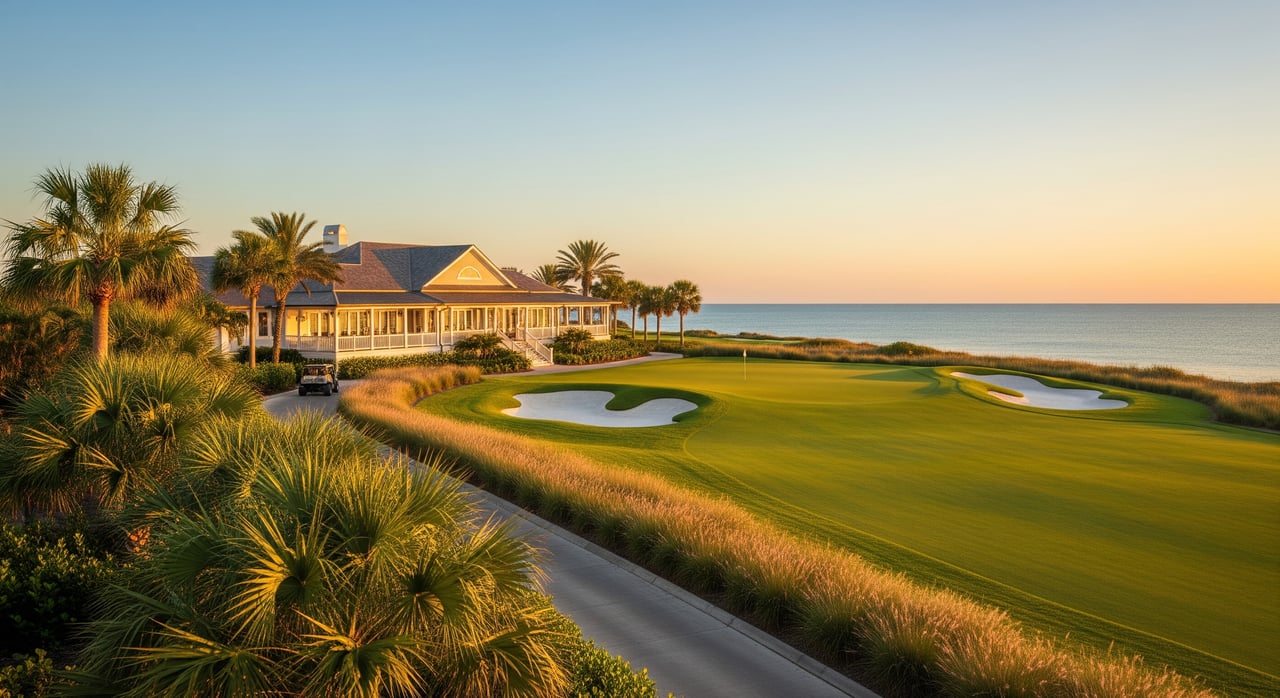
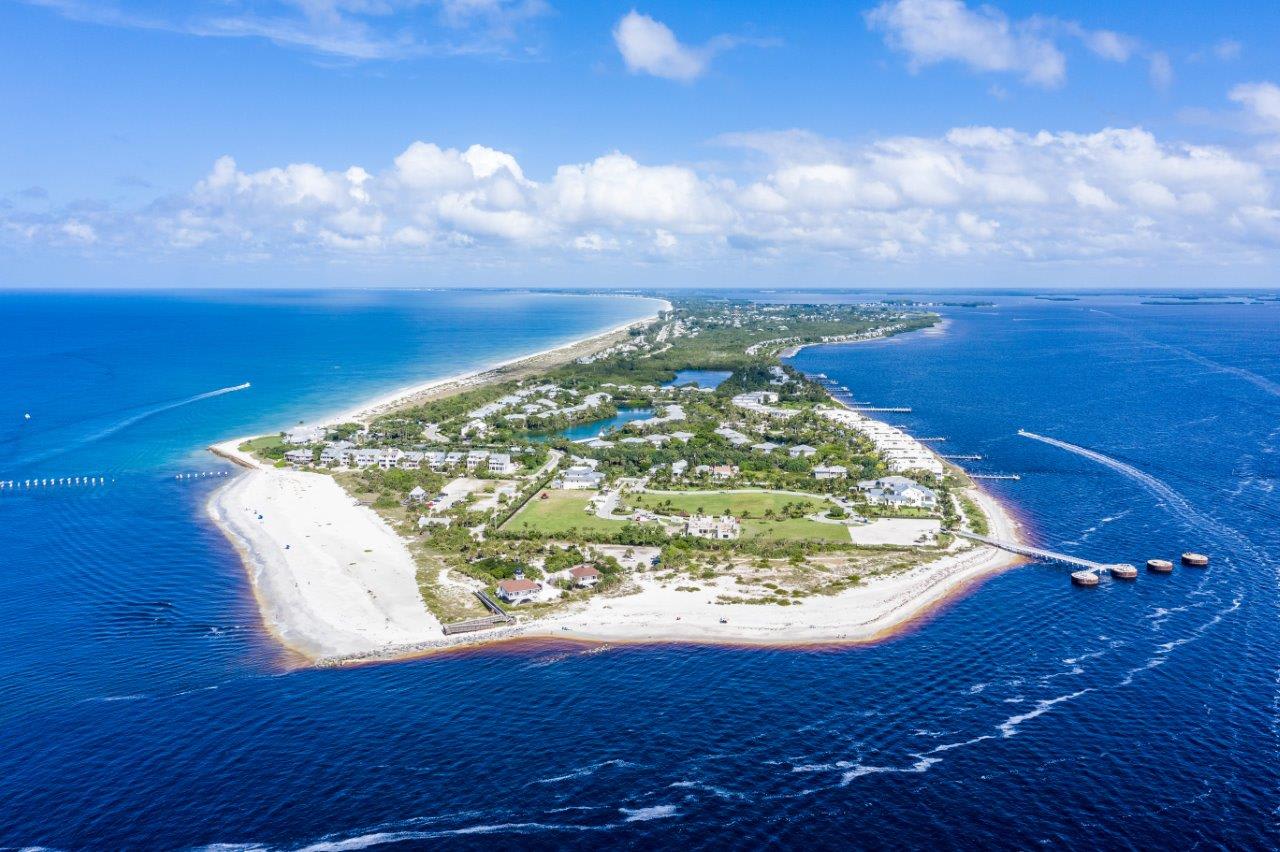
Gasparilla Golf Club sits within a tightly defined island-resort environment on Gasparilla Island, part of the Boca Grande community at the mouth of Charlotte Harbor. According to the Gasparilla Inn, the course is a par-72, 7,049-yard Pete Dye design surrounded by Charlotte Harbor and Florida’s Gulf Coast, and play is limited to guests and members. That physical setting gives the area a sense of enclosure and calm that feels very different from a more open mainland golf community.
The island’s development history also matters. Lee County notes that Boca Grande first grew through phosphate shipping, then the railroad, and later winter-resort demand. Because the island remained relatively isolated until the Boca Grande Causeway opened in 1958, much of its compact, low-rise character stayed intact.
Boca Grande’s Architectural Language
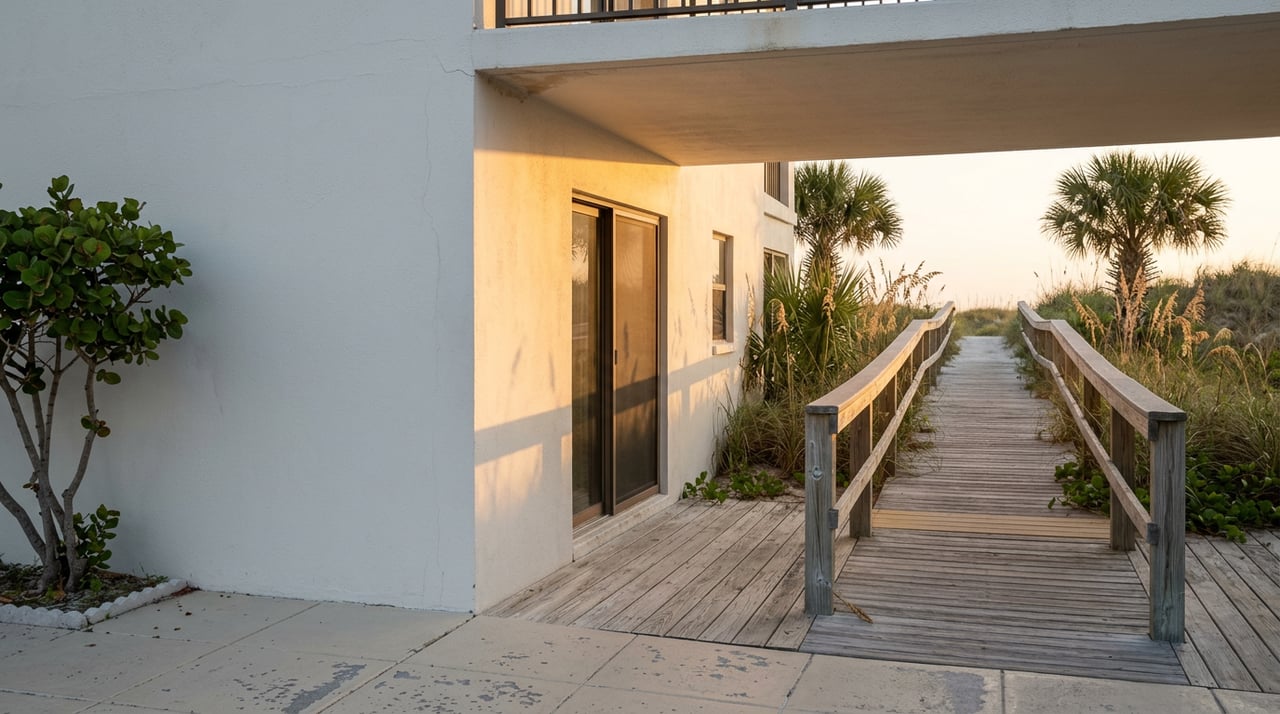
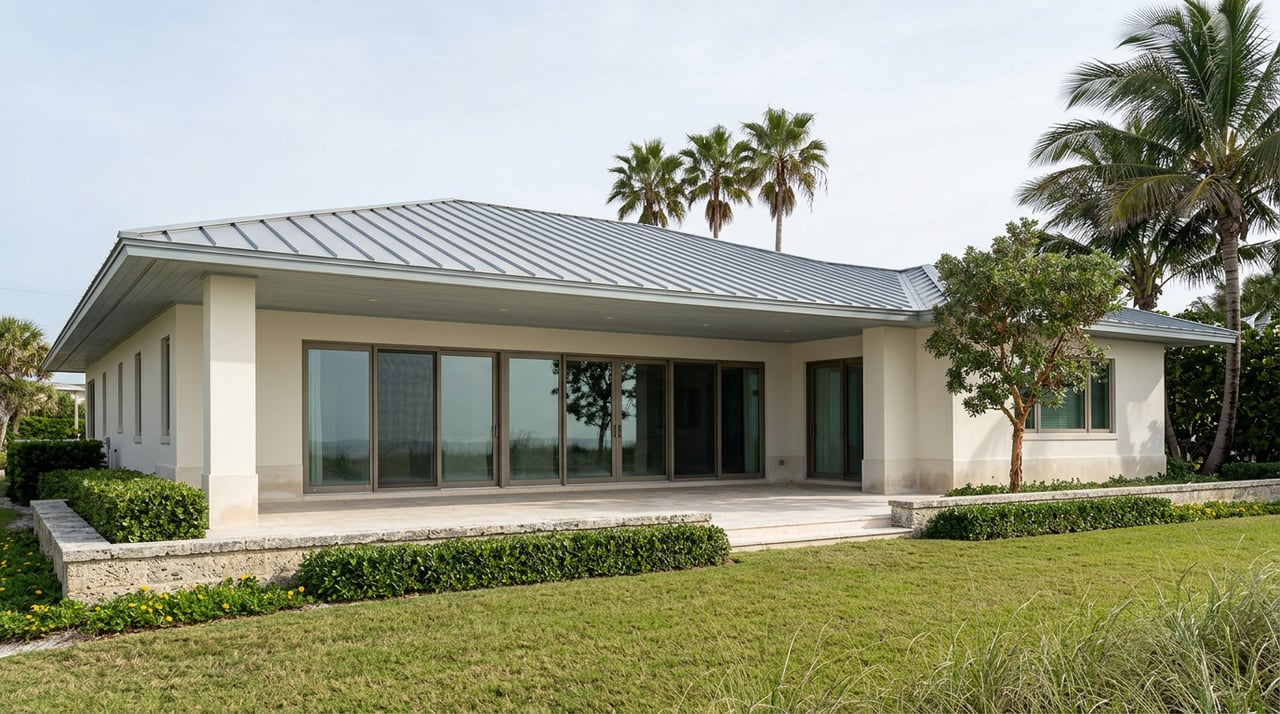
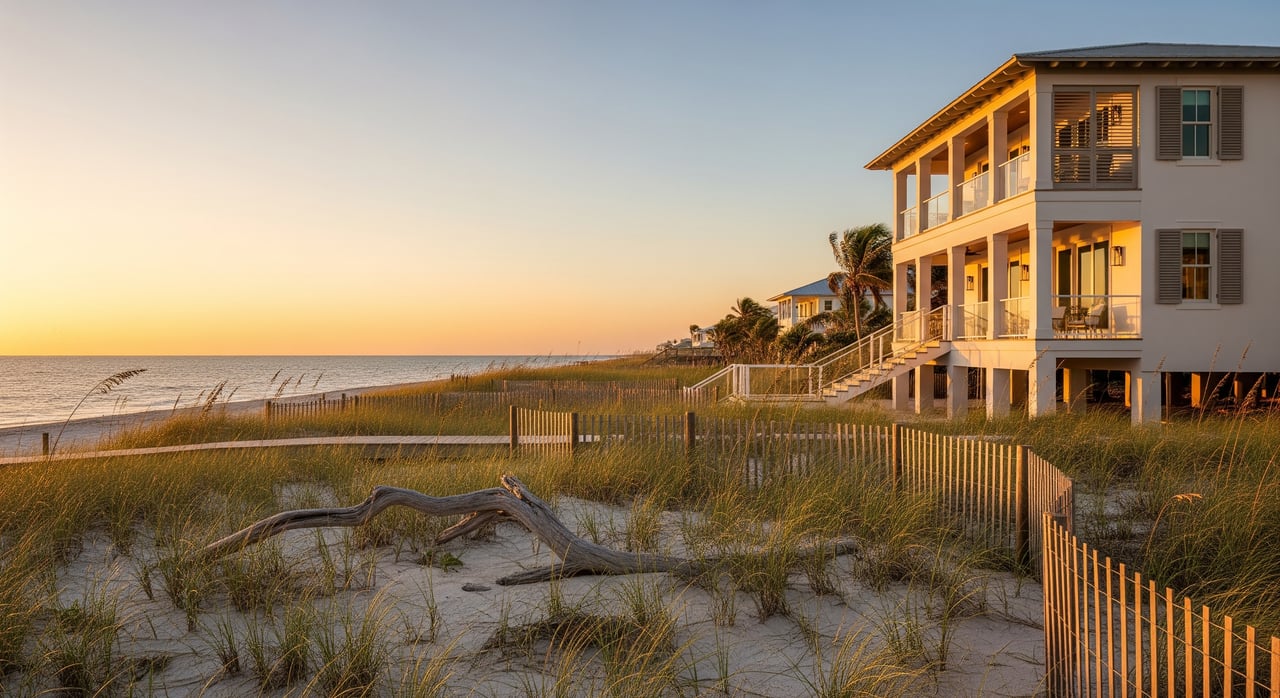
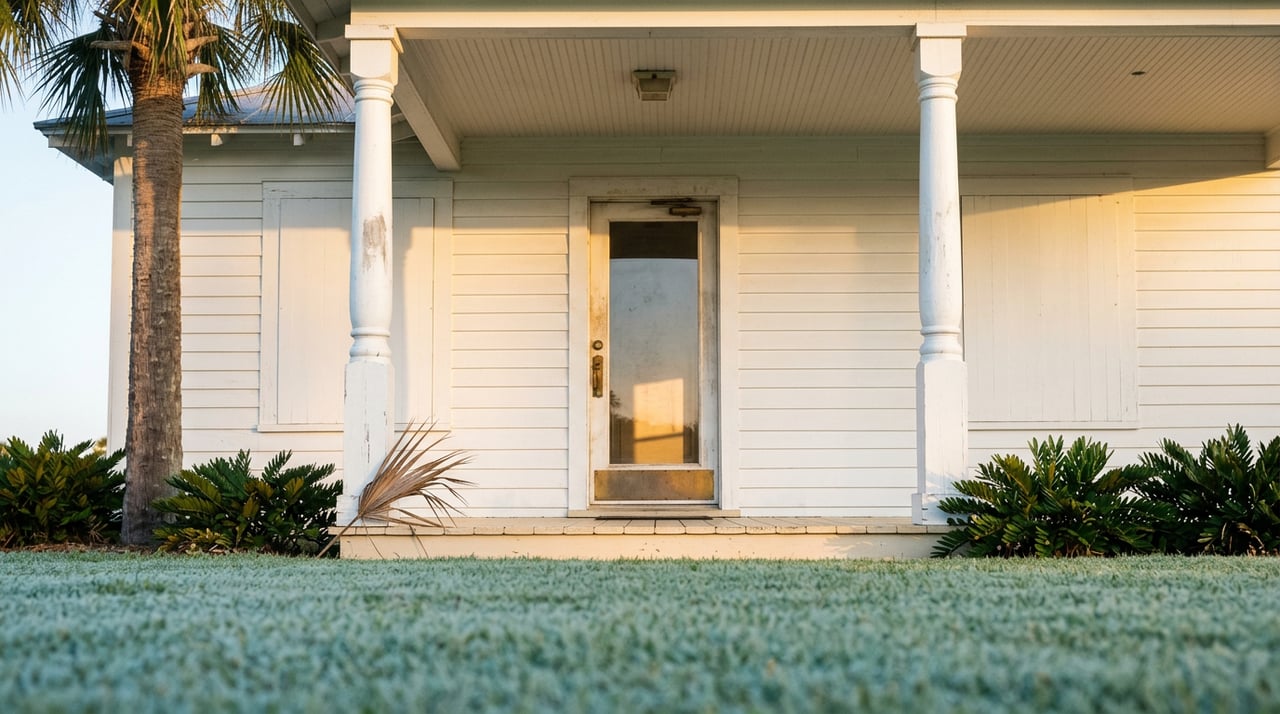
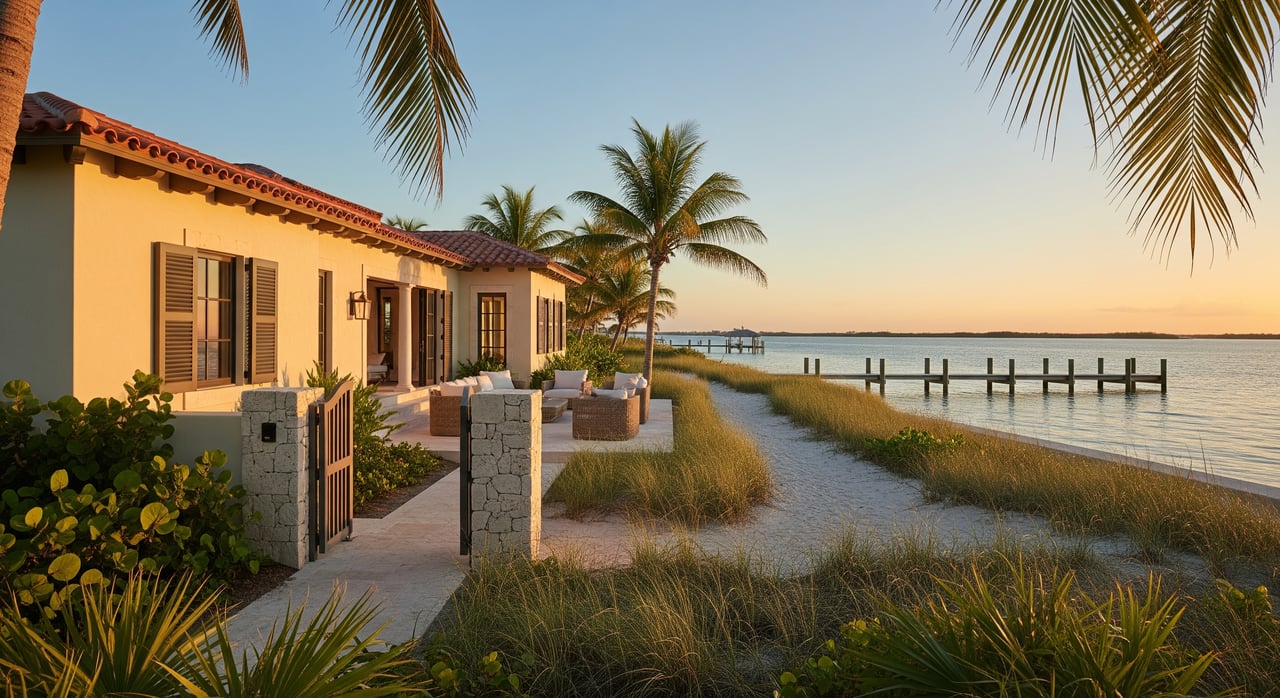
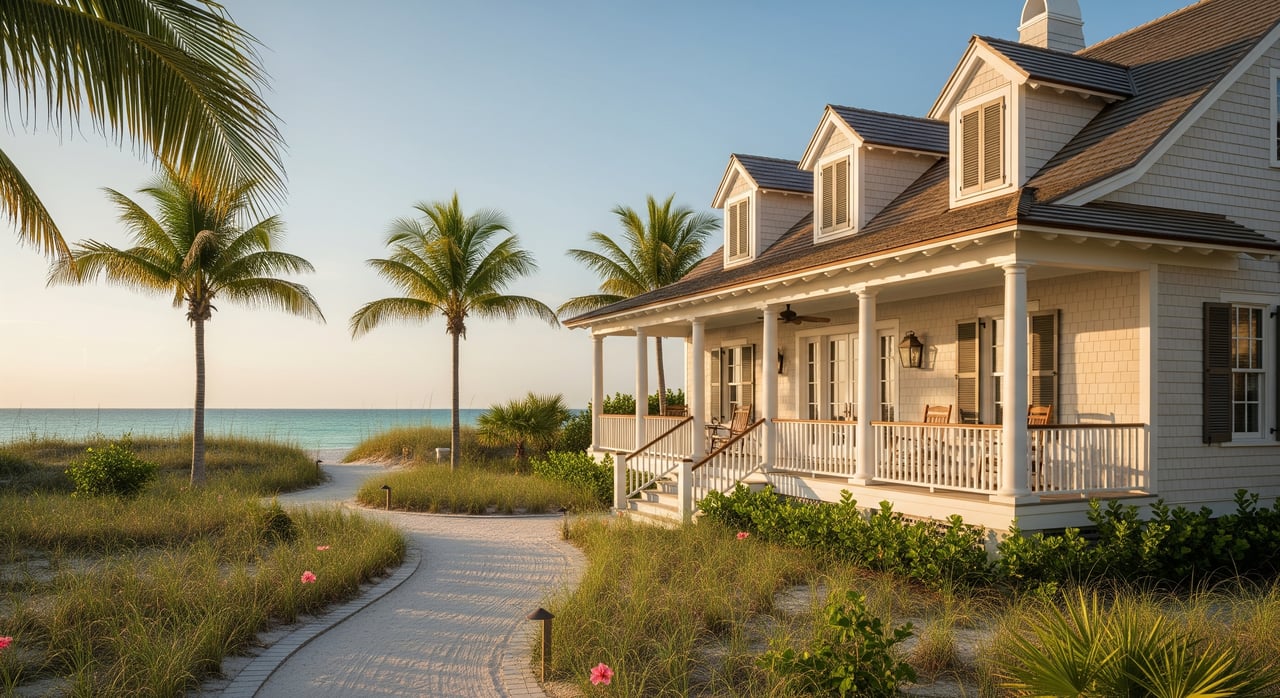
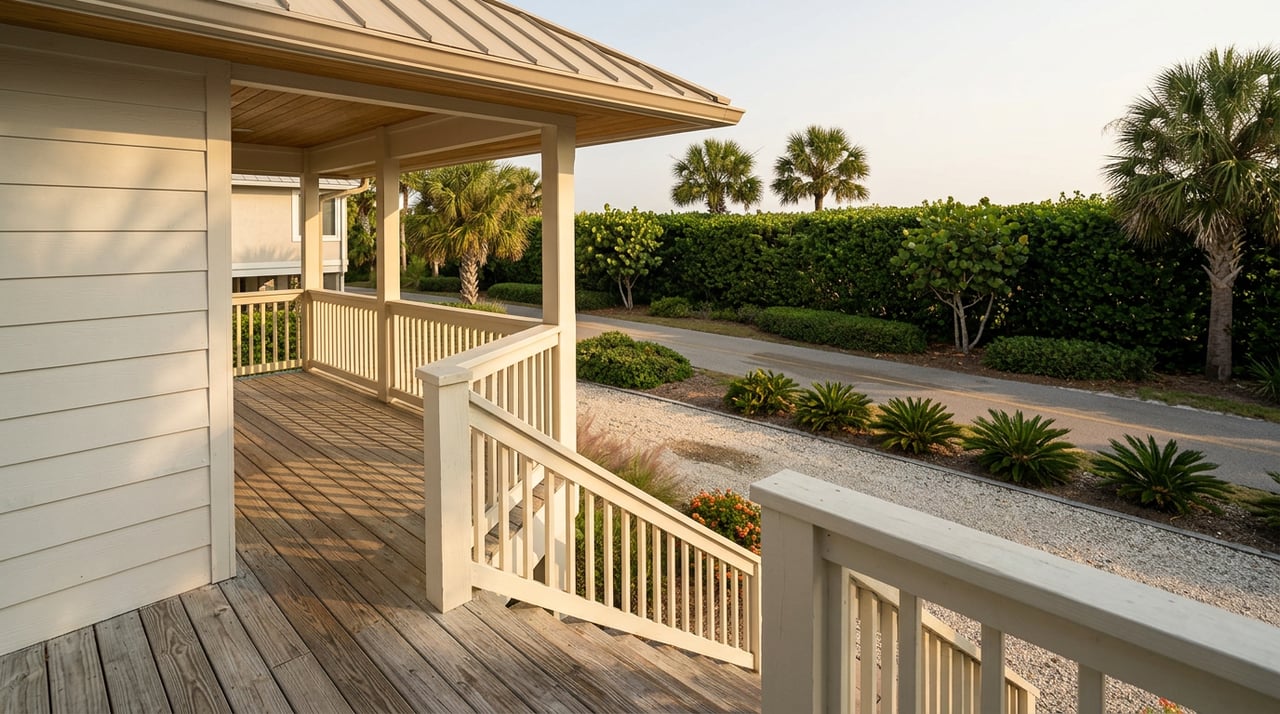
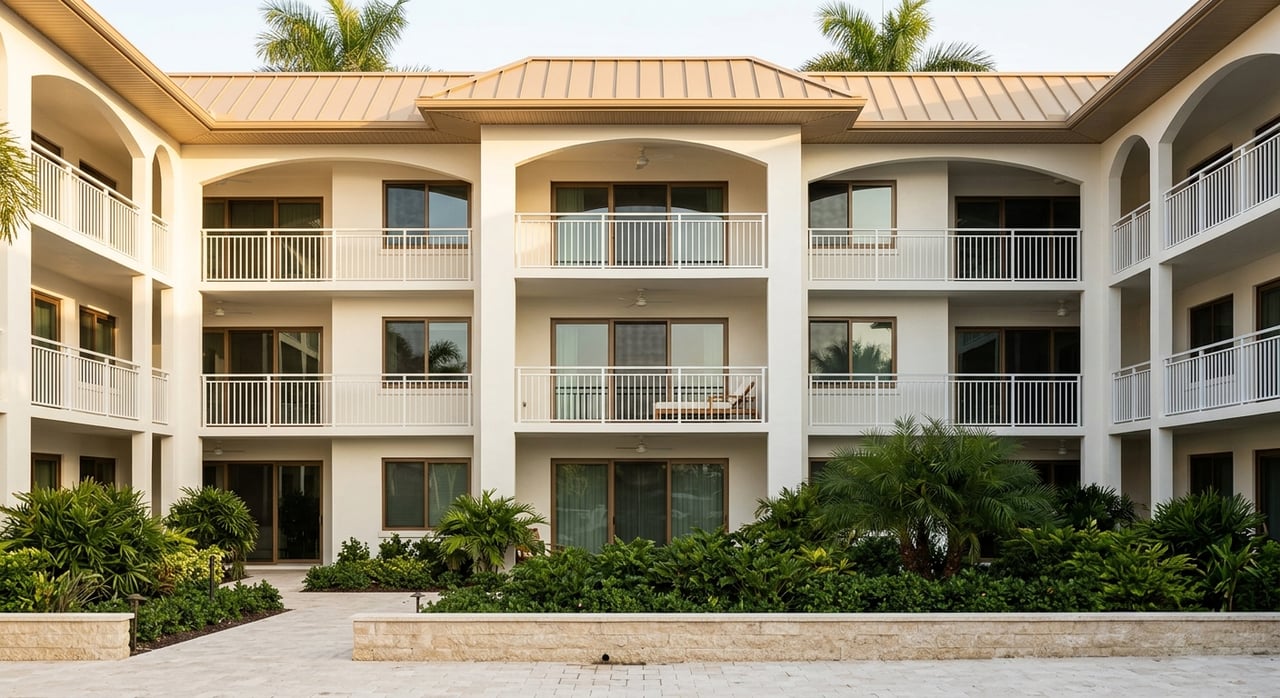
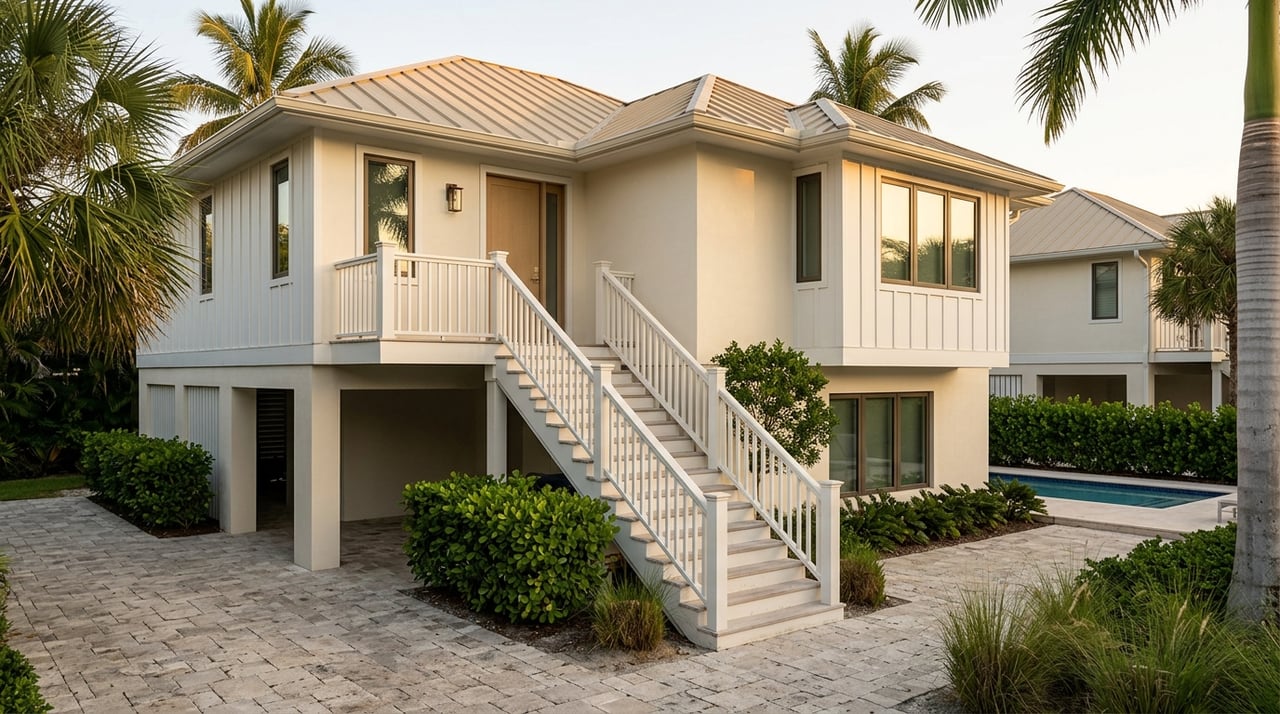
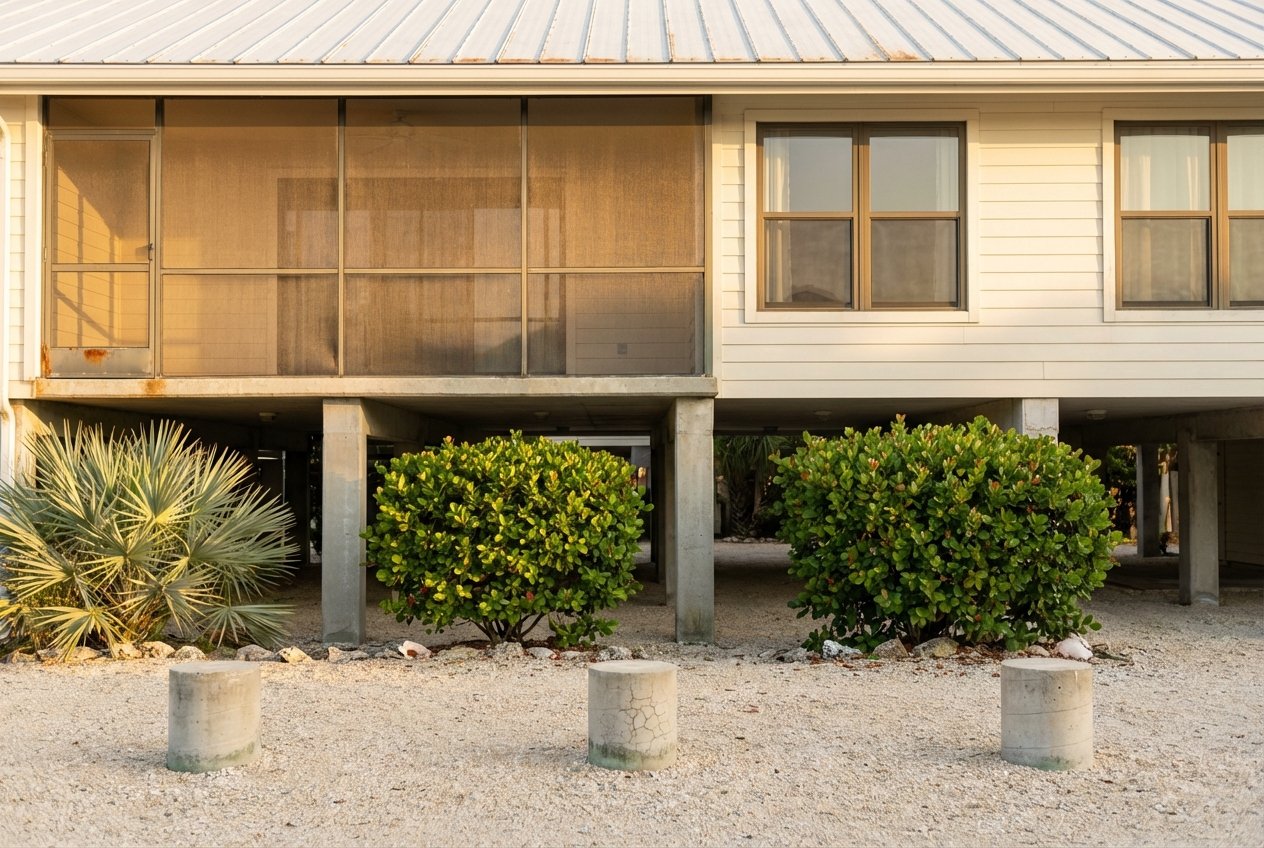
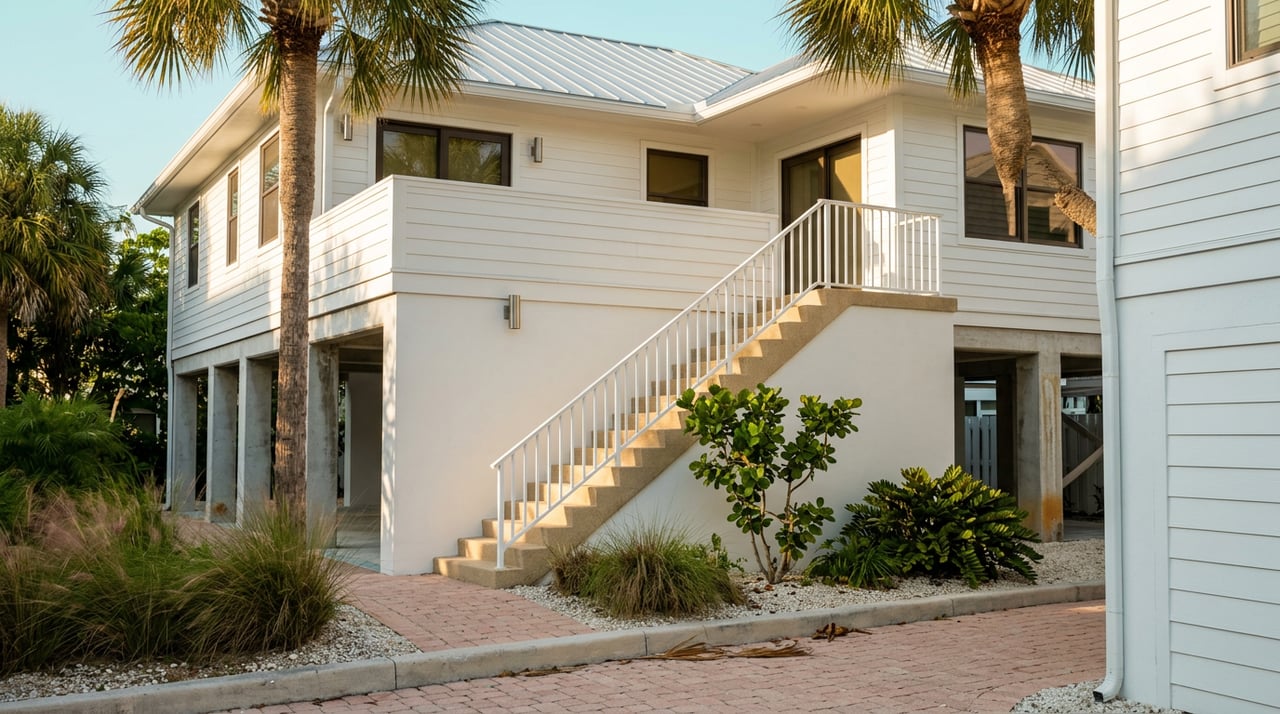
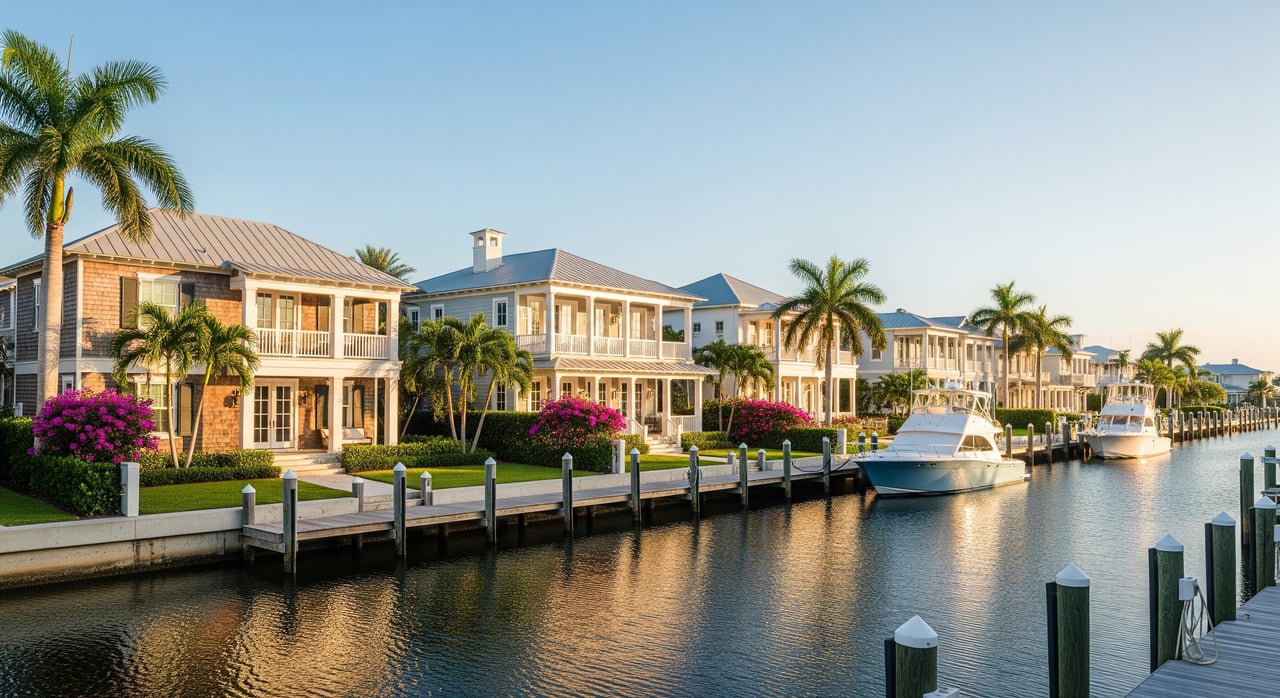
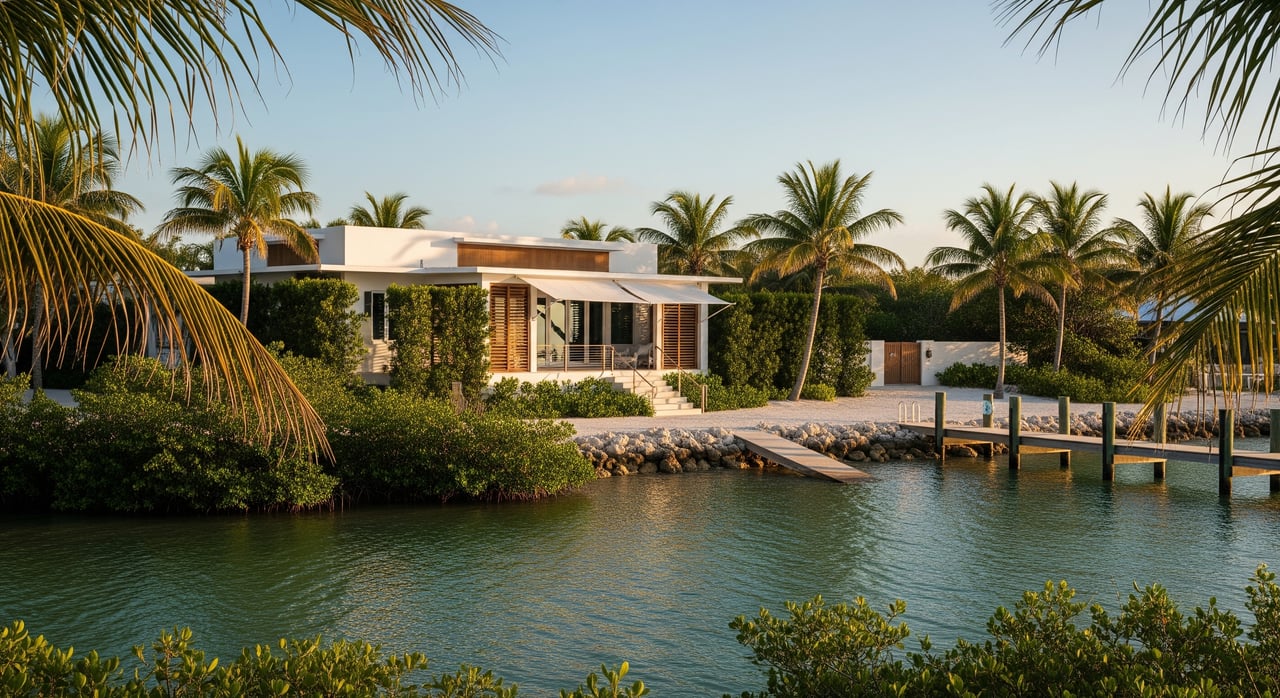
Around Gasparilla Golf Club, architecture makes the strongest impression when it feels rooted in the island rather than imposed on it. Lee County describes Boca Grande’s early buildings as practical responses to a subtropical barrier-island climate. Wide eaves, covered porches, louvered shutters, raised floors, high ceilings, and rainwater cisterns were all part of that early design logic.
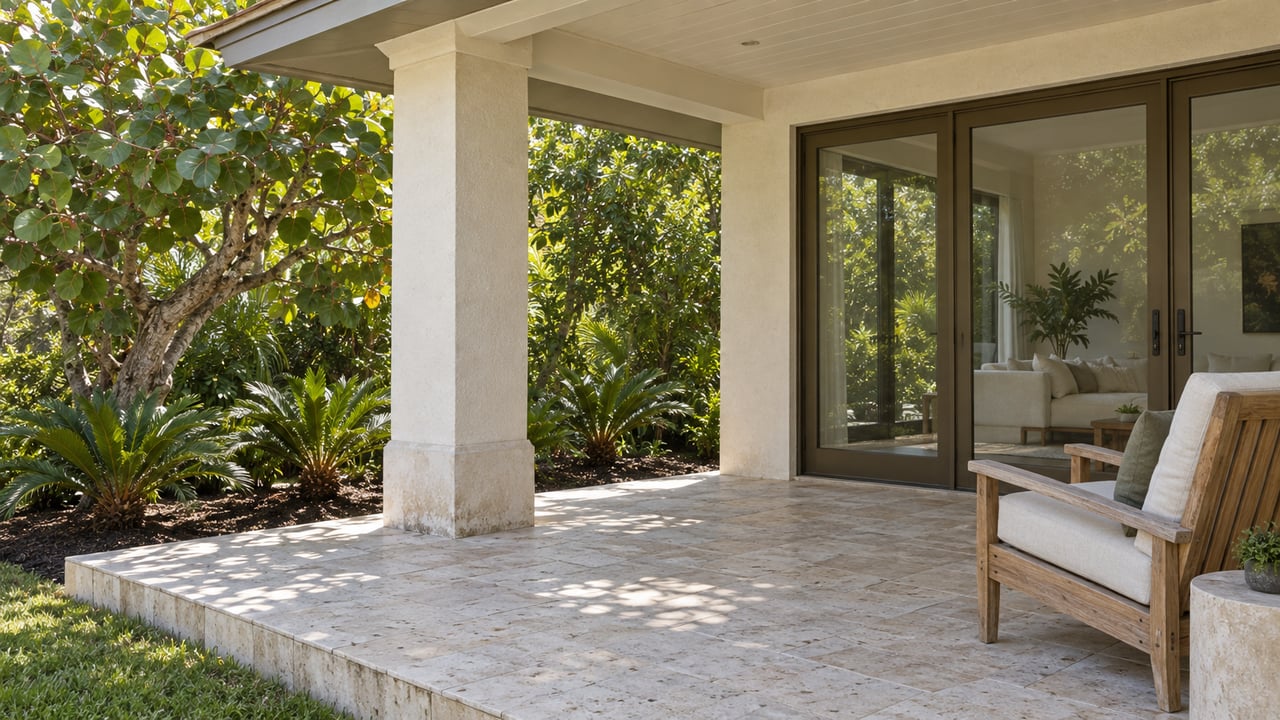
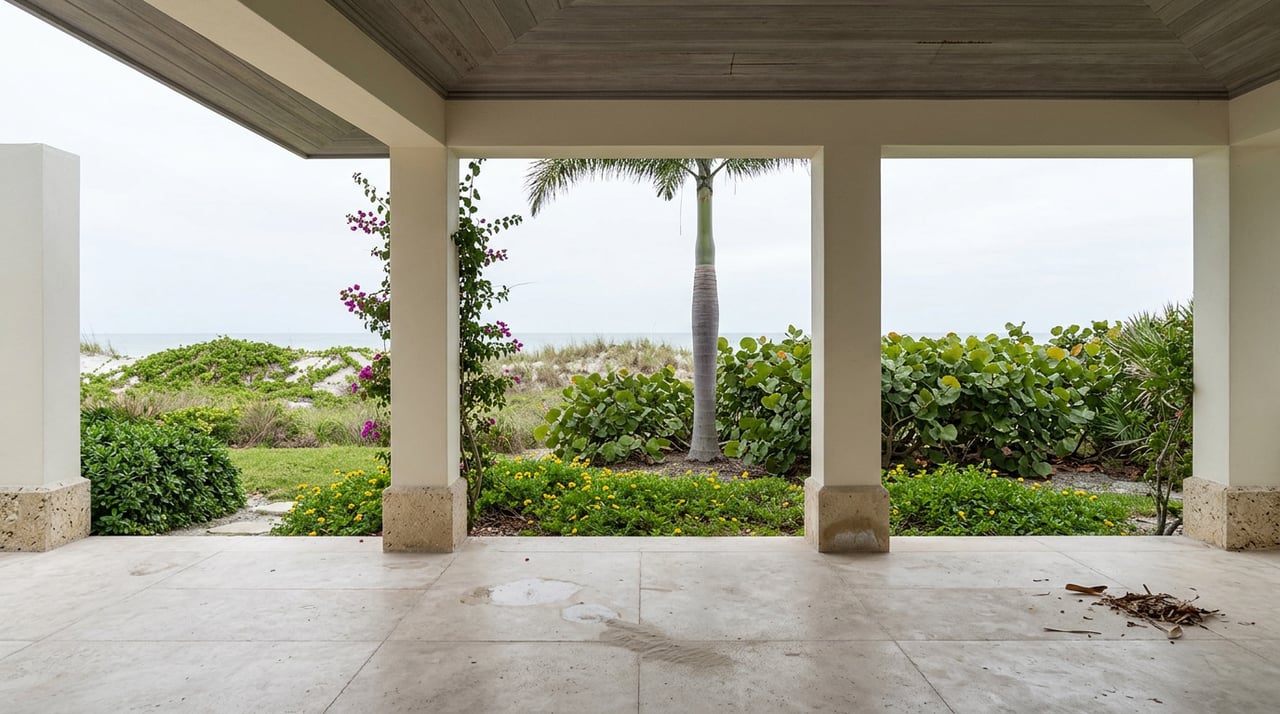
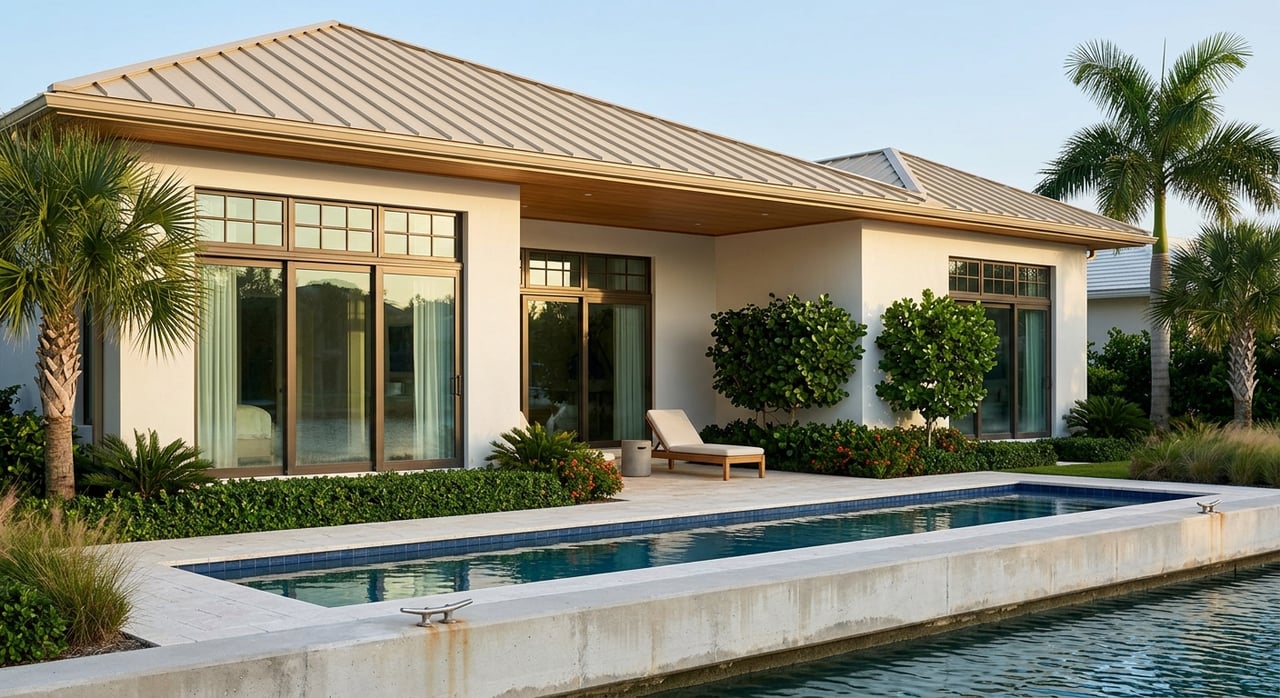
Those features still shape how many homes feel today, even when the construction is newer. You often see houses that favor shade, airflow, and outdoor living over showy scale. The result is a streetscape and golf-side setting that feels measured and comfortable rather than oversized.
Styles You Are Most Likely to See
Lee County identifies several architectural styles within the Boca Grande Historic District. Near the club and in the broader island setting, the most established mix includes:
- Bungalow
- Frame vernacular
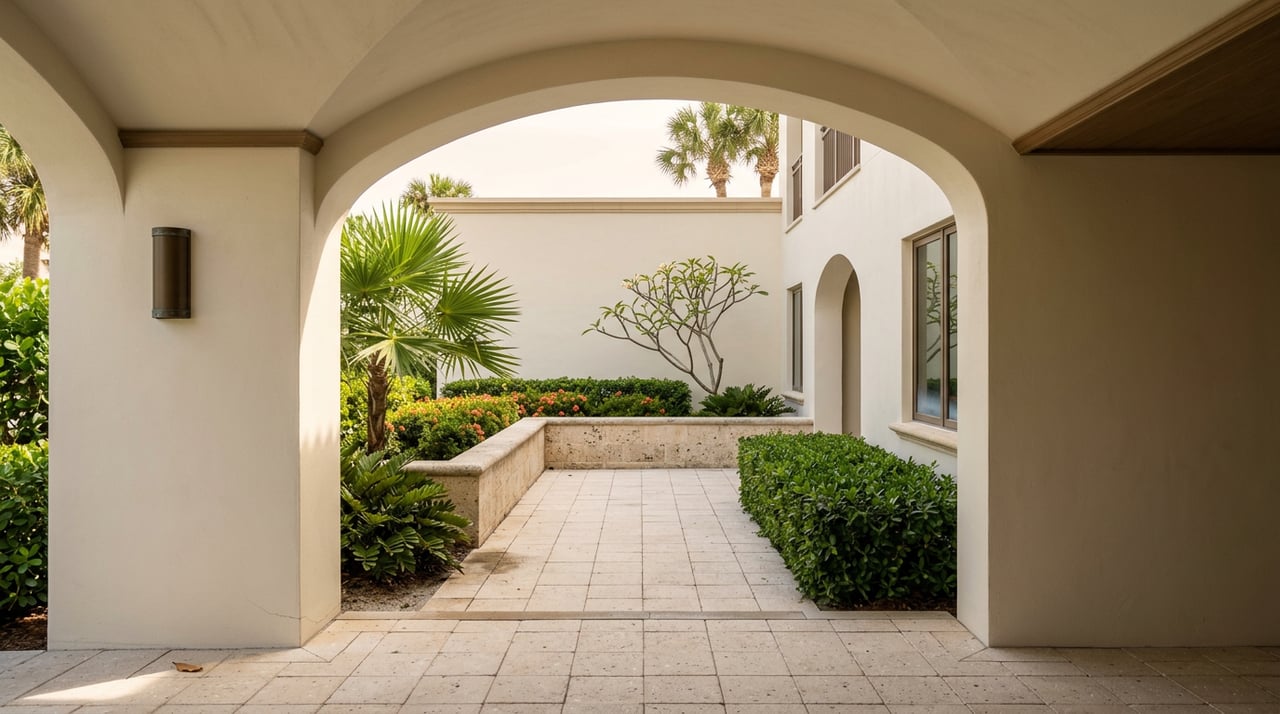
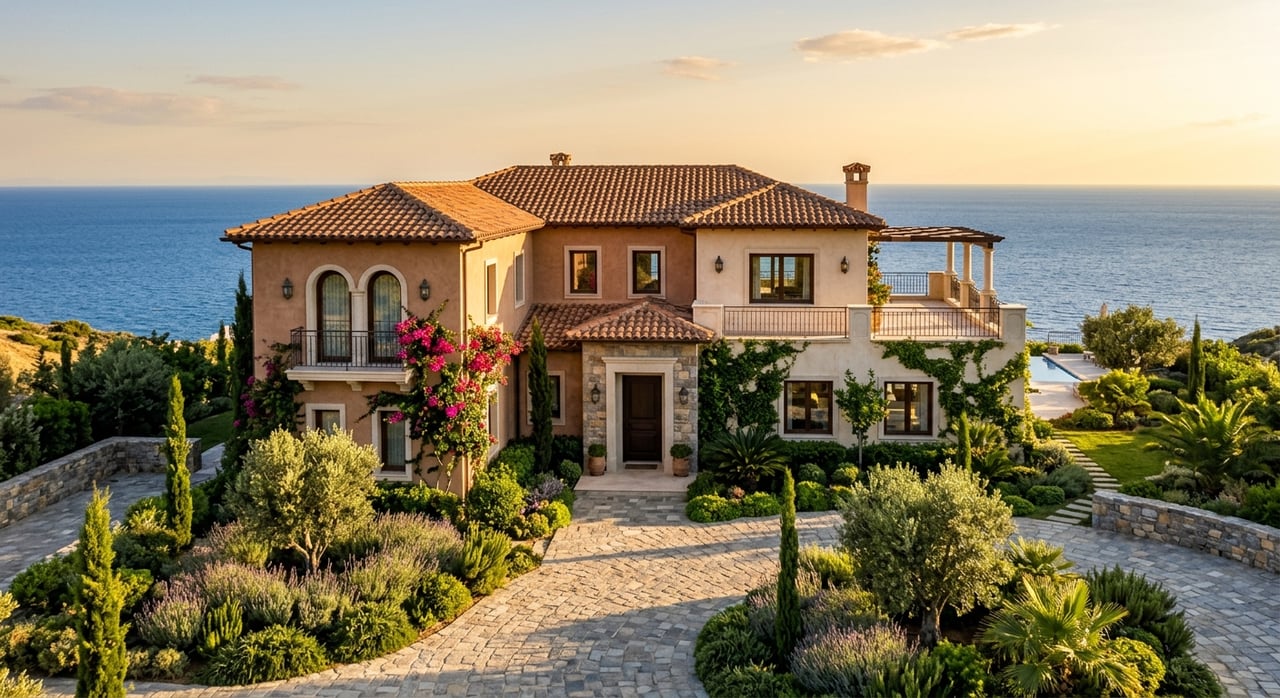
- Mediterranean Revival
- Colonial Revival
- Resort-inspired forms influenced by the Gasparilla Inn
That mix gives the area visual depth. Some homes read as simple and porch-forward, while others carry more formal symmetry or decorative detailing. Even so, the shared thread is restraint.
The Gasparilla Inn as a Visual Anchor
The Gasparilla Inn helps explain much of Boca Grande’s architectural identity. Its history includes a Queen Anne expansion in 1913, a later Neoclassical façade with verandas in the 1930s, and guest-cottage additions that reinforced an Old Florida resort character. In practical terms, that means the Inn offers a useful reference point for how the island “wants” to look.
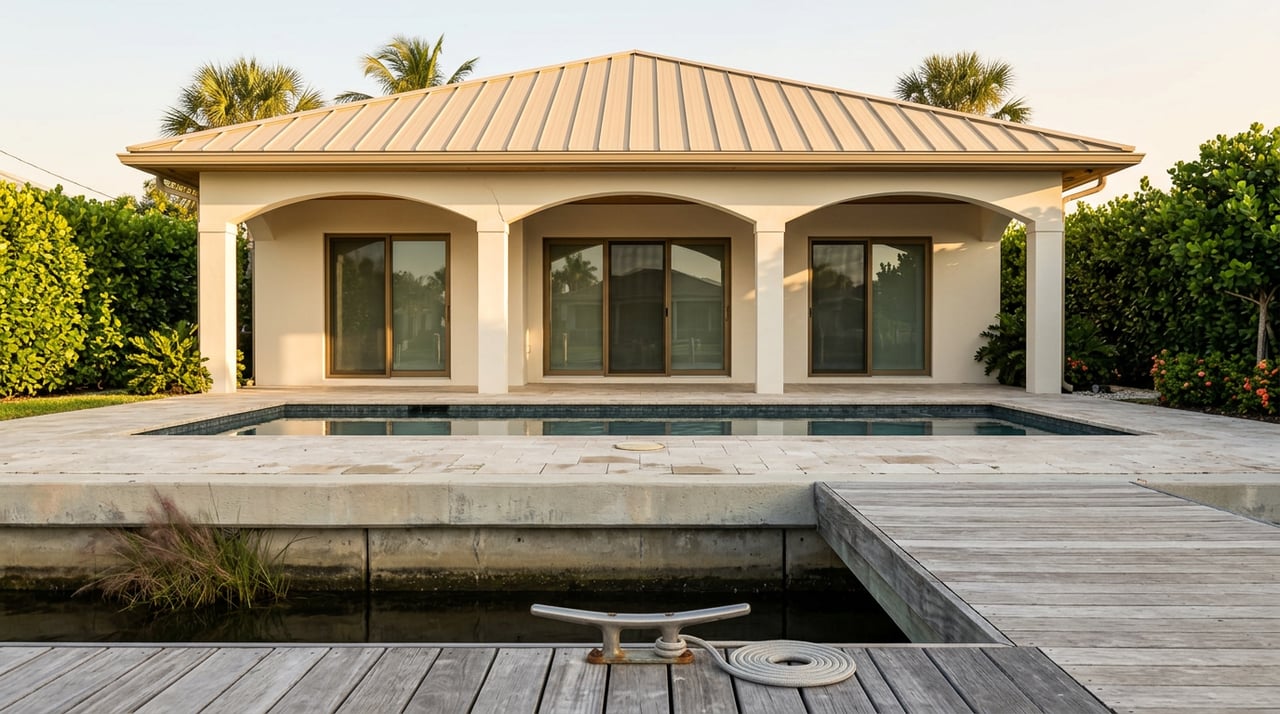
Its rooflines, verandas, detached structures, and layered composition have helped define a local visual grammar. That is one reason many homes near the golf club feel porch-oriented, balanced, and integrated into the landscape. They are often designed to belong to the island’s broader pattern, not to dominate it.
How Views Are Framed
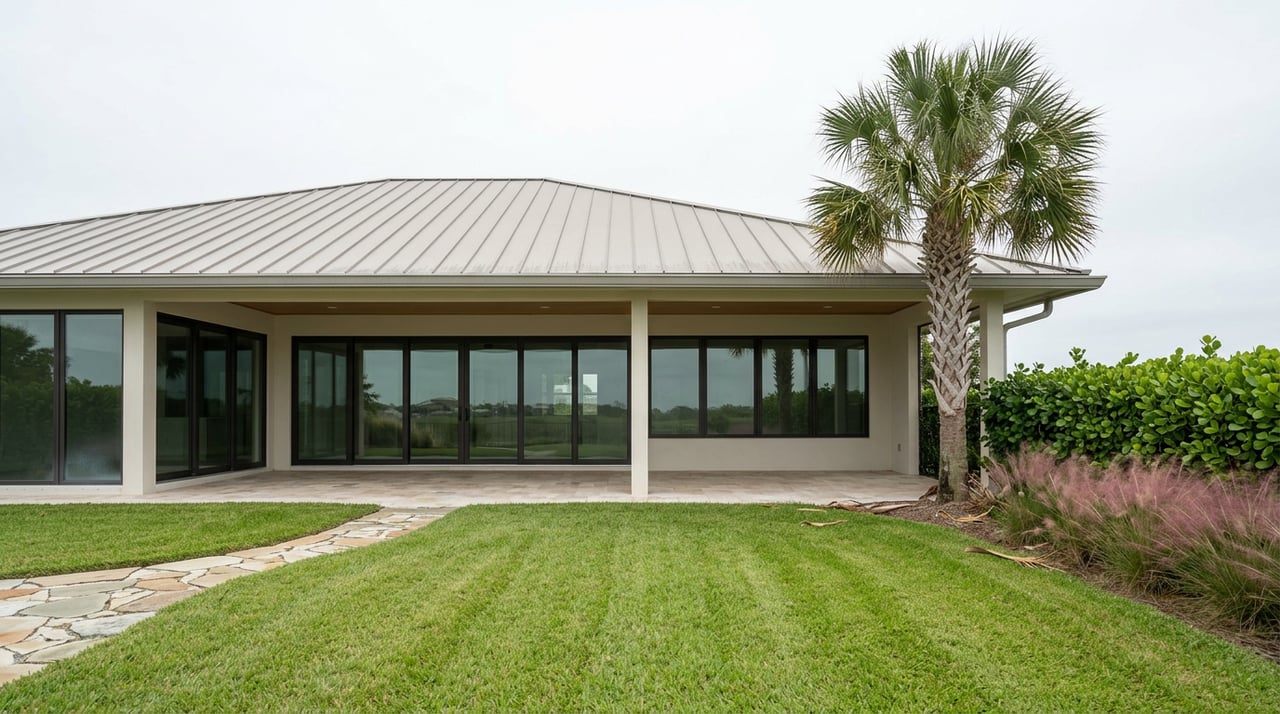
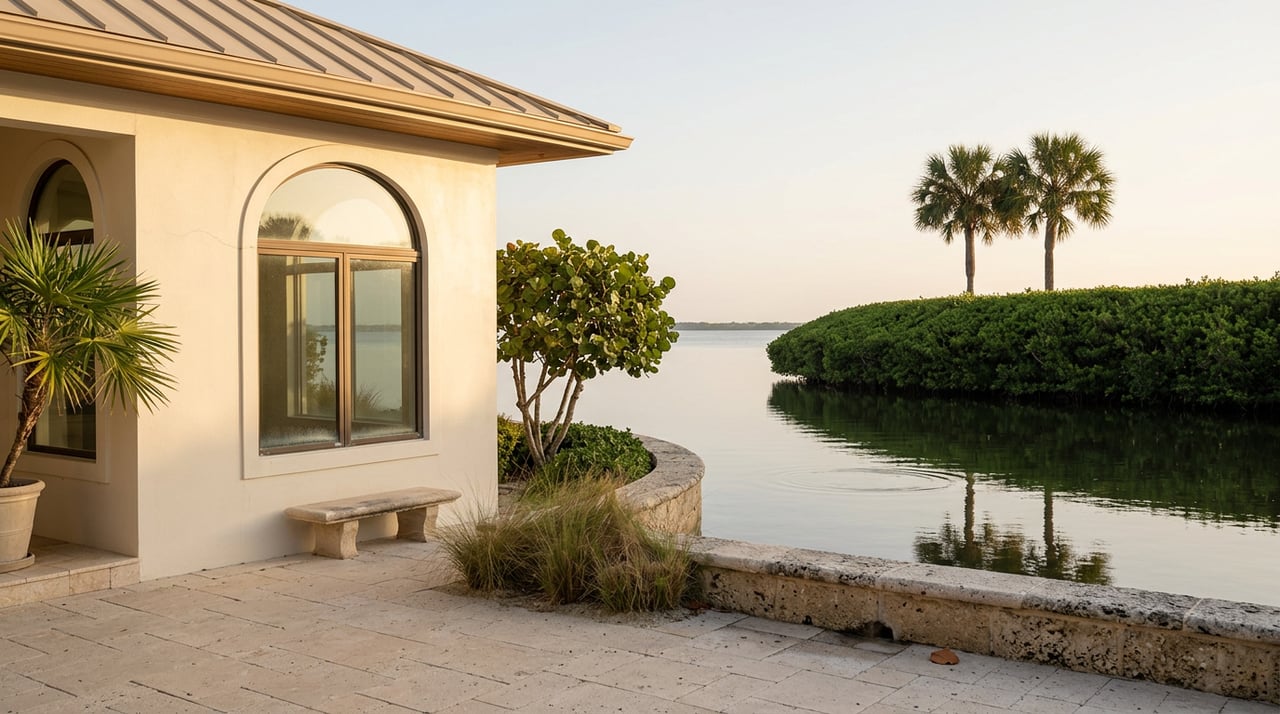
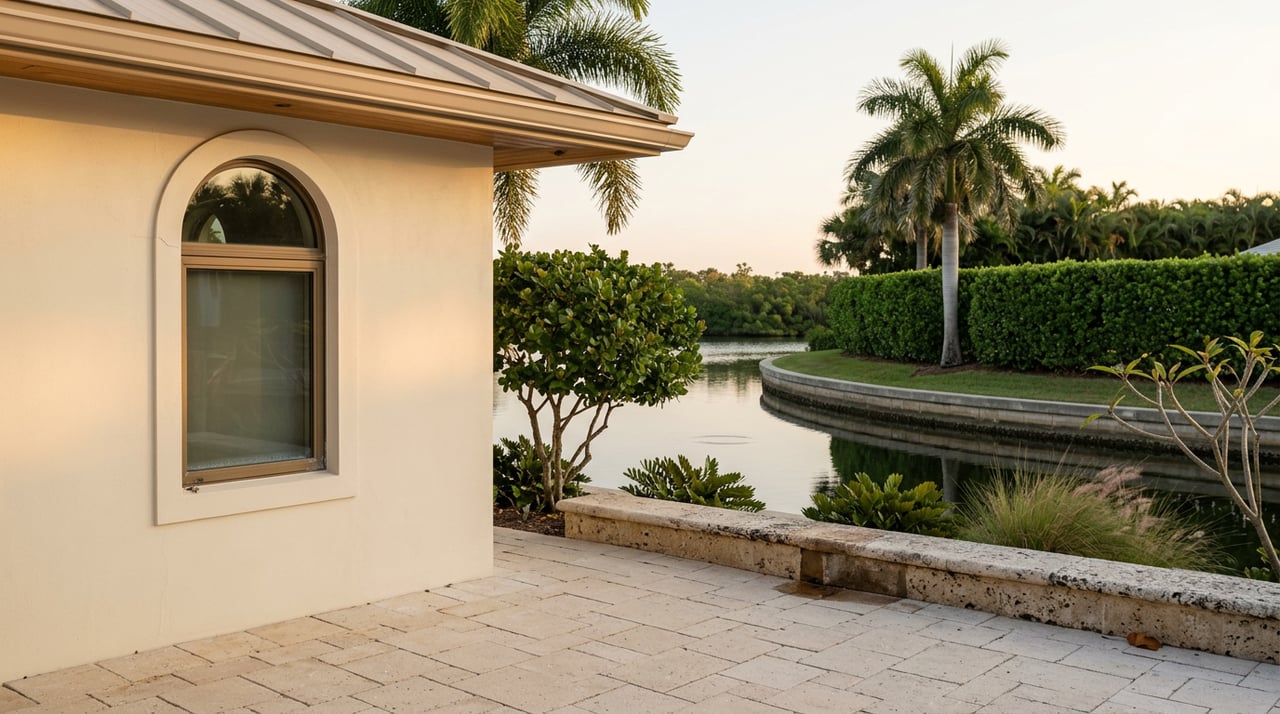
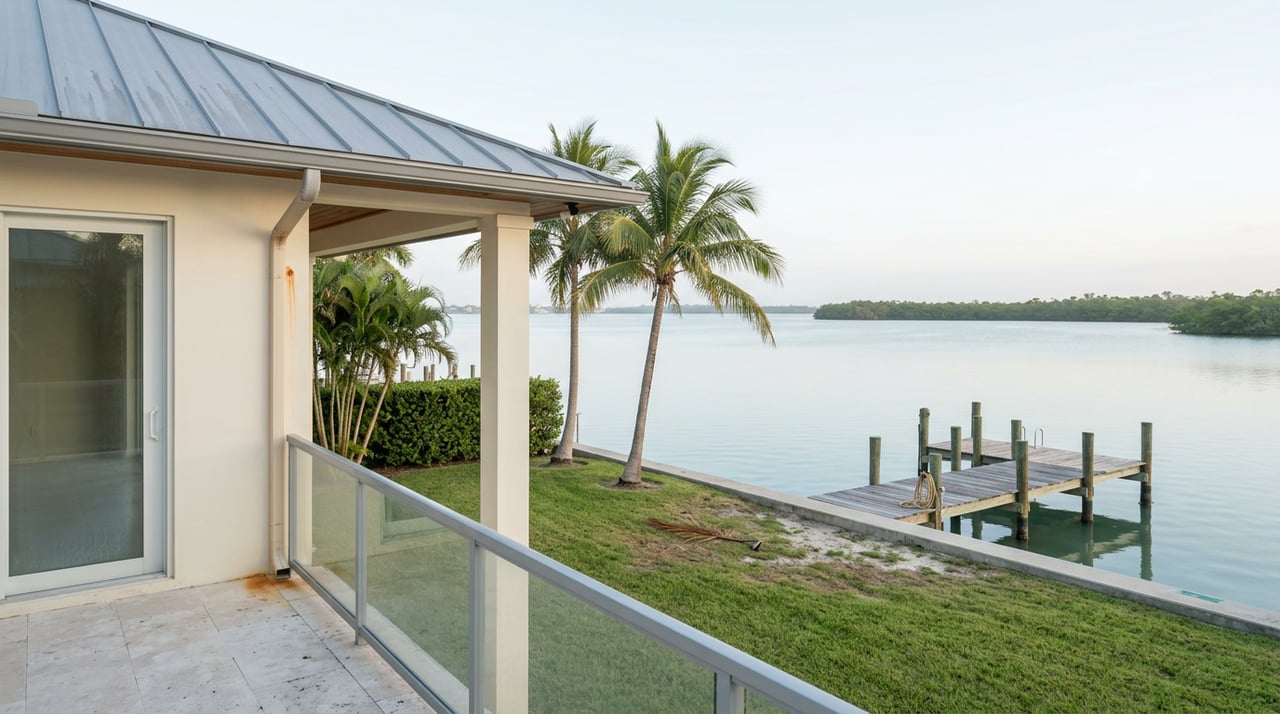
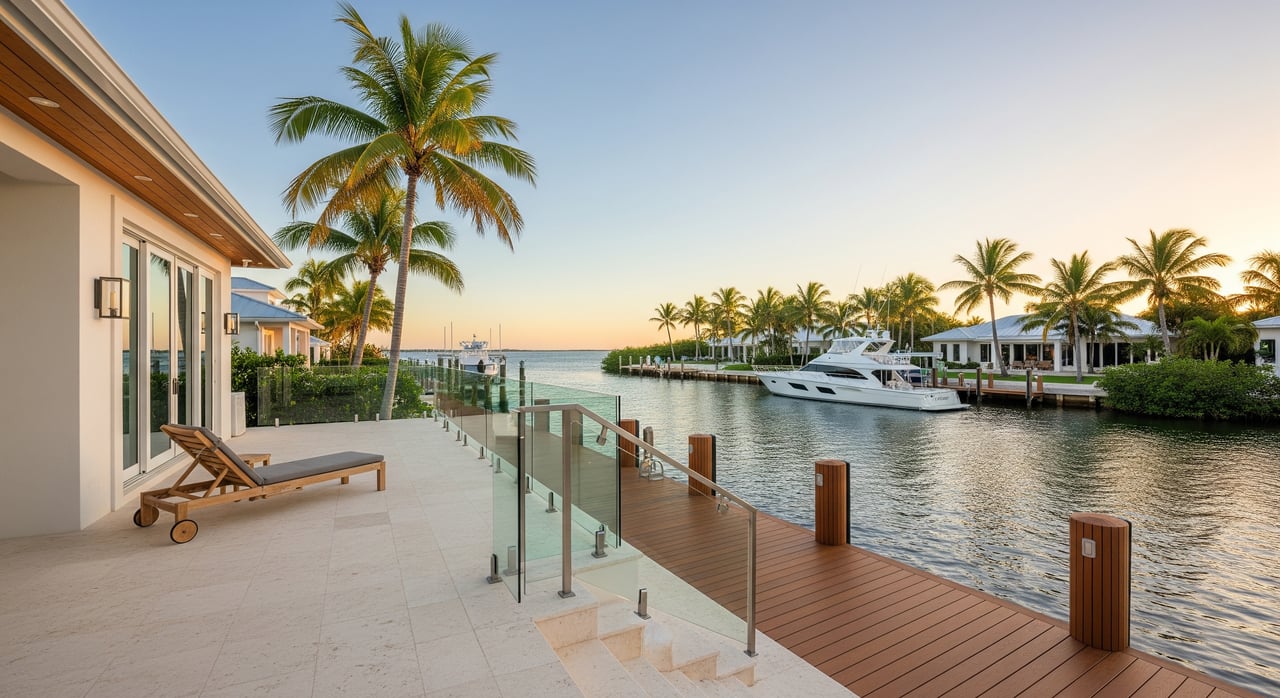
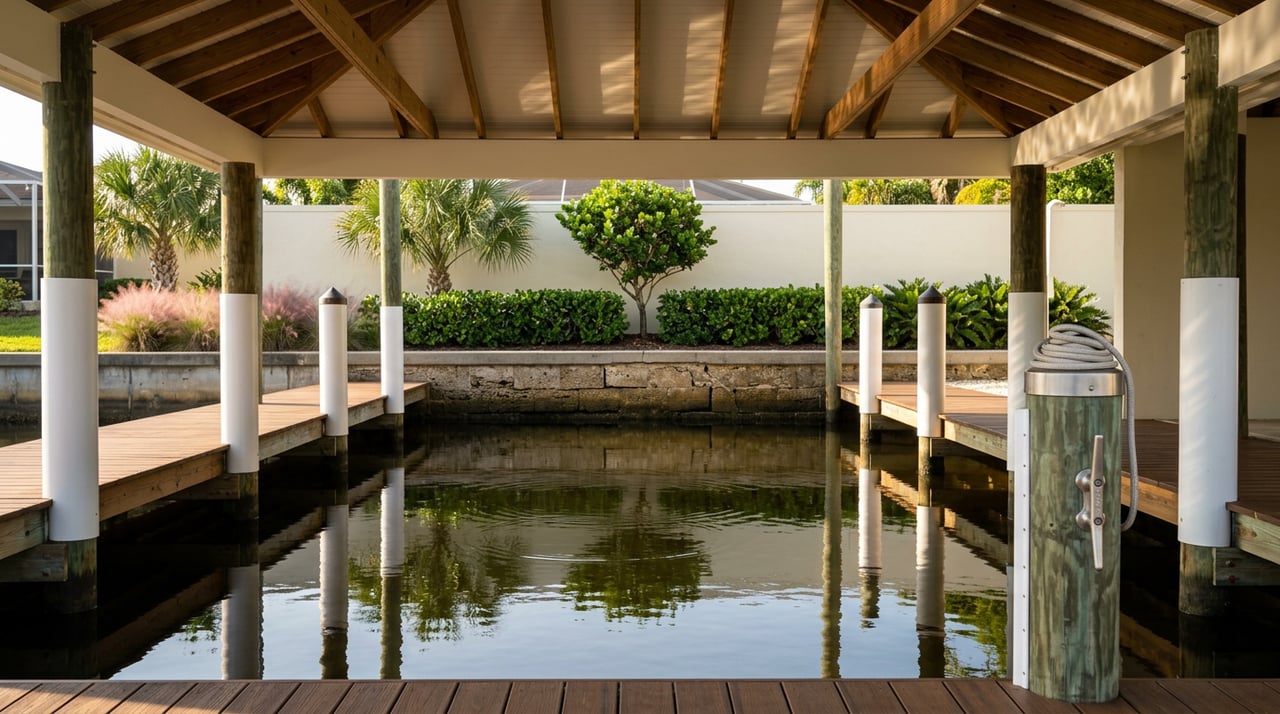
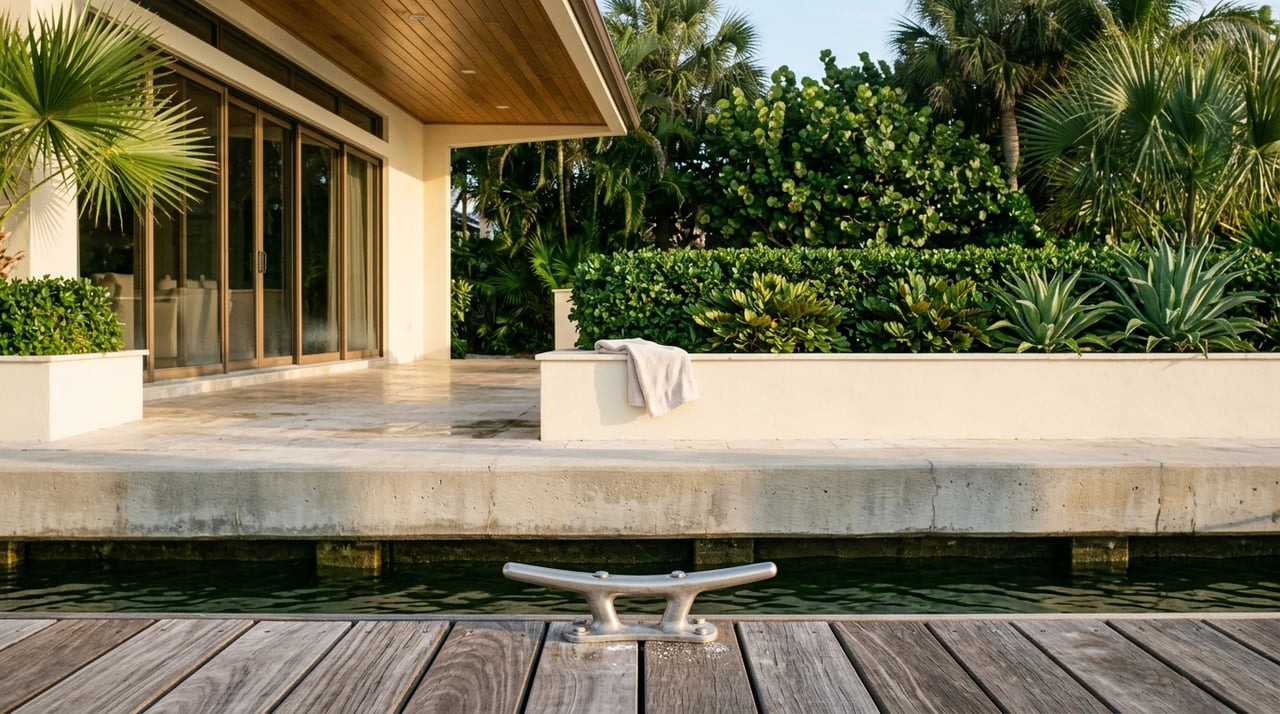
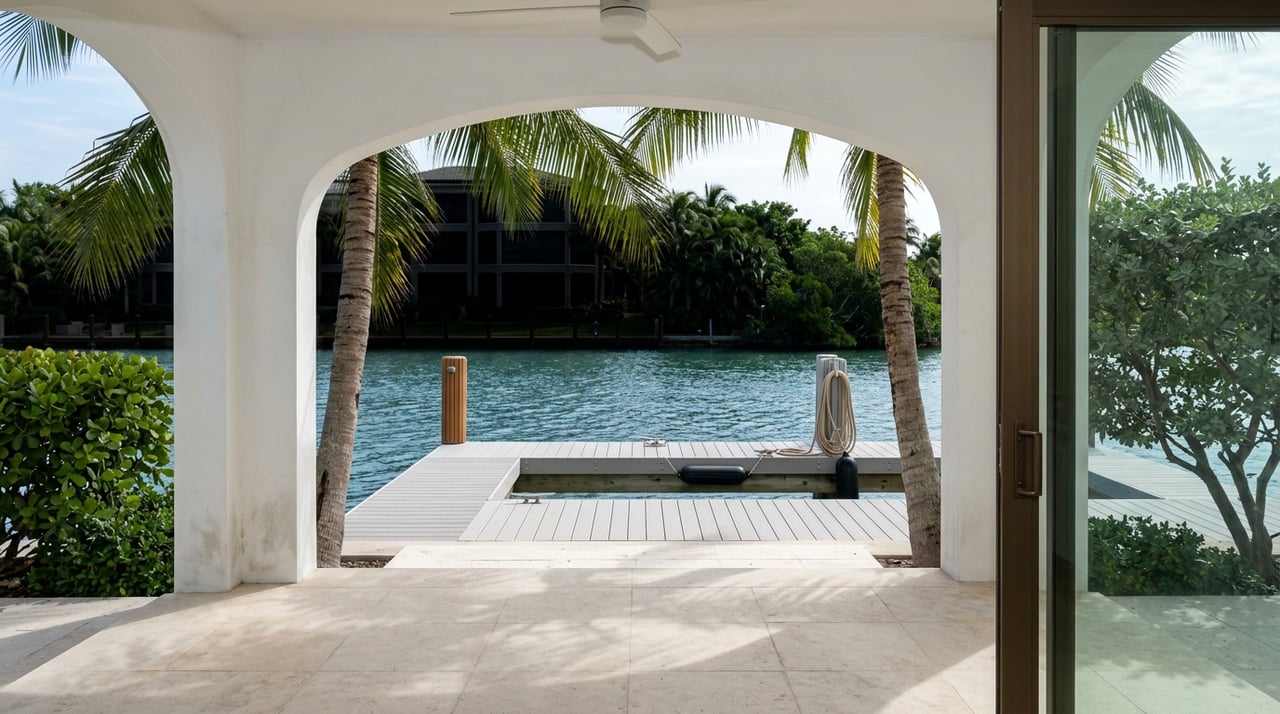
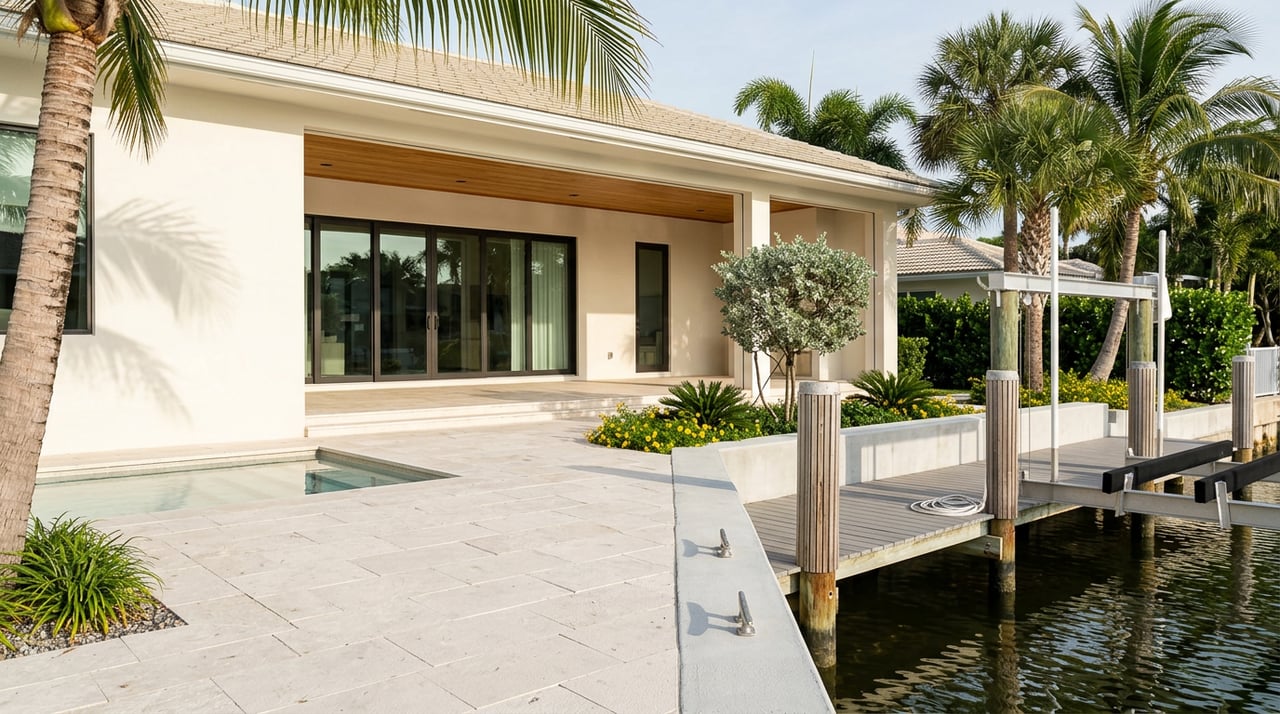
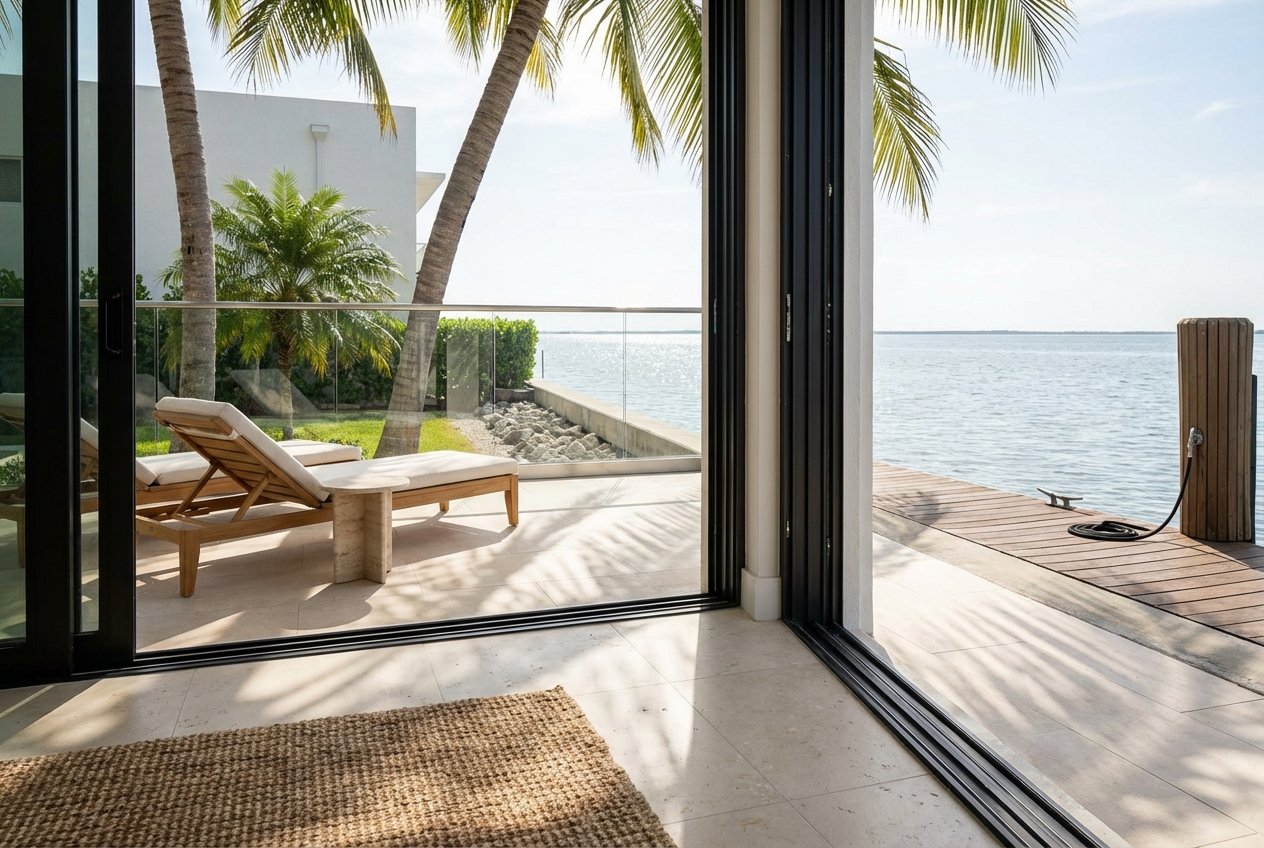
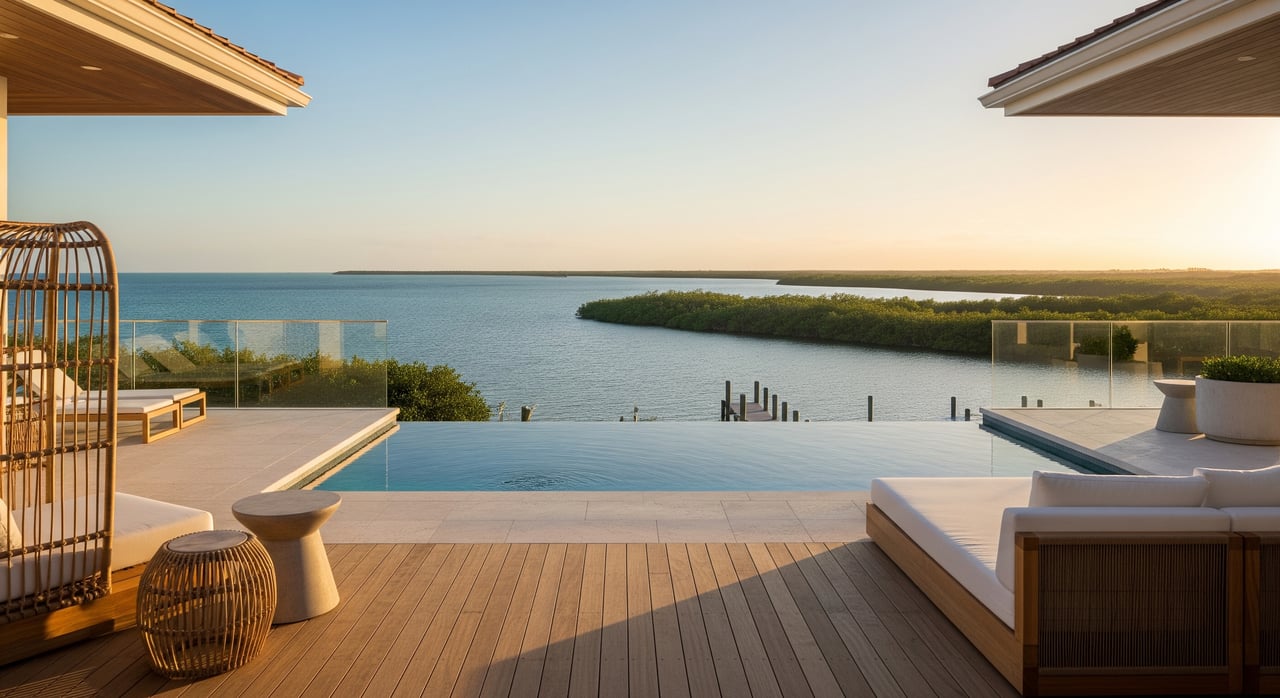
One of the most notable things around Gasparilla Golf Club is that views tend to feel protected rather than fully exposed. You are not typically looking across broad cleared corridors with little interruption. Instead, water, fairway, and garden views are often revealed in layers.
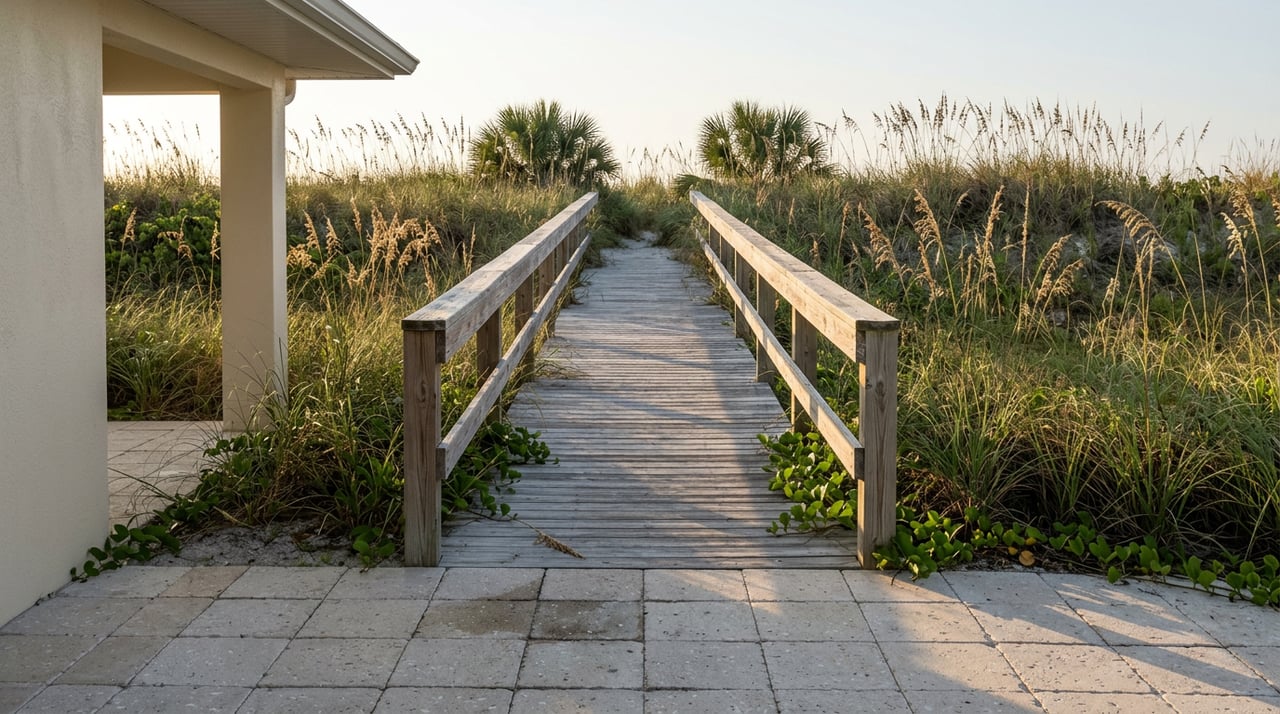
This is not accidental. Lee County’s coastal-island vegetation rules require permits for certain types of vegetation removal on Gasparilla and other coastal islands, including coconut palms and native trees. During construction, protected vegetation must also be barricaded, and county environmental rules promote preservation of indigenous native vegetation, native-plant landscaping, and ongoing tree maintenance.
Why the Landscape Feels Lush
Retained and newly planted trees do more than add beauty. Lee County notes that trees provide cooling canopy, reduce glare and noise, and create wildlife habitat. Around the golf club, those benefits also shape the visual experience.
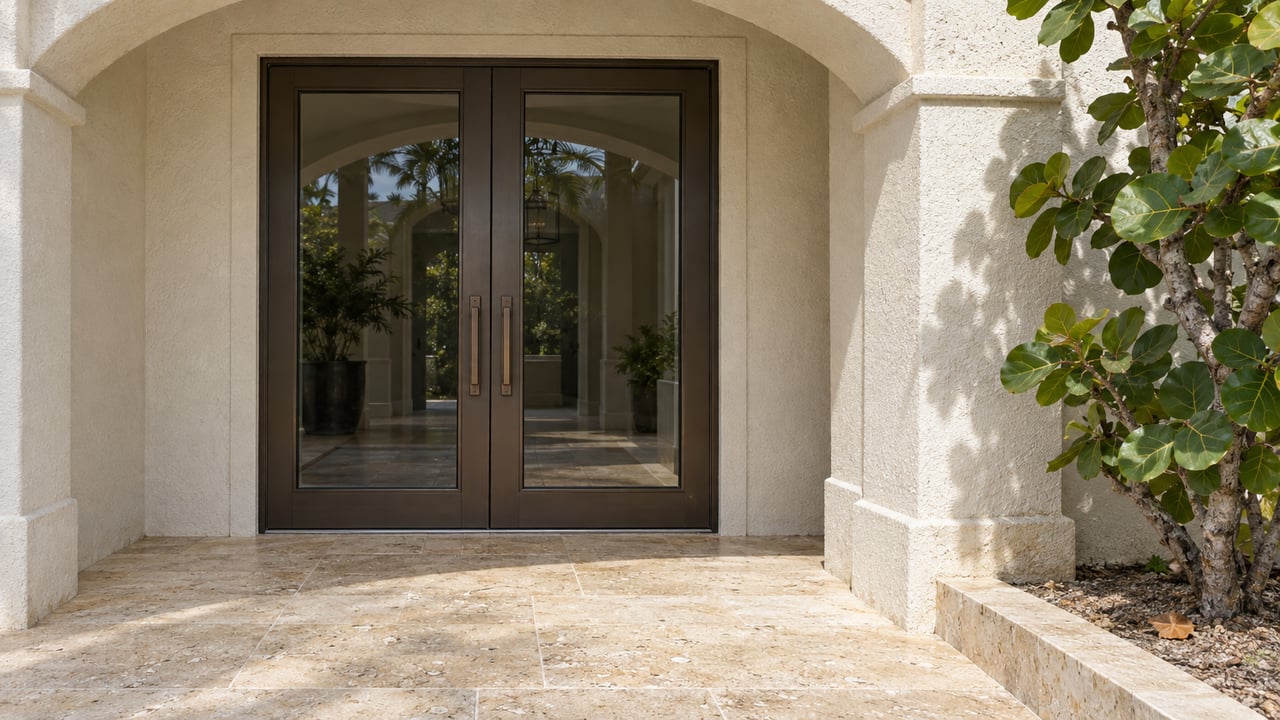
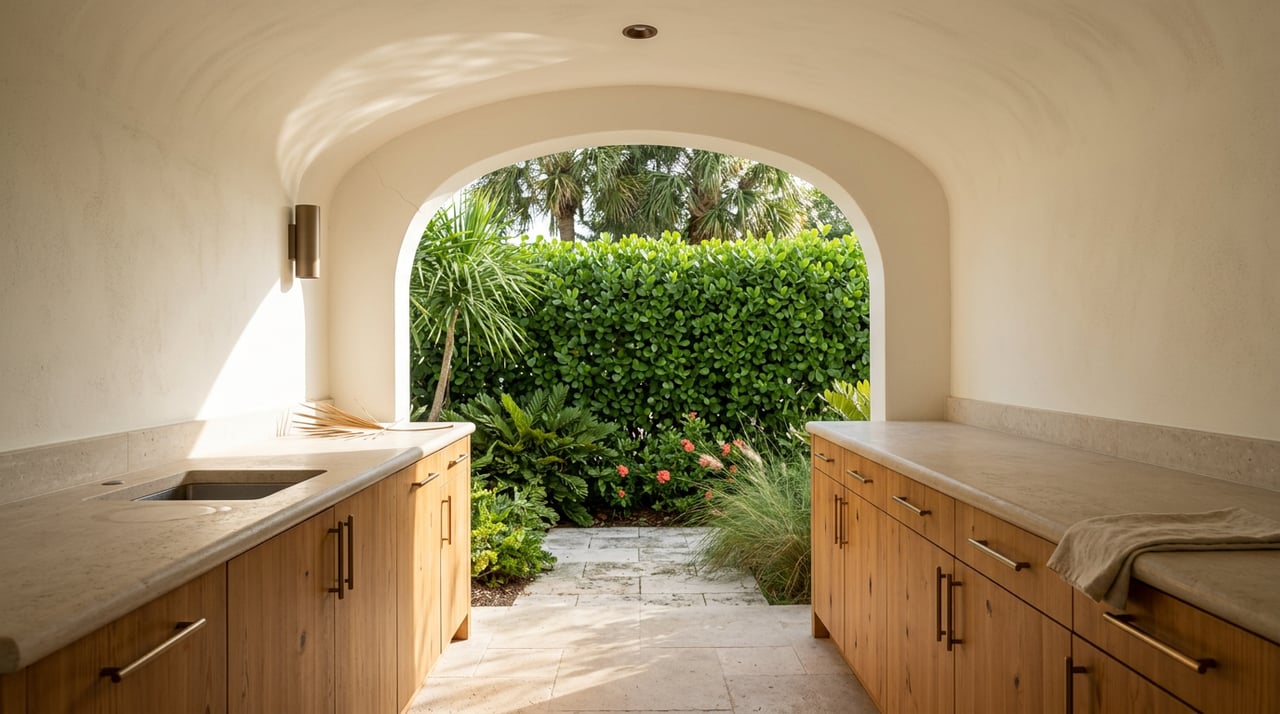
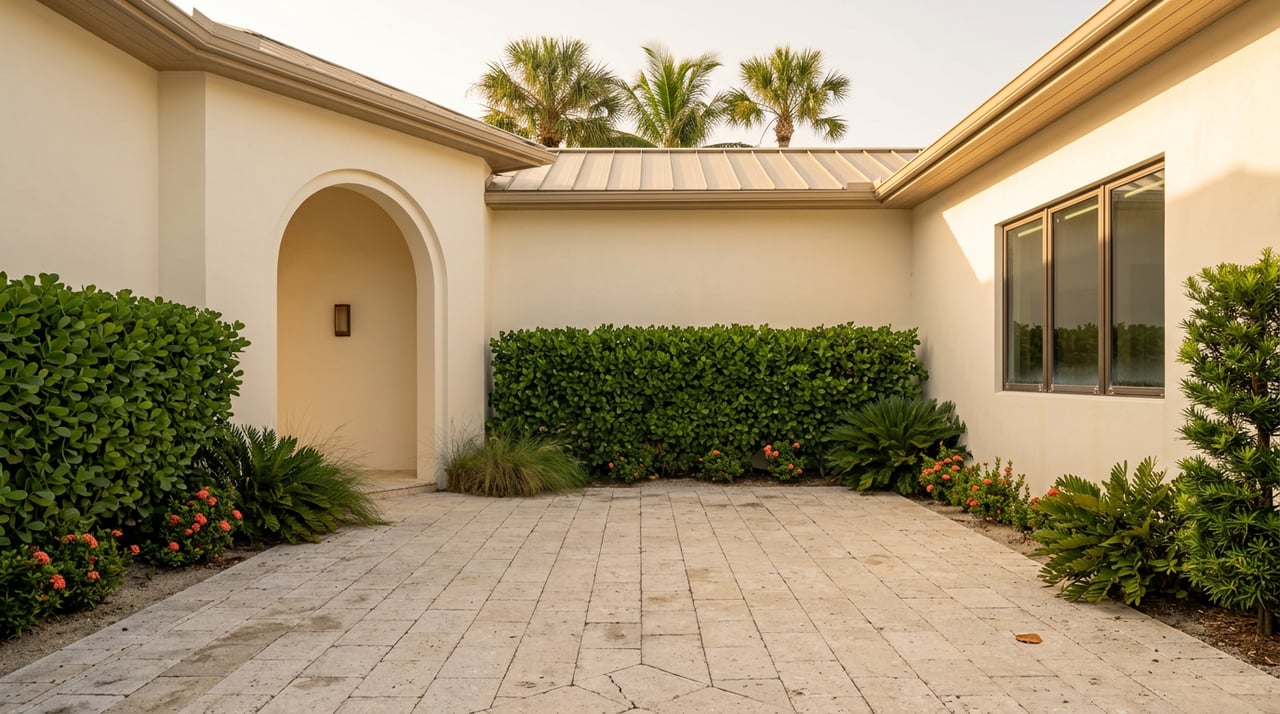
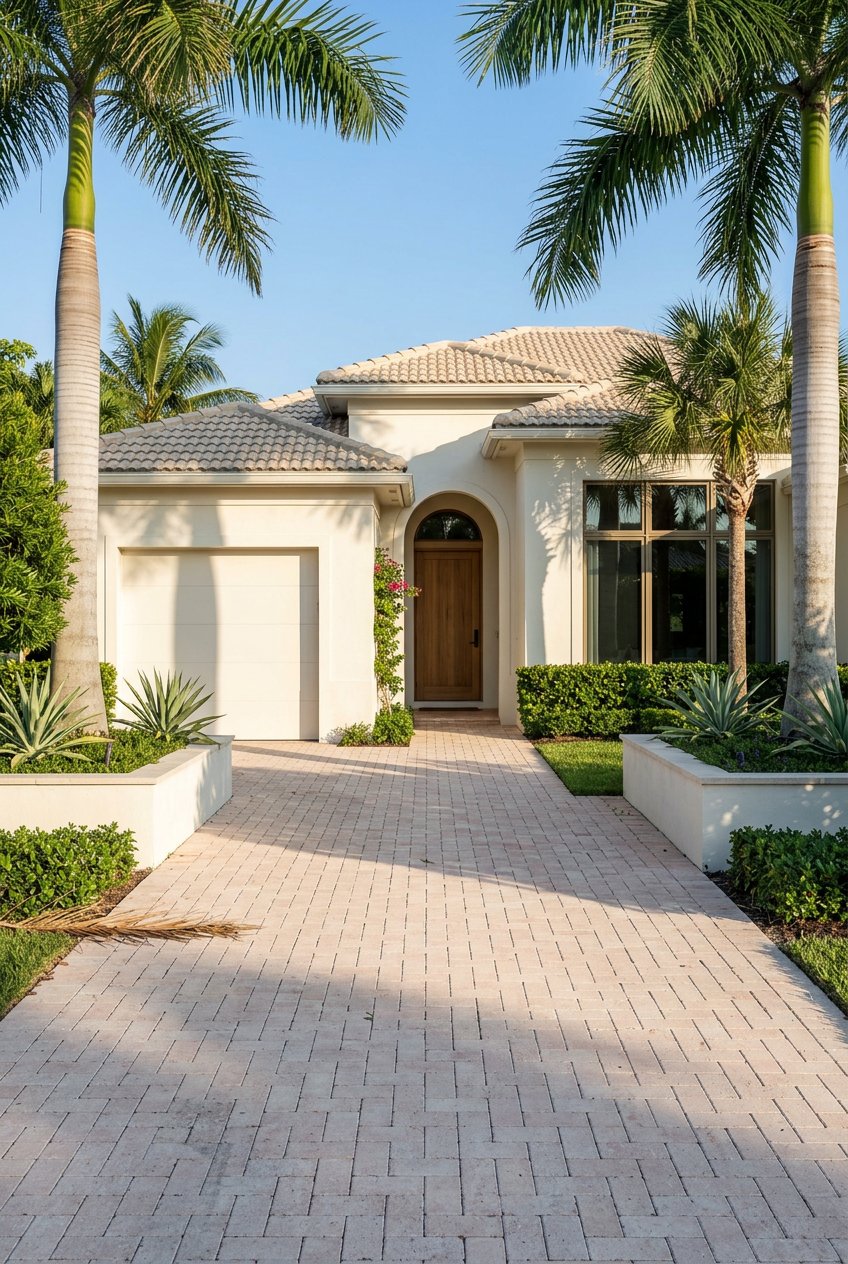
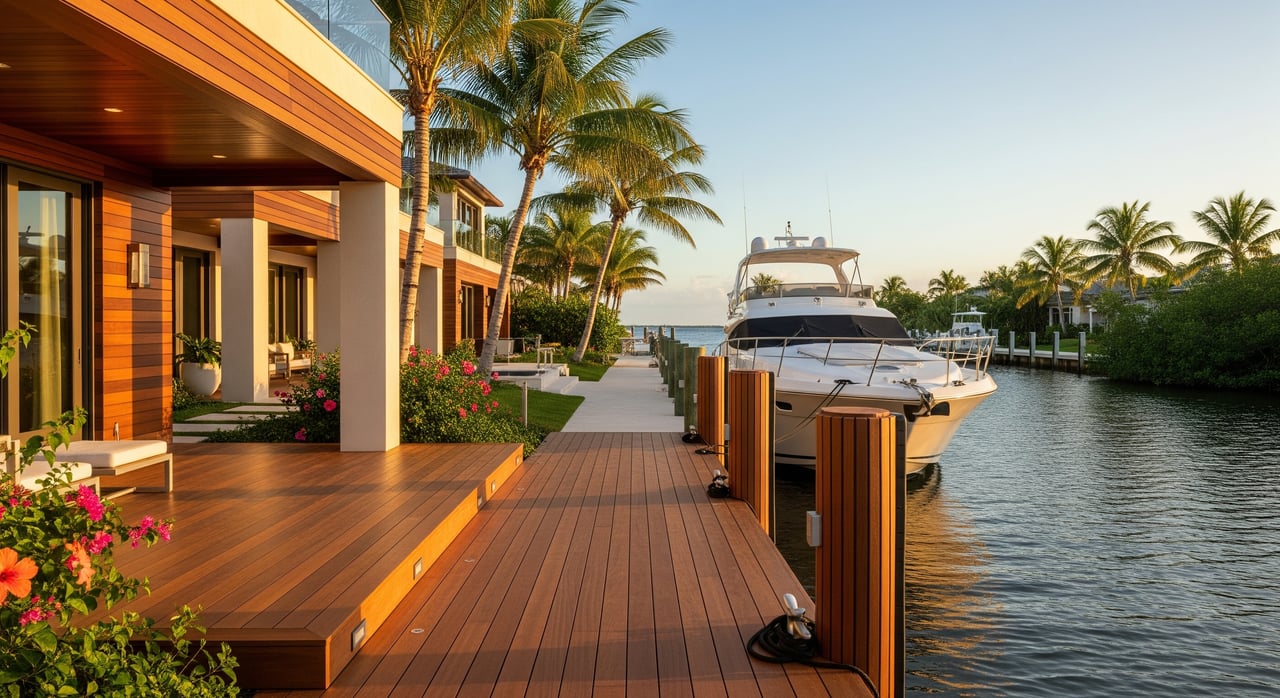
Instead of stark, open exposure, you often get framed sightlines. Palms, hedges, mature canopy, and layered plantings can soften a home’s edges and preserve privacy while still allowing select water or fairway views to remain open.
Historic Landscaping Still Matters
Boca Grande’s historic record shows that landscaping has long been part of the island’s identity. Lee County notes that Gilchrist Avenue was lined with coconut palms and hibiscus, while Banyan Street was lined with banyan trees. That history helps explain why vegetation here feels like part of the architecture, not just decoration.
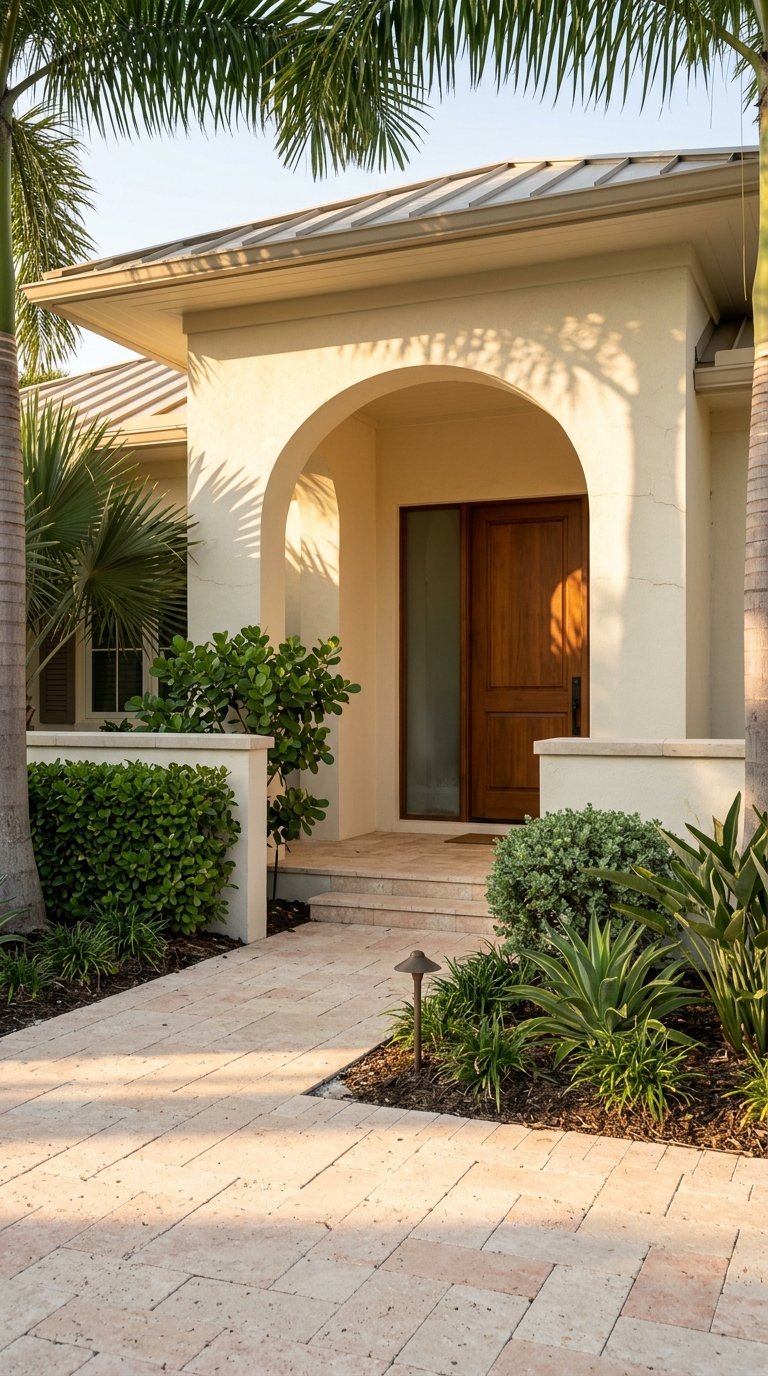
For buyers, that often translates into a stronger appreciation for homes with thoughtful courtyards, hedged boundaries, and planted outdoor rooms. For sellers, it highlights why landscape presentation can be just as important as the structure itself.
What Buyers Often Respond To
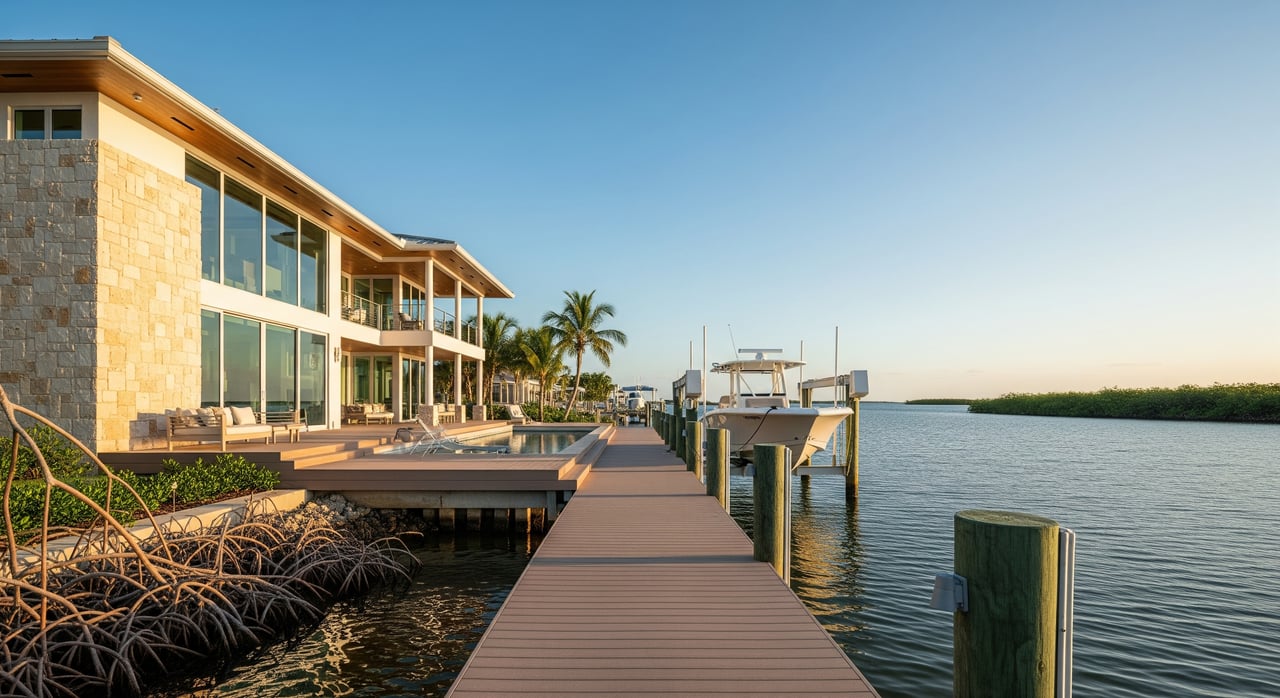
For golf-focused buyers, the homes that usually feel most compelling are not necessarily the largest or most dramatic. Based on the island’s established character and the official sources that describe it, the strongest fit is often a home that follows Boca Grande’s existing visual rhythm. That means homes that feel comfortable in a low-rise, resort-residential setting.
Features that often resonate include:
- Porch-forward façades
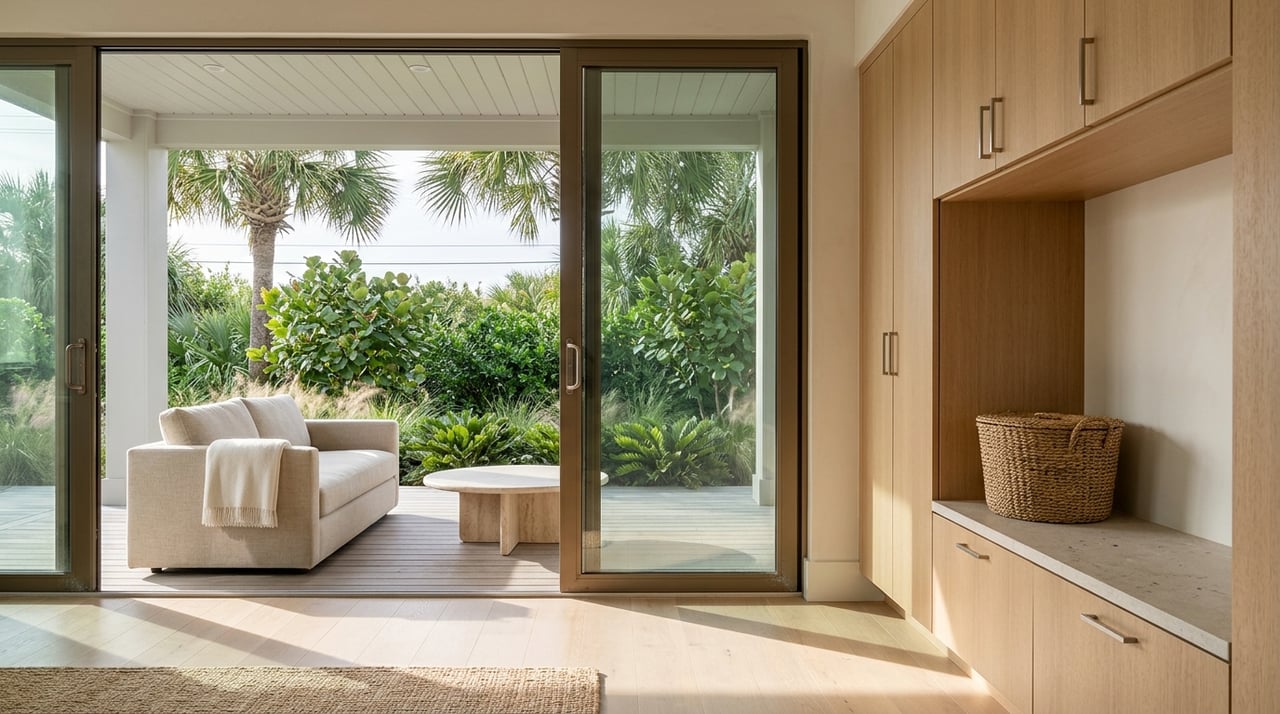
- Verandas or screened outdoor rooms
- Moderate massing
- Landscape buffers for privacy
- Selective openings that preserve fairway or water views
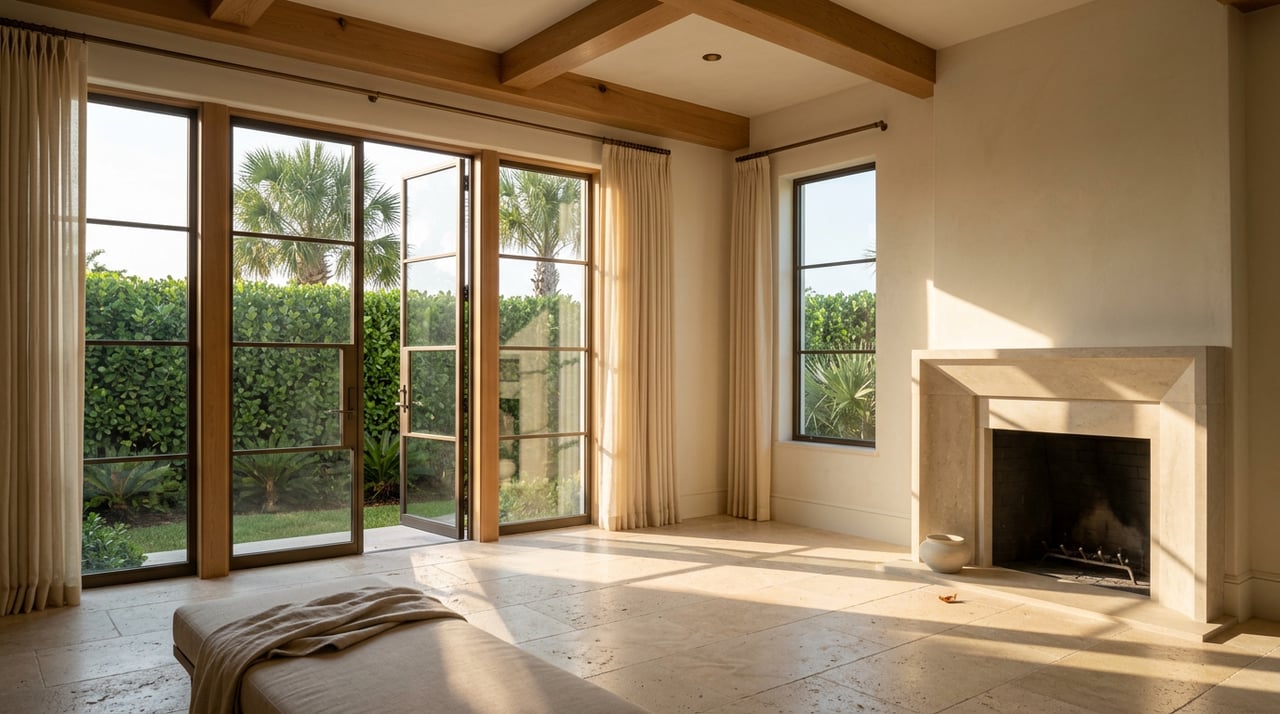
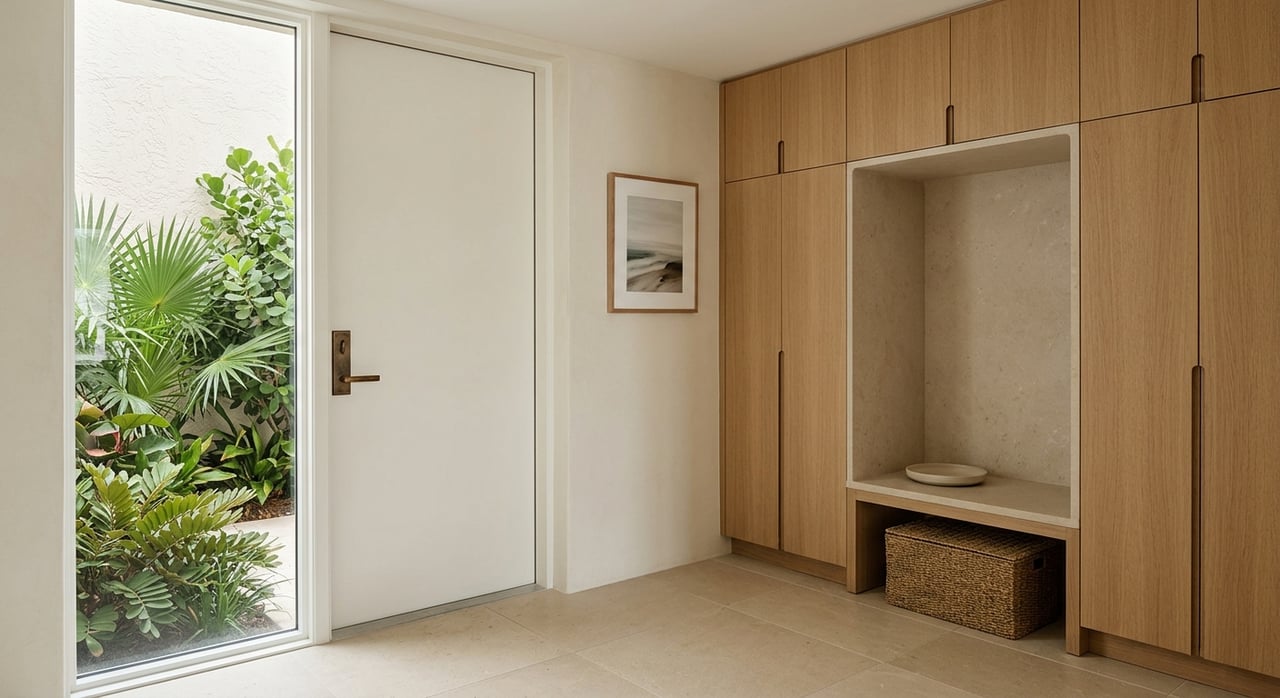
- A strong indoor-outdoor connection
These choices align with both the island’s early vernacular forms and the resort vocabulary associated with the Gasparilla Inn. In this setting, design tends to feel most successful when it looks settled and natural.
Architecture and Value Go Together
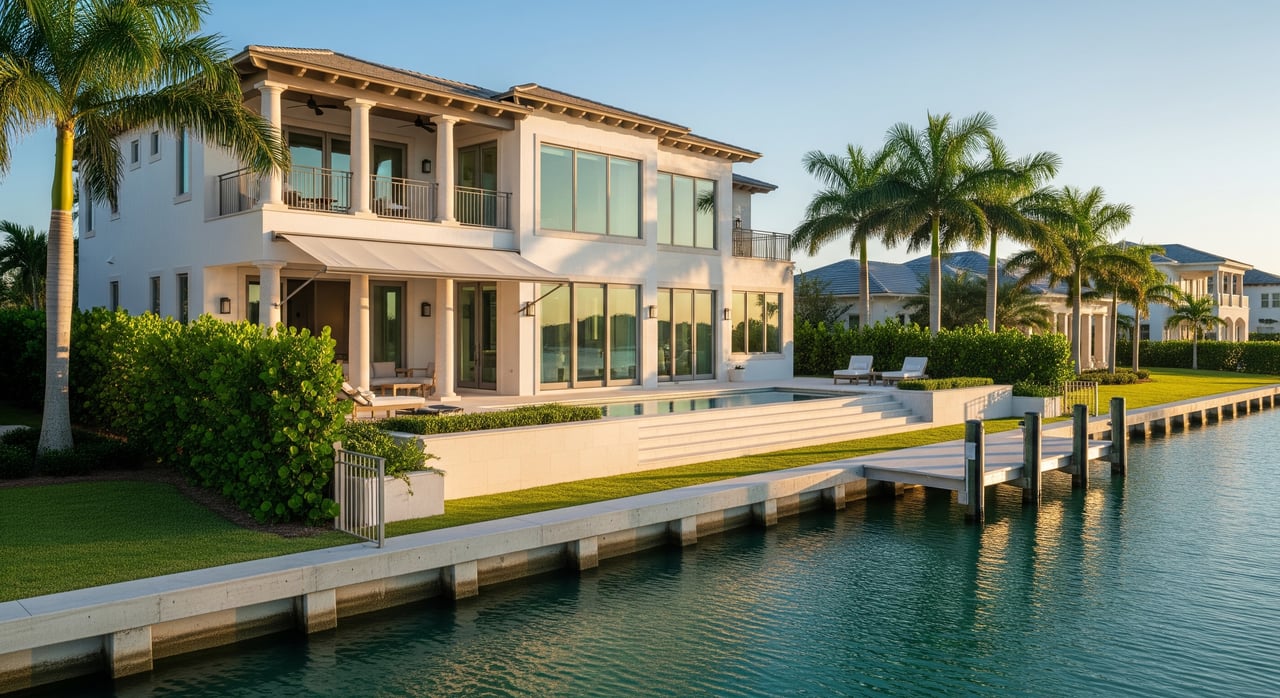
In Boca Grande, visual fit can influence how a property is perceived. A home that respects the island’s scale, landscape patterns, and architectural traditions often feels more harmonious from the first impression. That matters in a market where buyers are often seeking not just a house, but a very specific island experience.
This is especially true near places with strong identity, like Gasparilla Golf Club. Here, value is often tied to the complete composition: architecture, siting, vegetation, privacy, and the quality of the view corridor. Buyers tend to notice when all of those elements work together.
What Owners Should Know About Exterior Changes
In the Boca Grande Historic District, exterior changes are not only design decisions. Lee County’s historic-preservation procedures state that projects involving historic buildings and new structures in the district are reviewed for appropriateness. A Certificate of Appropriateness is required before a building permit, and contributing properties are reviewed against rehabilitation standards.
That review process is important for current owners and prospective buyers alike. If you are considering updates, renovations, or future planning, it helps to understand early how preservation review may shape what is possible. In an area where architecture and landscape are such a visible part of value, those details matter.
Reading the Area With a Trained Eye
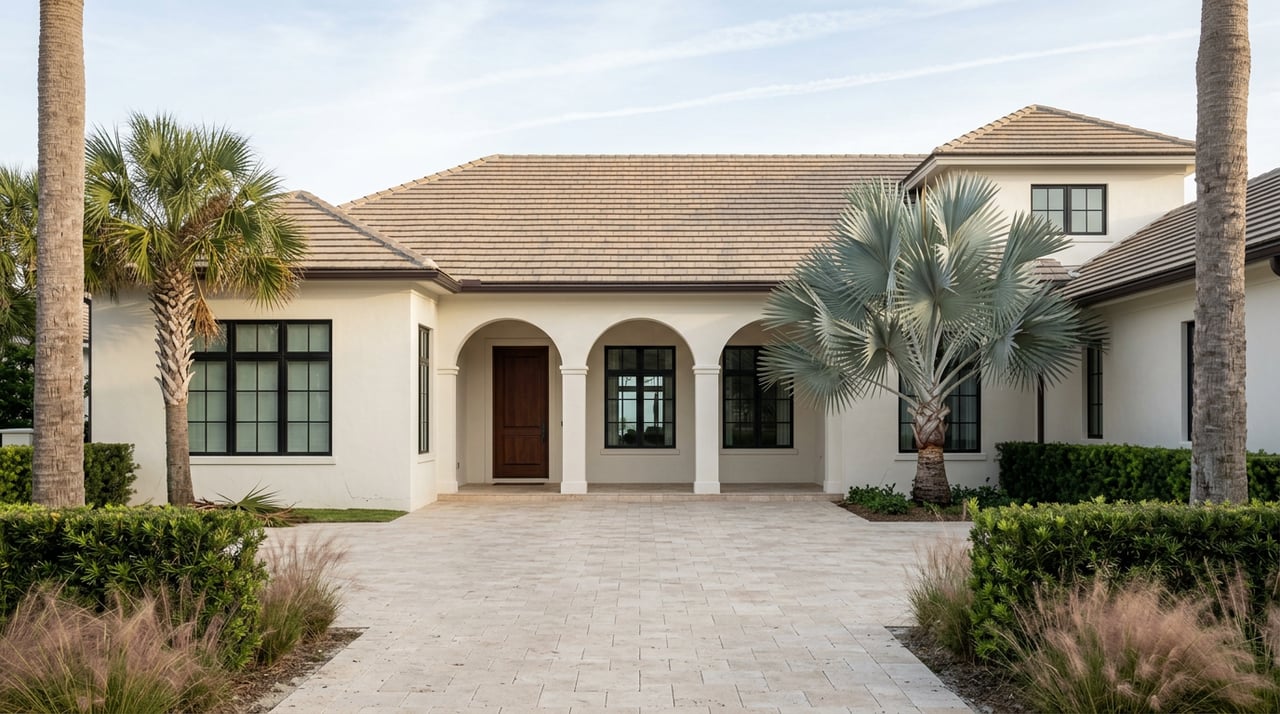
When you look at homes around Gasparilla Golf Club, it helps to read beyond square footage or finish selections. Notice how a house meets the land. Look at whether the landscaping frames the approach, how porches and verandas soften the façade, and whether view lines feel intentional rather than forced.
In Boca Grande, the most memorable properties often feel calm, edited, and well placed. They reflect the island’s long history, its protected landscape patterns, and its preference for architecture that supports the setting. That is part of what makes this corner of the market so enduring.
If you are exploring architectural homes, golf-area properties, or view-oriented residences in Boca Grande, local context makes all the difference. The right guidance can help you evaluate not just what a home is, but how well it fits the island. For tailored insight on Boca Grande properties and the nuances that shape long-term appeal, connect with Jeff Moore.
FAQs
What architectural styles are common around Gasparilla Golf Club?
- The area is best understood as a mix of bungalow, frame vernacular, Mediterranean Revival, Colonial Revival, and resort-inspired architecture influenced by the Gasparilla Inn.
Why do views around Gasparilla Golf Club feel so protected?
- Views often feel framed because the club is surrounded by Charlotte Harbor and the Gulf, and Lee County’s vegetation rules support preserving canopy, native planting, and mature landscape buffers rather than broad clearing.
Can you freely change a home’s exterior in the Boca Grande Historic District?
- No. Lee County requires historic-preservation review for qualifying exterior work in the district, including a Certificate of Appropriateness before a building permit.
What design features tend to appeal to golf-oriented buyers in Boca Grande?
- Buyers often respond to porch-forward design, verandas or screened outdoor rooms, moderate massing, privacy landscaping, and selective openings that preserve water or fairway views.
Why is the Gasparilla Inn important to Boca Grande architecture?
- The Inn serves as a visual anchor for the island, reflecting a long-standing Old Florida resort character with verandas, layered forms, and a composed scale that has influenced the surrounding architectural identity.