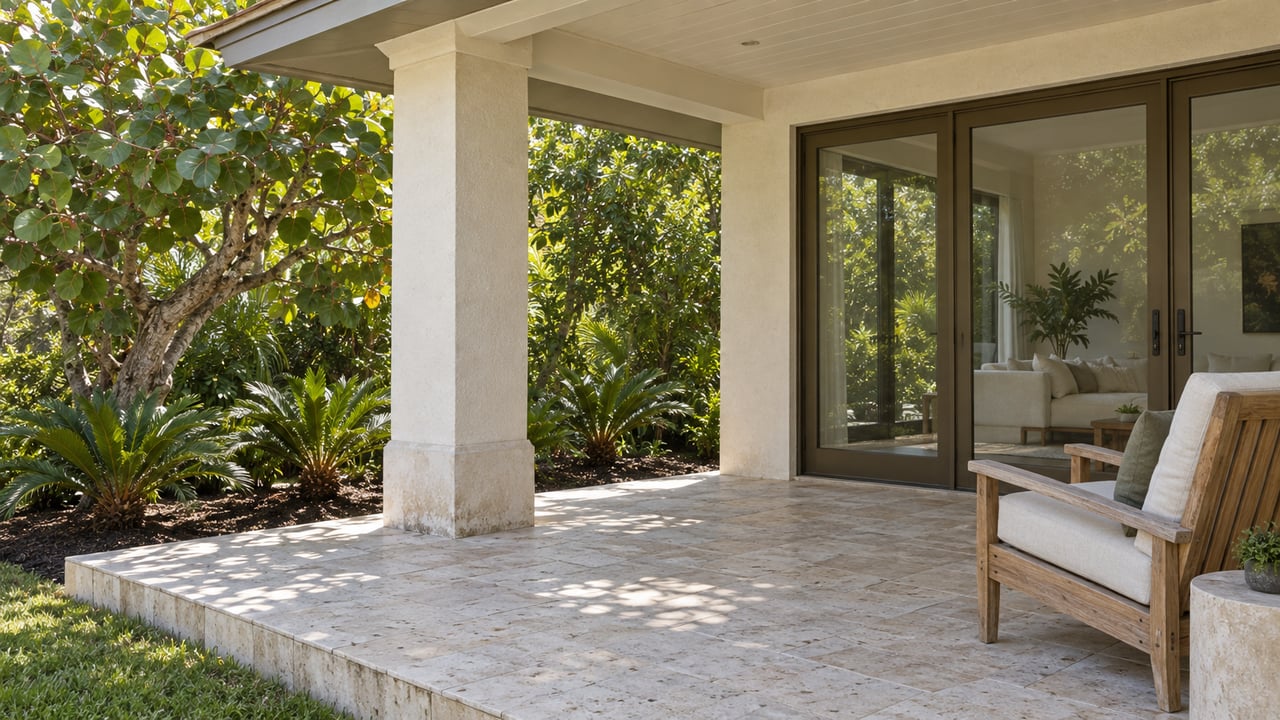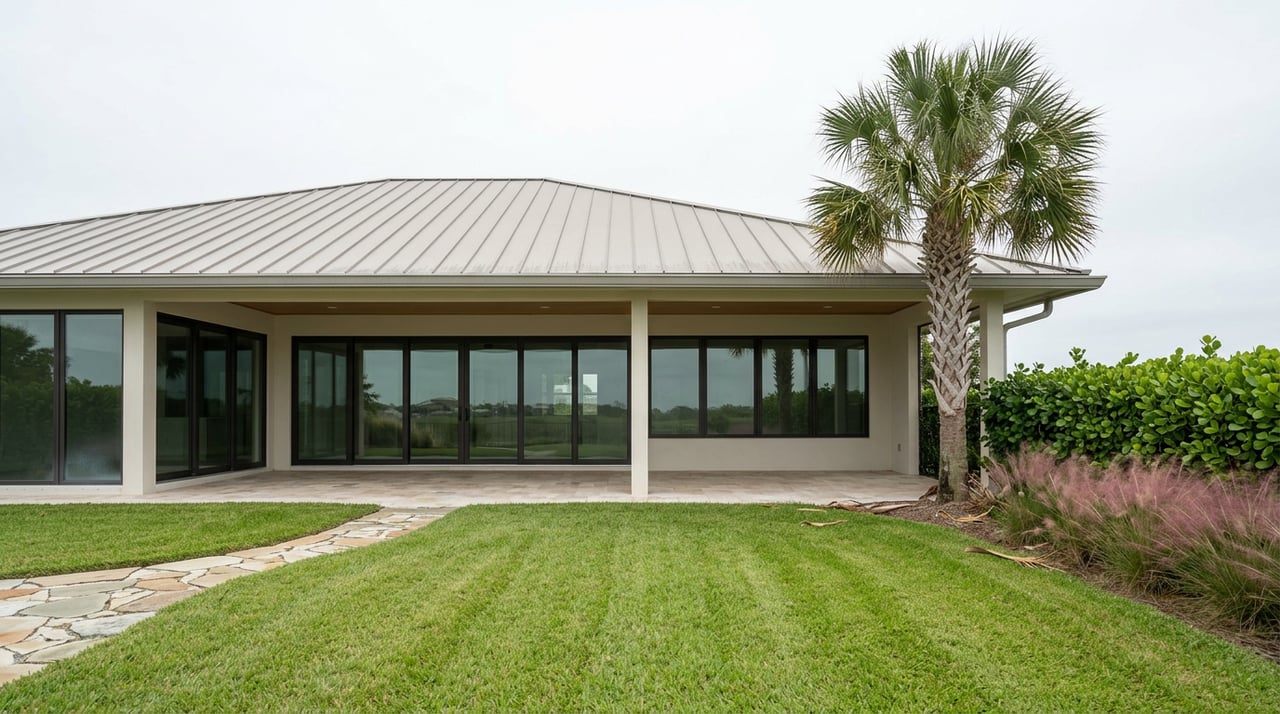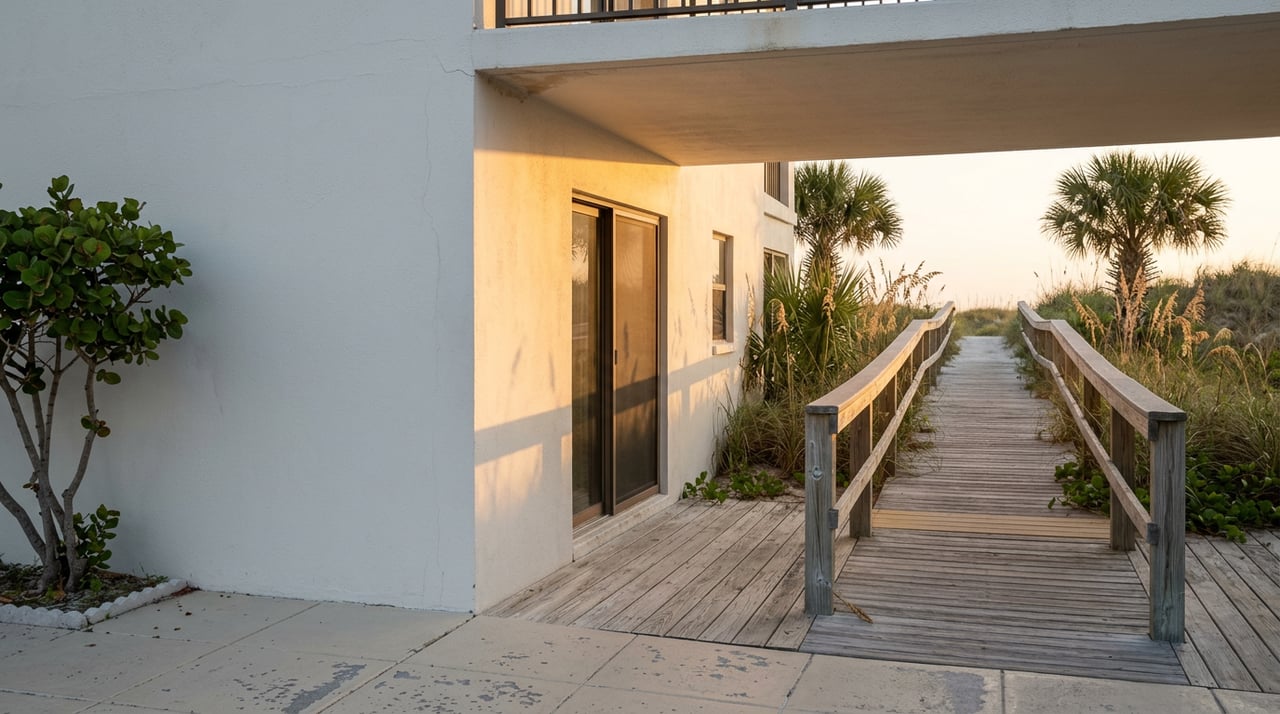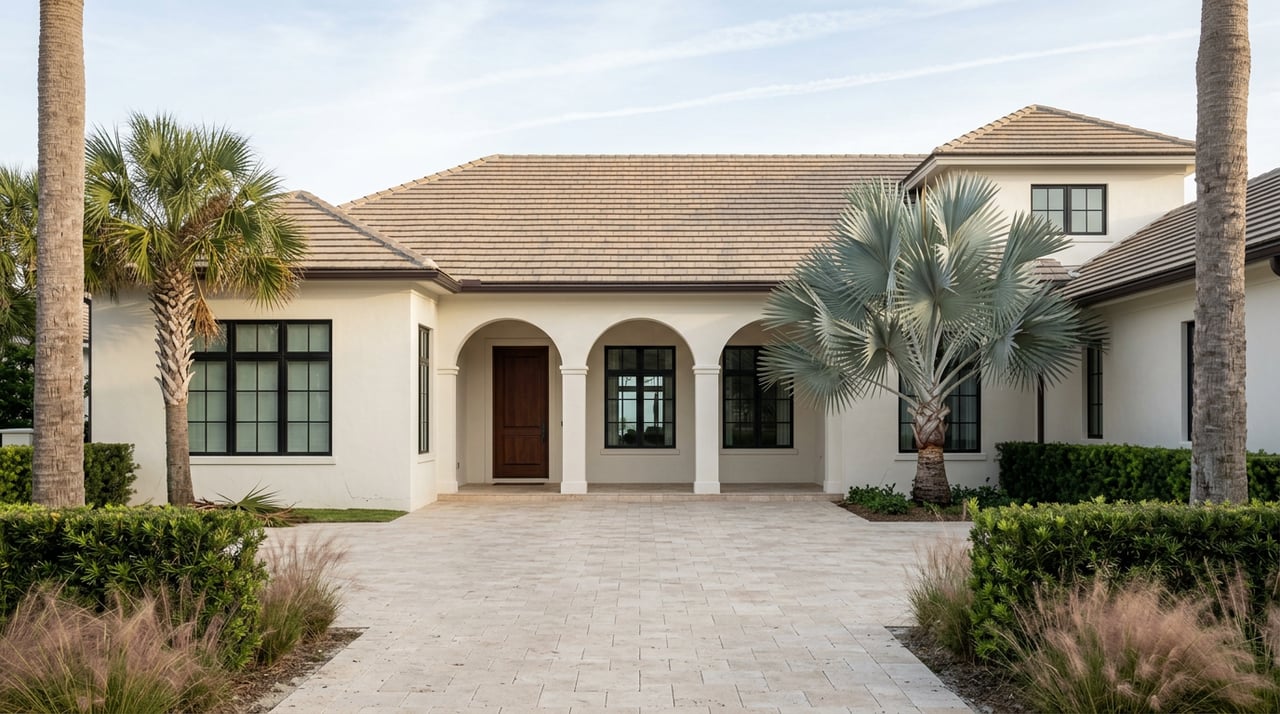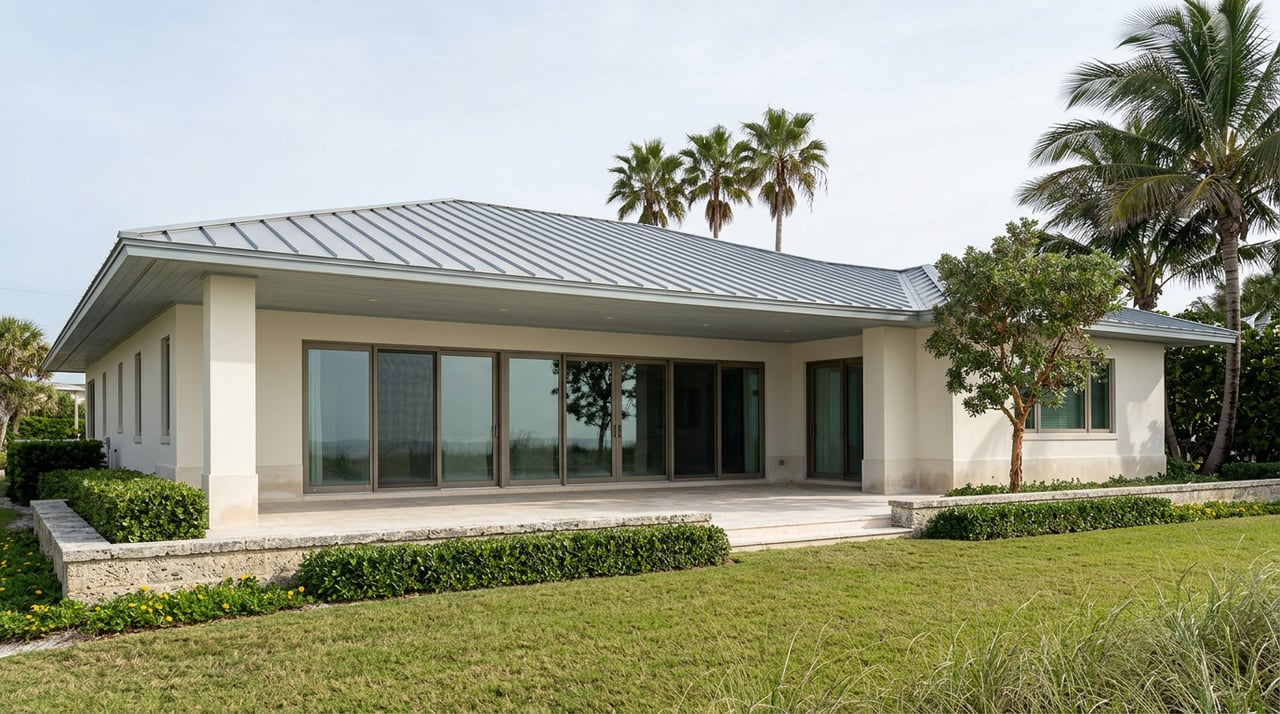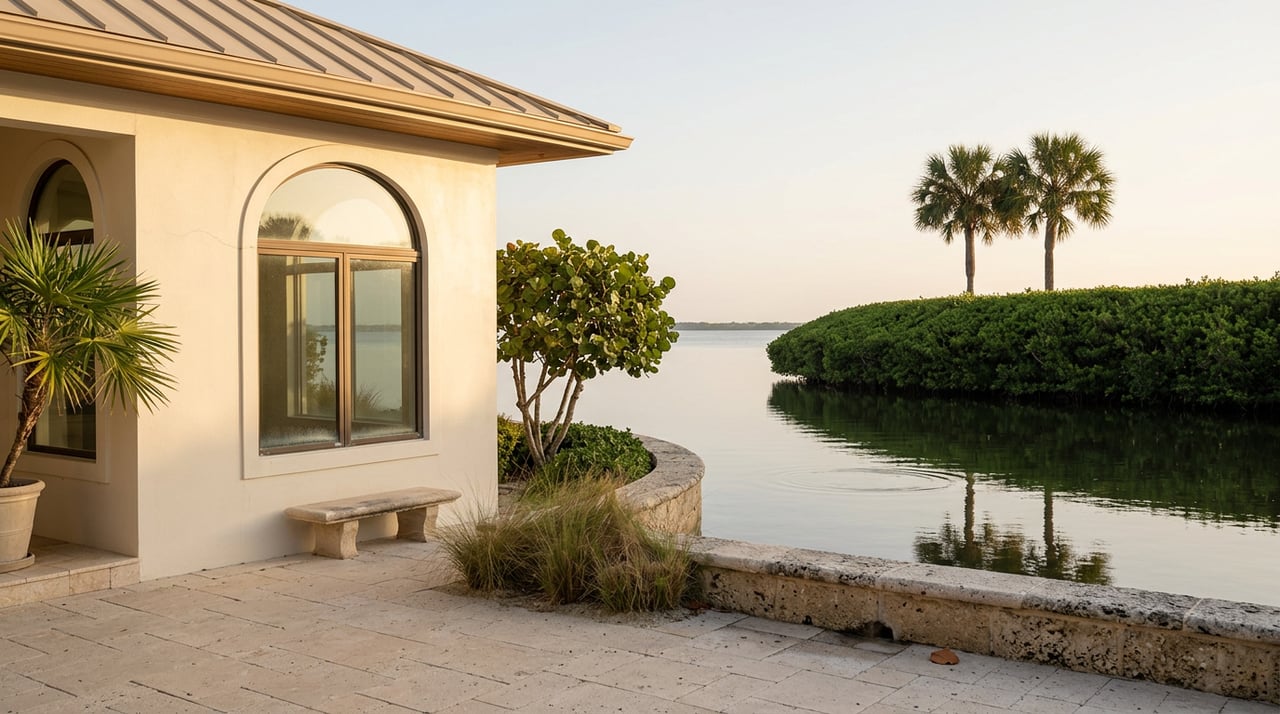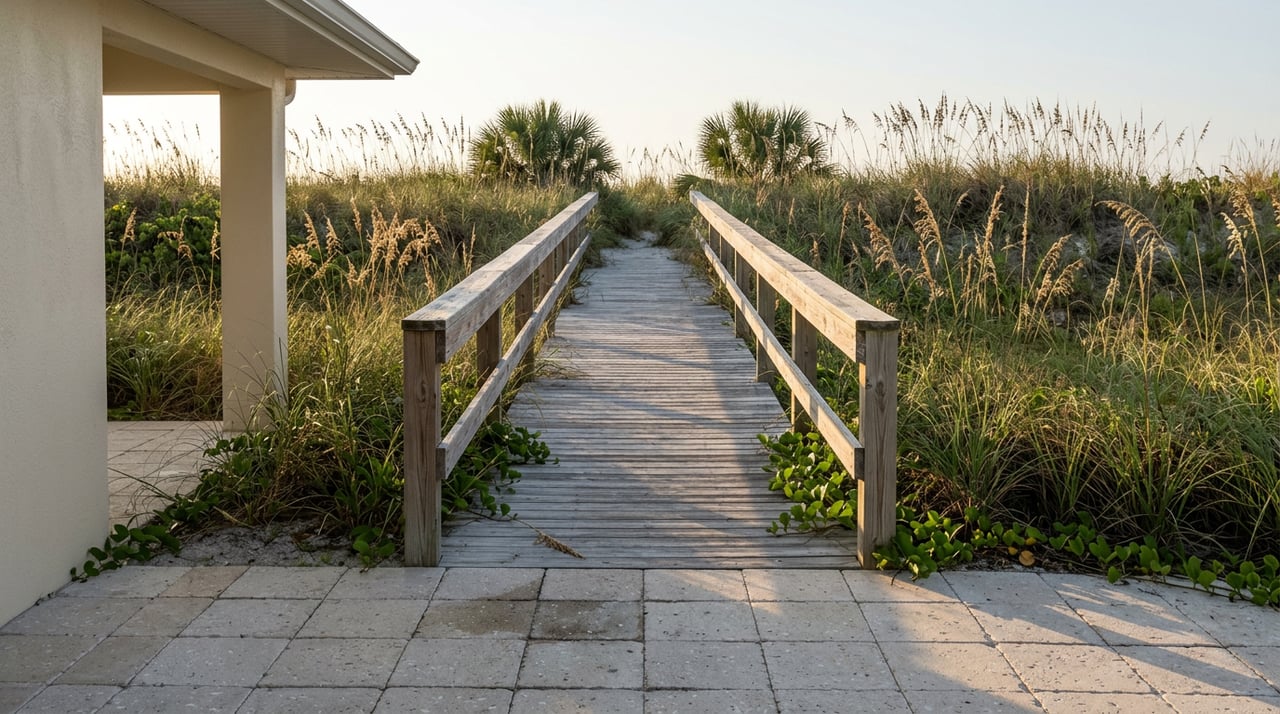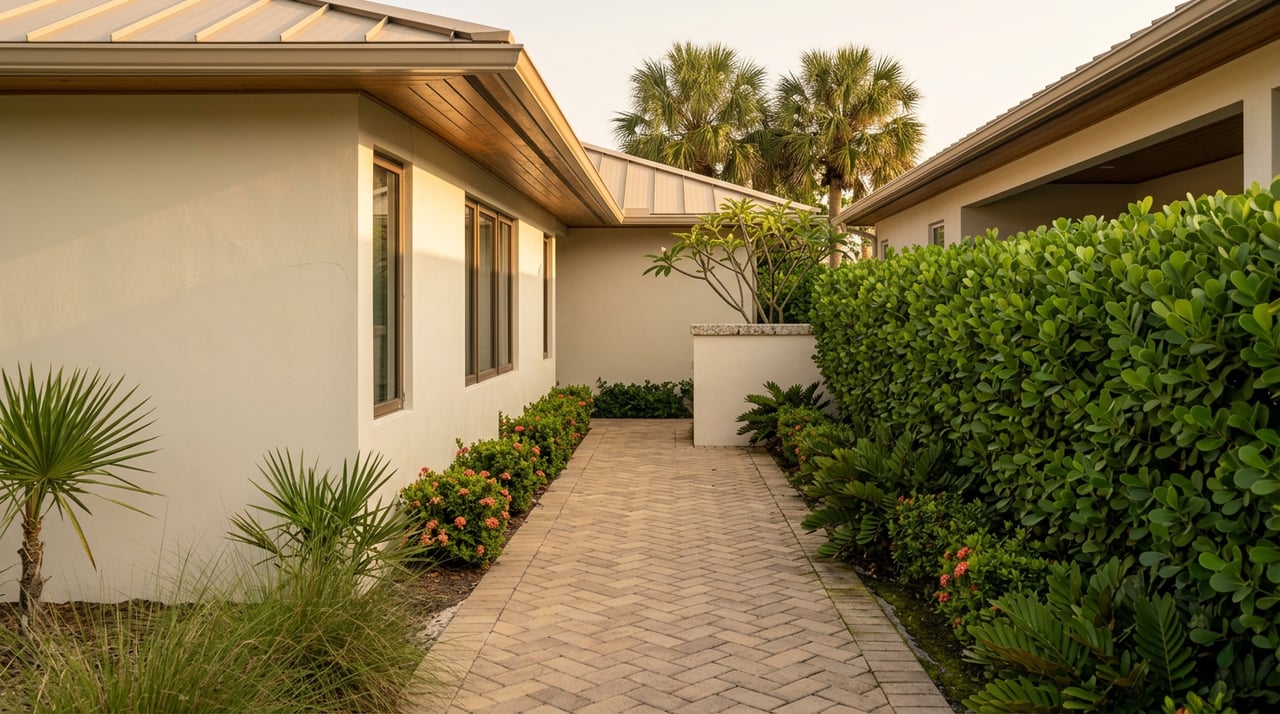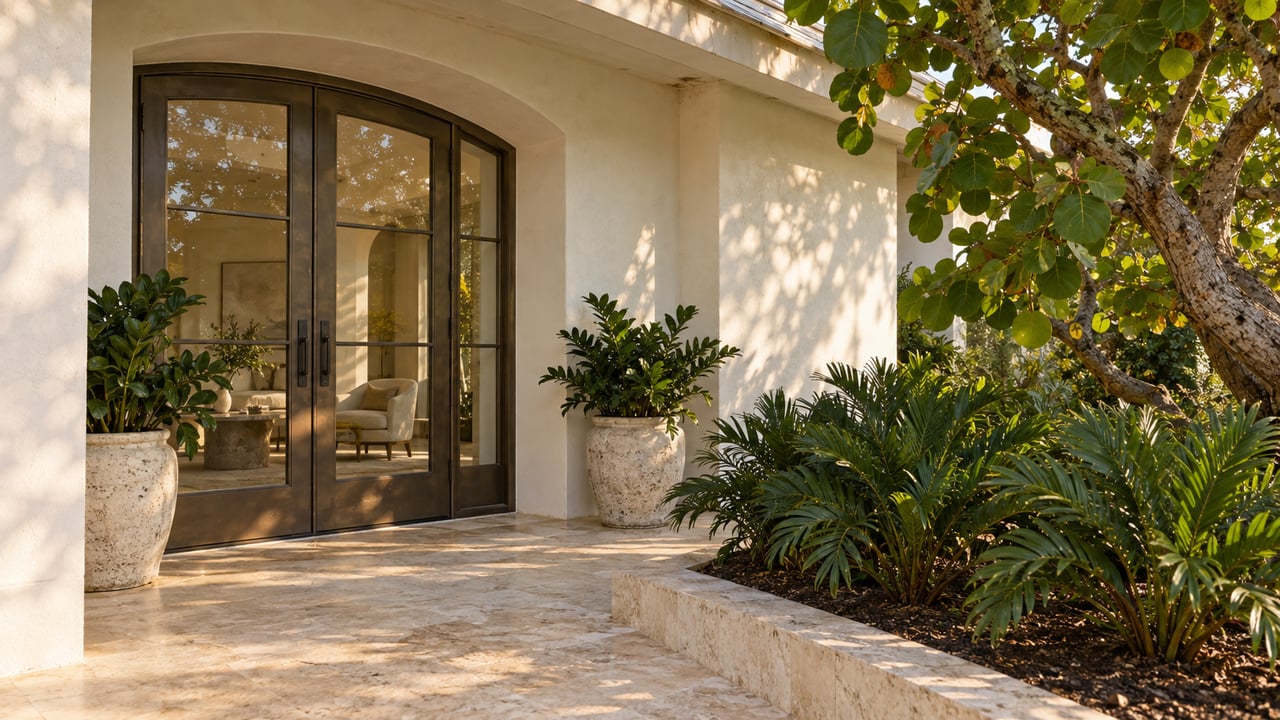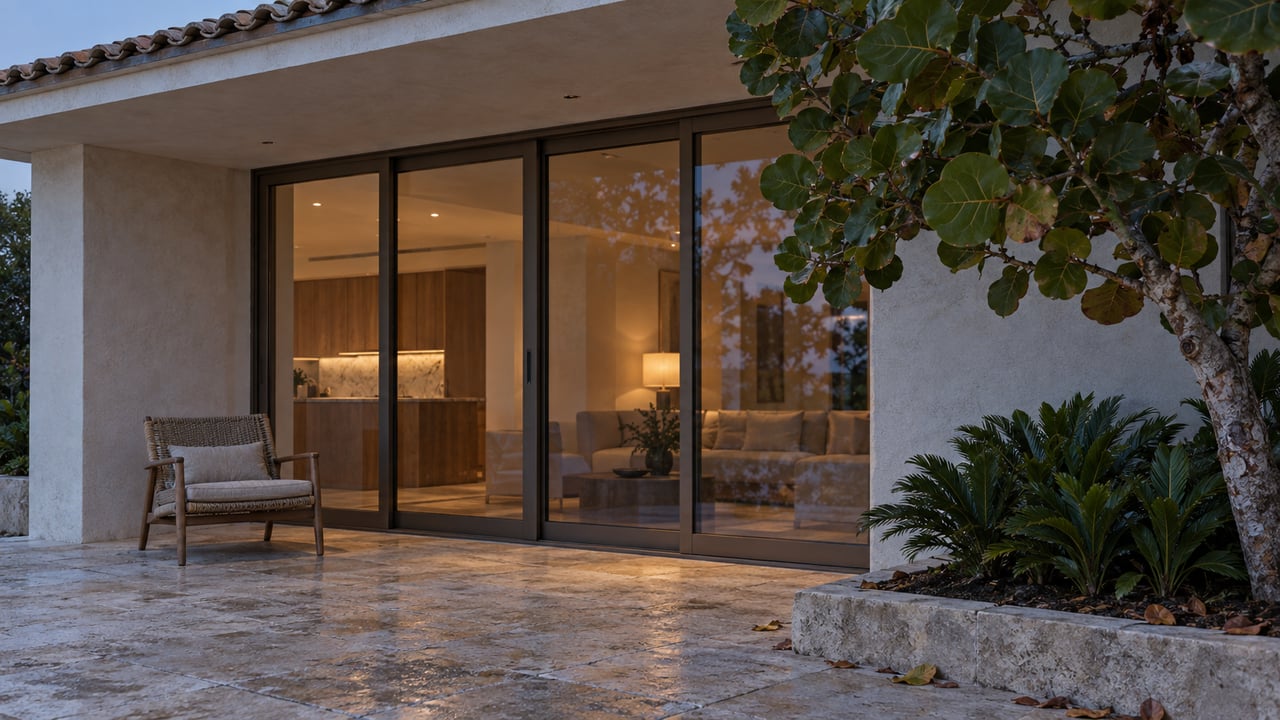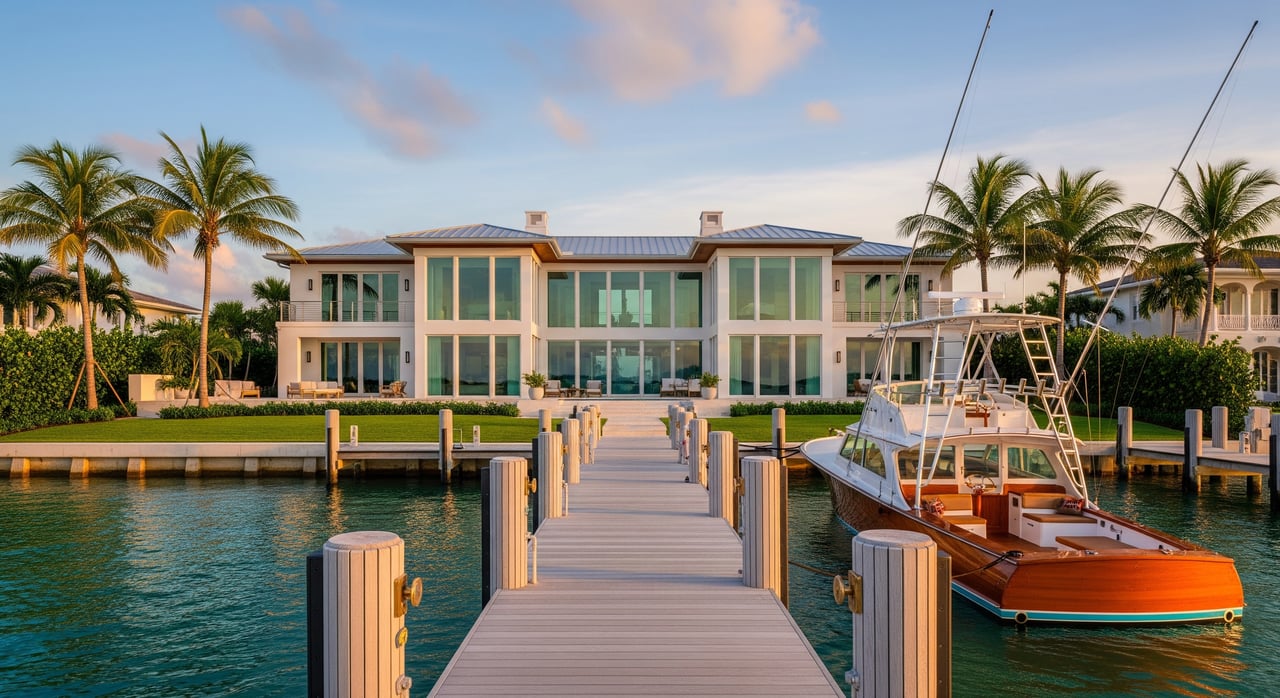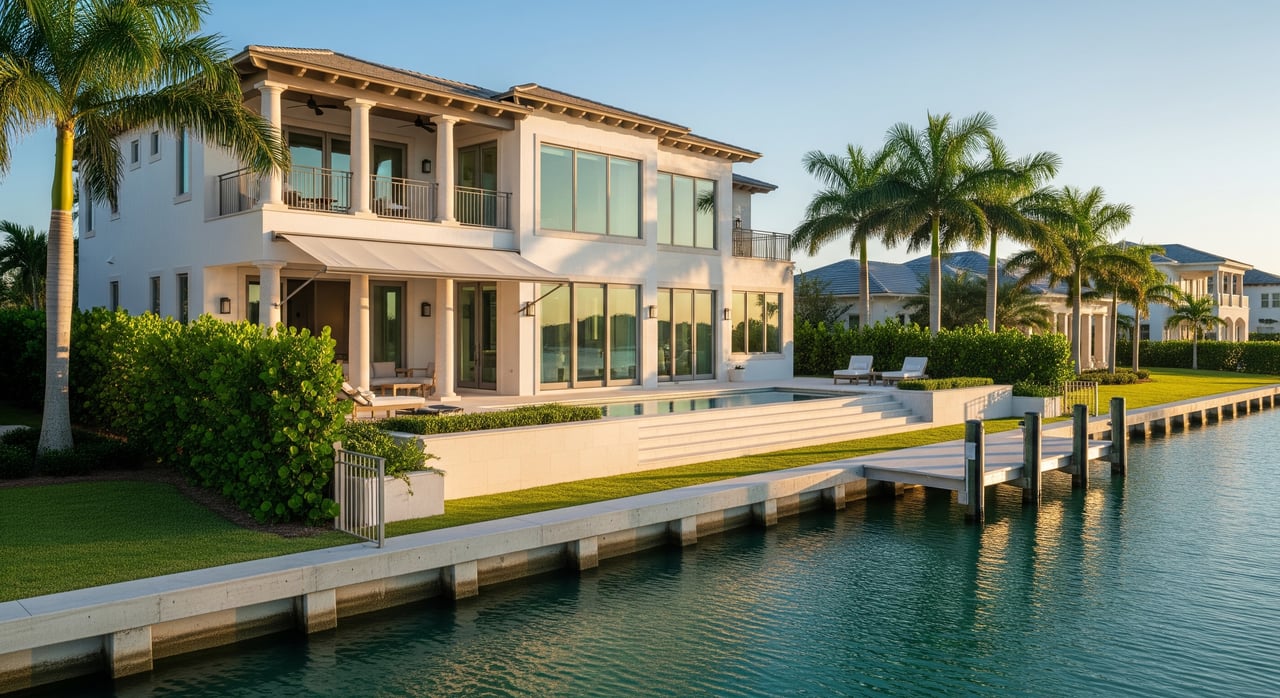
Thinking about a Boca Grande home in a community like Boca Bay and seeing “PUD” in the listing? It is a common question, especially if you want low‑maintenance living with access to the water. You deserve a clear, simple explanation of how a Planned Unit Development works, what you own, and what to check before you buy on an island. In this guide, you will learn the key parts of PUD ownership, HOA rules, dues, insurance, and due diligence specific to Boca Grande. Let’s dive in.
PUD definition in Florida
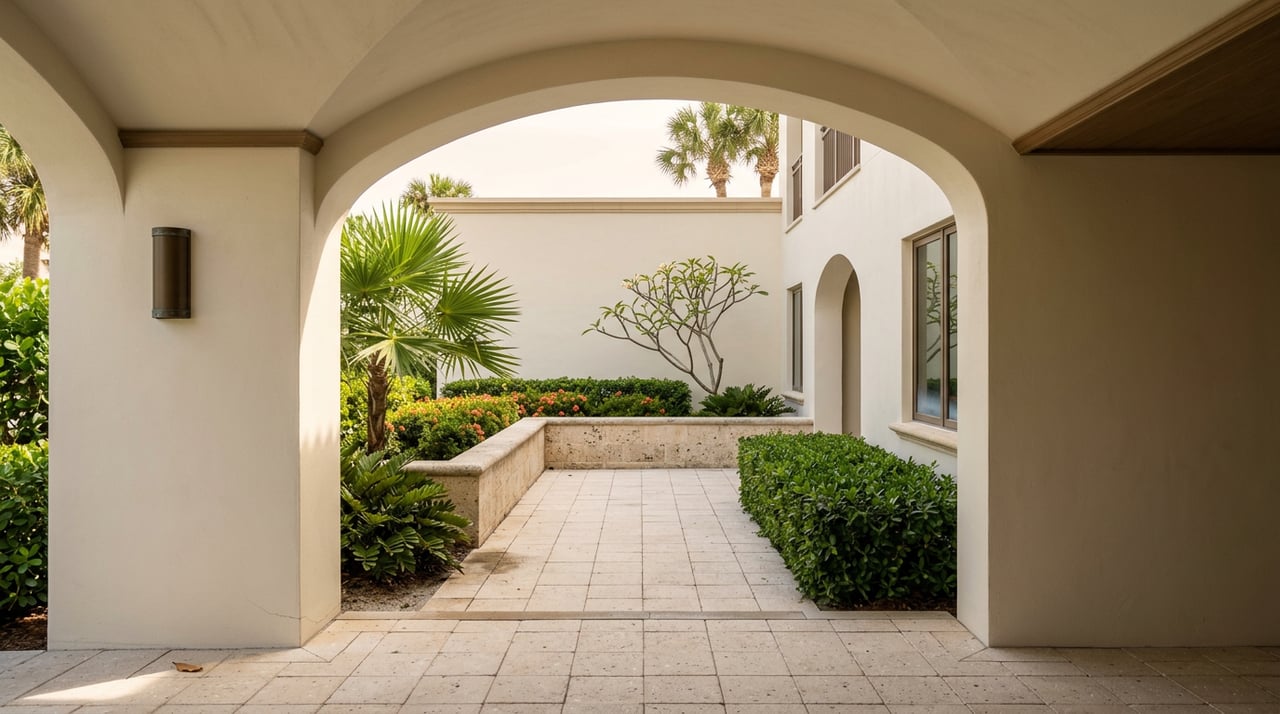
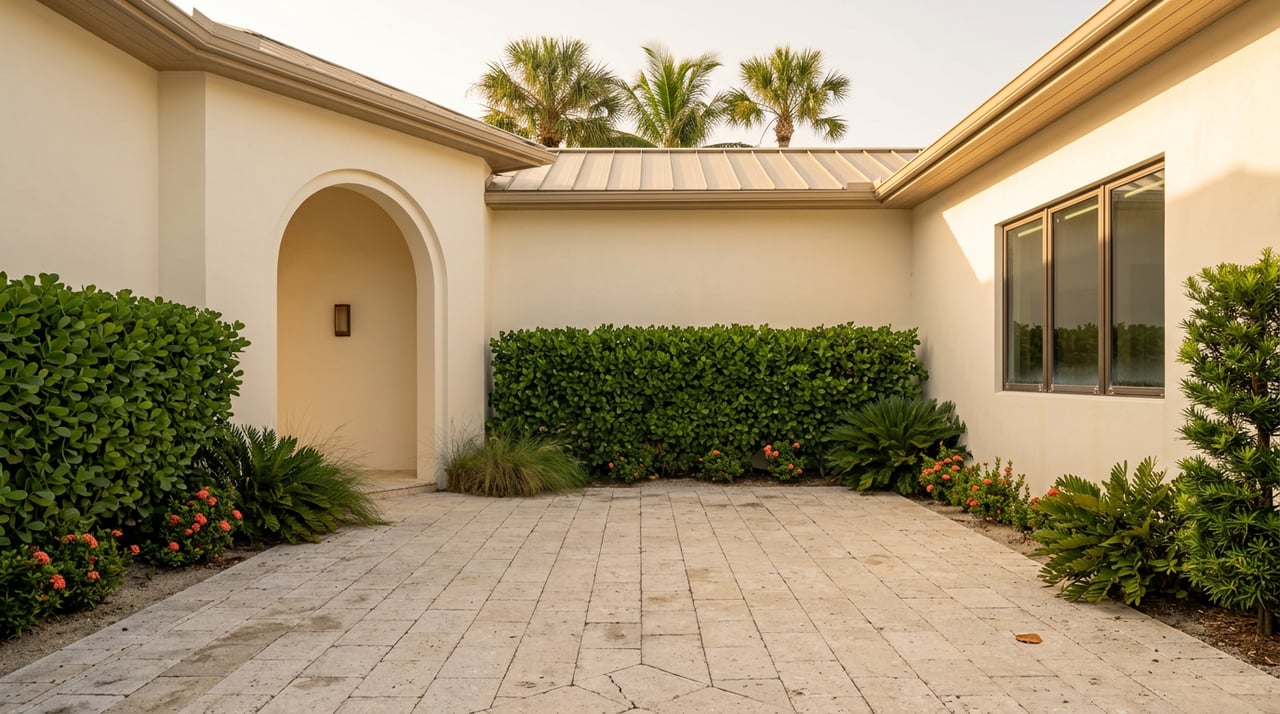
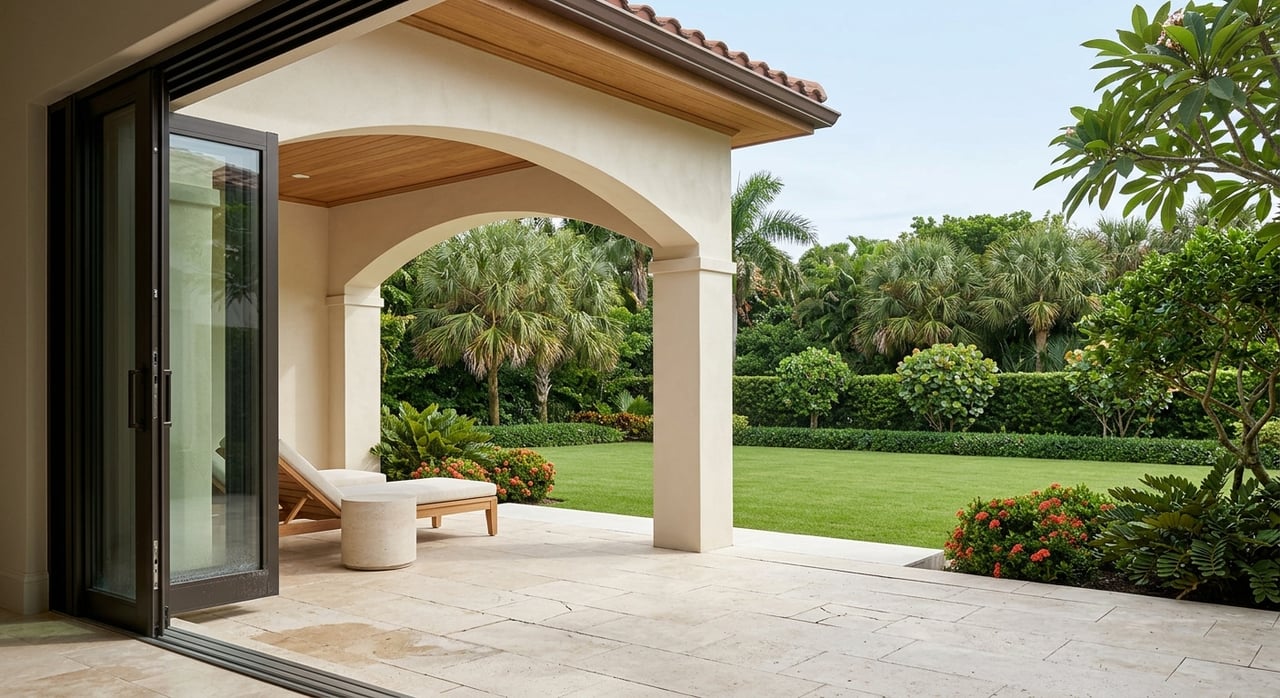
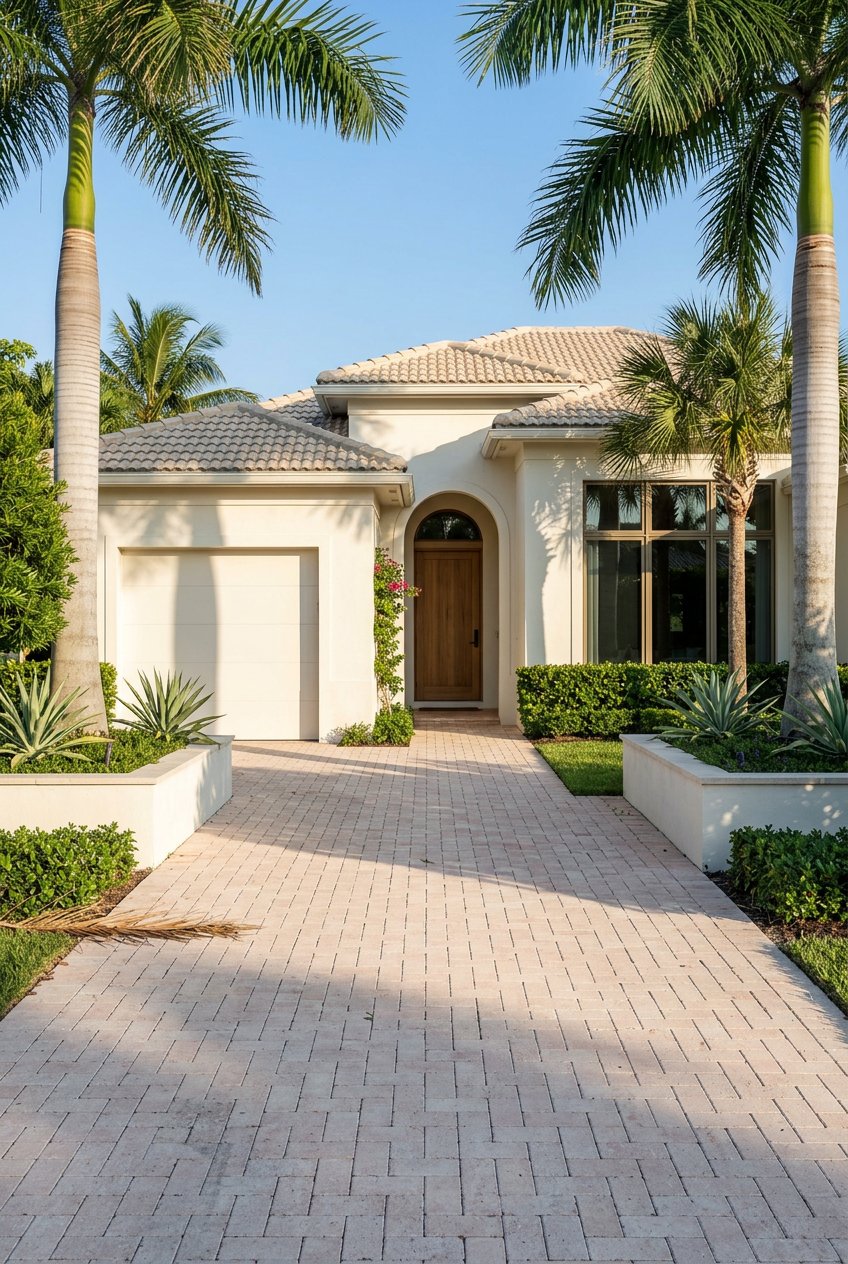
A Planned Unit Development (PUD) is a zoning and development approach that allows a master-planned community to combine different housing types, shared amenities, and open space under one cohesive plan. In a Florida PUD, you typically own your home and the land beneath it in fee simple, along with a shared interest in common areas such as private roads, landscaping, pools, and clubhouses.
PUDs are governed by Florida Statutes Chapter 720, the state's homeowners' association law. This is a key distinction from condominiums, which fall under Chapter 718. In a condo, you own the airspace inside your unit and share ownership of the building's structure, roof, and exterior walls with other owners. In a PUD, the structure of your home is yours alone, while the association manages shared elements outside your lot lines.
Why does this matter? The governing statute affects your rights as an owner, how the association can levy assessments, disclosure requirements at resale, lender underwriting, and how your insurance is structured. Confirming whether a Boca Grande community is a PUD or a condominium, or in some cases a hybrid, is one of the first questions to answer before you make an offer.
Boca Grande PUD ownership
Fee simple plus shared elements
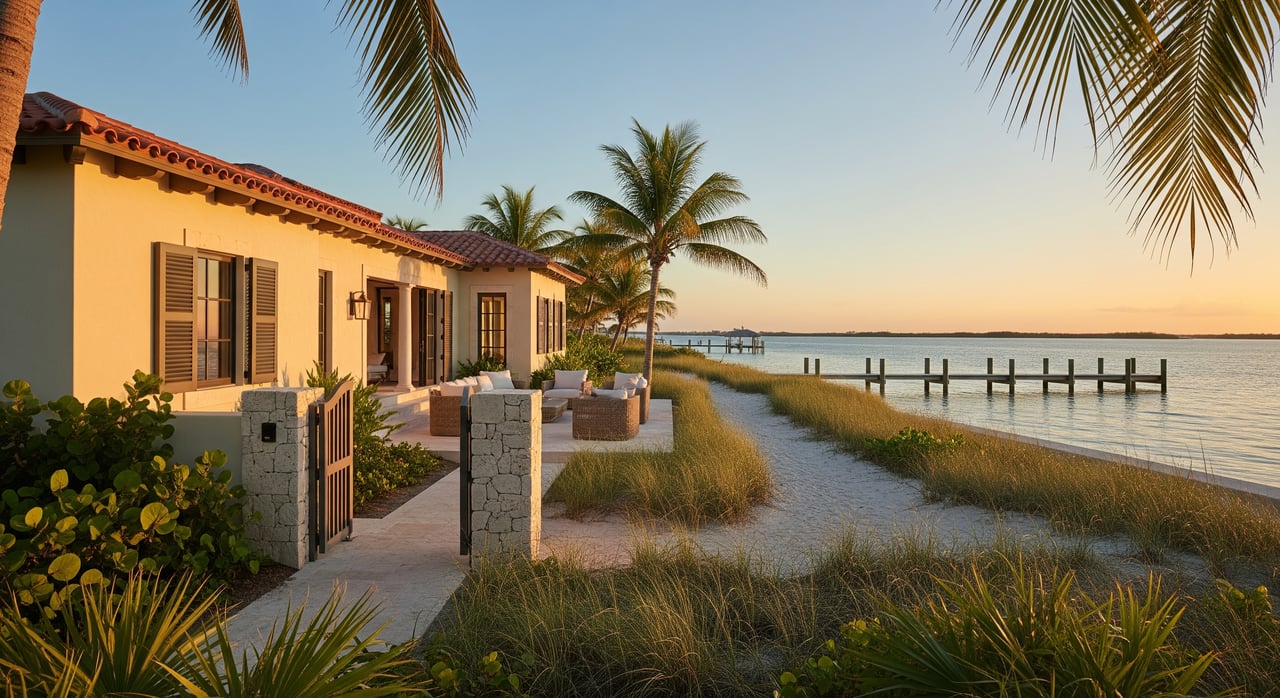
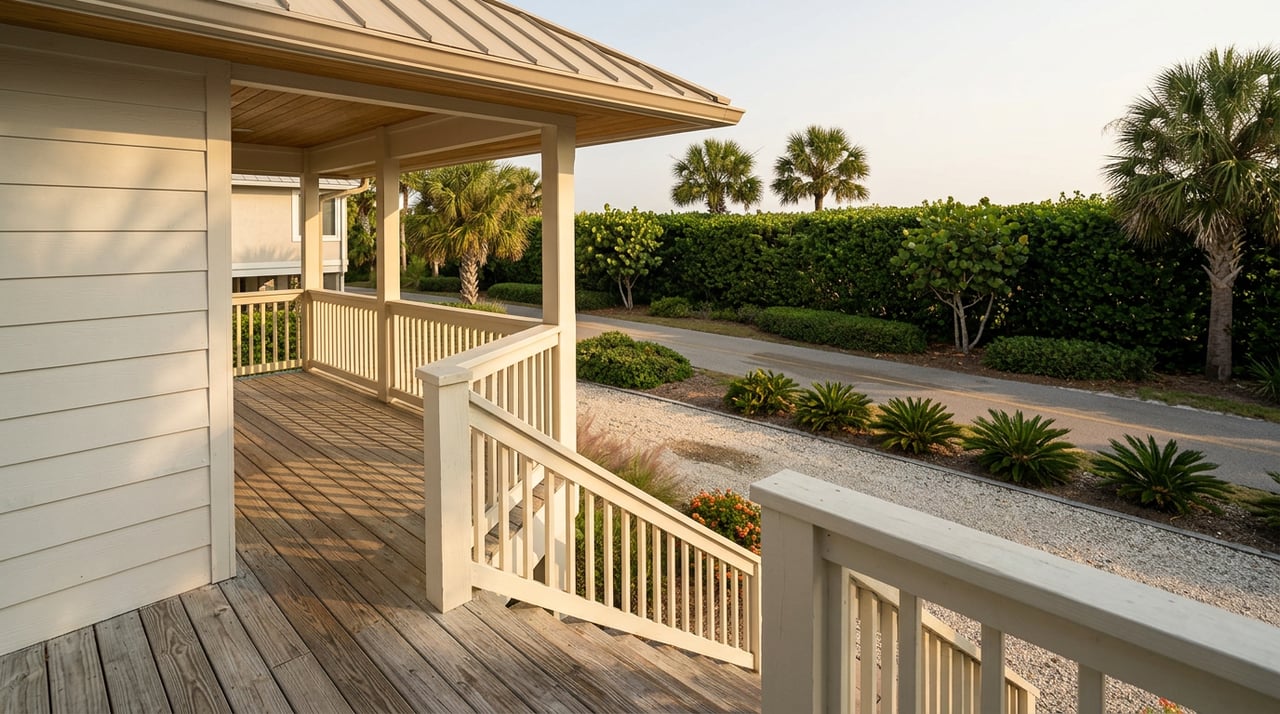
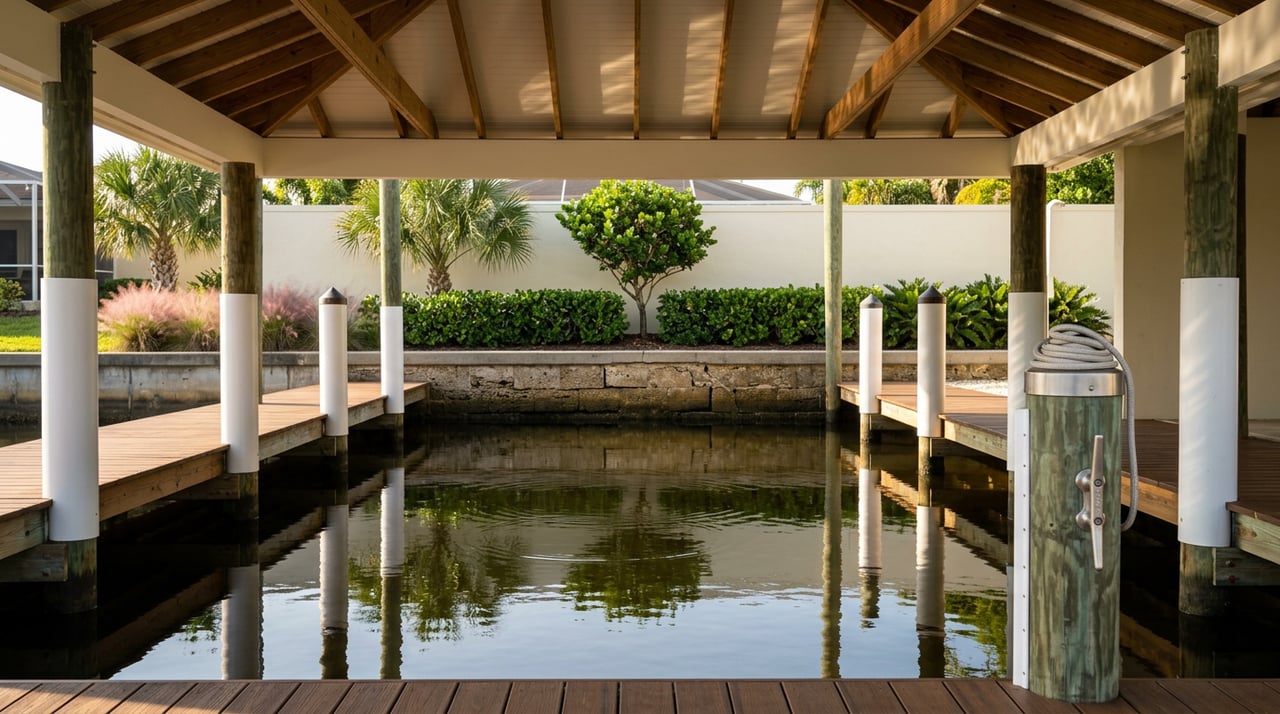
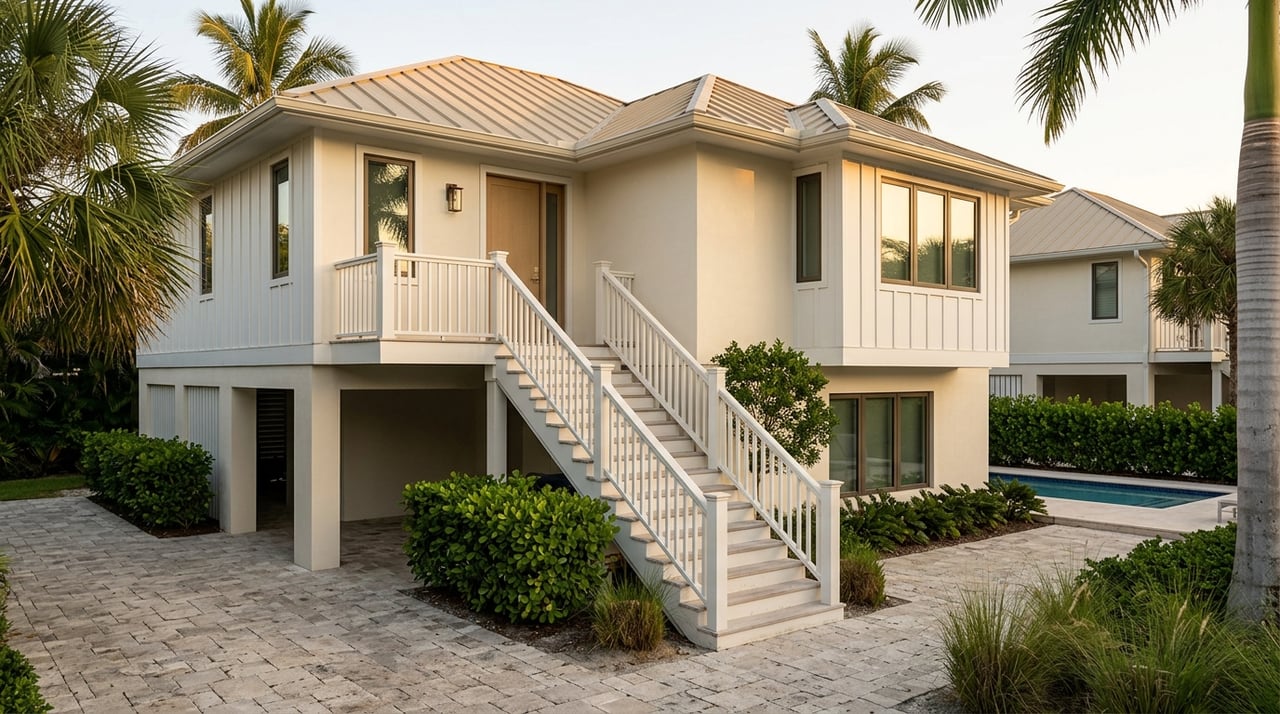
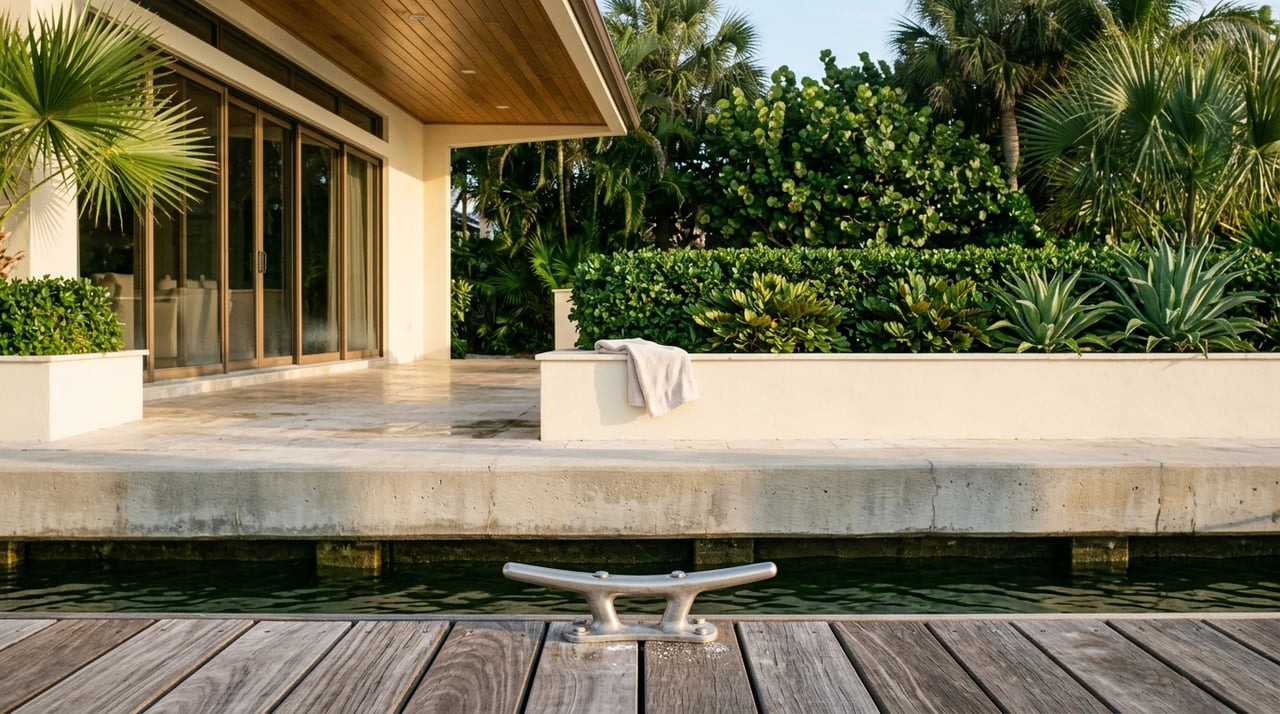
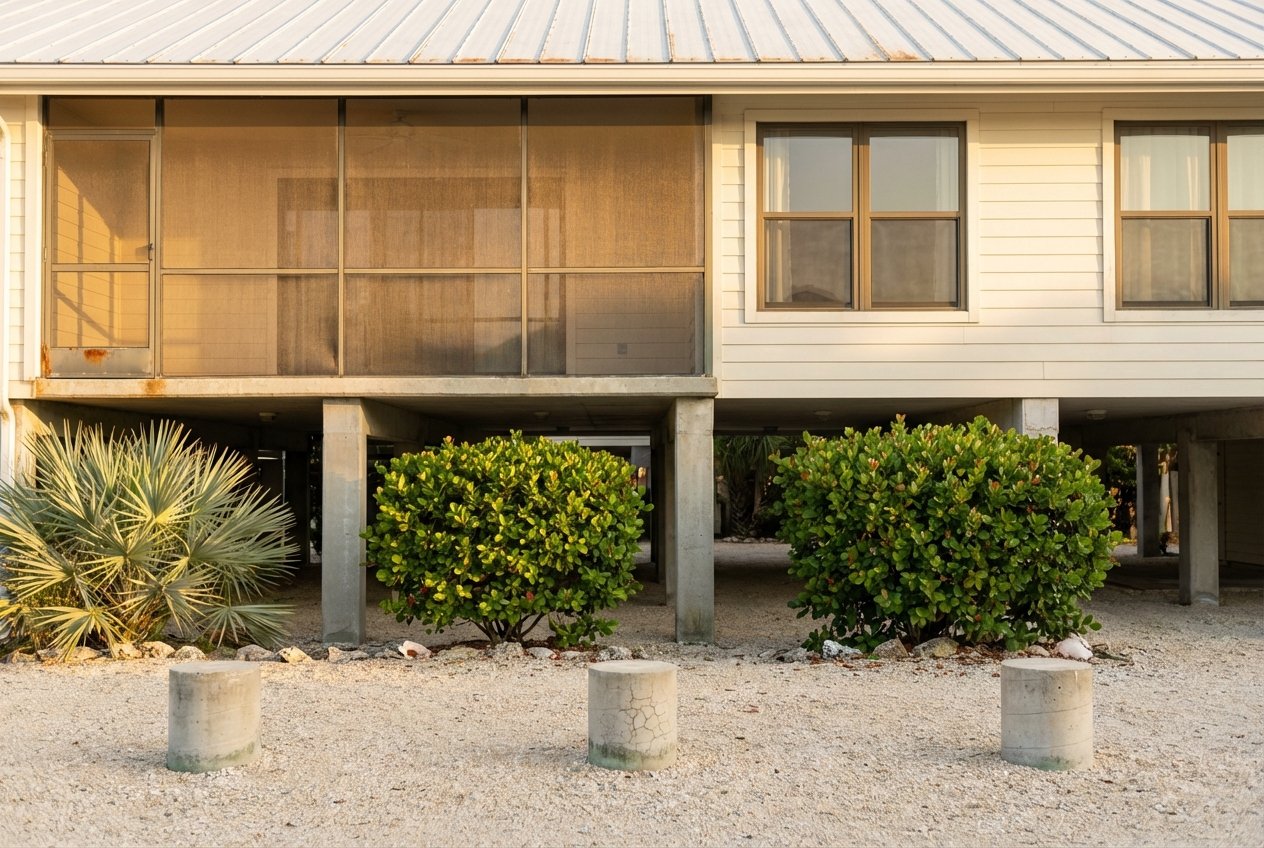
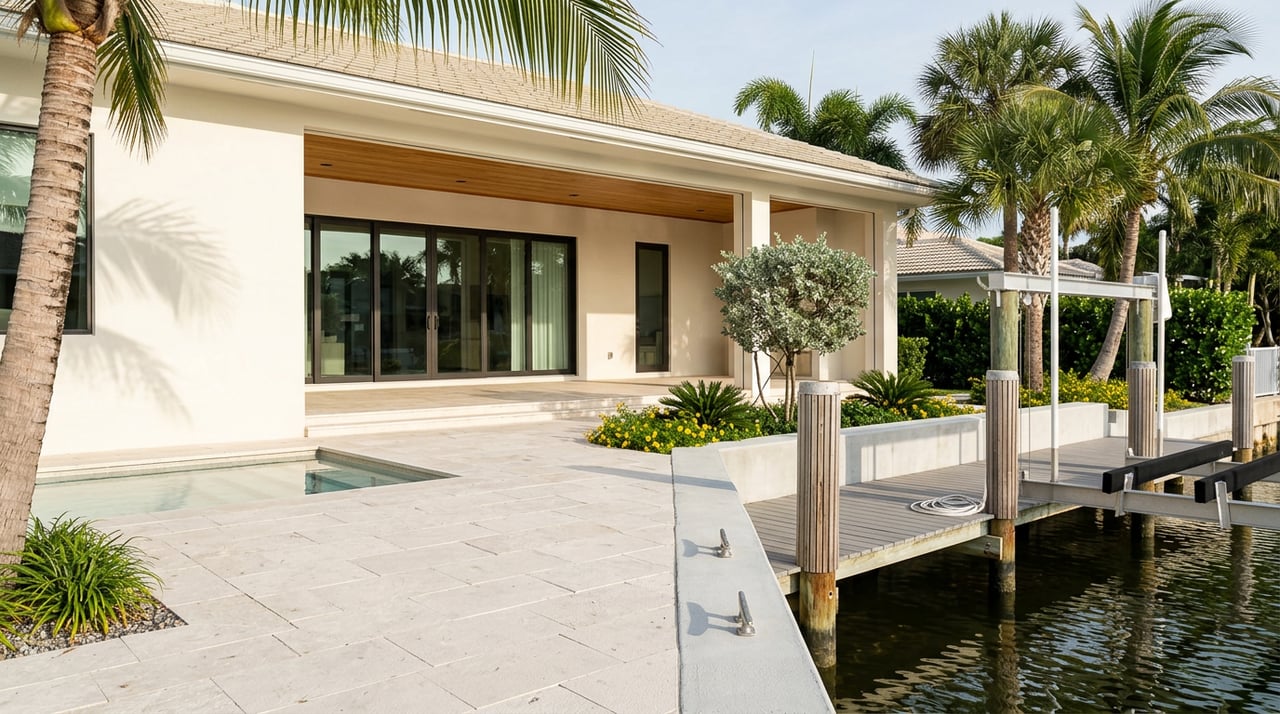
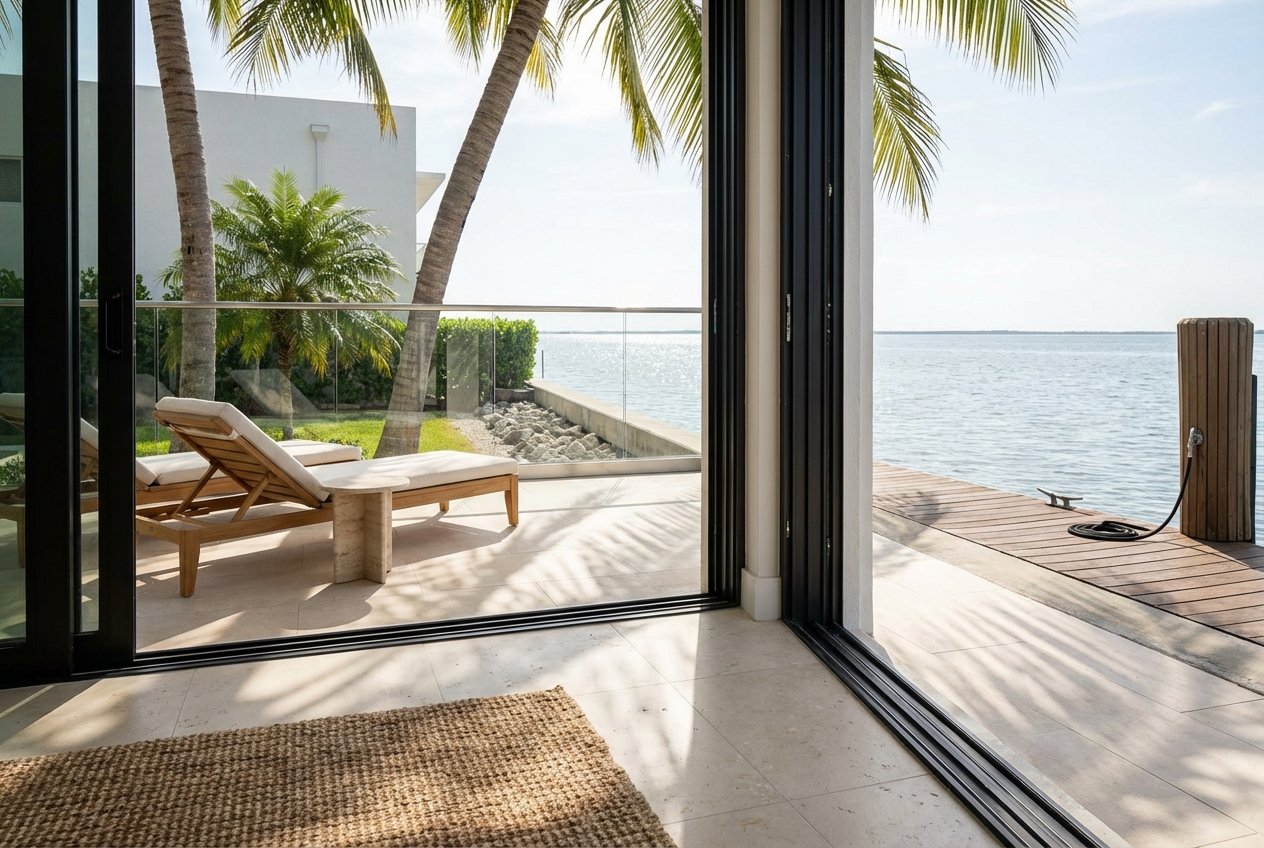
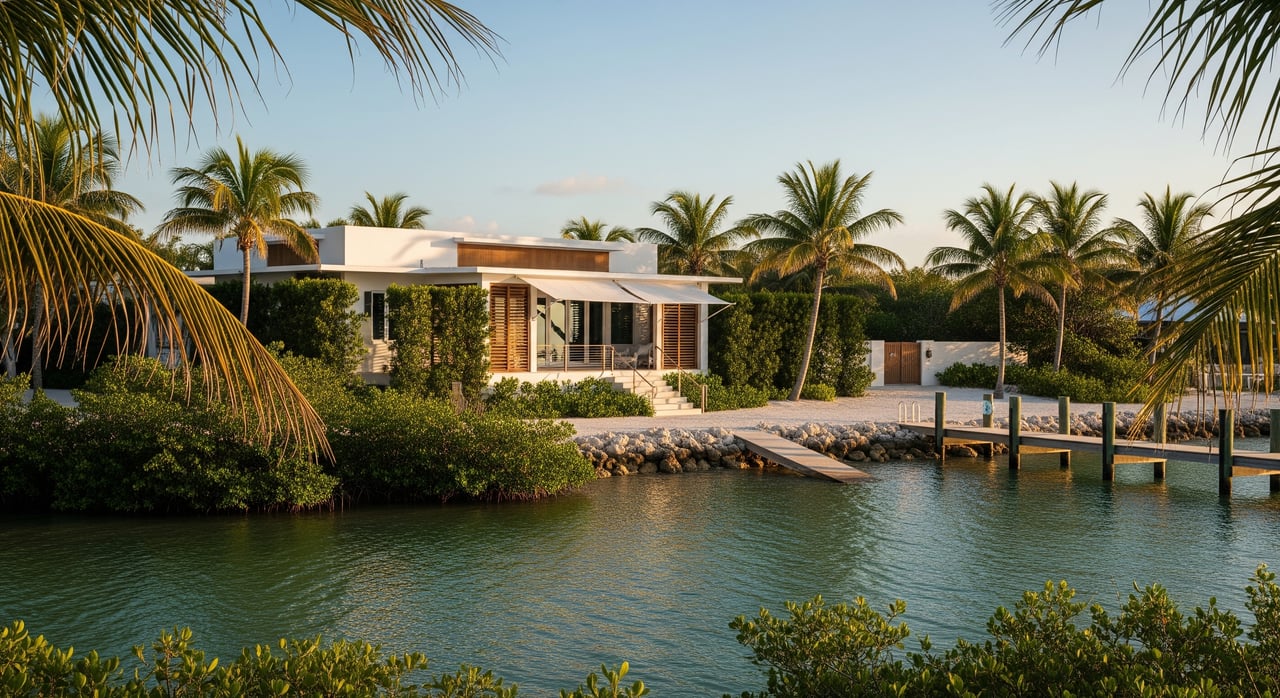
In a Boca Grande PUD, you typically hold fee simple title to your home site or villa. You also share ownership or maintenance responsibility for common elements. These can include private roads, landscaping, club facilities, and sometimes marina features. Some docks, seawalls, or slips may be assigned to specific homes as limited common elements, or they may be privately owned. The recorded Declaration and related documents spell out who maintains what.
Amenities you may see
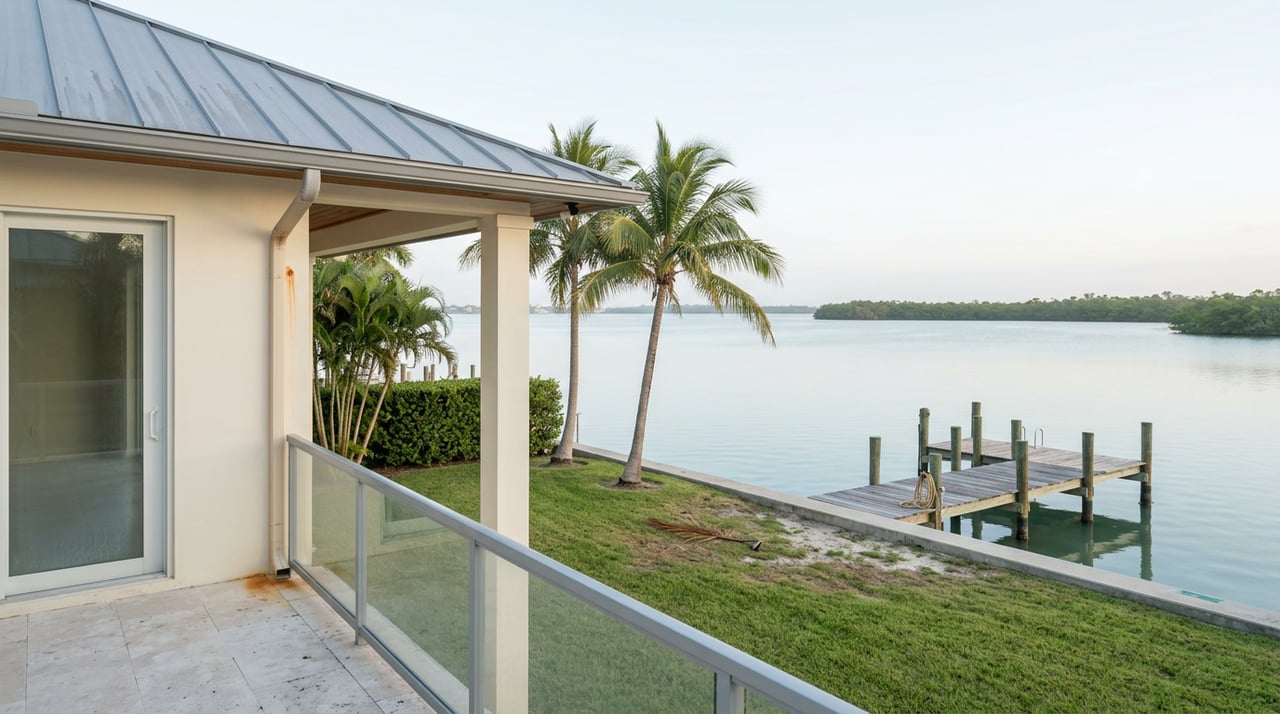
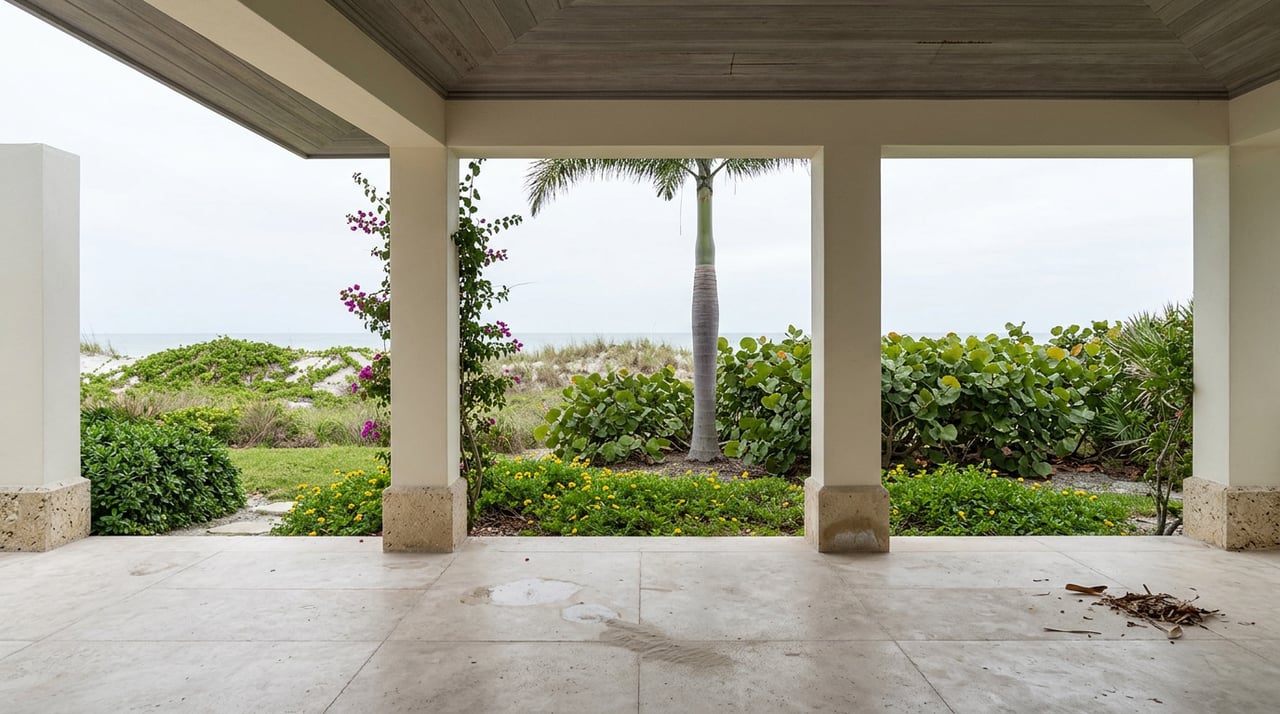
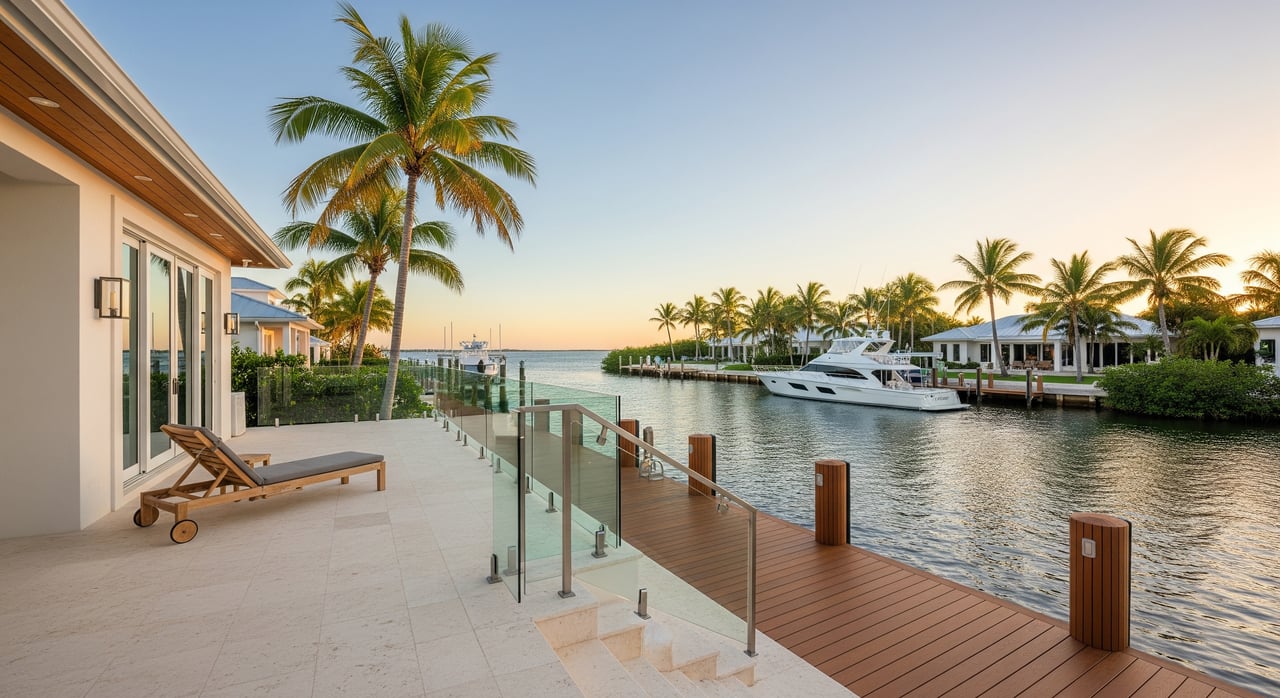
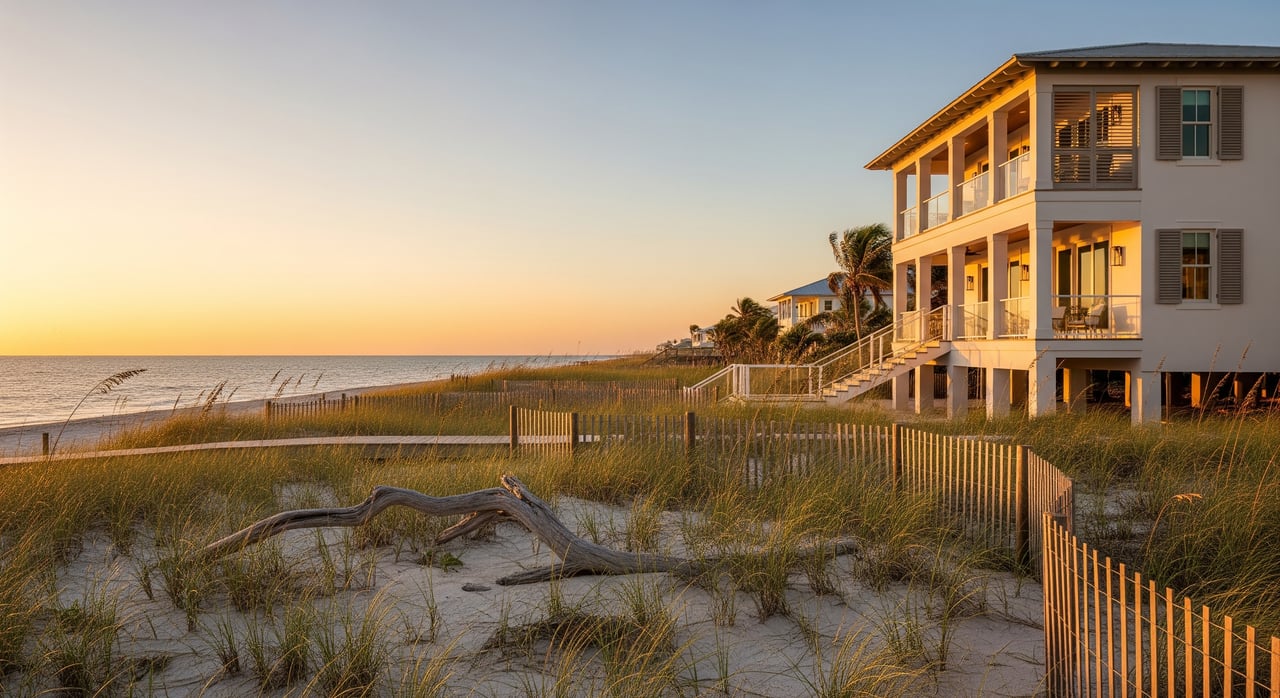
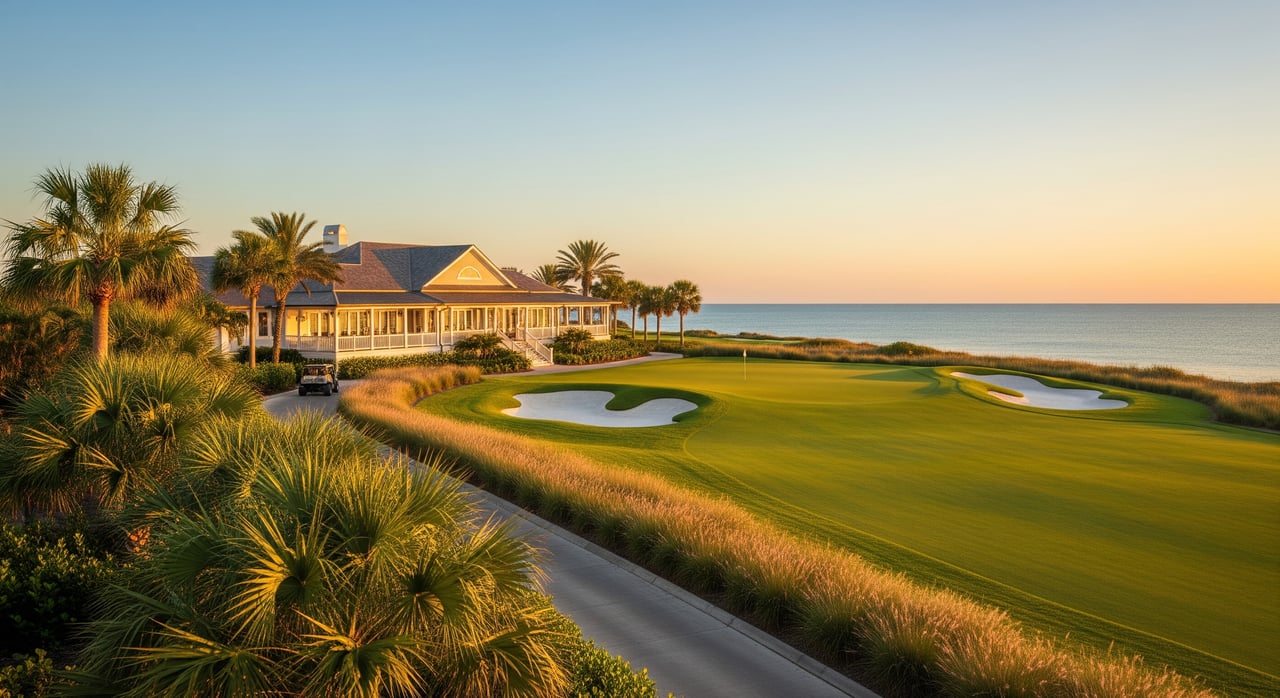
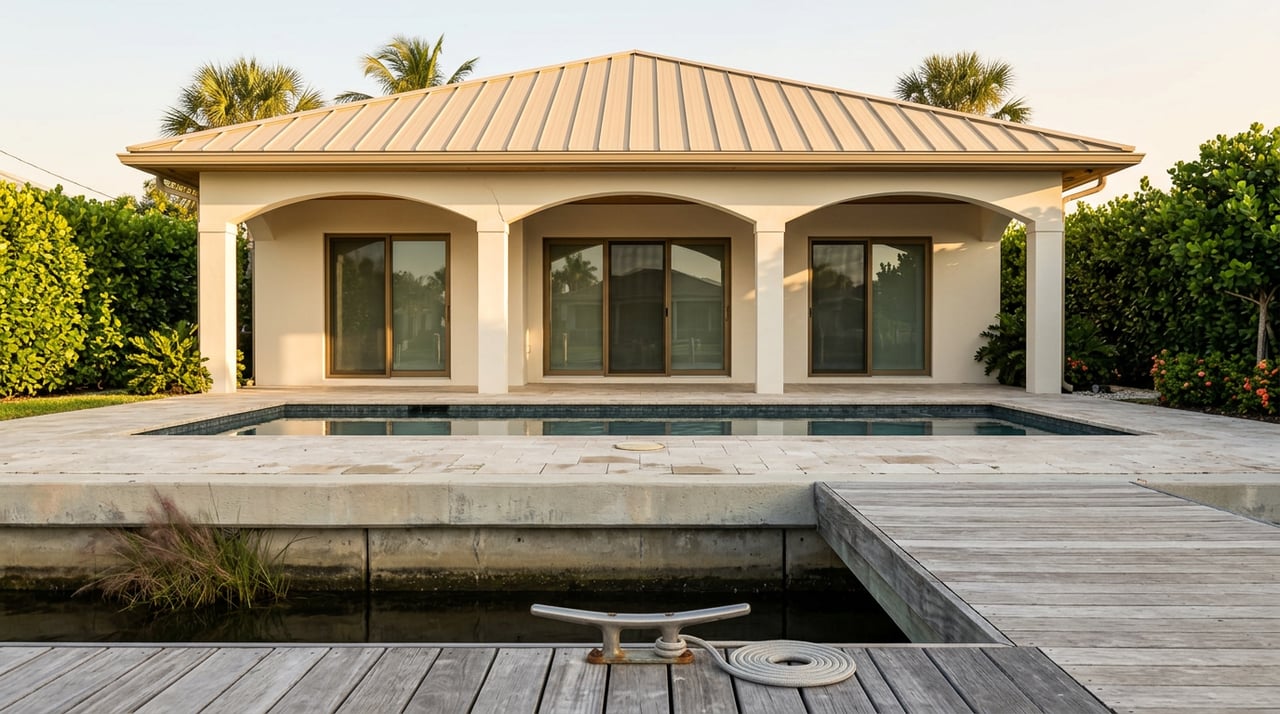
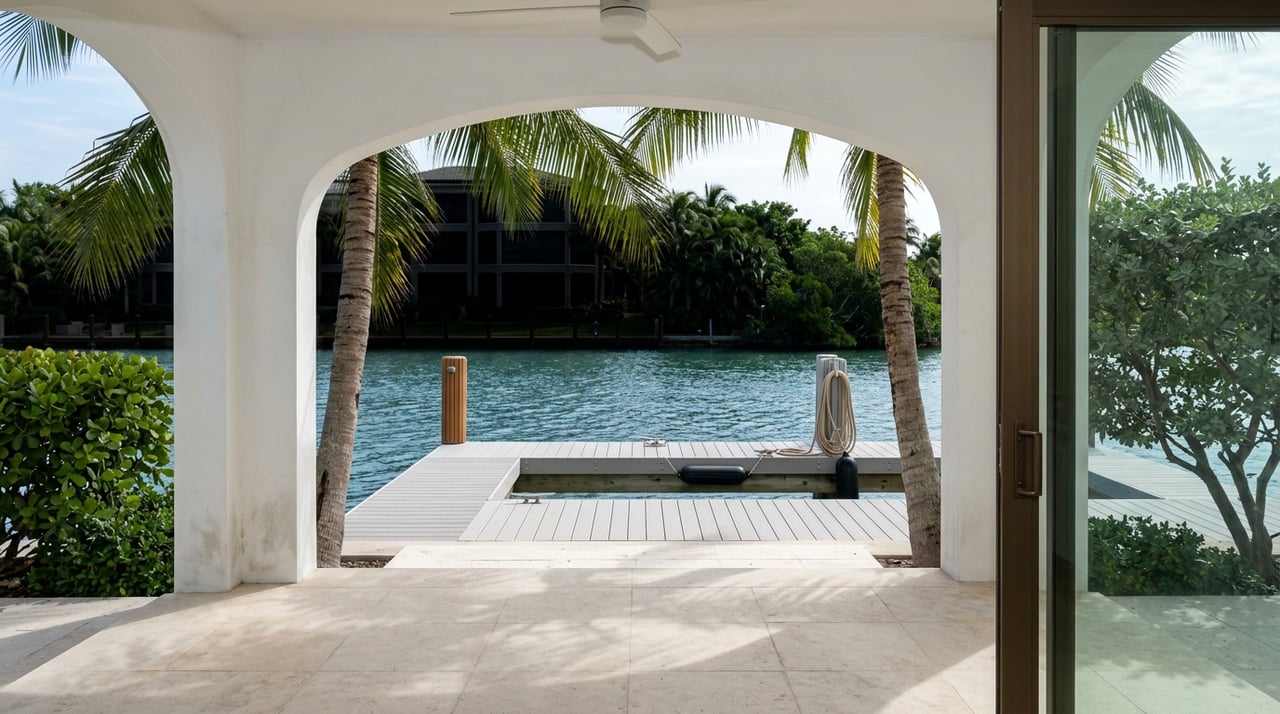
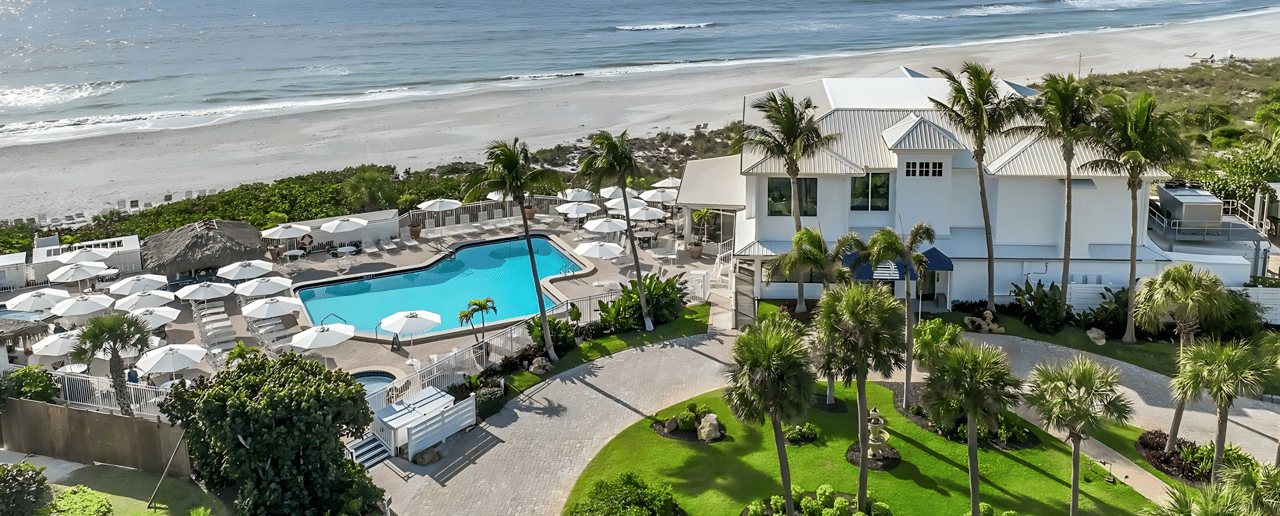
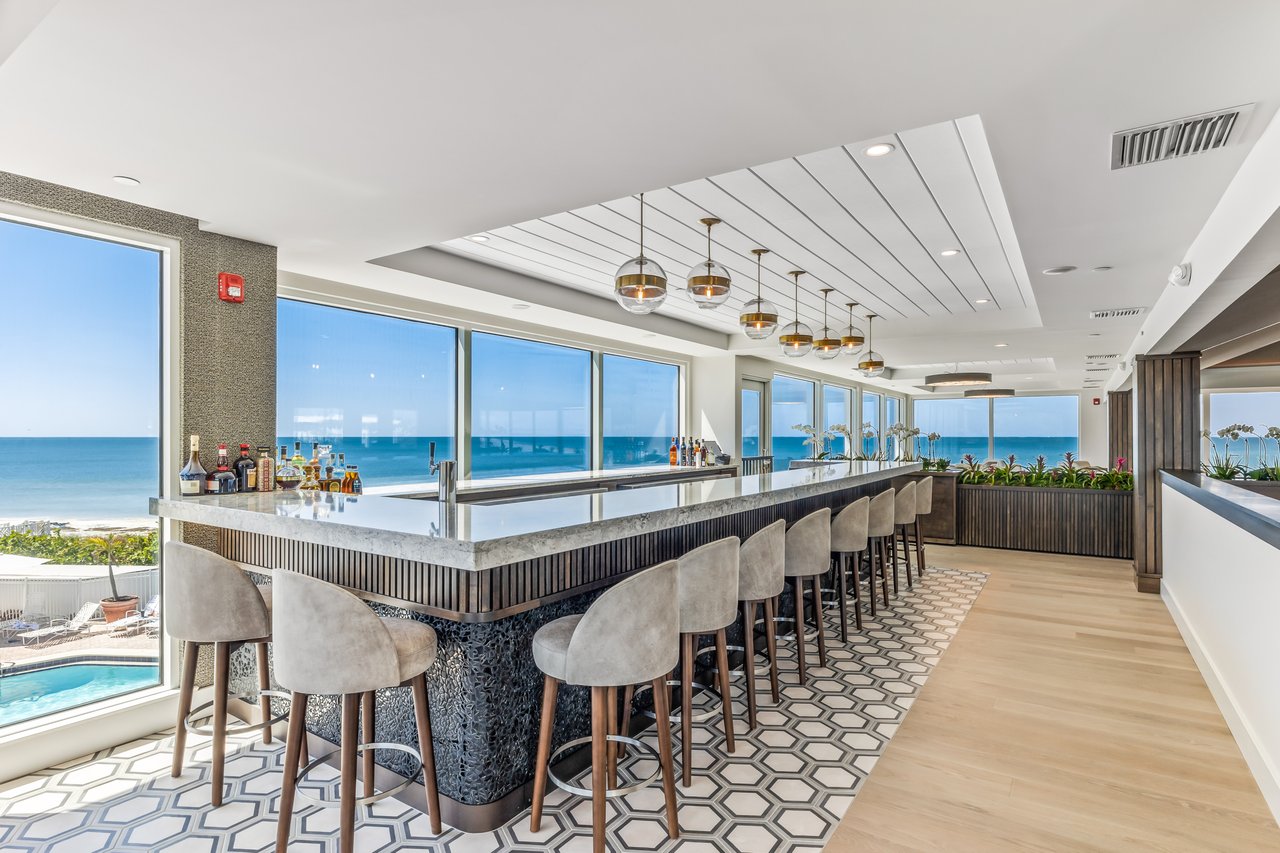
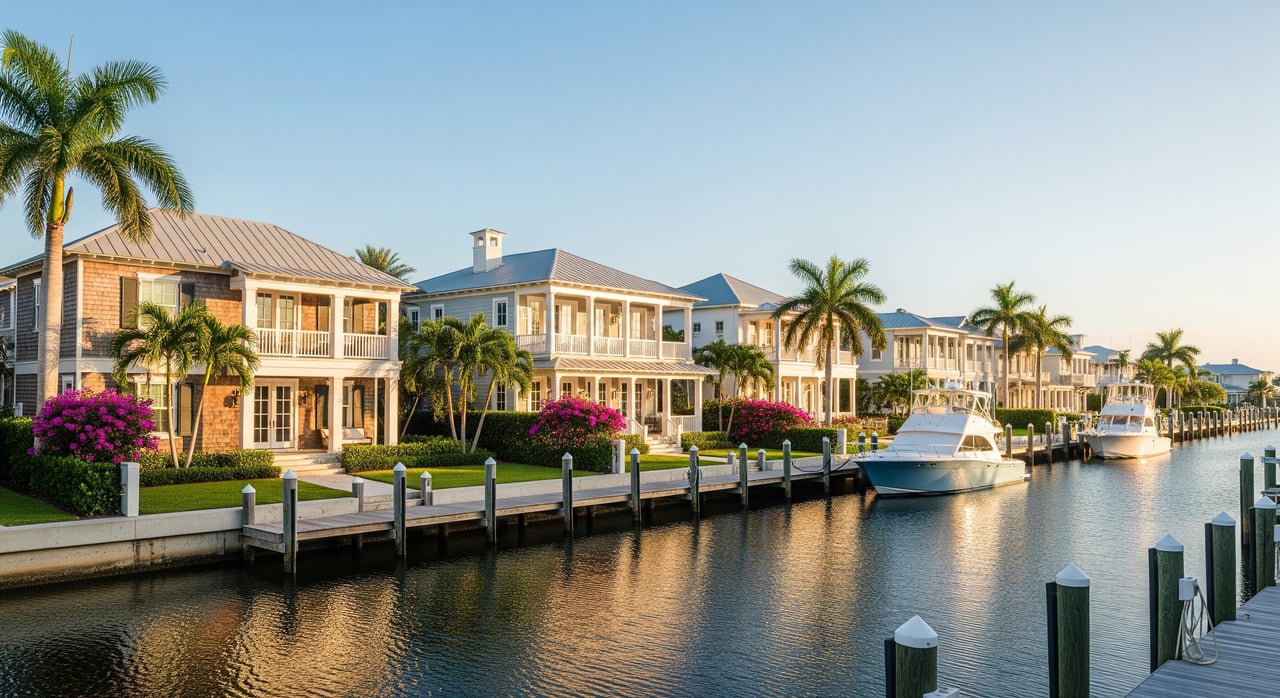
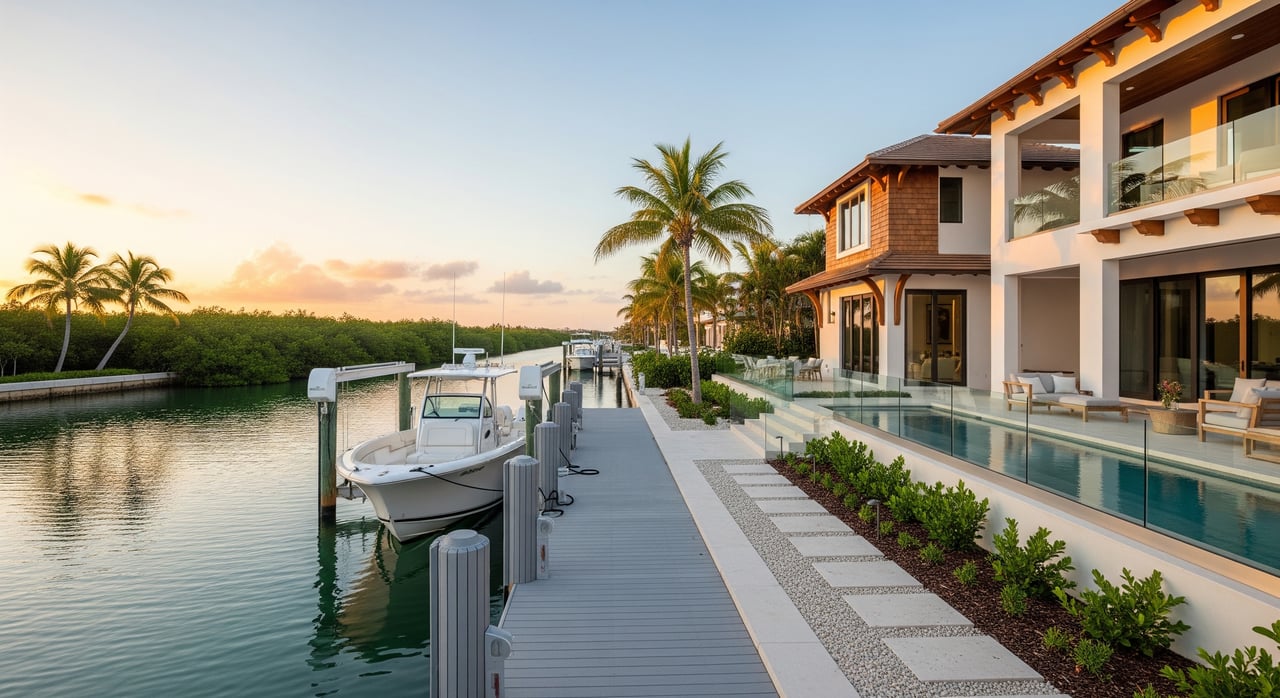
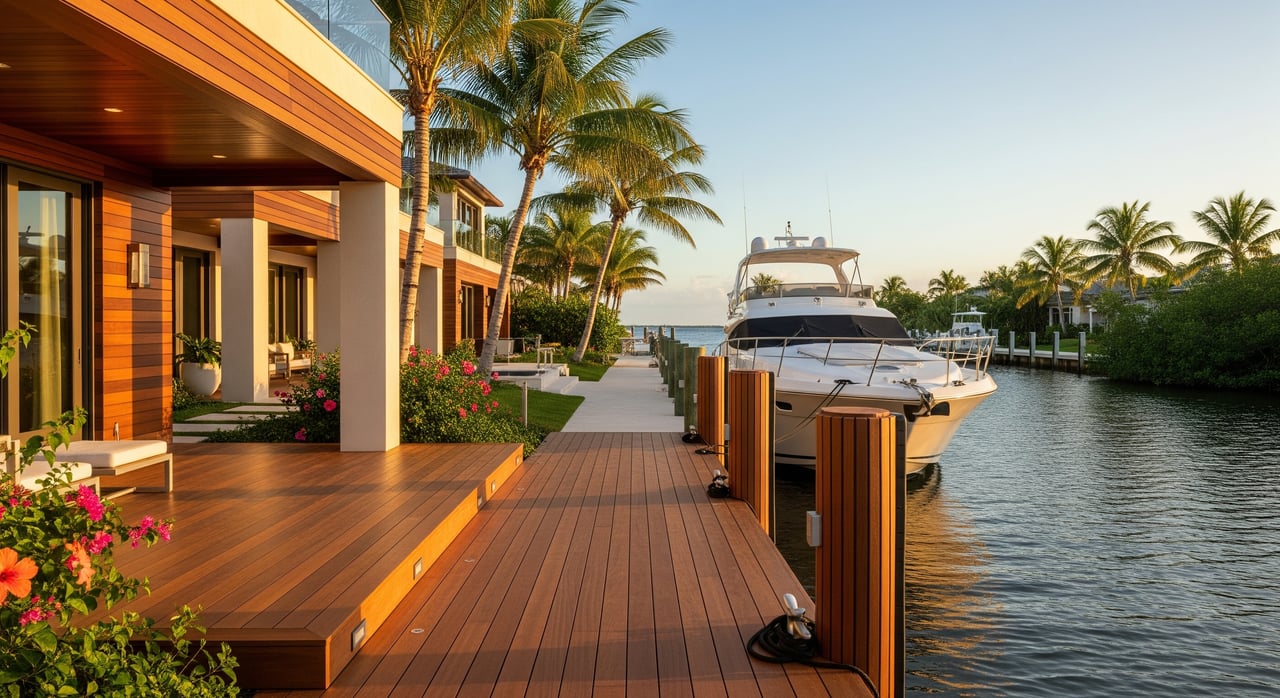
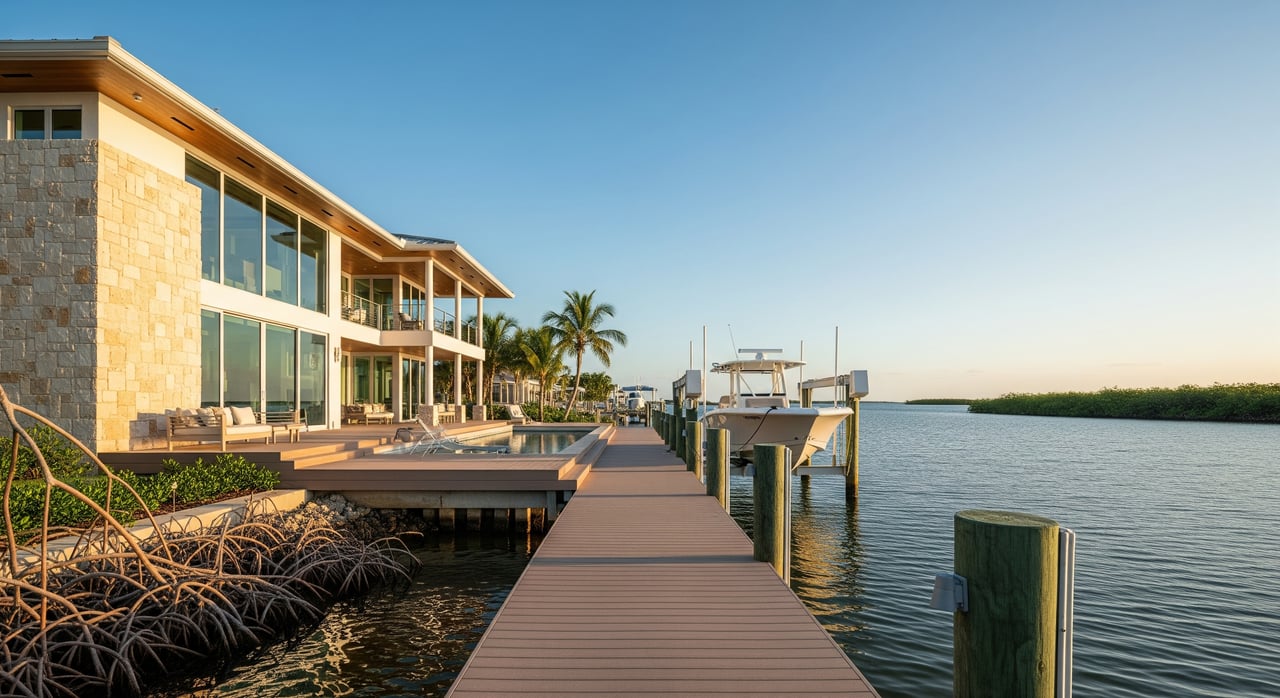
Island PUDs often include gated entries, shared drives, pools, a clubhouse or fitness room, and tennis or pickleball courts. Many include marina facilities, boat slips, and bulkheads or seawalls. Private beach access or easements are also common. These perks support the island lifestyle, but they come with shared obligations and insurance considerations.
Maintenance and utilities
The association usually maintains common areas, private roads, landscaping, and amenities. Some PUDs include exterior maintenance for the homes, while others do not. Utility setups can vary on an island. Check whether sewer, water, or lift stations are handled by the county, a private utility, or the association. The Declaration and annual budget will outline the scope and cost.
Boca Bay as a real‑world example
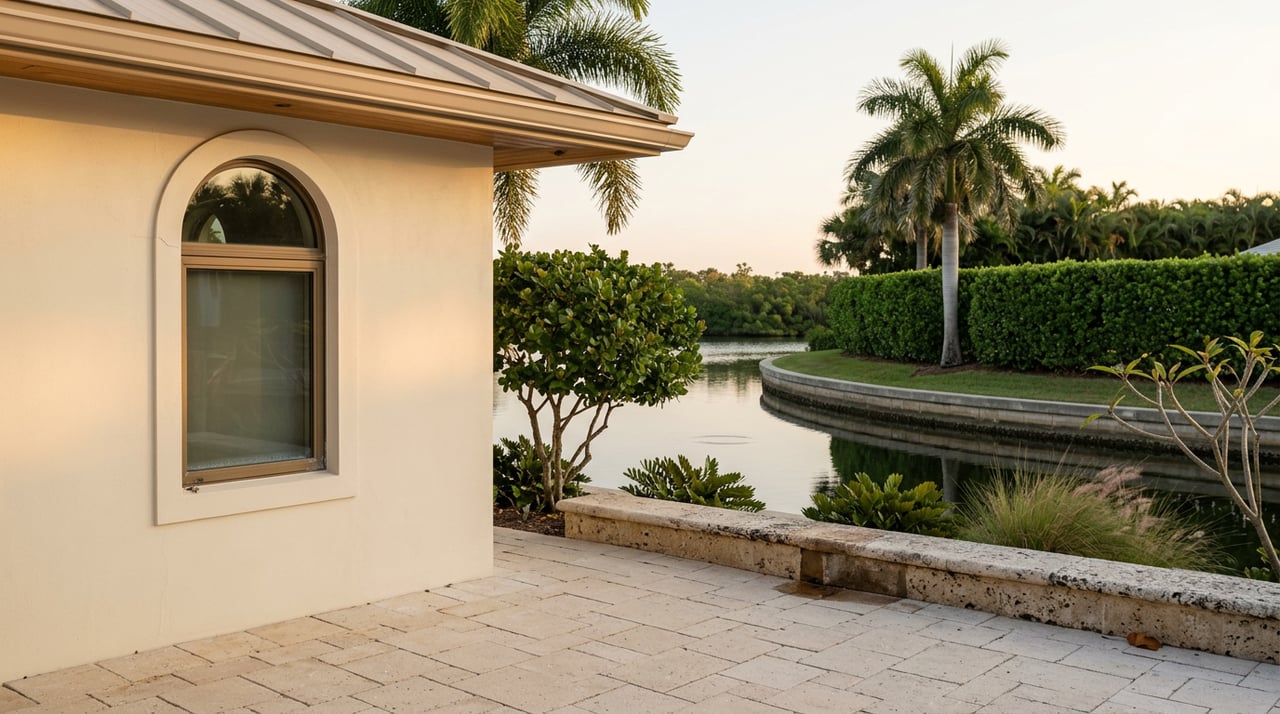
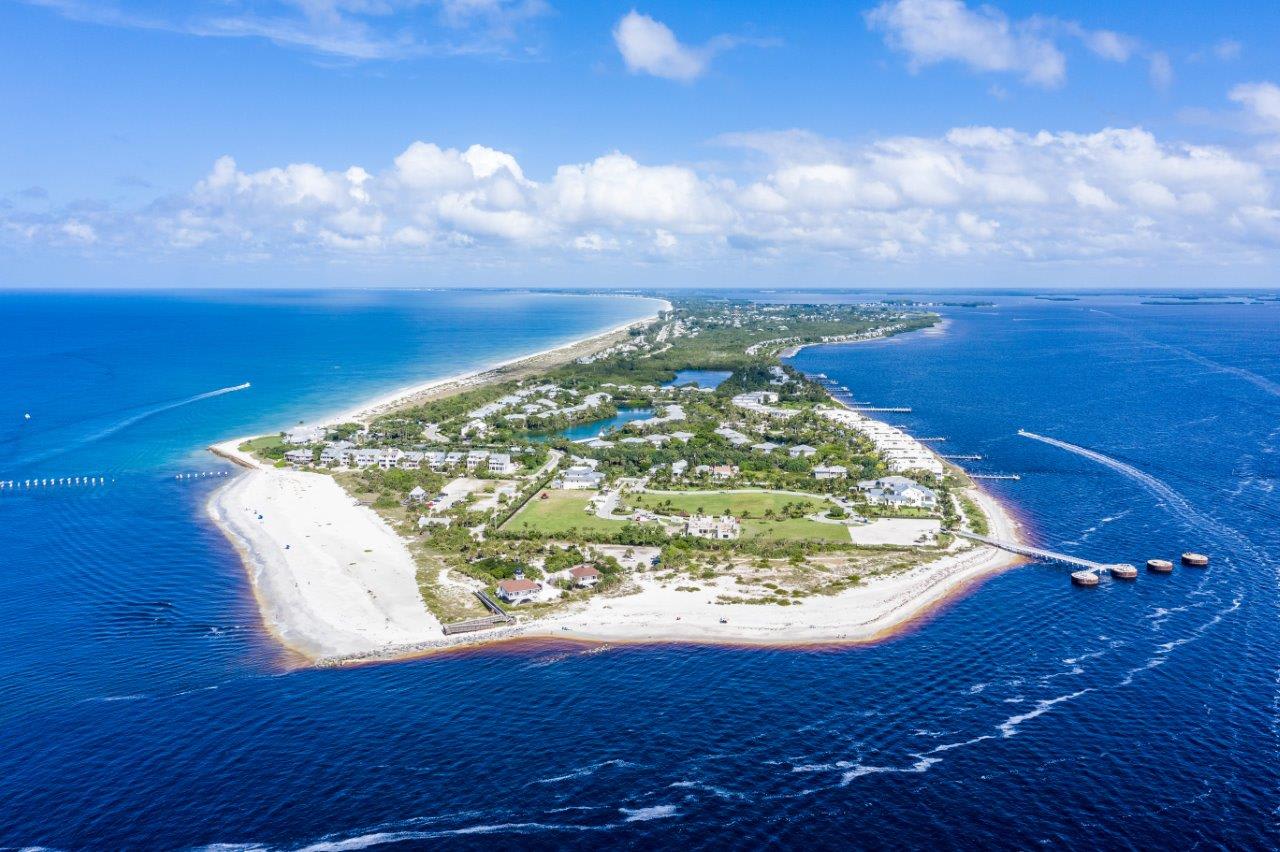
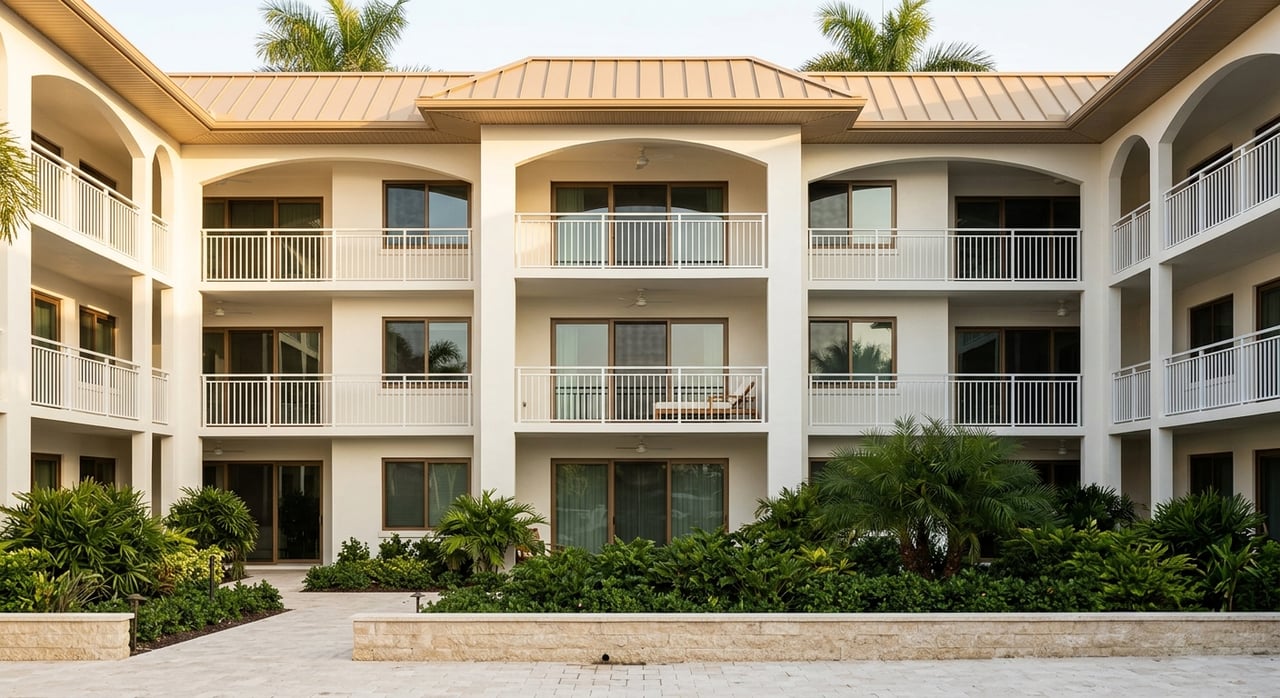
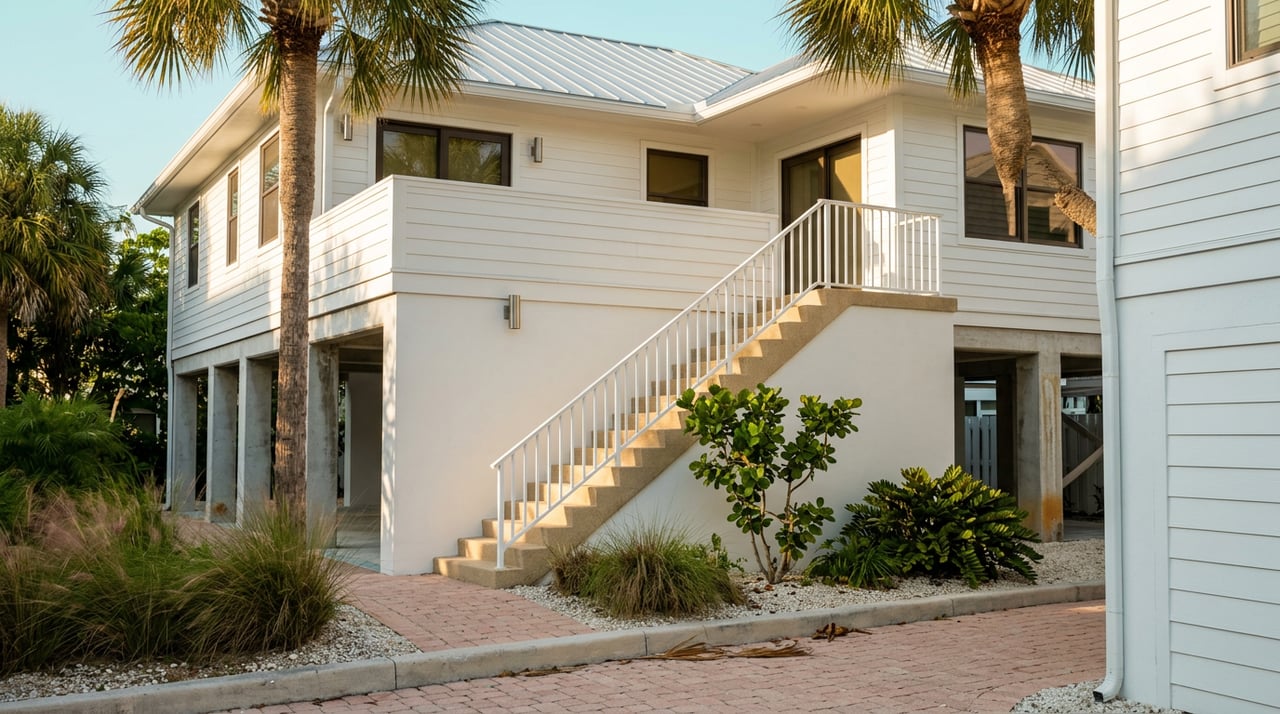
Boca Bay is one of Boca Grande's best-known PUD communities and a helpful example of how island PUD life actually works. Set along the harbor side of the island, Boca Bay blends single-family homes, cottages, and villas across a master-planned neighborhood with shared amenities that reflect the relaxed, water-oriented lifestyle the island is known for.
Owners in Boca Bay typically enjoy access to community pools, a private beach club on the Gulf side, tennis and pickleball courts, a fitness facility, and a harborfront pass club with dining. Boating amenities often include a community marina, day docks, and slip access, with seawalls and bulkheads maintained as part of the community's shared infrastructure. An Architectural Review Committee oversees exterior changes to preserve the community's coastal aesthetic, and rental, pet, and parking rules help maintain a quiet, residential feel.
Because Boca Bay includes multiple subdivisions and phases, the exact ownership structure, amenity access, and fee schedule can vary from one section to another. Before you purchase, verify the specifics in the current recorded Declaration, amendments, Bylaws, Rules, budget, reserve study, insurance certificates, and the estoppel or resale certificate issued by the HOA or management company. A villa near the marina may have very different obligations than a single-family home on the Gulf side.
HOA governance and rules
Documents you should read
Request and read these items early:
- Declaration of Covenants, Conditions and Restrictions and any amendments
- Articles of Incorporation and Bylaws
- Rules and Regulations and Architectural Review Committee guidelines
- Current budget, recent financial statements, and the latest reserve study
- Insurance certificates with coverage limits and deductibles
- Meeting minutes for the past 12 to 24 months
- Estoppel or resale certificate showing dues, special assessments, and any violations
Architectural review and exterior changes
Most island PUDs have an Architectural Review Committee that oversees exterior updates. If you plan to remodel, add a dock, or change landscaping, you will need to follow the ARC process and timeline. Ask about application steps and average approval times so your project schedule is realistic.
Rules that matter to second‑home owners
If you plan to rent your home, confirm rental limits and registration requirements. Many island communities limit short stays or cap the number of leases per year. Review pet policies, guest rules, and the handling of boat trailers or extra vehicles. If marina access is part of your lifestyle, ask how slips are assigned, whether they transfer at sale, and if there is a waitlist.
Money matters in island PUDs
What dues usually cover
Regular HOA dues fund maintenance for common areas and amenities, administration, insurance, landscaping, and reserves for capital repairs. Coastal communities often budget for seawall work, dock repairs, and storm preparation. Confirm what services are included and which are billed separately.
Special assessments and storm risk
Special assessments can occur when reserves fall short or after storms. On a barrier island, event risk is higher. Review the history of special assessments over the past 5 to 10 years. Ask about upcoming capital projects and whether reserves meet the targets in the reserve study.
Insurance on the coast
Associations typically insure common structures and carry general liability. As an owner, you will need your own policy for your home, plus separate windstorm or flood coverage if required. Your flood zone and elevation influence cost and eligibility. Use the FEMA Flood Map Service Center to confirm flood zone status and determine if an elevation certificate exists. Ask the HOA for details on insurance limits, wind or hurricane deductibles, and whether docks or private slips are covered or are an owner responsibility.
Financing and title considerations
Lenders review association finances, insurance, litigation, and rental percentages for PUDs and condos. A weak balance sheet or active litigation can slow or stop financing. On the title side, confirm who owns and maintains roads, seawalls, and marina easements.
For record research and closing prep, you can search parcels through the Lee County Property Appraiser and review recorded declarations and plats via the Lee County Clerk of Court. If you plan structural work or dock changes, consult the Lee County Department of Community Development for zoning and the Lee County Building permits page to understand permit steps.
Resale factors on Boca Grande
What helps resale
Shared standards and maintenance‑included features appeal to second‑home owners and retirees. Marina access or a private beach easement is often a premium. Well‑funded reserves and clear rules can boost confidence for buyers and lenders alike.
What can hurt value
High dues, frequent or large special assessments, or an uncertain reserve plan can narrow the buyer pool. Restrictive rental policies reduce investor interest. Pending lawsuits or high owner delinquencies may affect buyer confidence and title review.
Typical buyer profile
Most PUD buyers here are second‑home owners, retirees, and boating enthusiasts who want a comfortable, low‑maintenance base near the water. Investor interest depends on rental rules and operating costs.
Due diligence checklist for Boca Grande PUD buyers
Use this checklist to gather facts before you go under contract.
Documents to request
- Recorded Declaration, amendments, and the community plat
- Articles, Bylaws, Rules, and ARC guidelines
- Current budget, recent financials, and the latest reserve study
- Insurance certificates with limits and deductibles
- Board and annual meeting minutes for the last 12 to 24 months
- Estoppel or resale certificate showing dues, special assessments, violations, and delinquencies
- Litigation disclosure and attorney summary if any cases are active
- Marina and slip agreements, including assignment and transfer rules
- Easements and maintenance agreements for roads, seawalls, and bulkheads
- Written history of special assessments over 5 to 10 years
Physical and location checks
- Flood zone and any available elevation certificate via FEMA resources
- Condition and age of seawalls, docks, and bulkheads, plus any planned capital work
- Utility details, including lift stations and who maintains them
- Access and storm evacuation routes suitable for your family plan
Questions to ask the HOA or manager
- What do regular dues include, and what is billed separately?
- Are special assessments pending or expected? What projects are planned?
- How do current reserves compare to the reserve study targets?
- What are the rental rules and occupancy limits for owners and guests?
- How are slips assigned, transferred, and maintained? Are there waitlists?
- Any insurance claims in the past 5 years and what were the deductibles?
- What is the ARC approval process and timeline for typical projects?
Red flags
- Low reserves plus a history of special assessments
- Ongoing or expensive litigation against the association
- High owner delinquency rates
- Unclear responsibility for docks, seawalls, or access roads
- Covenants that limit your intended use, such as a no‑rental policy when you plan to rent
How we help
Buying on a barrier island is about fit, not just features. You want the right mix of privacy, amenities, and long‑term stewardship of your investment. Our team pairs decades of Boca Grande experience with careful document review, local vendor introductions, and calm, concierge‑level guidance from offer to after closing. If you are considering Boca Bay or another PUD on the island, let us help you align your lifestyle goals with a community’s rules, finances, and maintenance plan.
Have questions or want to walk through a real set of HOA documents together? Book a Private Consultation with Jeff Moore for confidential, one‑on‑one guidance.
FAQs
What does PUD ownership mean compared to a condo?
In a PUD, you own your lot and the home on it in fee simple, plus a shared interest in common areas like roads, pools, and amenities.
In a condo, you own only the interior of your unit and share ownership of the building structure with other owners.
Most Florida PUDs are governed by Chapter 720, while condos fall under Chapter 718. This affects your rights, assessments, and lender requirements.
What should I verify before buying in Boca Bay or a similar PUD?
Request and review these documents before going under contract:
- Declaration, amendments, Bylaws, and Rules
- Current budget and recent financial statements
- Latest reserve study
- Insurance certificates with limits and deductibles
- Board meeting minutes for the past 12 to 24 months
- Up-to-date estoppel confirming dues, special assessments, and violations
How do island amenities like marinas affect costs?
Marinas, docks, dredging, and seawalls require ongoing maintenance and specialized insurance.
These costs are funded by regular dues, reserves, or special assessments. Always review the reserve plan and the community's history of recent capital projects to understand the financial picture.
How do flood zones impact a Boca Grande PUD purchase?
Most Boca Grande properties sit in FEMA-designated flood zones, which usually means separate flood insurance is required and premiums are higher than inland homes.
Confirm your property's zone using the FEMA Flood Map Service Center, and ask the HOA whether an elevation certificate is on file. Elevation can significantly reduce your premium.
Can I rent my Boca Grande PUD home seasonally?
Many island PUDs restrict short-term rentals or cap the number of leases per year.
Read the rental rules carefully and confirm any registration or approval process with the HOA before counting on rental income.
What do lenders look for when financing a PUD home?
Lenders review:
- HOA financial strength and reserve funding
- Insurance coverage and deductibles
- Active litigation against the association
- Owner delinquency rates and rental ratios
Weakness in any of these areas can affect loan approval, terms, or closing timelines.