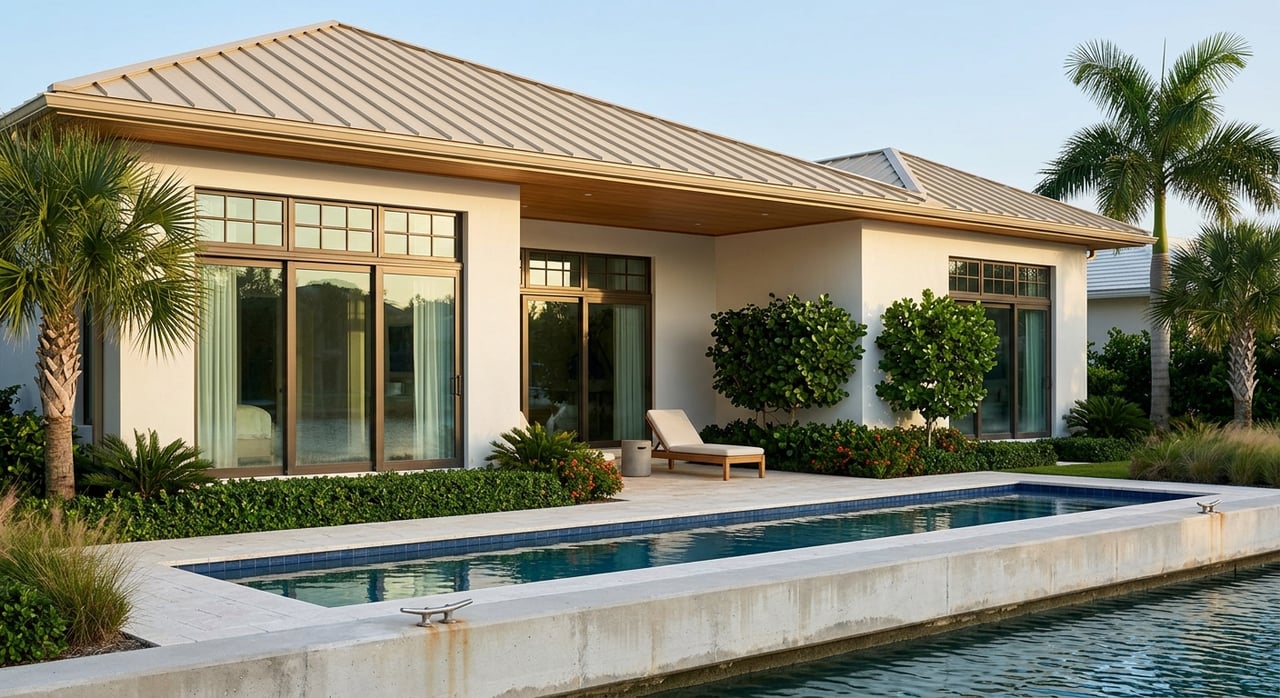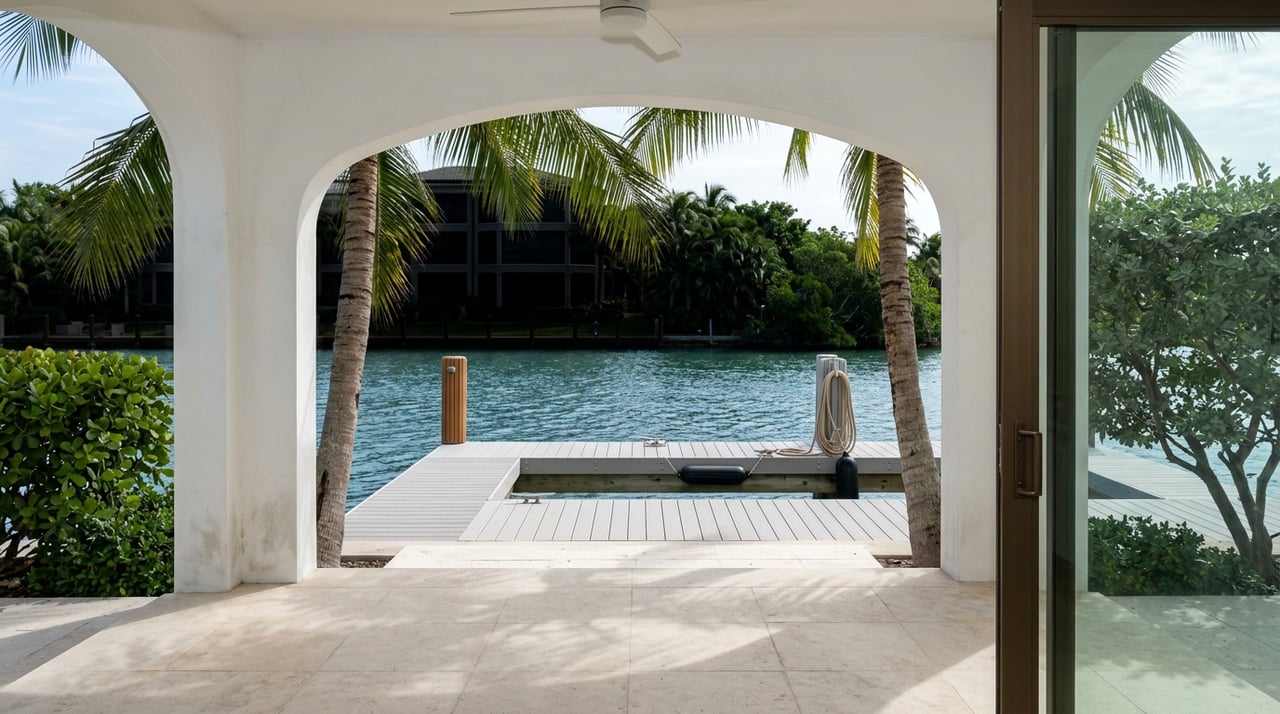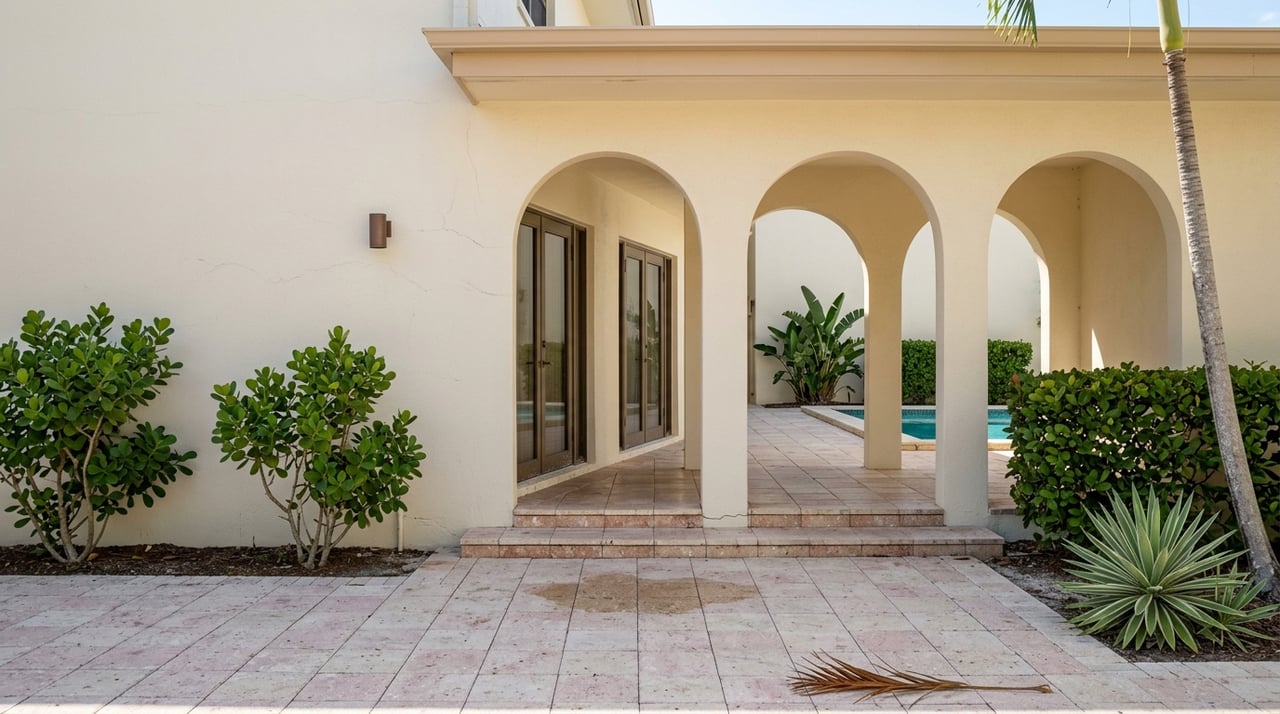
Thinking about updating or rebuilding a beachfront home on Boca Grande Shores? If your property sits near the dunes or Gulf, the Coastal Construction Control Line, or CCCL, will likely shape what you can do and how you do it. It can feel technical at first, but a clear plan will save you time, stress, and added cost.
In this guide, you’ll learn what the CCCL is, how it affects renovations and rebuilds on Boca Grande Shores, what steps to take before you design or demo, and what outcomes to expect. You’ll also see real-world scenarios that mirror common projects on the island. Let’s dive in.
CCCL basics
What the CCCL is
The Coastal Construction Control Line is a state program that protects Florida’s beaches and dune systems. The program is administered by the Florida Department of Environmental Protection. Land located seaward of the CCCL is subject to additional review for construction, repair, and shoreline work to reduce storm risk and preserve natural beach processes.
The goals are straightforward:
- Reduce risk to people and structures from coastal storms and erosion.
- Limit activities that would disrupt natural beach dynamics.
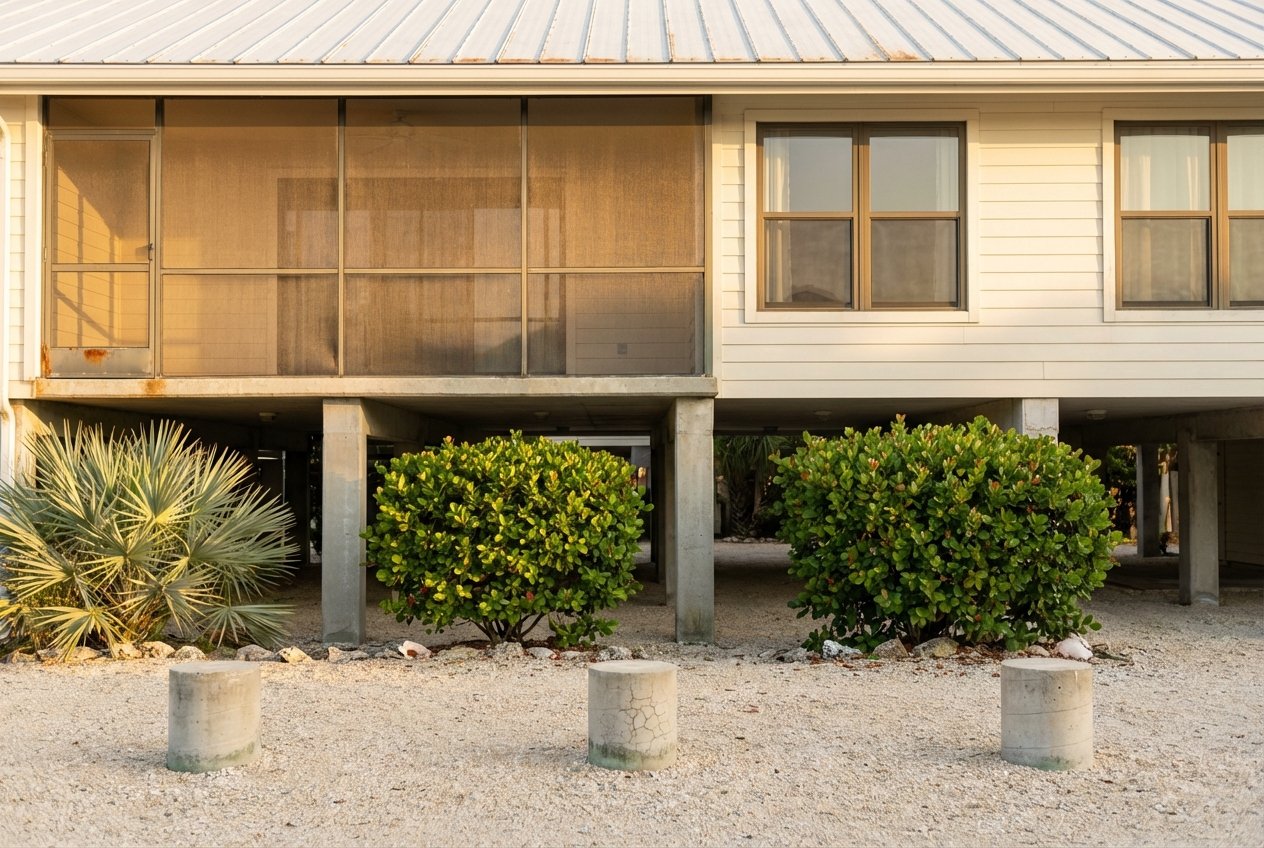
- Ensure any new construction or major alterations include protective measures such as elevation and resilient foundations.
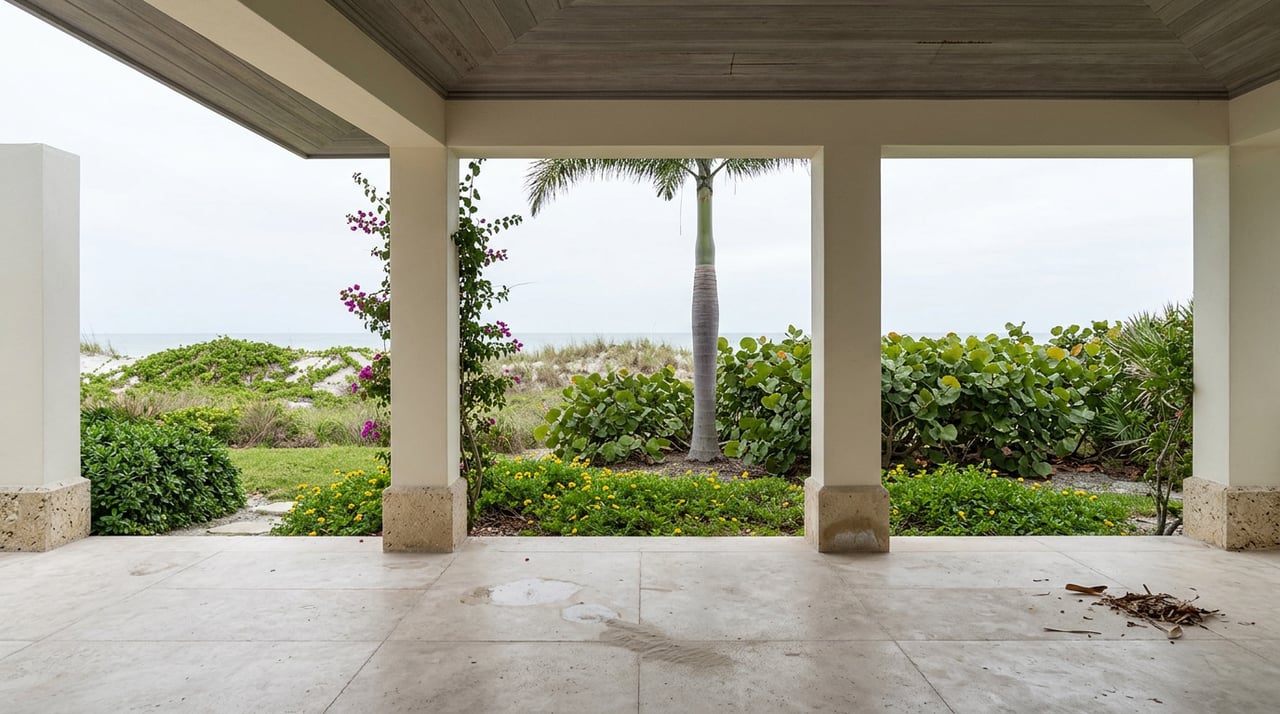
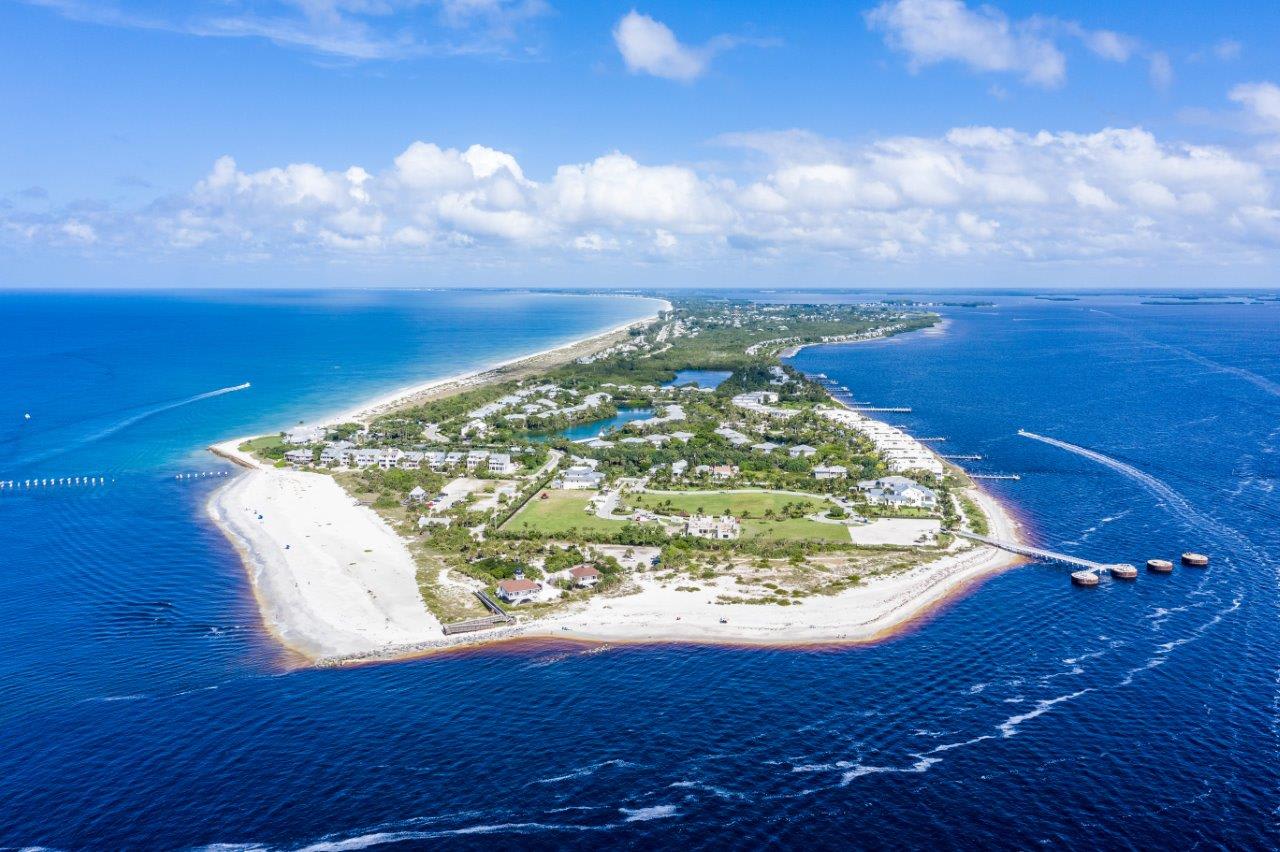
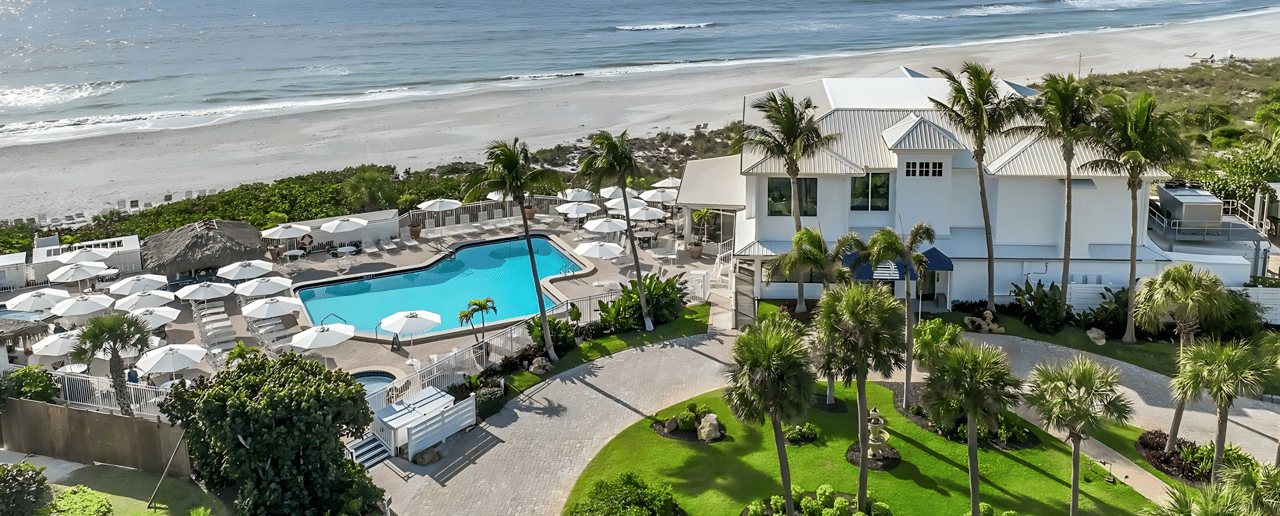
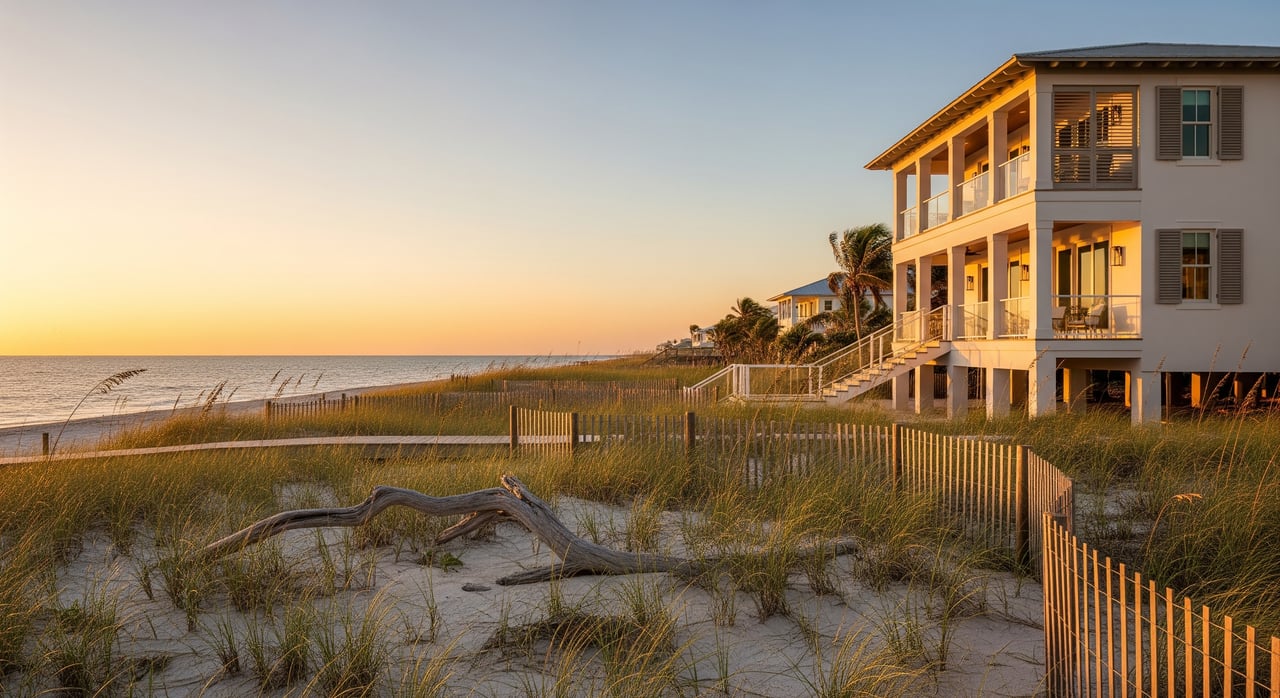
On a barrier island like Gasparilla Island, this matters. Boca Grande Shores fronts the Gulf and dunes, so many parcels or portions of parcels can fall seaward of the line. That status affects permitting and design choices.
How CCCL differs from other lines
The CCCL is a state coastal protection program. It is different from other requirements you might hear about.
- Local coastal setbacks. Counties can adopt their own Coastal Setback Line or similar rules that add local setback requirements.
- FEMA flood zones. FEMA maps flood risk, sets Base Flood Elevations, and influences building elevation and insurance.
- Federal programs. Other federal initiatives or beach projects may also influence what is allowed and what funding is available.
In practice, a Boca Grande Shores property can be affected by more than one layer at once. You may need to comply with the CCCL, local county codes, FEMA’s floodplain rules, and the Florida Building Code. Plan for multiple reviews and coordinate early.
How the CCCL affects projects
Work that triggers CCCL review
If your home or planned work lies seaward of the CCCL, expect state-level review for:
- New construction and most additions.
- Structural alterations and many repairs.
- Demolition or relocation of structures.
- Shoreline work such as stabilization or dune projects.
- Certain access, utility, or site improvements.
Even when a task seems simple, placement seaward of the line can change the process. Confirm your status before you start design.
Minor vs. substantial work
Routine maintenance that does not change structural systems or increase habitable space is often the easiest path. Examples include repainting or replacing like-for-like materials. The boundary between minor and substantial work can be technical, so do not rely on assumptions.
You will also hear “substantial improvement” and “substantial damage.” These concepts are common in coastal and floodplain rules. FEMA often uses a 50 percent threshold of structure value in floodplain management to define substantial improvement or damage. Whether a similar percentage or a different standard is applied within CCCL review or by your county should be confirmed directly with regulators. When a project reaches that level, you may need to meet current elevation, foundation, and coastal construction standards.
Typical permit outcomes
If your project is seaward of the CCCL, you will likely need a state permit in addition to county building permits. Common conditions can include:
- Elevating to current codes and meeting flood resistance standards.
- Stronger foundation and structural systems.
- Limits on enlarging the footprint or requirements to relocate structures landward if feasible.
Hard shoreline armoring, such as seawalls, is closely regulated and often discouraged seaward of the line. Approvals are uncommon and usually require a clear necessity and mitigation.
Building code, flood, and insurance
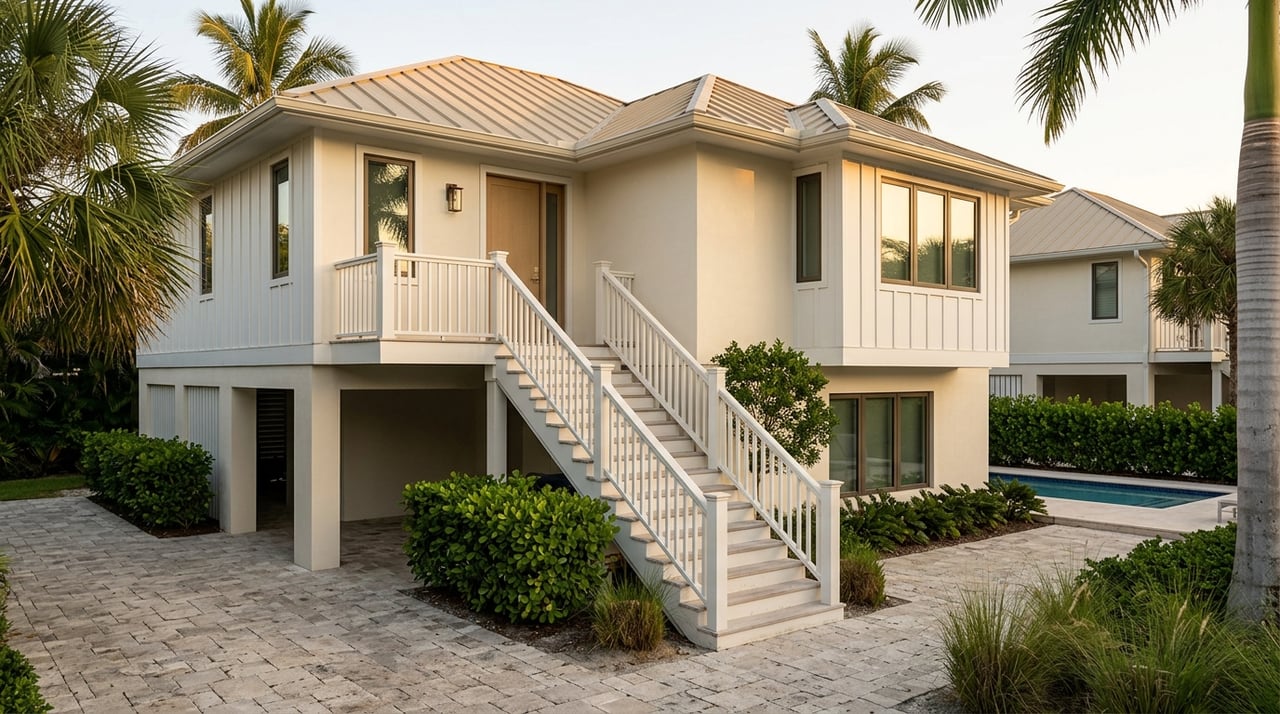
Homes seaward of the CCCL are often in FEMA V-zones or coastal A-zones. The Florida Building Code has specific coastal construction provisions for wind, flood, and uplift forces. These standards improve safety but can raise costs for foundations, materials, and elevation.
Insurers and lenders pay close attention to these factors. Elevation and structural choices made today can affect future premiums, financing, and long-term resilience.
Steps for Boca Grande Shores owners
Confirm if you are seaward
Start with location. Determine whether your home or planned work is seaward of the CCCL.
- Review the Florida Department of Environmental Protection’s CCCL maps or interactive map tools.
- Request an official CCCL determination from the state for your parcel if your status is unclear.
- Commission a recent, certified boundary survey that shows your structures in relation to the CCCL and the dune system.
- Confirm which county has jurisdiction for your address. Boca Grande is on Gasparilla Island, and you should verify whether your property falls under Charlotte County or another county for permitting.
Meet early with regulators and pros
Early conversations save months later.
- Contact the FDEP’s regional CCCL staff for pre-application guidance.
- Speak with the county building department about local setbacks, elevation requirements, and shoreline rules.
- Engage a coastal engineer or consultant who knows barrier-island permitting in southwest Florida.
- Line up a licensed surveyor for precise site measurements and elevation data.
These steps help you focus your design on what is most likely to be approved.
Budget and timeline planning
Plan for additional time. CCCL reviews can add weeks to months beyond county building permit timelines. Shoreline stabilization or complex sites can extend the process further.
Budget for coastal requirements. Elevated floors, deep foundations, and mitigation such as dune restoration add cost. Build a cushion so your project remains viable if regulators require changes.
Consider permit-friendly options
Not every upgrade needs a full rebuild. Strategies more likely to be approved include:
- Targeted repair and maintenance that do not increase structural value or footprint.
- Relocating structures landward on the lot if space allows, subject to setbacks and utilities.
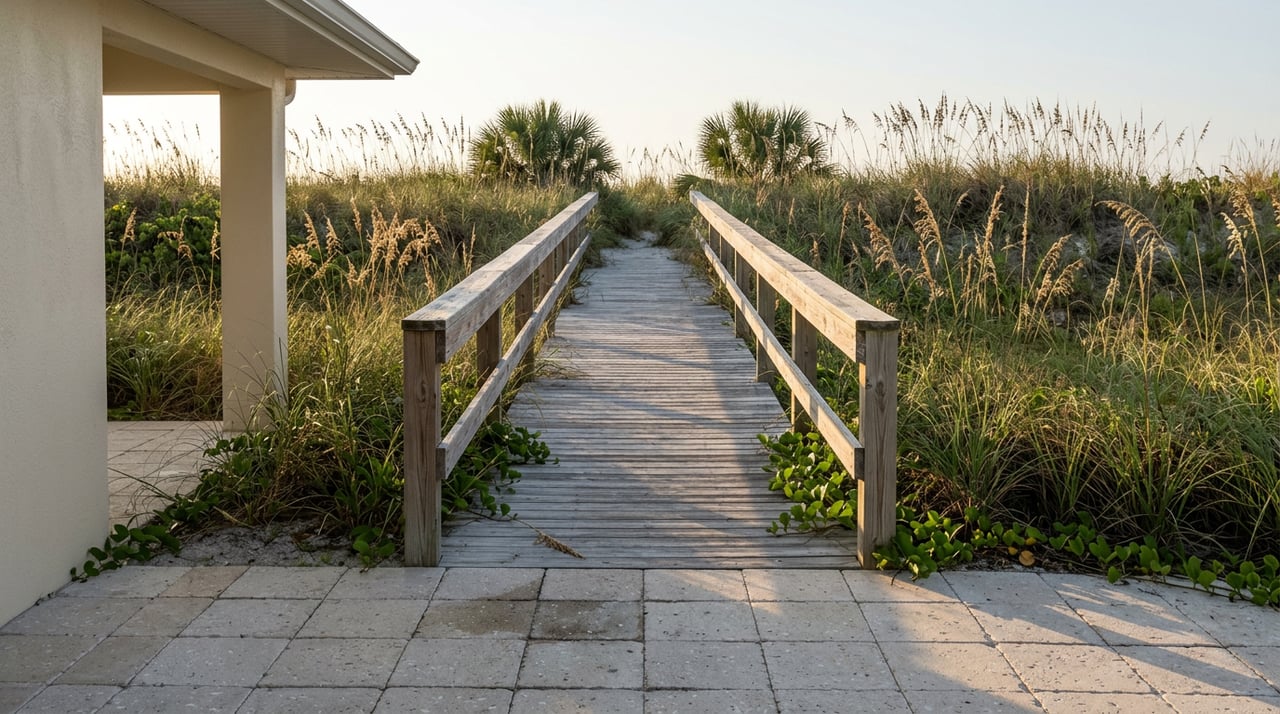
- Soft stabilization like dune restoration, native plantings, and sand fencing instead of hard armoring.
Each site is unique. A concept sketch reviewed with regulators early can clarify your best path.
Documents to prepare
Having a clean package speeds review:
- Certified survey with CCCL location and existing structures.
- Site plan and preliminary architectural drawings.
- Structural and foundation concepts that reflect coastal loads.
- Elevation certificate if available.
- Cost and damage documentation for substantial improvement or damage determinations.
Real-world scenarios on Boca Grande Shores
Scenario A: Small exterior updates
You want to replace windows, roof shingles, or repaint. If the work does not change structural systems or increase enclosed area, it is often treated as maintenance. You should still confirm whether any portion of the work occurs seaward of the CCCL and check with the county. Keep records that show the scope and like-for-like nature of the improvements.
Scenario B: Add a second story or major addition
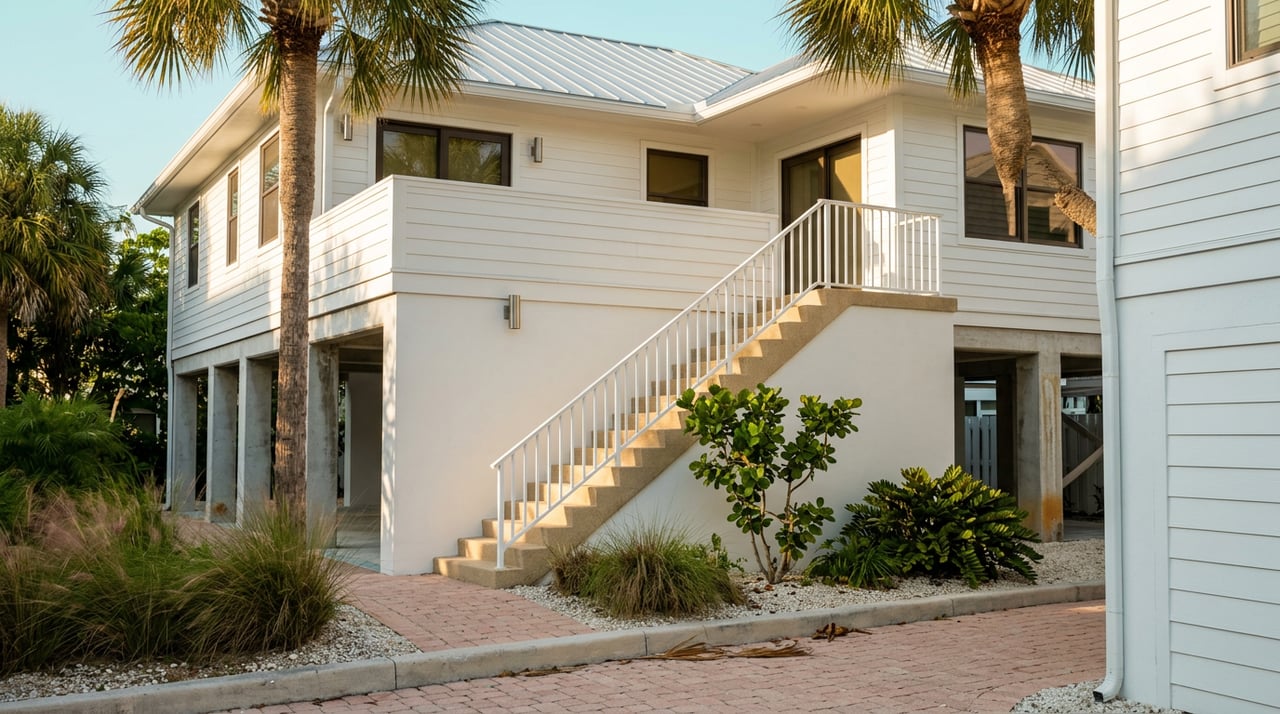
Your home is partially seaward of the CCCL and you want more living space. This typically triggers state review and may be treated as substantial improvement. Be prepared for elevation or structural upgrades as well as possible limits on expanding the footprint. These requirements can materially impact cost and timing, and they can influence insurance options.
Scenario C: Rebuild after storm damage
If a storm damages your home, the first step is documentation. Secure an elevation certificate, obtain professional damage estimates, and speak with your insurer. If damage meets or exceeds the relevant substantial damage threshold, your rebuild will generally need to comply with current CCCL and building code standards. Outcomes can include elevation, landward relocation on the lot, or other risk-reduction measures.
Scenario D: Install a seawall or hard armoring
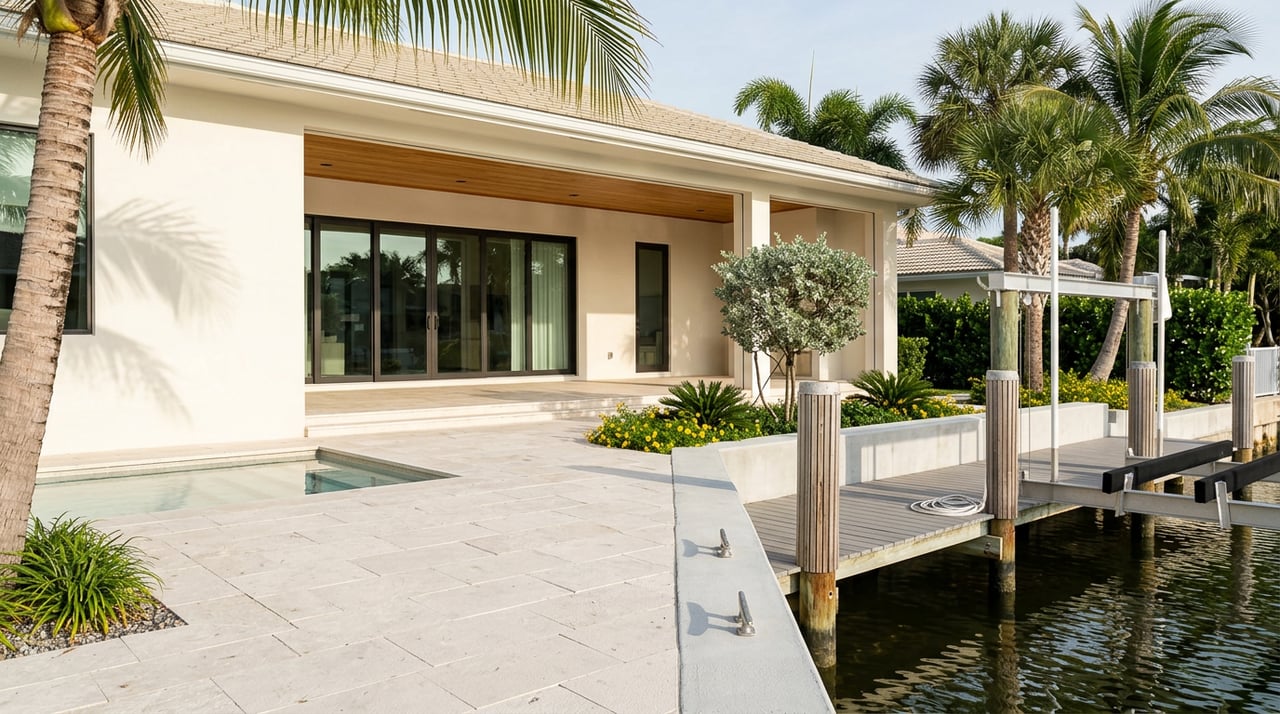
Seawalls and similar hard structures seaward of the CCCL are highly regulated and often not permitted because they interfere with natural beach processes. Approval is uncommon and typically requires a demonstrated necessity and mitigation. Soft alternatives like dune restoration, sand fencing, or managed nourishment are usually preferred and stand a better chance in review.
Strategy for buyers in Boca Grande Shores
If you are considering a purchase with renovation potential, take a careful due-diligence path.
- Verify CCCL status and order a certified survey early in your inspection period.
- Ask for elevation certificates and any prior permits or determinations related to the CCCL.
- Speak with a coastal engineer about feasibility and costs for elevation or relocation.
- Budget for longer timelines if your vision includes additions or structural changes near the dunes.
This preparation helps you set realistic expectations and negotiate accordingly.
Final thoughts and next steps
The CCCL is not a roadblock. It is a framework to build smarter on a dynamic shoreline. On Boca Grande Shores, where the Gulf, dunes, and architecture define the island’s character, the right plan can both protect your investment and honor the coast.
If you are weighing updates, a full rebuild, or a property purchase, start with location and early conversations. Confirm where you stand relative to the line, involve the right professionals, and align your design with what regulators are likely to approve. When you do that, you set a clear path from concept to permit to construction.
If you want discreet, local guidance on how the CCCL may affect a specific Boca Grande Shores property or planned project, connect with Jeff Moore for a private consultation. We can coordinate the right surveyors, engineers, and county contacts, and help you weigh design choices, timelines, and value impacts.
FAQs
How do I check if the CCCL applies to my Boca Grande Shores lot?
- Review the Florida Department of Environmental Protection’s CCCL maps and request an official determination if needed. Order a certified survey that shows the CCCL in relation to your structures for clear documentation.
Will replacing my roof trigger CCCL or local reviews on Boca Grande Shores?
- Like-for-like roof replacement is usually considered maintenance. Structural changes, increases in habitable area, or work that increases value can trigger additional review, so confirm with the county and the state before scheduling.
If storm damage exceeds 50 percent, do I have to elevate or move the house?
- Substantial damage thresholds commonly trigger compliance with current standards. FEMA often uses a 50 percent benchmark in floodplain rules, but you should confirm the exact criteria with the Florida Department of Environmental Protection and your county.
Can I build a seawall in front of my Boca Grande Shores property?
- Hard shoreline armoring is highly regulated seaward of the CCCL and is often not permitted due to impacts on the beach. Soft measures such as dune restoration and native plantings are generally preferred and more likely to be approved.
Does CCCL location affect value, financing, or insurance?
- Yes. Being seaward of the CCCL can raise reconstruction costs and may influence insurance premiums and lending due to higher exposure to storm and erosion risk. Factor these considerations into your purchase, renovation, or sale planning.