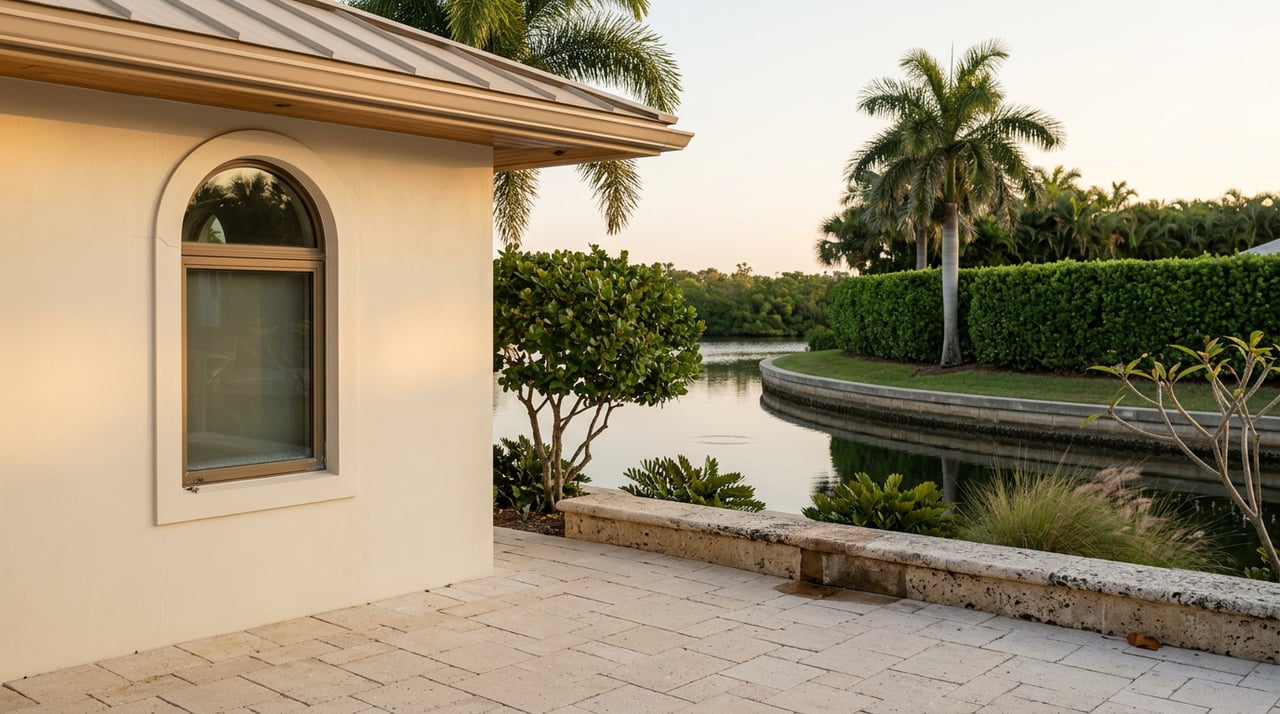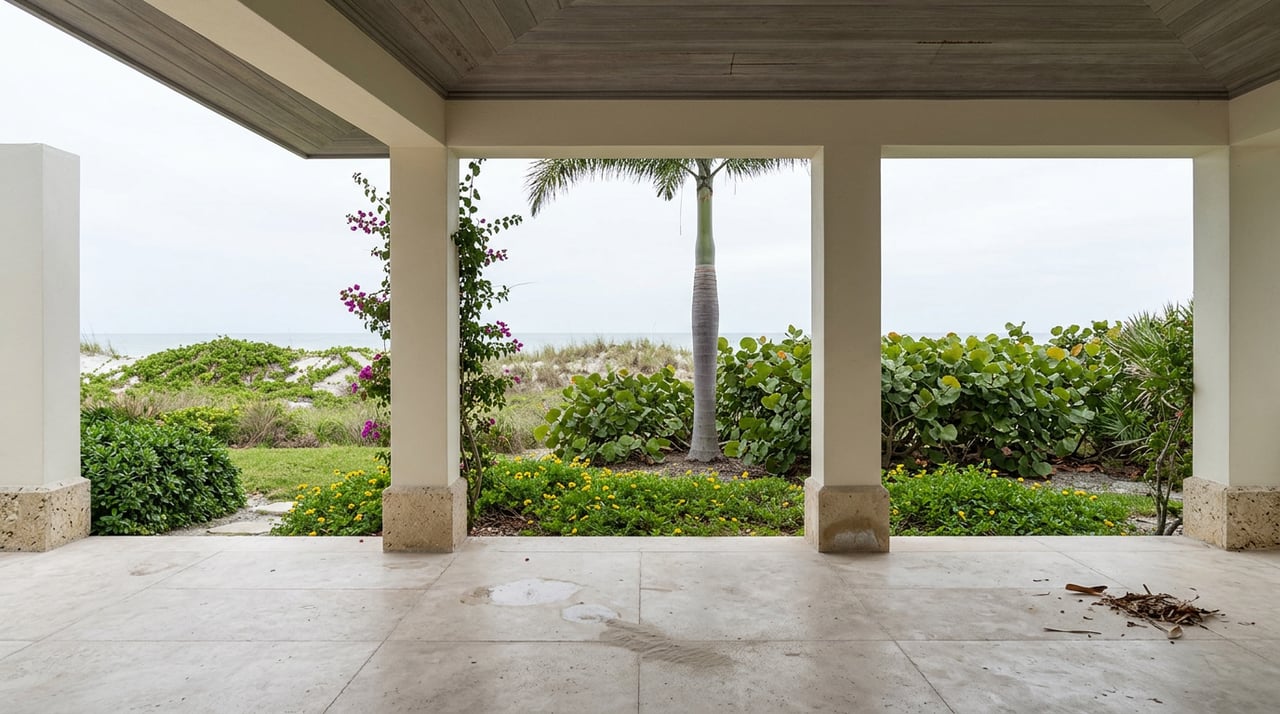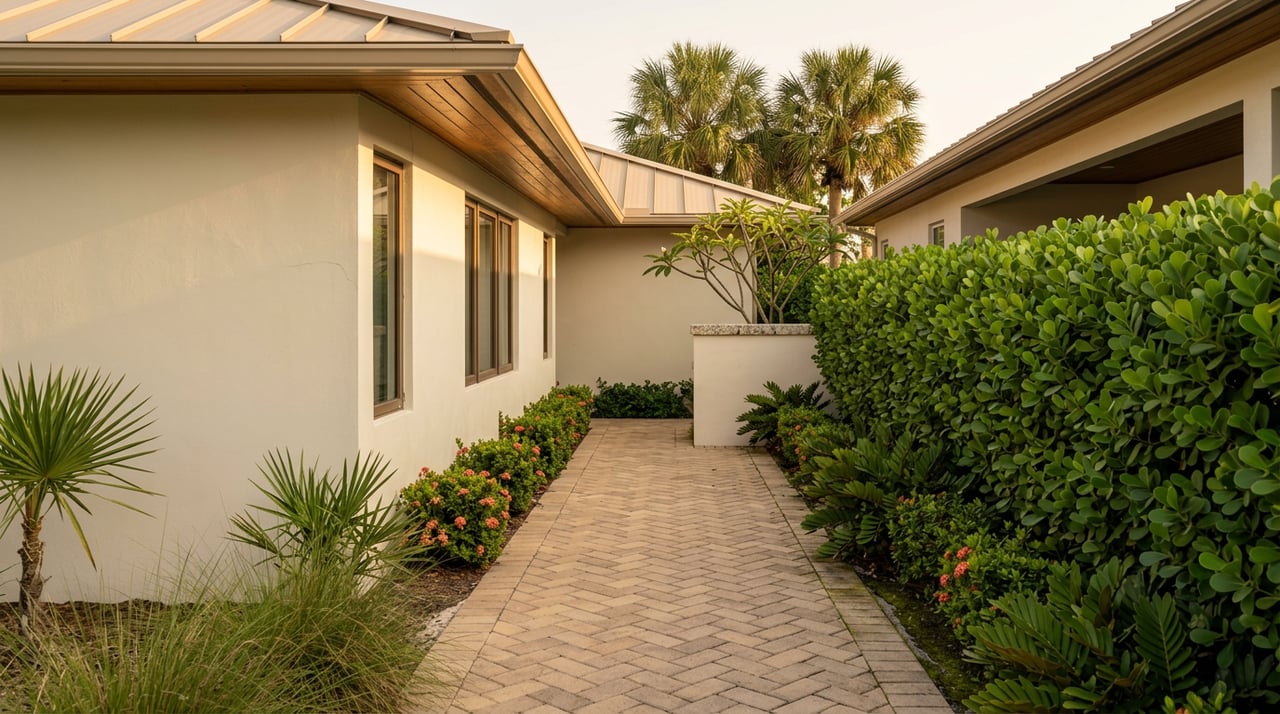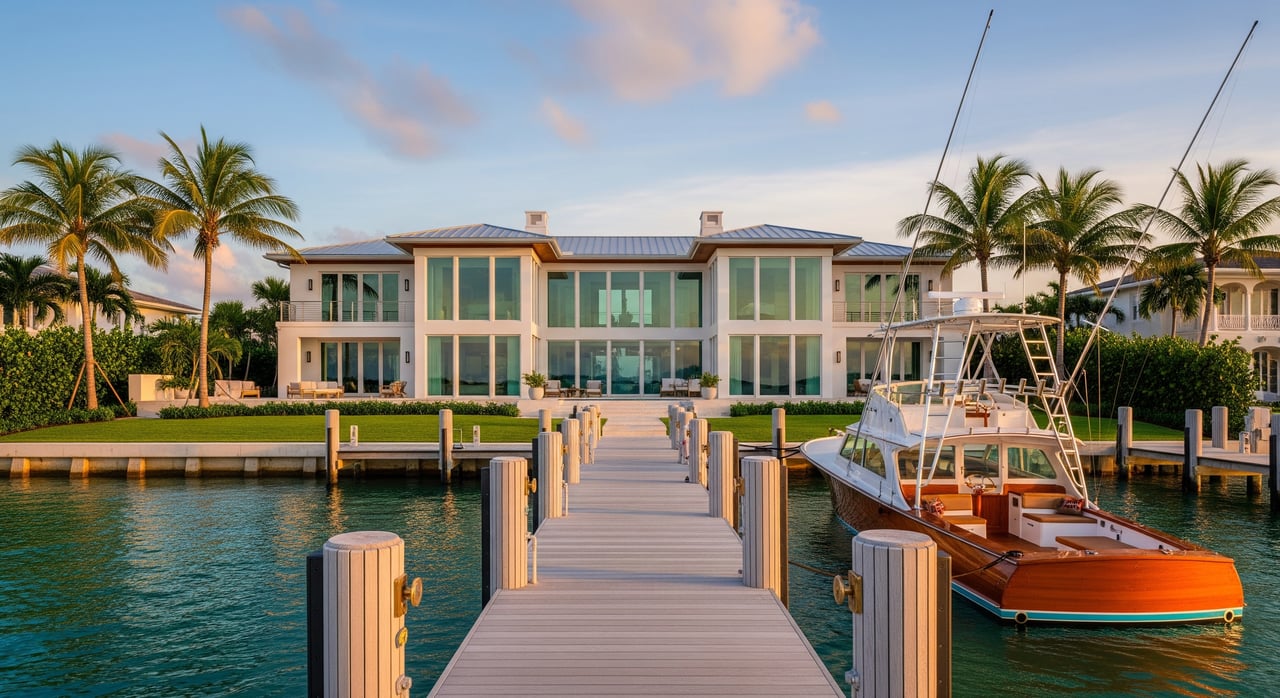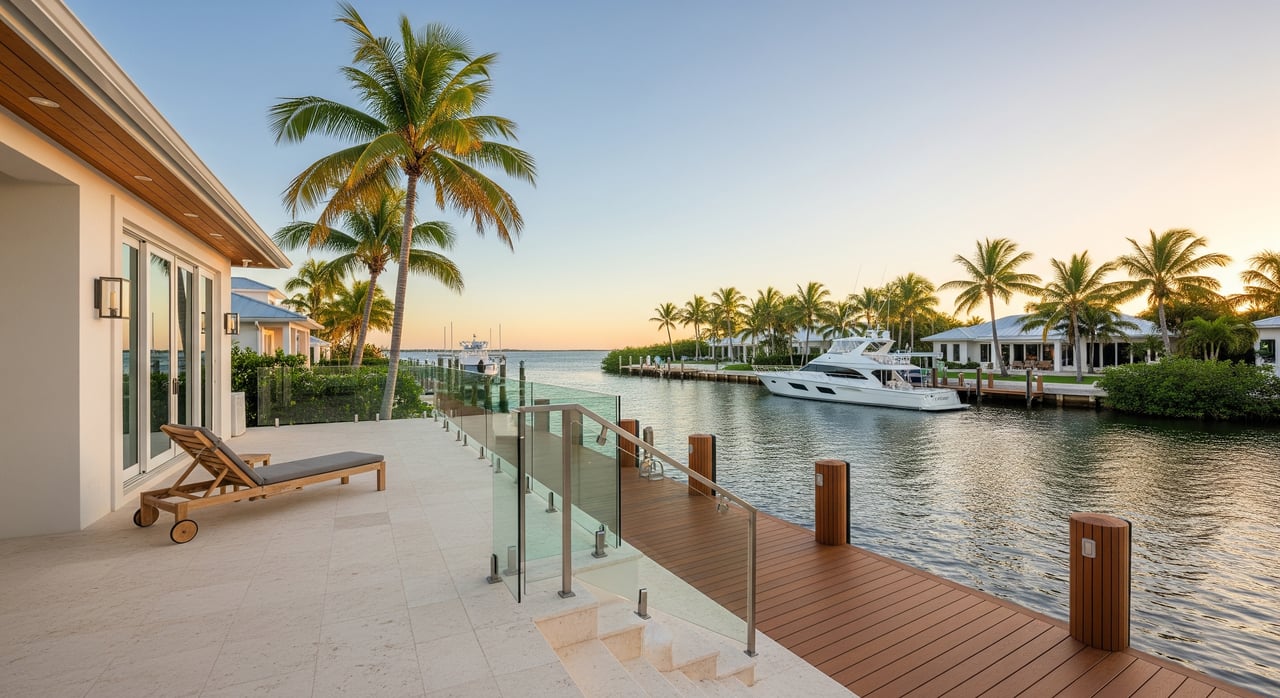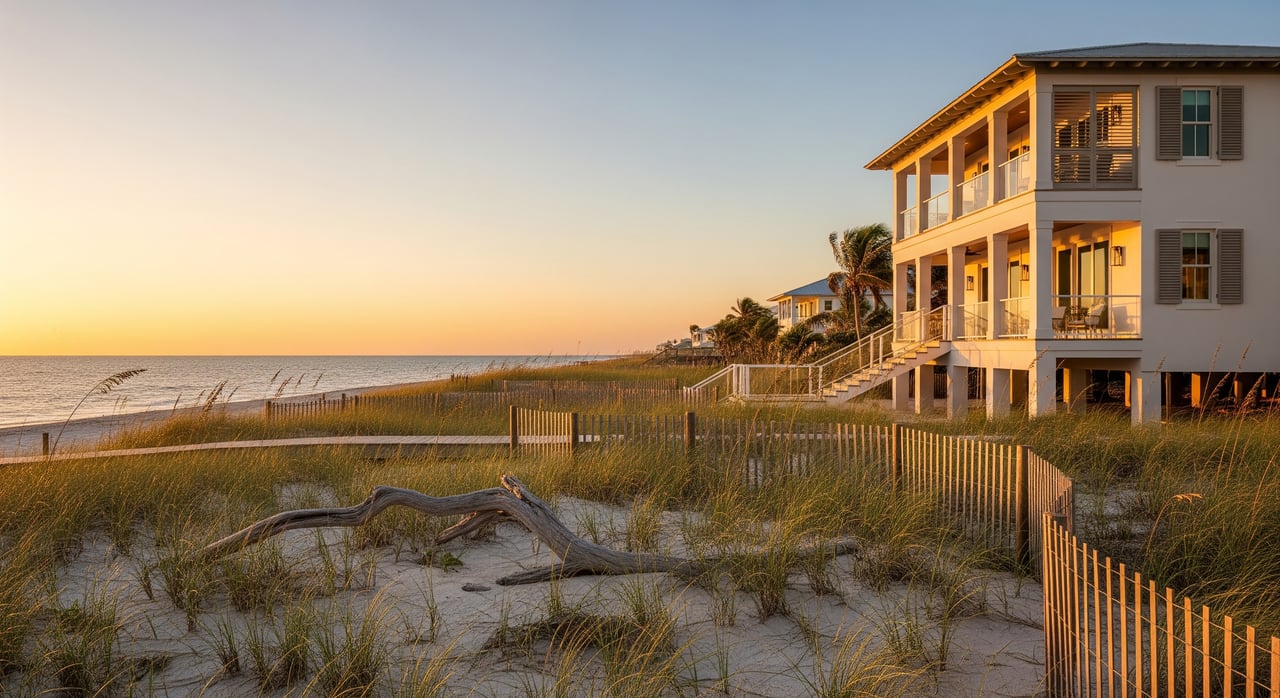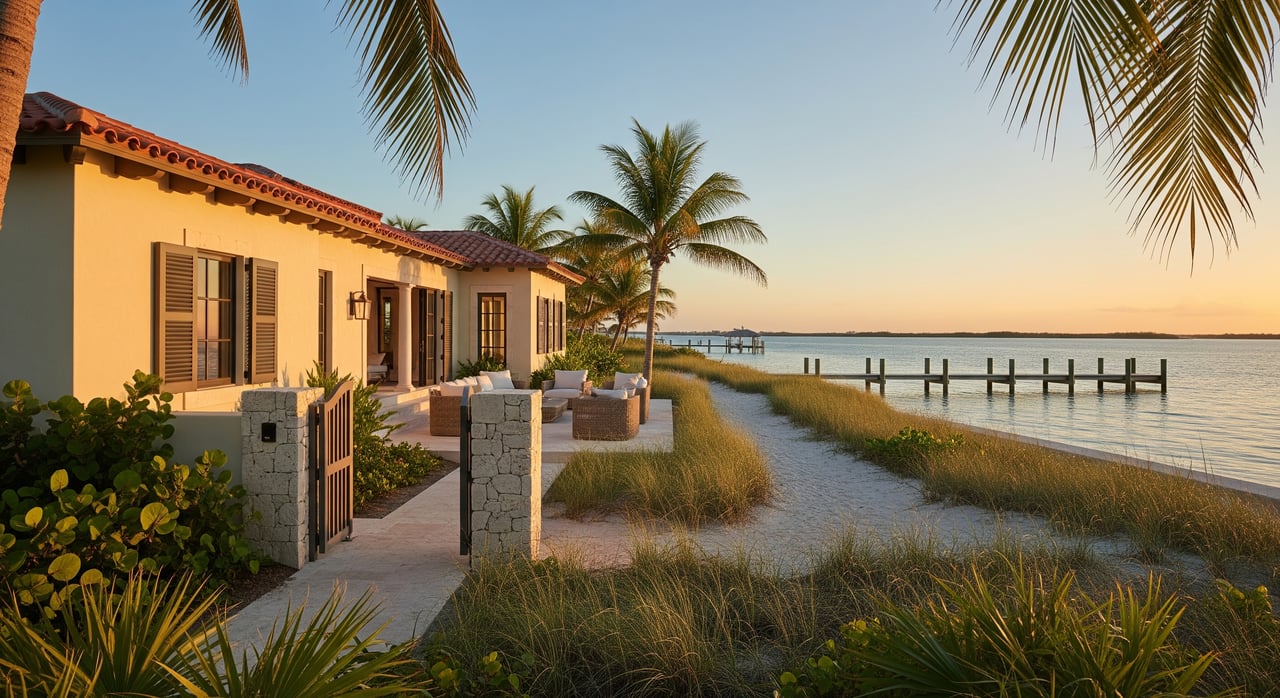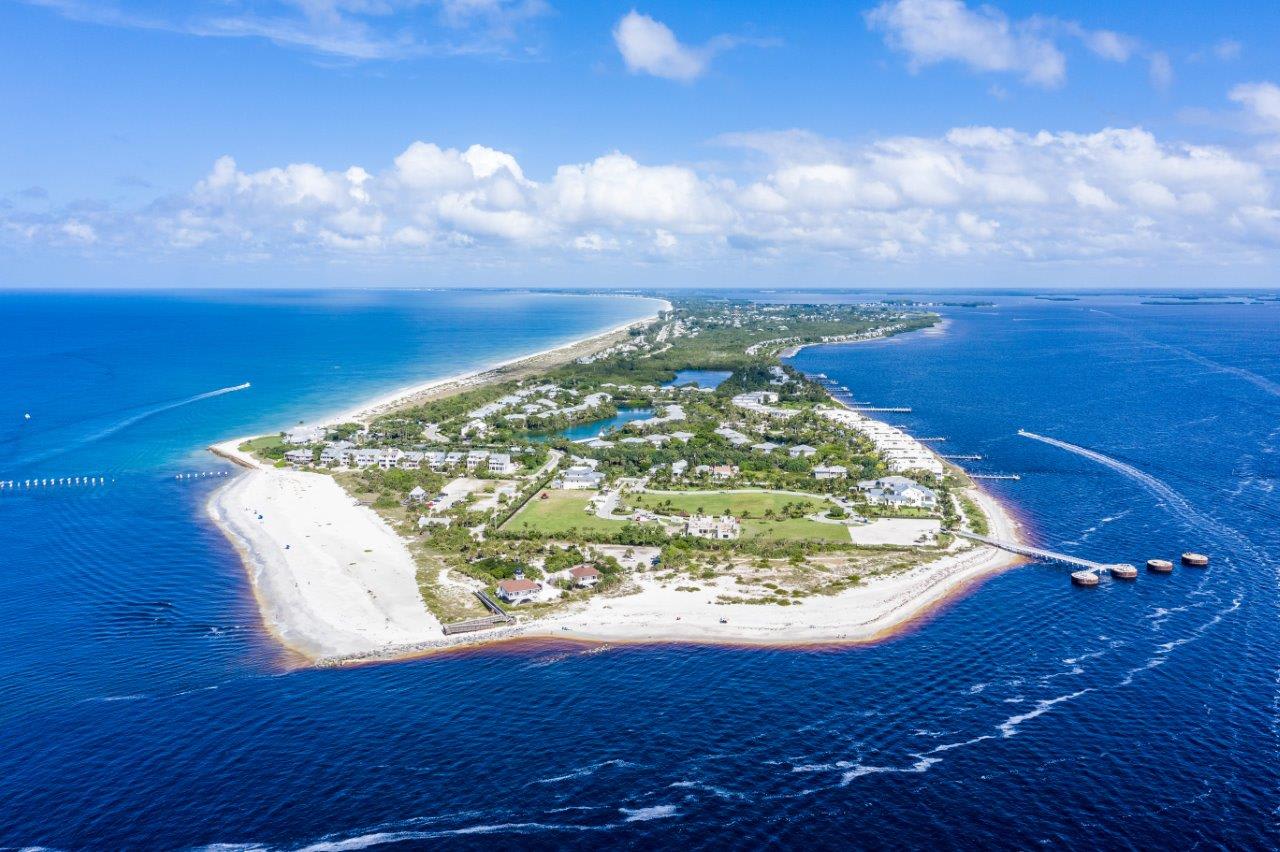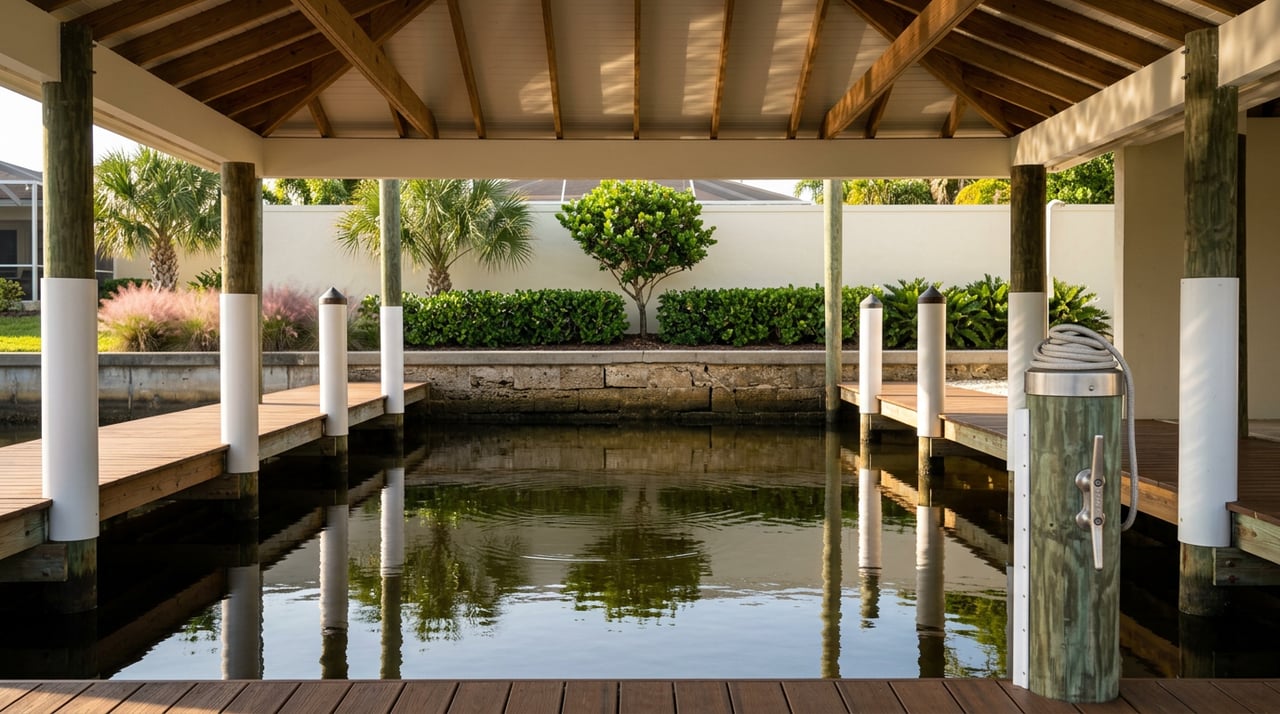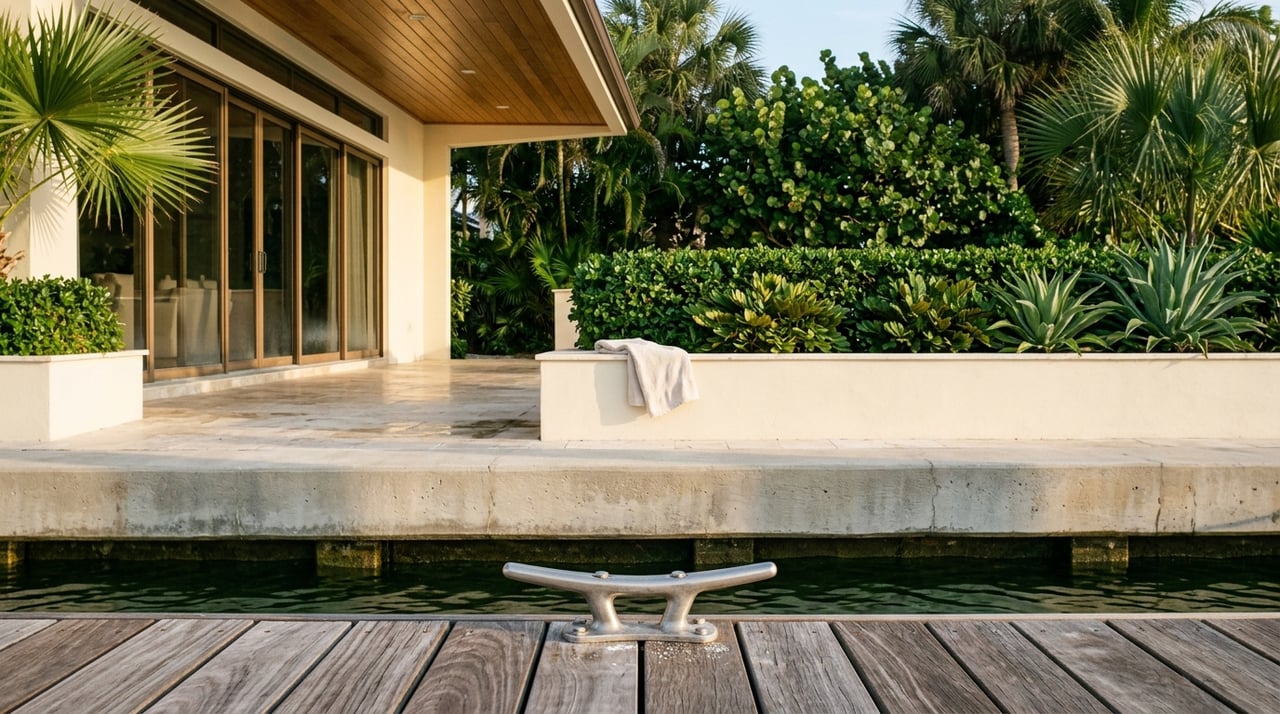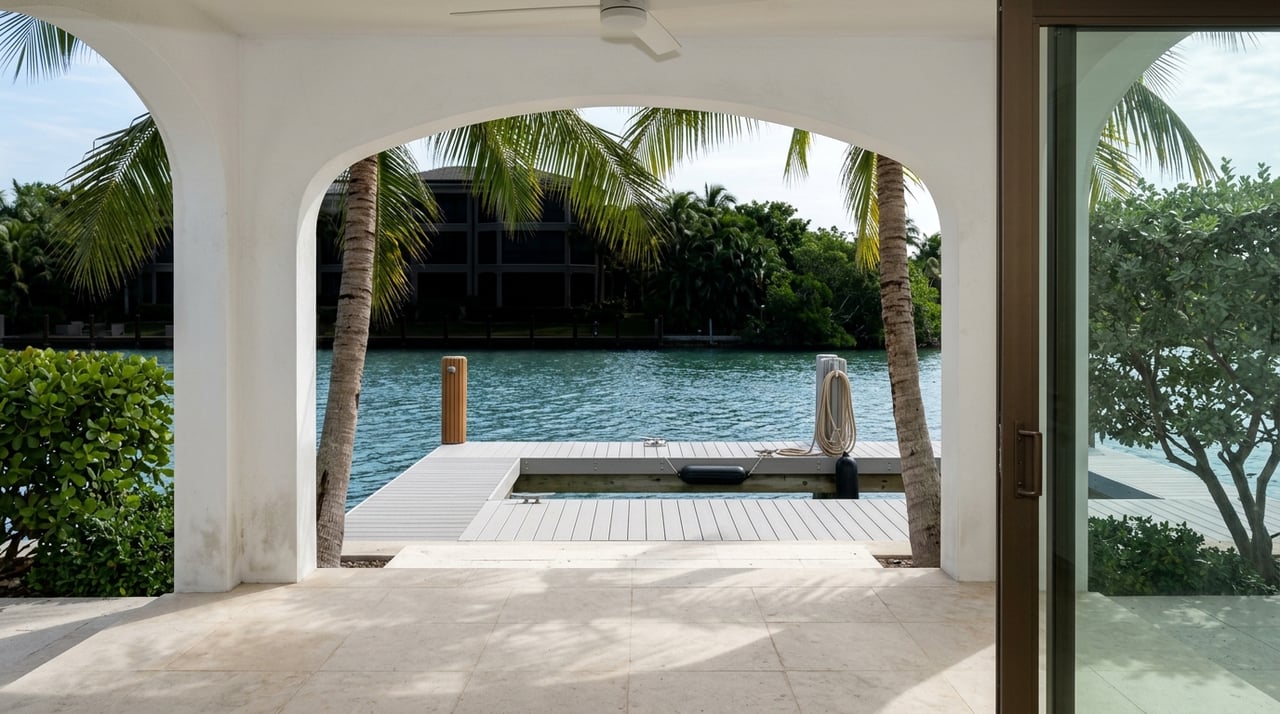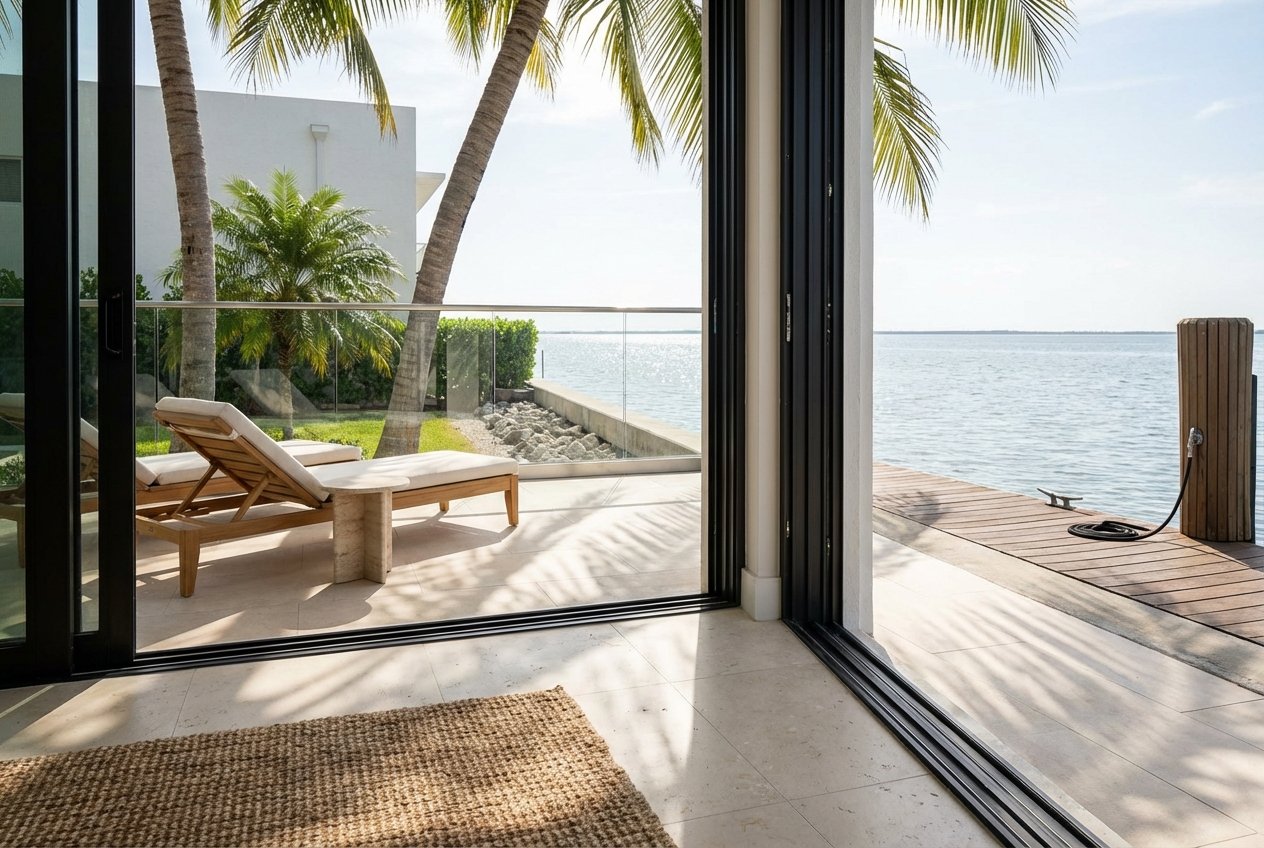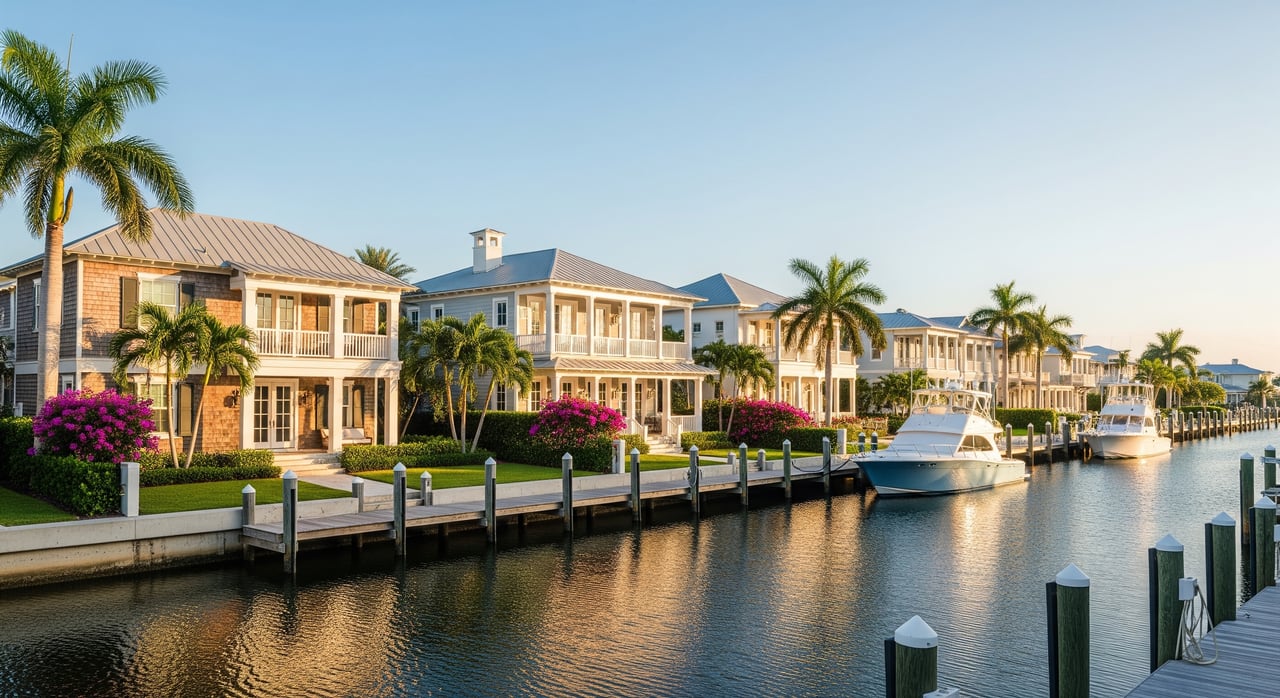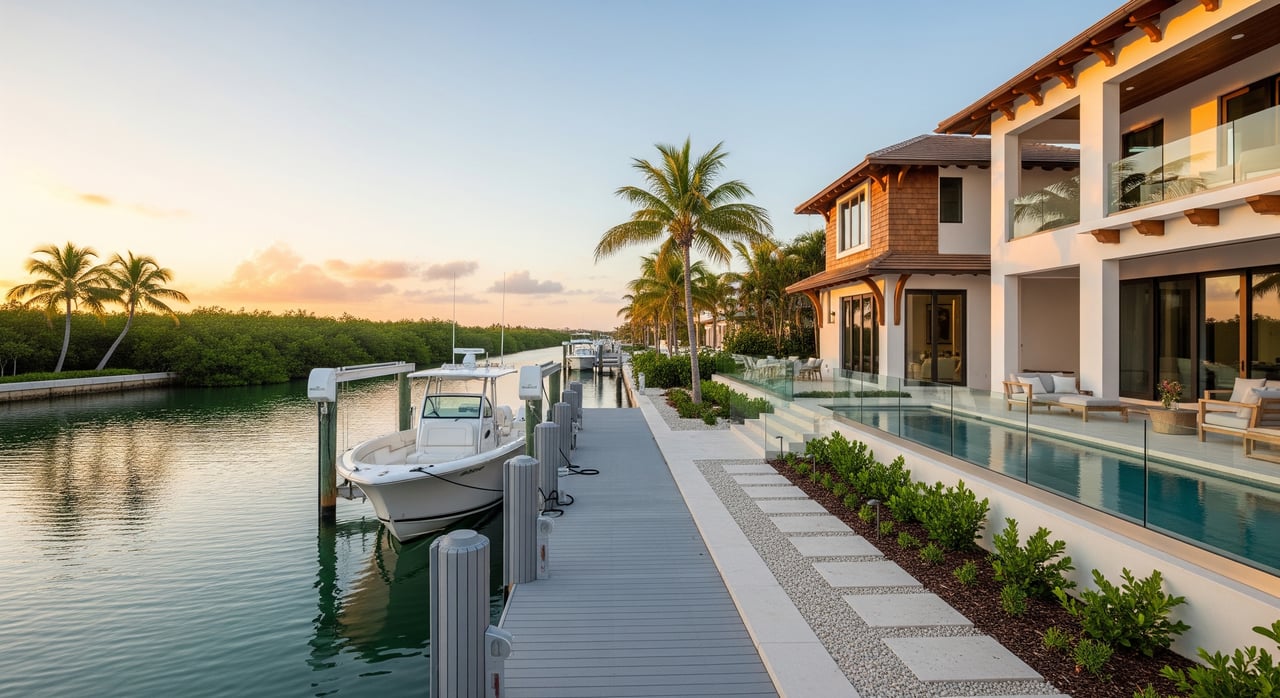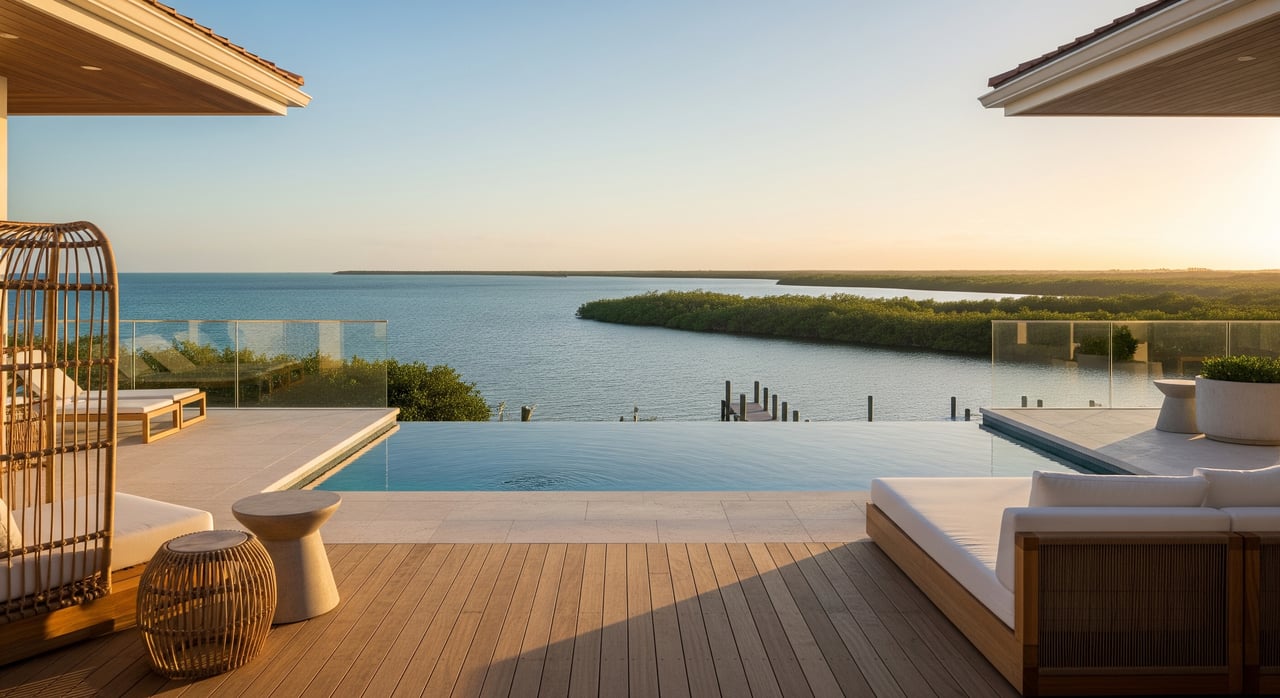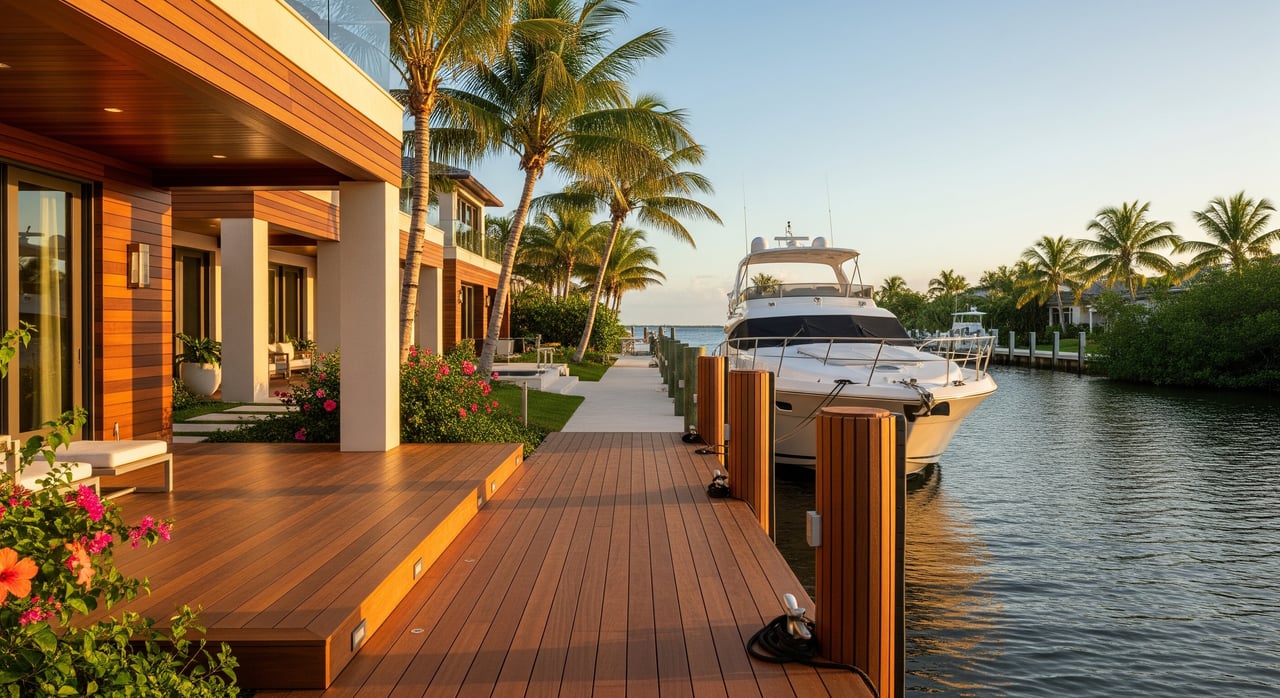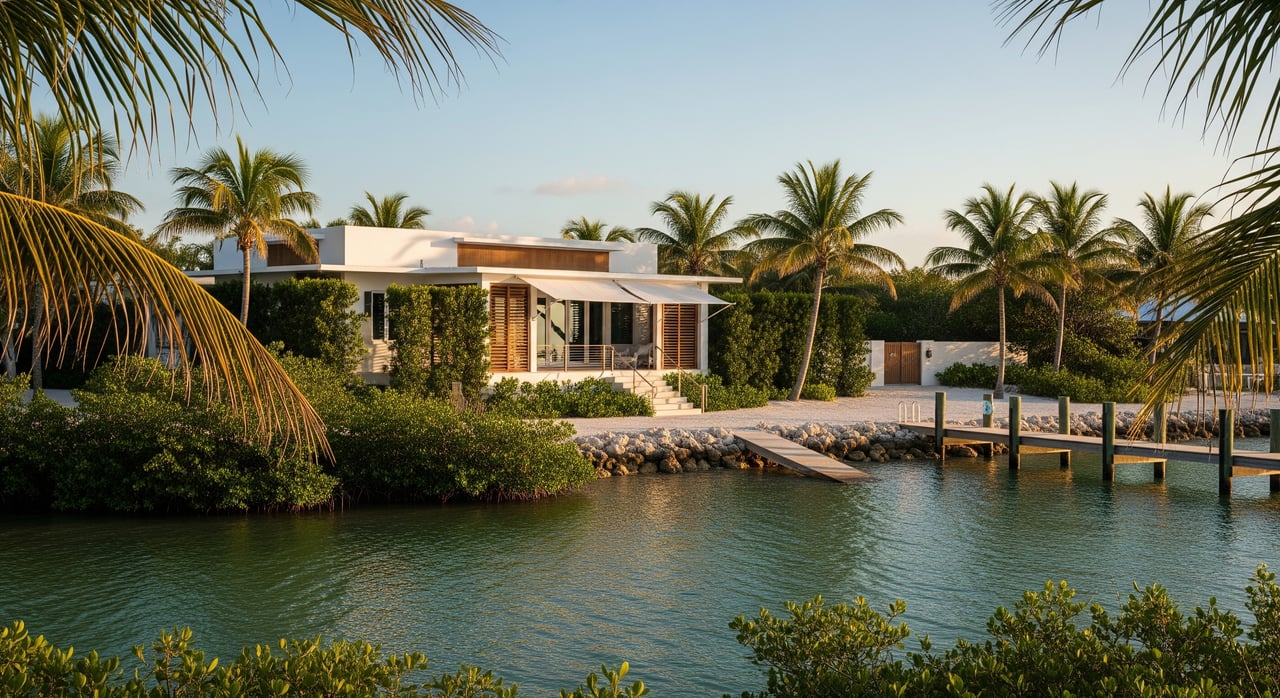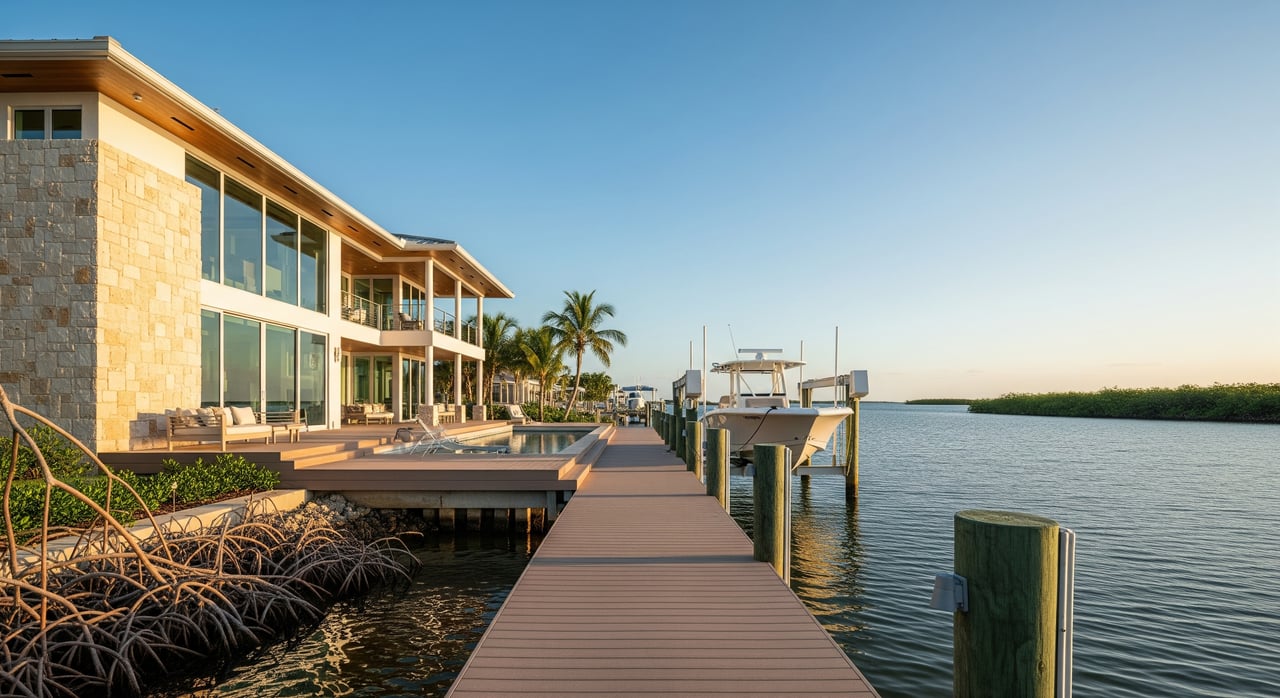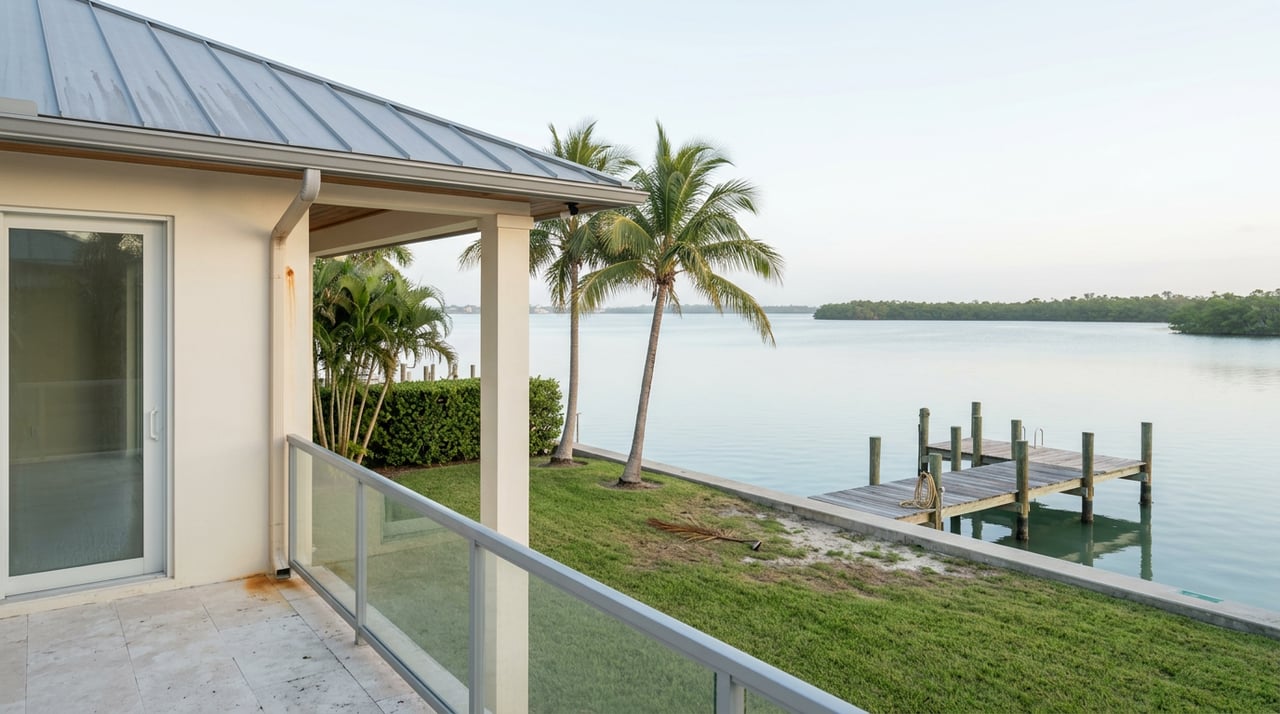
Walk the docks along Harbor Drive in late September and you will notice what is missing. No boat trailers stacked at the launch. No ice line at the marina store. No coolers being loaded before dawn. If you drove down from Sarasota that morning, you passed marinas already busy with anglers keeping their first legal snook of the fall. Here, on the harbor side of Gasparilla Island, the same fish are still going back in the water.
That is not an accident of timing. It is regulation, and it explains more about how this stretch of the island actually lives through the fall than any calendar on a fishing app.
The Line That Runs Through the Water
Florida's Fish and Wildlife Conservation Commission does not manage snook as one statewide season. It splits the Gulf coast at a specific line of latitude, 27°04.727' north, a mark that falls near the Venice Municipal Airport. North of that line, in the Panhandle, Big Bend, Tampa Bay, and Sarasota Bay management regions, recreational snook harvest reopened September 1, 2026. South of it, in the Charlotte Harbor and Southwest regions, which is where Boca Grande and the entire harbor side of the island sit, the season stayed closed through the end of September.
That means an angler working the docks at Big Pass could keep a slot-size snook on the first of the month. An angler standing on a dock in Boca Grande Club on the Harbor, fishing water that looks and behaves almost identically, had to release the same fish and wait.
| Region | Harvest Reopens | Season Closes |
|---|---|---|
| Sarasota Bay and north | September 1, 2026 | November 30, 2026 |
| Charlotte Harbor / Southwest (Boca Grande) | October 1, 2026 | November 30, 2026 |
Both regions share the same slot limit, 28 to 33 inches, and the same one-fish bag limit. The only difference is the extra month of catch-and-release, and that month is not a bureaucratic quirk. FWC holds the Charlotte Harbor and Southwest reopening back specifically because those stocks took the heaviest damage from the 2010 hard freeze and the red tide events of 2017 through 2019. The later opener covers more of the fall spawn in a fishery that is still rebuilding, even after more than a decade.
What That Extra Month Buys the Harbor
The practical effect shows up on the water before it shows up on a calendar. The fall mullet run, the annual migration that pulls baitfish south along Florida's coastline and drags every predator with it, builds through September and peaks from the middle of the month into October. That timing lines up almost exactly with the day Charlotte Harbor opens back up.
By the time harvest legally resumes here on October 1, the bait has already arrived. Snook and tarpon that spent the summer scattered across grass flats and passes start stacking tight to structure, mangrove shorelines, bridge shadows, and dock lights along the harbor, where moving current concentrates the baitfish pushing through. Local guide reports describe fall as some of the most productive inshore fishing of the year across Charlotte Harbor, with redfish and snook lighting up as the bait migration moves through. For a resident with a dock on the harbor side, October is not a slow transition into fall. It is the moment three separate things click into place on the same short stretch of calendar: the bait shows up, the fish push into casting range of a private dock, and it becomes legal to keep one.
Two Weeks Later, the Traps Go In
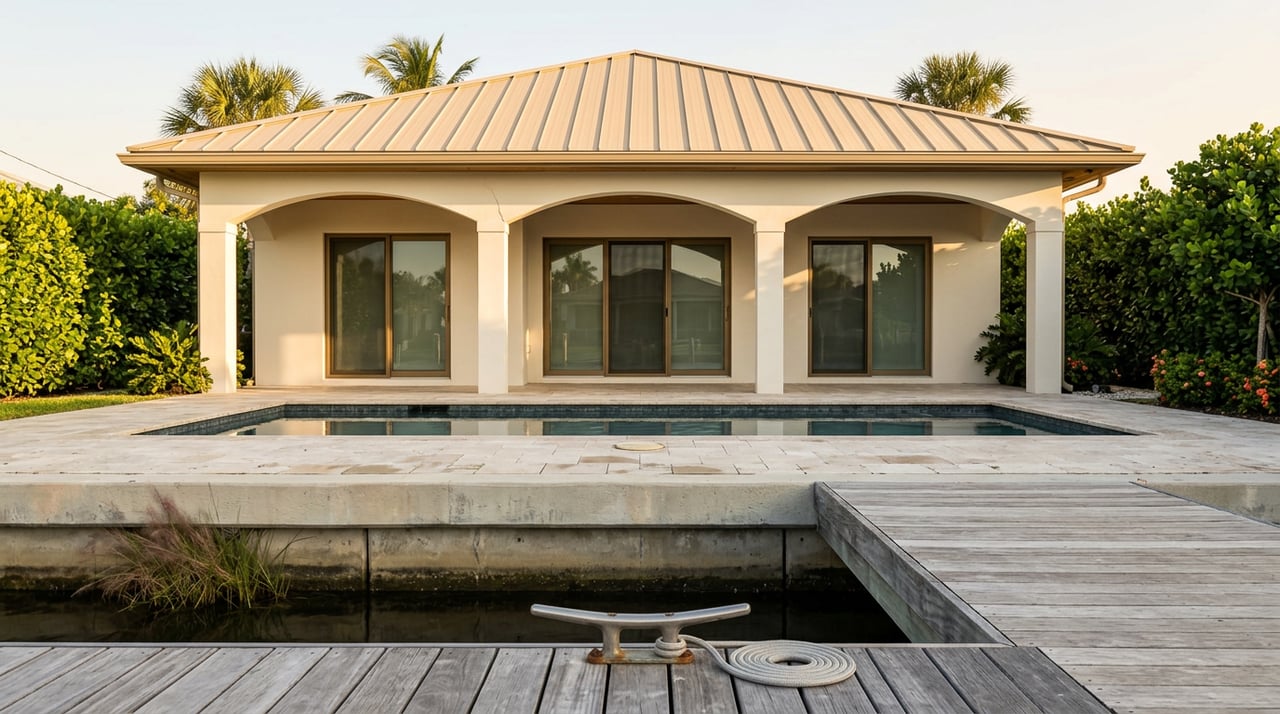
Snook is not the only species with a hard date this fall. Stone crab season opens October 15, 2026, and runs through May 1, 2027, the same window FWC sets every year. Charlotte Harbor is one of the more reliable stone crab grounds on this coast, and residents along the harbor side routinely drop traps directly off their own docks rather than running out to open water.
The two dates arrive two weeks apart, which is part of why the shift here feels less like a slow seasonal fade and more like a switch being thrown. September ends with catch-and-release water and no traps in the harbor. Two weeks later, both fisheries are open at the same time, off the same docks.
The Fishery Without the Crowd
Spring is when Boca Grande performs for an audience. The Boca Beacon reported that the Boca Grande Area Chamber of Commerce, working with local guide William Woodroffe and the Gasparilla Island Maritime Museum, sets a full tournament calendar built around the tarpon run: the Ladies' Day Tarpon Tournament kicked off the 2026 season on May 9, followed days later by the World's Richest Tarpon Tournament on May 13 and 14. The Maritime Museum's own Howl at the Moon tournament ran May 30, with all proceeds benefiting the museum, and the Chamber closed the season with the Gasparilla Island Kids Classic on June 6. The report also quoted Gary Cross, the Chamber's Executive Director, describing the appeal: anglers travel here for "the best tarpon fishing in the world, right here in Boca Grande." Those weeks fill the marinas, the golf cart rentals, and the restaurants with visitors.
Fall does not work that way. There is no tournament schedule attached to the October snook reopening or the stone crab opener. The fishery that switches on next month is a resident's fishery, worked from private docks along the harbor rather than from a crowded pass during peak tarpon season. The same water that drew a tournament fleet in May is, by October, mostly quiet except for the people who live on it.
Reading the Harbor Through Its Own Calendar
None of this changes what the harbor side of Boca Grande looks like on a map. What it changes is how a resident reads the last week of September against the first two weeks of October. The quiet you notice on the docks in late September is not a lull. It is a fishery still one month behind Sarasota Bay and the northern management regions, on purpose, because the water here needed more time to recover than the water forty miles north.
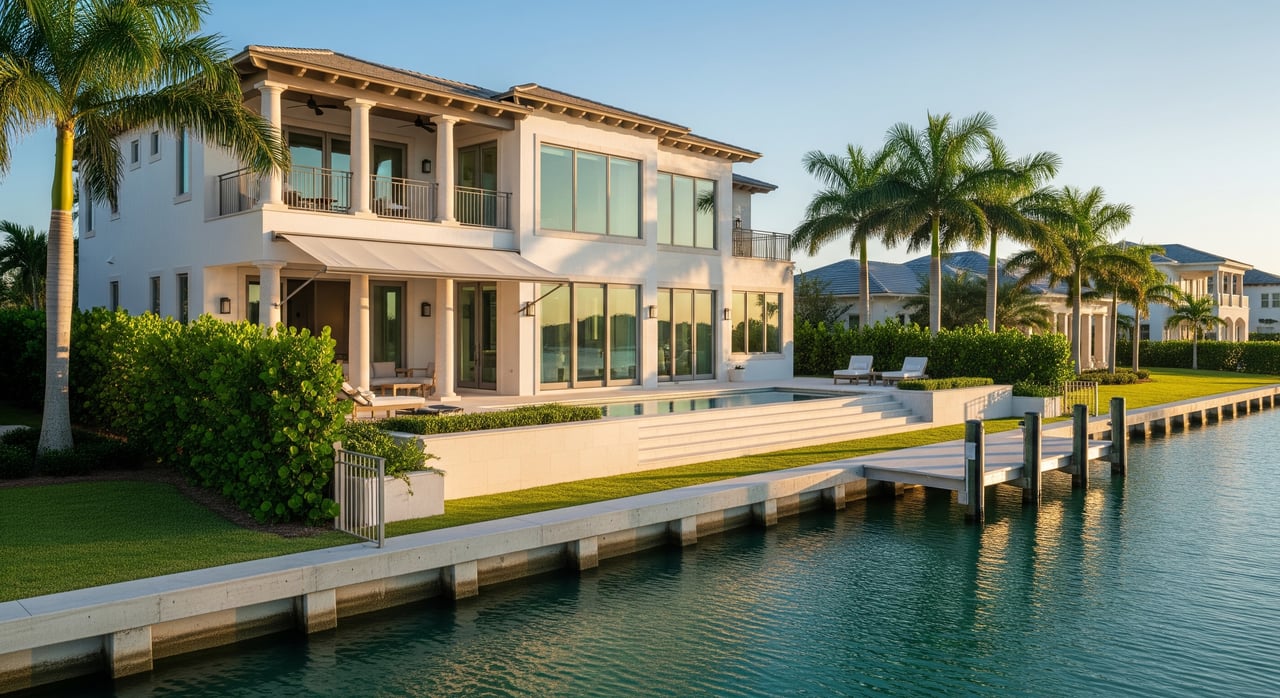
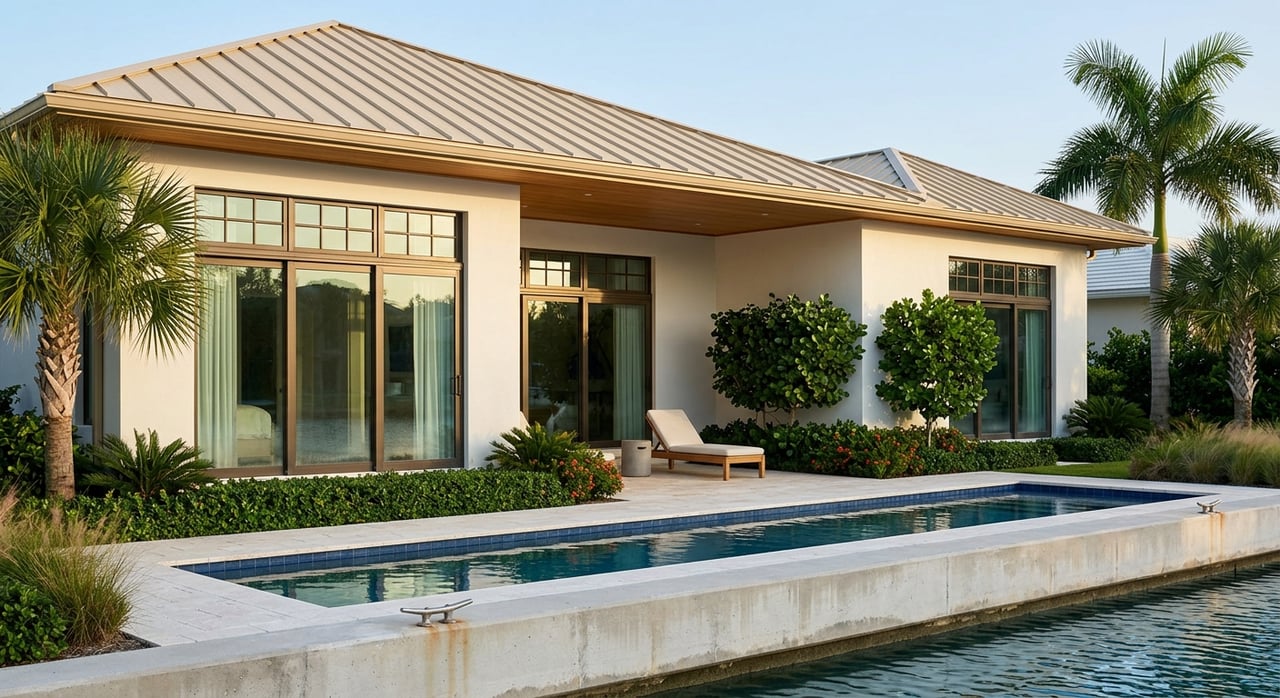
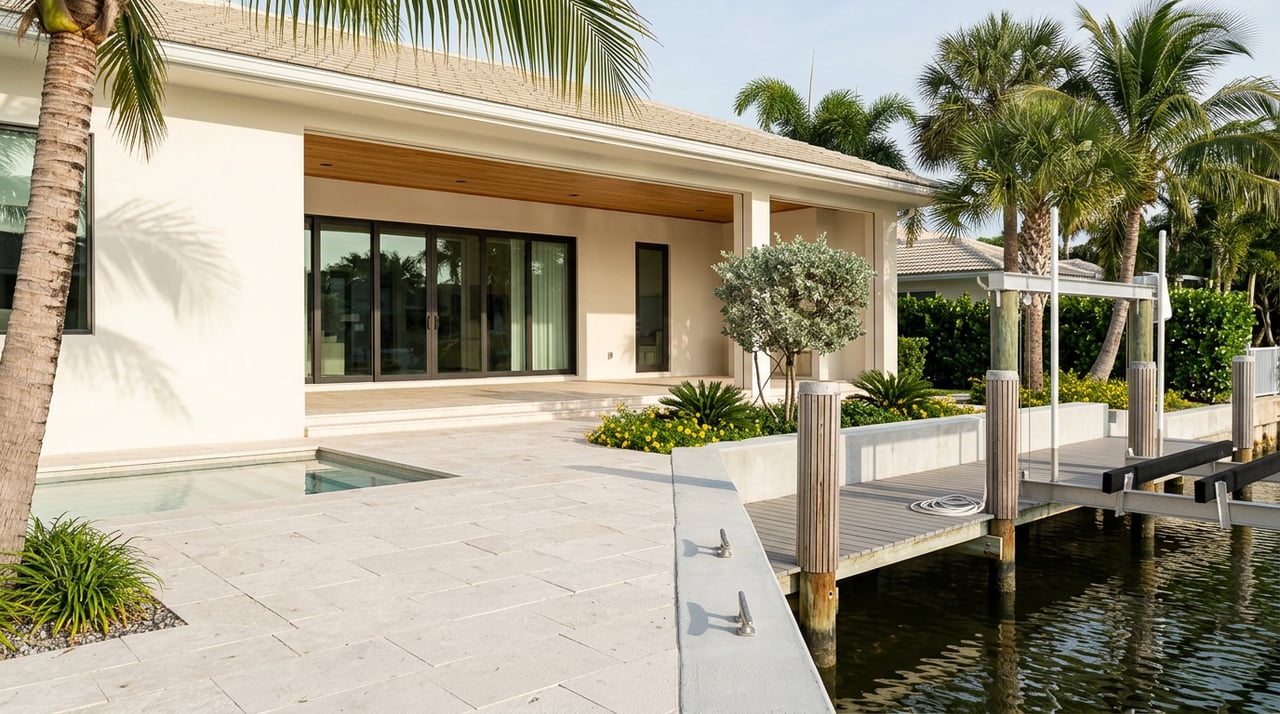
That distinction, drawn by FWC at a specific line of latitude rather than by any landmark, is easy to miss unless you already live close enough to notice which side of it your dock sits on. For anyone with a boat tied up along Harbor Drive or a slip near Boca Grande Marina, formerly known as Miller's Marina, on Gasparilla Sound, or Uncle Henry's Marina on the island's north end, it is the difference between a September spent releasing fish and an October spent keeping them, with stone crab traps going in right behind.
If you already call this stretch of the harbor home, you have likely felt this shift without naming it. If you are still deciding whether the harbor side is where you want that dock to be, this is the kind of detail that only shows up after you have spent a season paying attention to the water rather than the listing.
For questions about property along the harbor side of Gasparilla Island, or to talk through what a season like this one means for a home with deep-water access, reach out to Jeff Moore to book a private consultation.
This article is general information, not legal, tax or financial advice. Consult a qualified professional about your situation.