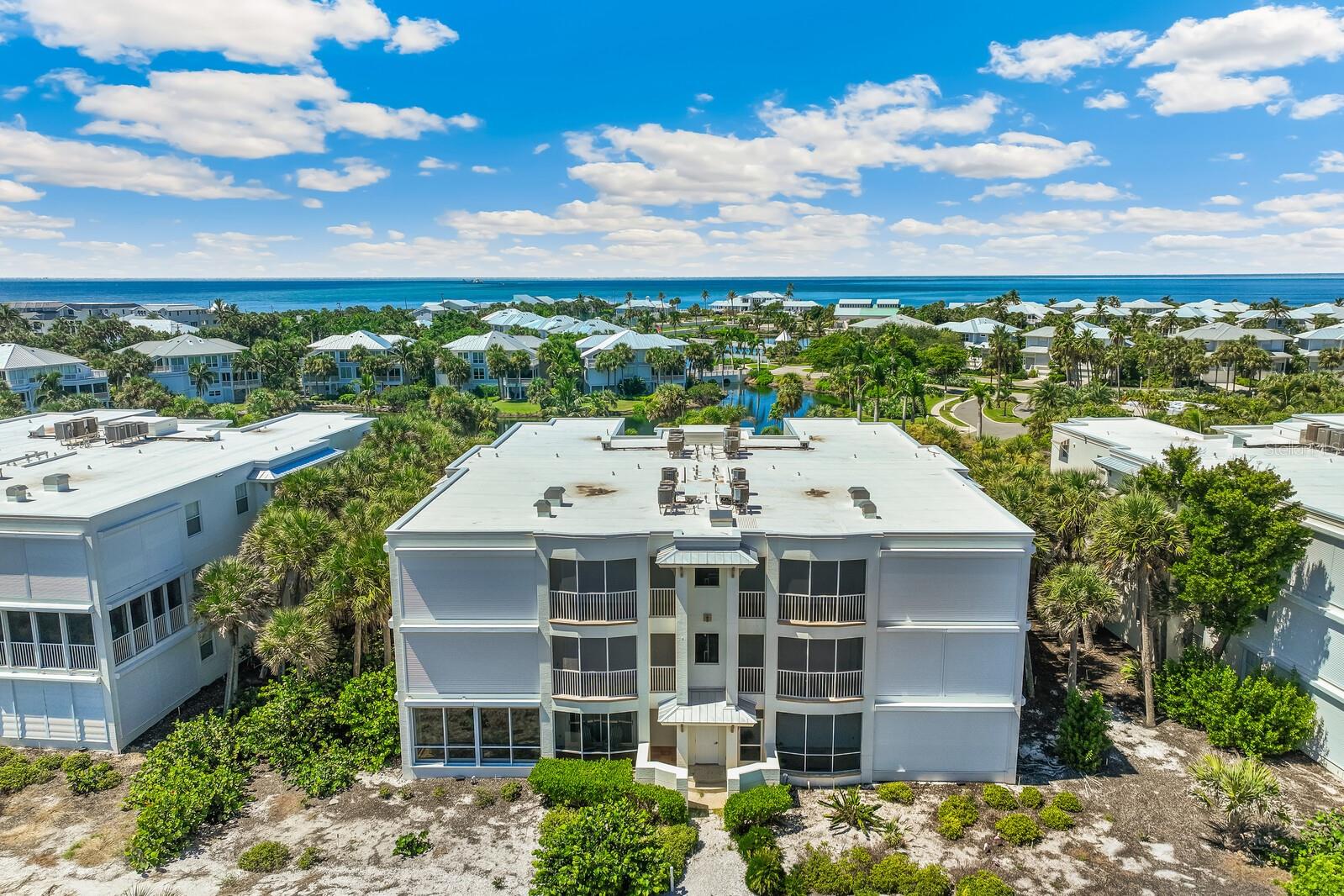
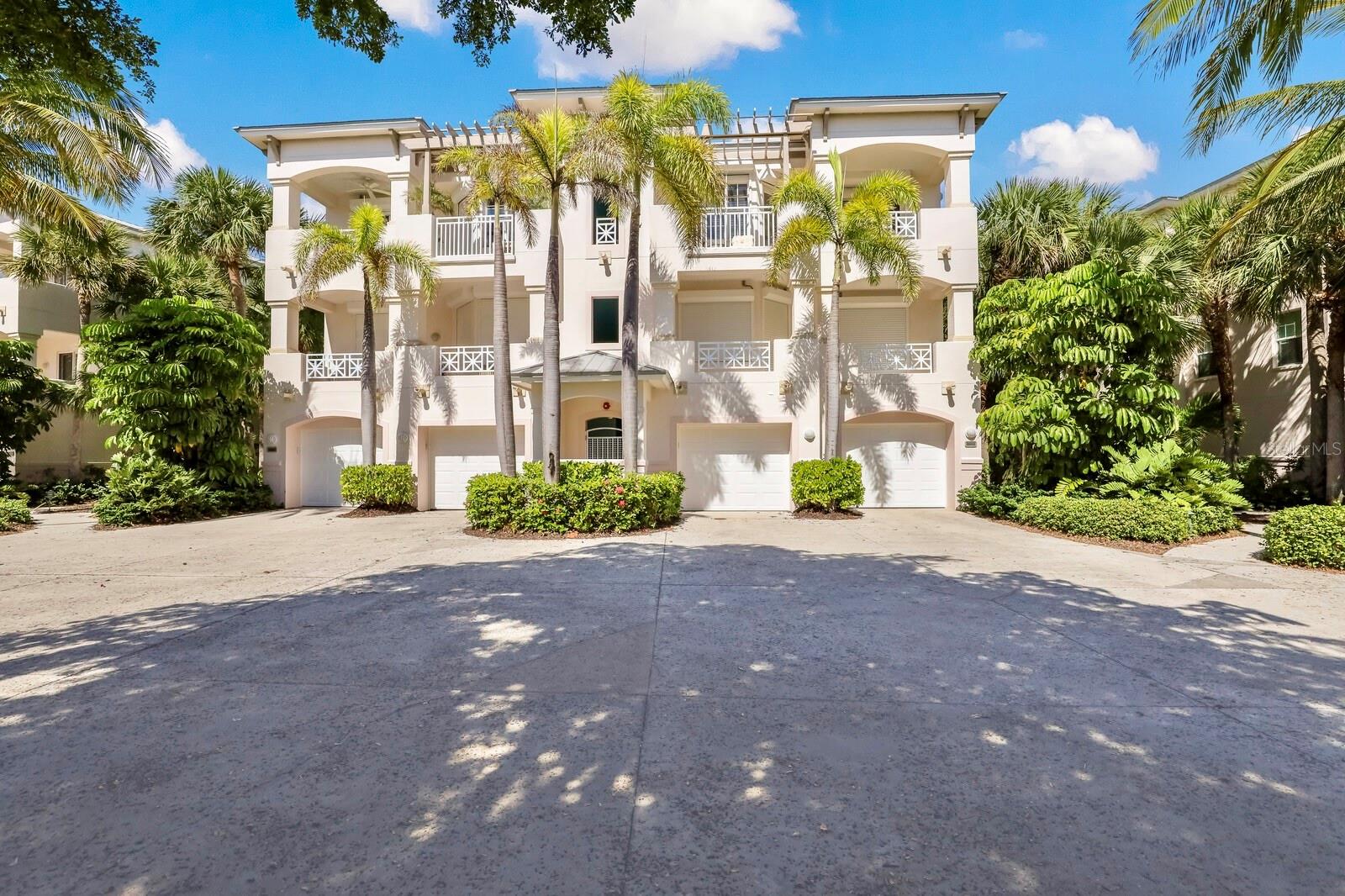
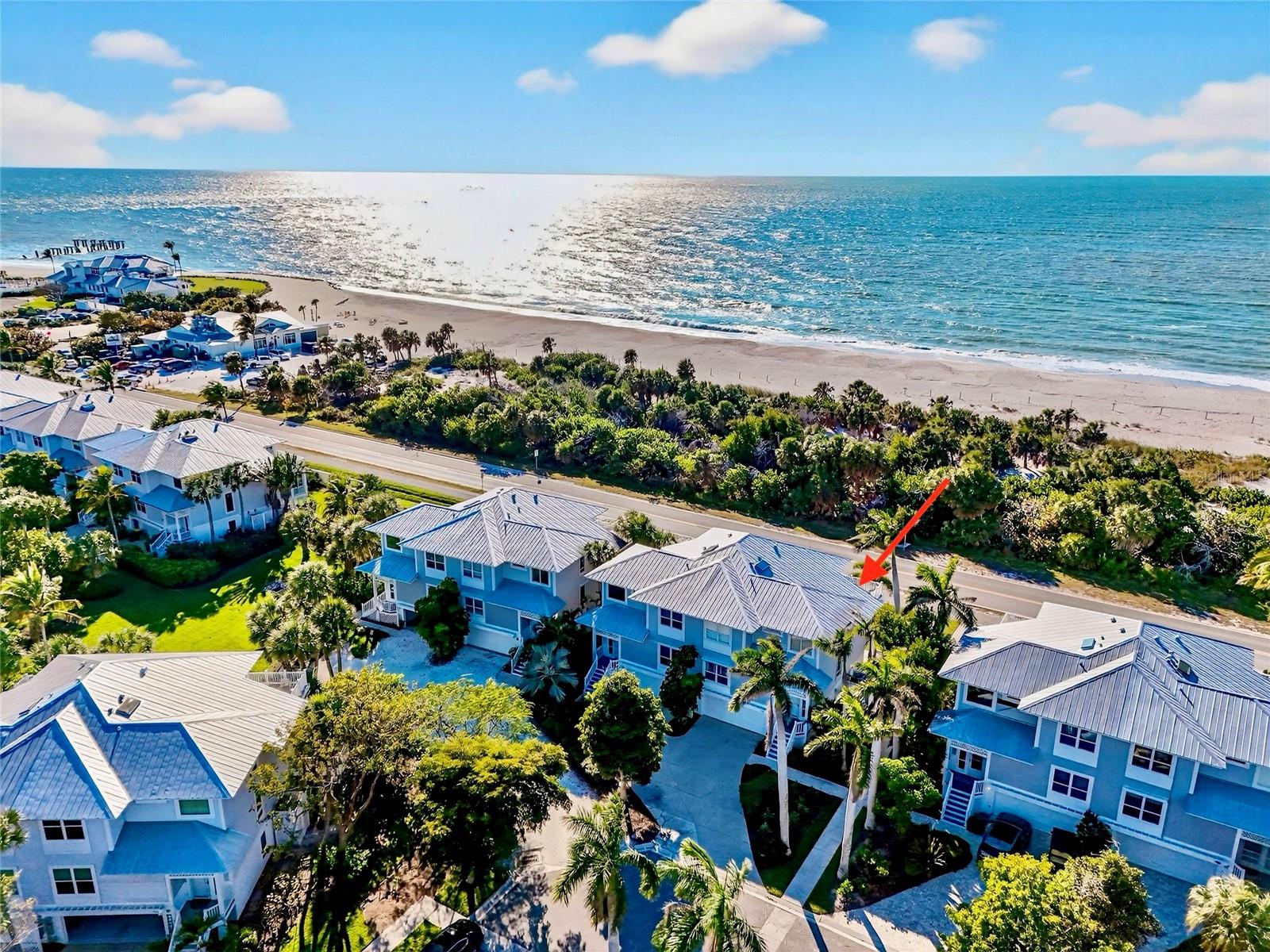
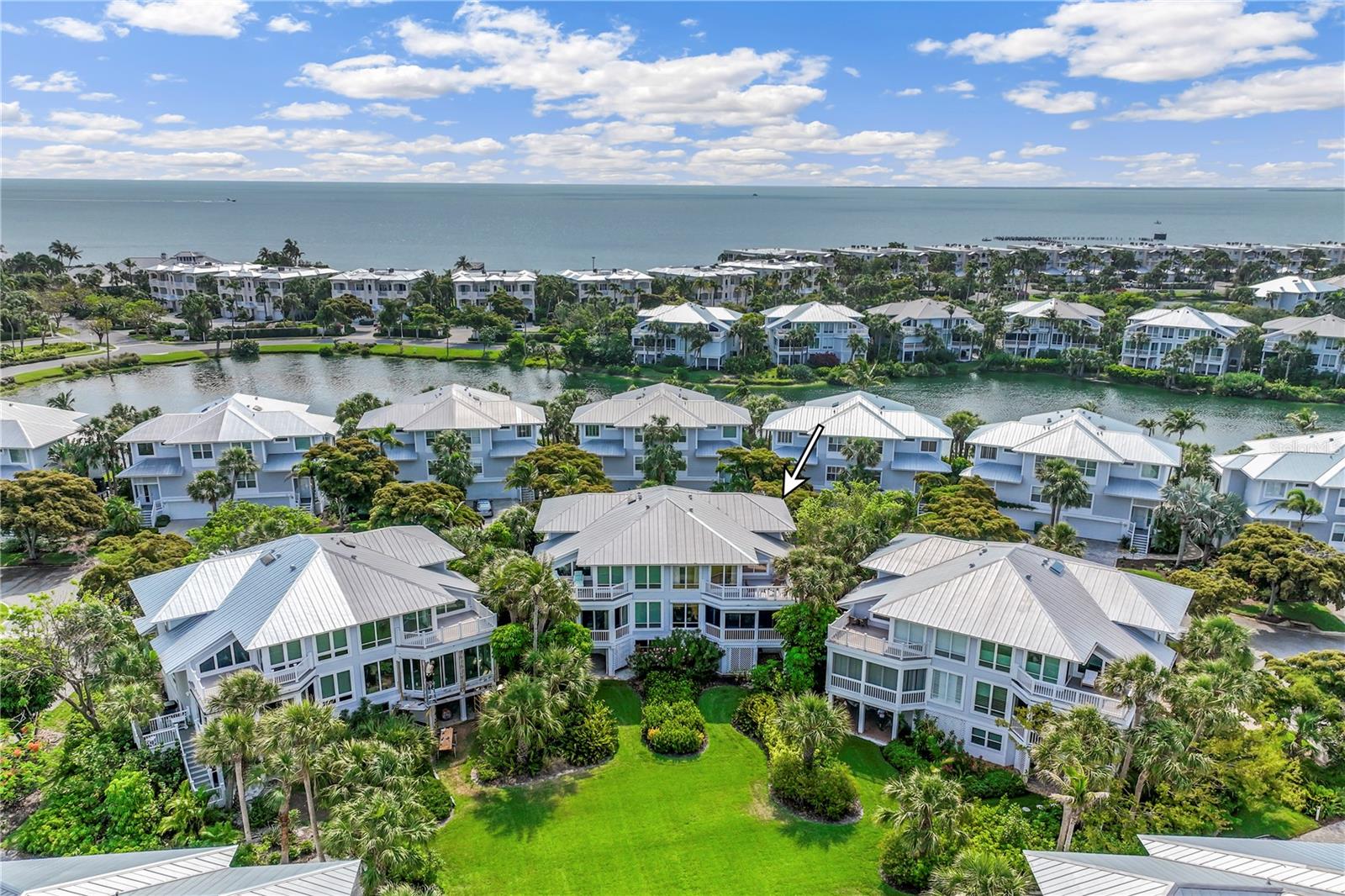
Boca Bay is the kind of place that resists easy description because it operates according to its own logic — one entirely disconnected from the mainland's pace, ambition, and noise. Occupying the southern terminus of Gasparilla Island in Southwest Florida, this master-planned enclave represents the rarest convergence in the luxury residential market: genuine natural grandeur, historically rooted architecture, and a social ecosystem so deliberately curated that even first-time visitors tend to feel, almost immediately, that they've been missing something for years.
The community is not large. It does not need to be. What it offers in volume — the Gulf of Mexico to the west, Charlotte Harbor to the east, and the legendary Boca Grande Pass to the south — it delivers with a quality of experience that few addresses in the country can match. The water is not a backdrop here; it is the organizing principle around which every home, every amenity, and every morning is arranged.
For guests who first arrive on the island through the Gasparilla Inn — one of Florida's most iconic resort properties, with its storied Beach Club and the Pete Dye-designed Golf Club just north of the community — Boca Bay has a way of rearranging priorities. What begins as a weekend stay has, for generations of repeat visitors, quietly transformed into a more permanent question: what would it mean to actually live here? The Inn's gravitational pull on the second-home market is not coincidental. It introduces guests to the island's particular rhythm at exactly the right moment — and Boca Bay is where that rhythm becomes a permanent address.
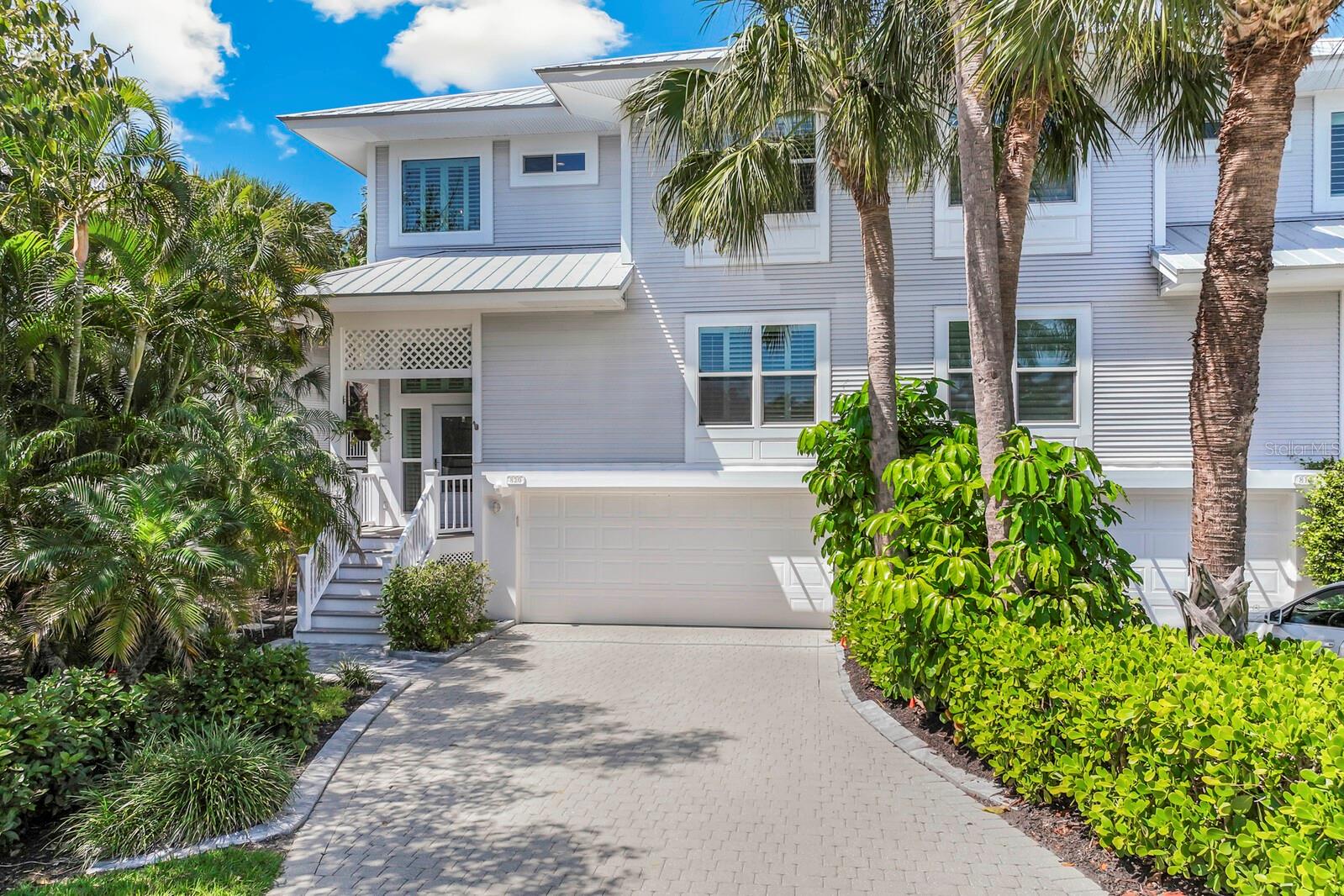
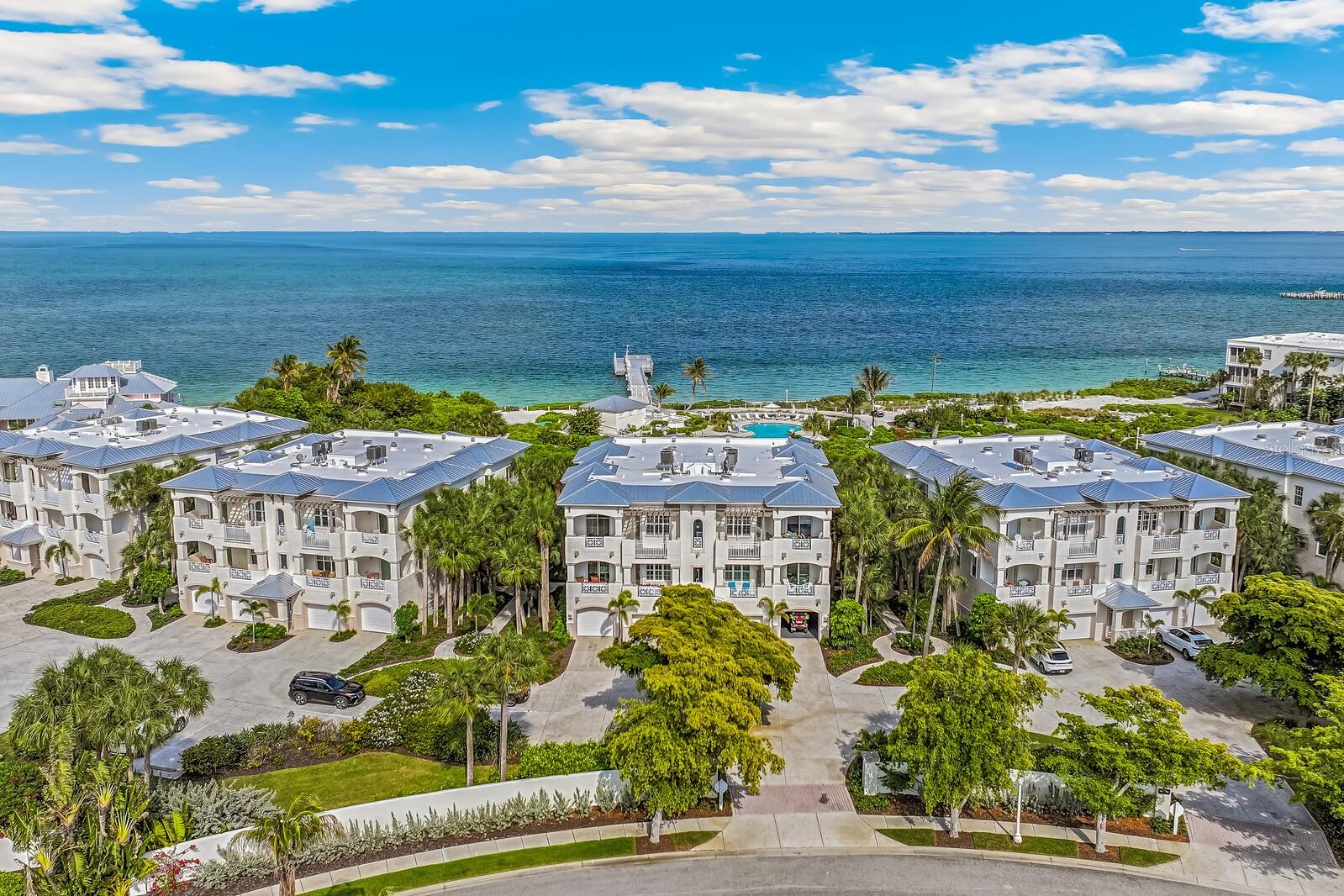
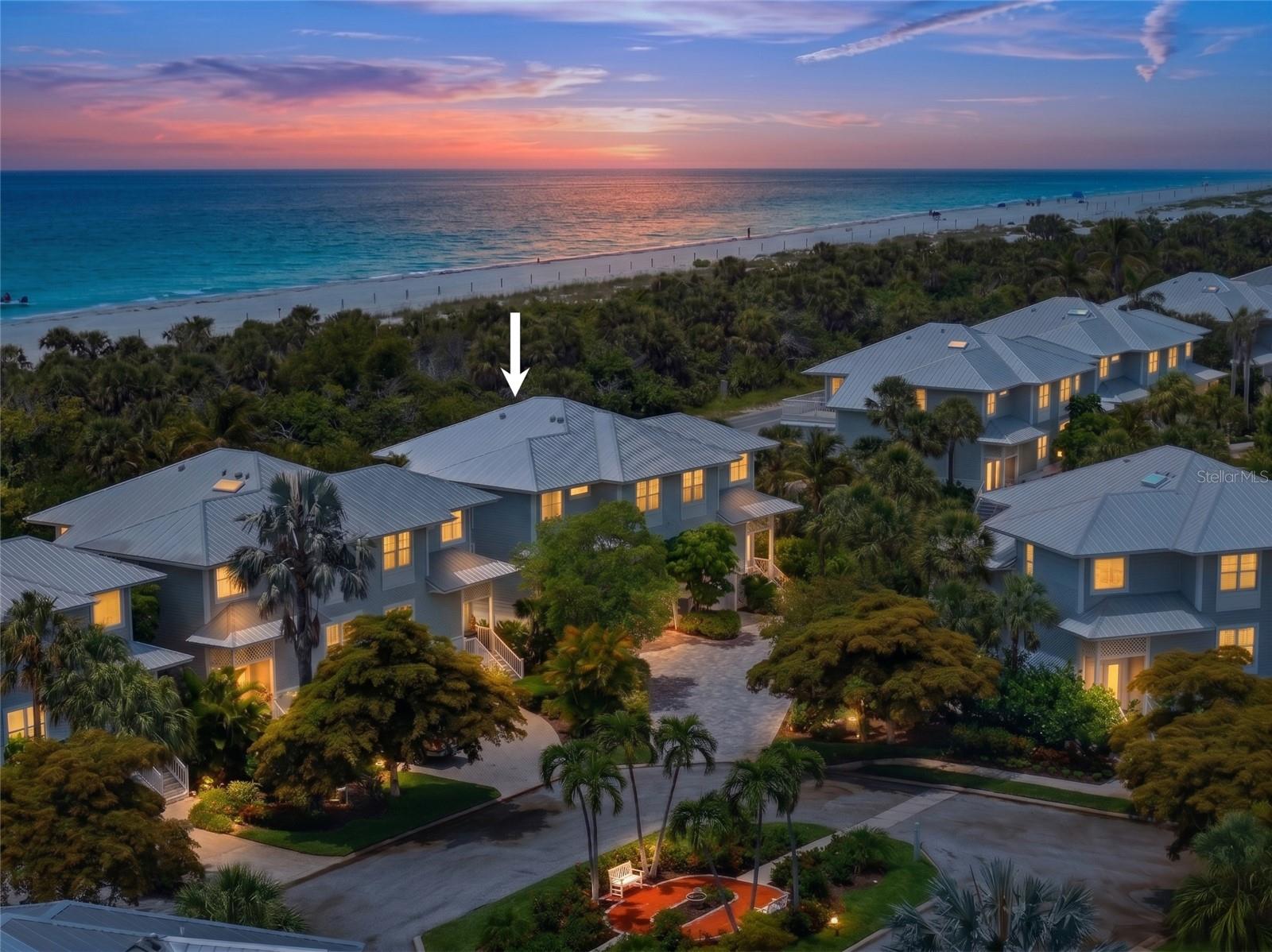
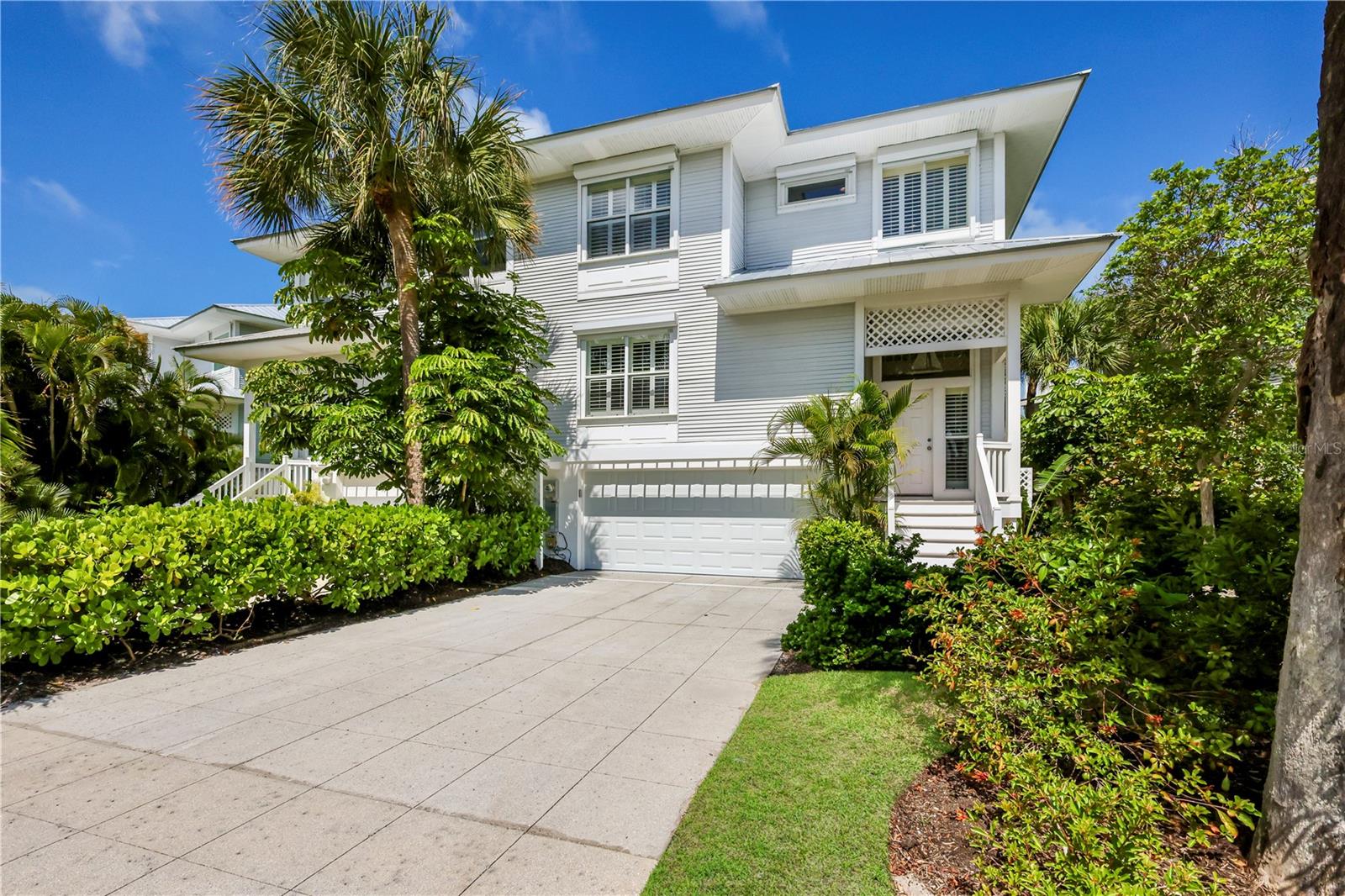
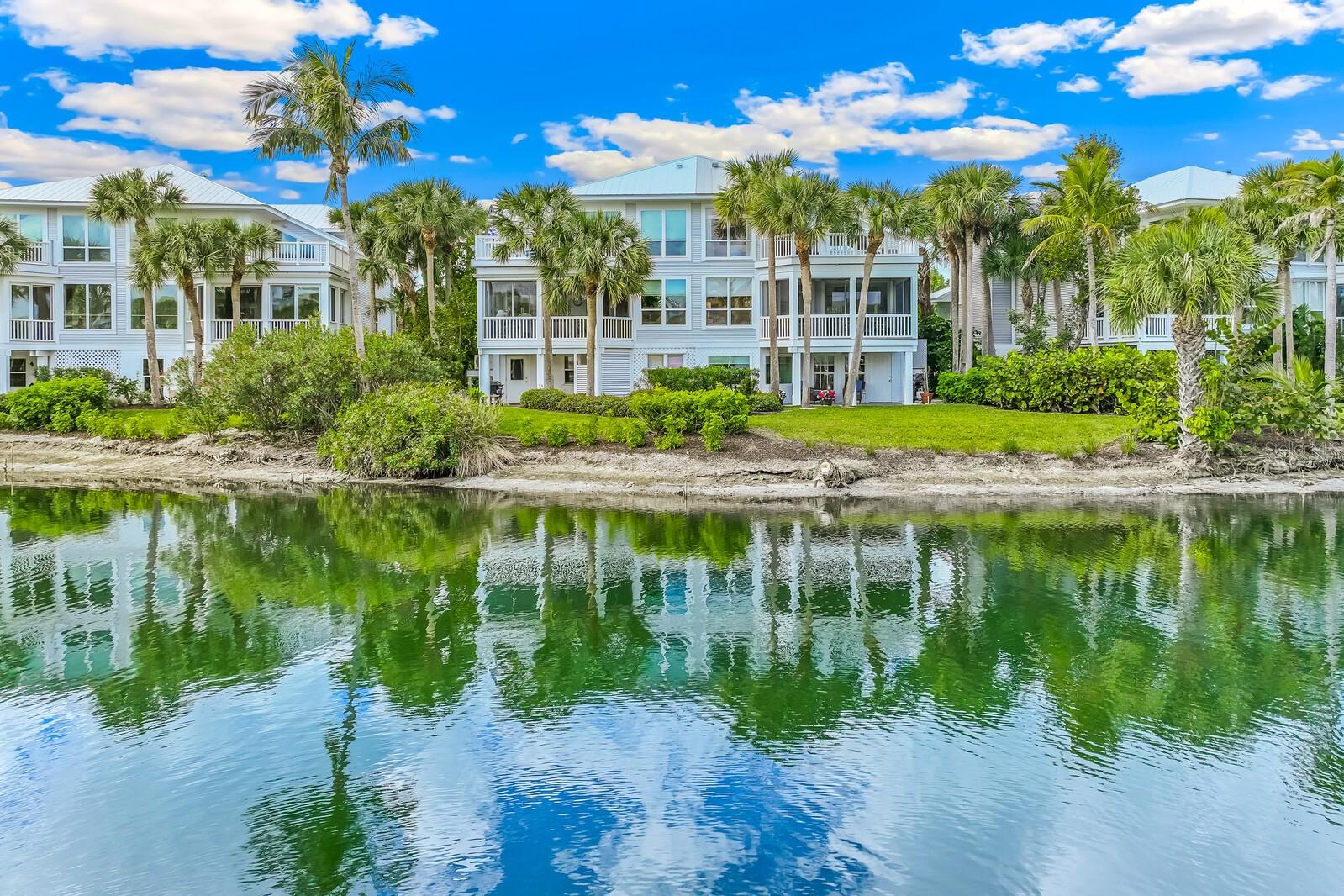
The community itself is architecturally cohesive in the way that well-conceived master plans rarely are. Metal roofs catch the afternoon light. Wrap-around porches invite the kind of unhurried conversation that smartphones have largely made obsolete everywhere else. Golf carts move quietly along shaded paths. The effect is less "resort development" and more "the village that always should have been here."
The land on which Boca Bay now stands carries more industrial history than its current serenity would suggest. In the late 19th and early 20th centuries, the southern end of Gasparilla Island was a working deep-water port — the southern terminus of the Charlotte Harbor and Northern Railway, one of the primary arteries for shipping phosphate from Florida's interior mines to global markets. For decades, this was a place of commerce and heavy industry, bearing no resemblance to the residential sanctuary it would eventually become.
By the 1970s, the economics of phosphate shipping had shifted irrevocably toward the larger ports of Tampa, and the railroad's commercial utility faded. The line was officially abandoned in 1979, leaving behind a large tract of largely dormant land at the island's southern tip — dredge-and-fill terrain stabilized over decades, already shaped by the infrastructure of a port era now finished.
The transformation into Boca Bay began in earnest in the late 1980s, when developers recognized the extraordinary opportunity the site represented: deep-water access to the Gulf, proximity to what was already an established luxury village in Boca Grande, and the kind of coastal geography that cannot be manufactured. The design philosophy that guided development was uncommonly thoughtful for the era. Rather than pursuing the vertical luxury model that was consuming much of coastal Florida, the planners committed to a low-density, human-scaled community built around what is often described as Old Florida architectural vernacular — the Coastal Vernacular and British West Indies style characterized by elevated structures, metal roofs, generous screened porches, and native landscaping that acknowledges the heat rather than fighting it.
The community layout drew meaningful influence from the planning legacy of the Olmsted Brothers, the landscape architecture firm — sons of Frederick Law Olmsted, who designed Central Park — whose influence on Boca Grande's original town plan emphasized walkability, native vegetation, and the preservation of sight lines to water. That lineage is visible in how Boca Bay breathes: in the way its streets accommodate pedestrians and golf carts as readily as cars, and in the preservation of natural canopy that makes even midday walks feel temperate.
Today, Boca Bay is widely regarded as the premier residential address on Gasparilla Island — the property that absorbs demand from serious buyers who have graduated from wanting proximity to Boca Grande to actually belonging to it at its most rarefied level.
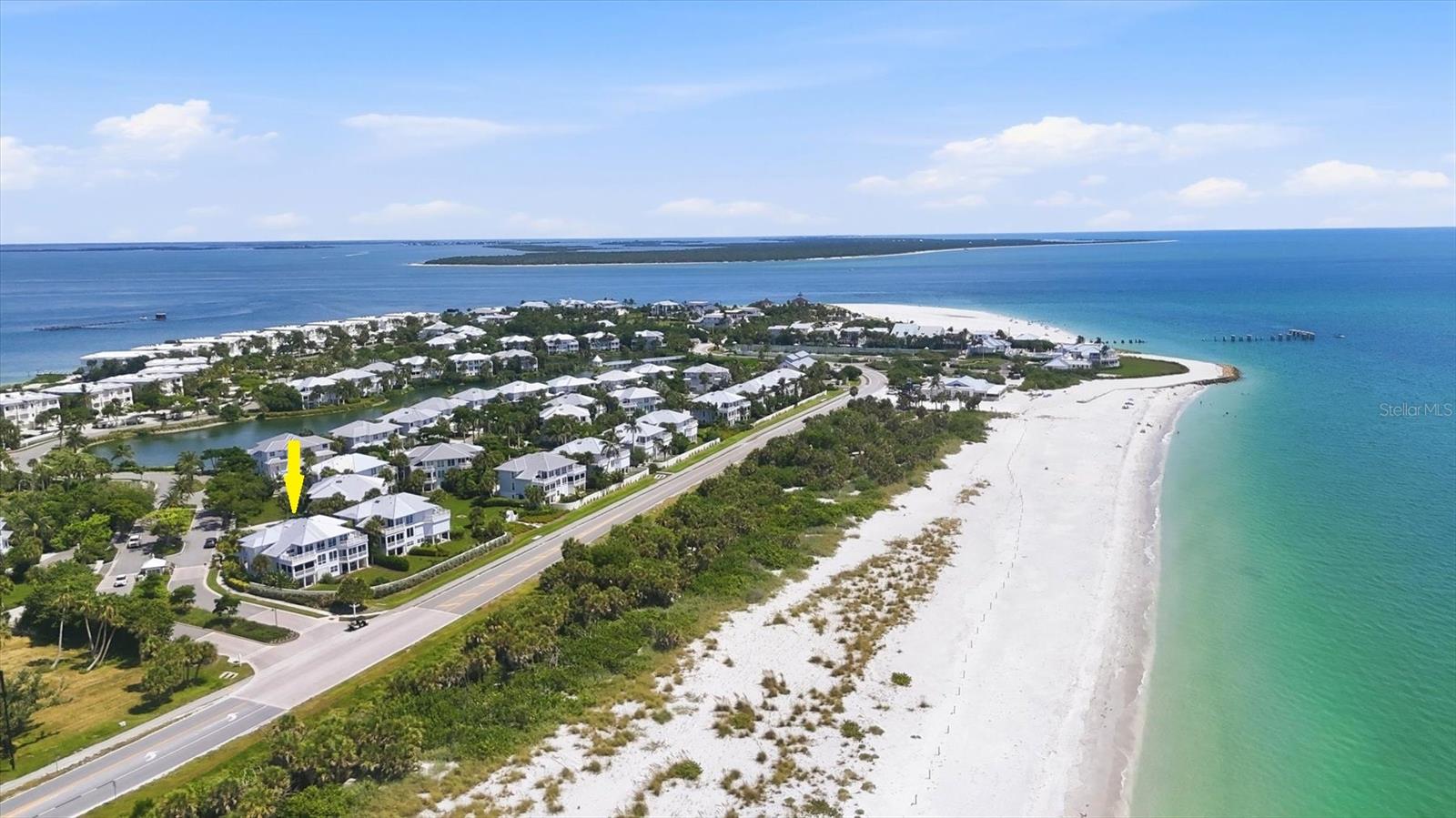
Boca Bay occupies the southernmost reaches of Gasparilla Island, a narrow barrier island positioned off the southwestern coast of Florida where Charlotte and Lee Counties meet. The community sits within the village of Boca Grande, the island's sole incorporated community, which has maintained its physical scale and character through decades of development pressure that transformed much of the surrounding region.
The geography here is genuinely exceptional. To the west lies the Gulf of Mexico — open, warm, and accessible from private beach frontage that most Florida luxury communities can only approximate. To the east, Charlotte Harbor stretches across one of the largest and most ecologically intact aquatic preserves in the state, a protected body of water where manatees, dolphins, roseate spoonbills, and ospreys move through the water and sky with the casual indifference of creatures that have never been pressured into retreating. To the south, the Boca Grande Pass — widely regarded as the deepest natural tidal inlet on the Florida Gulf Coast — connects the harbor to the open Gulf in a channel that creates some of the most productive sportfishing conditions in the world.
This tri-water configuration — Gulf, harbor, and pass — is not a marketing construct. It is a physical reality that governs the character of every morning, every evening, and every storm season on the island. The sensory experience of living at the intersection of these three bodies of water is the foundational luxury that no renovation budget or interior designer can replicate.
In terms of regional access, the community occupies a deliberately secluded position. The nearest major population centers are Sarasota, approximately one hour to the north, and Fort Myers — where Southwest Florida International Airport (RSW) provides commercial flight access — approximately 75 to 90 minutes to the southeast. This distance is not incidental; it is one of the primary mechanisms by which the island has preserved its character. Gasparilla Island has strict density caps and almost no remaining developable land. The scarcity is structural and permanent.
The Boca Bay real estate market in 2026 occupies a particularly interesting position in the broader Florida luxury landscape — one of meaningful recalibration after the extraordinary compression of the pandemic years, but with structural fundamentals that remain among the most durable in the state.
For buyers operating in the $5 million and above segment — the primary range for Gulf-front and beachfront properties within Boca Bay — the current environment represents a window that has not existed in several years. Inventory has expanded significantly from the historic lows of 2021 and 2022. There are currently roughly 116 active listings across the island, a nearly 140 percent increase year-over-year, and the average days on market has extended to between 94 and 144 days as buyers exercise the kind of deliberate patience that was impossible in a market where properties routinely sold before formal listing. Sellers, in turn, are now more willing to engage — acceptance of offers 4 to 7 percent below list price has become normalized, which represents a genuine structural shift from the "name your price" dynamic of the recent past.
Per-square-foot values have held at approximately $1,500 for desirable properties, and annual appreciation has moderated to a steady 3 to 5 percent — exactly the kind of gradual, sustainable growth that supports long-term wealth preservation rather than speculative volatility. Median sale prices across the broader Boca Grande market hover between $2.5 million and $4 million, though Gulf-front and beachfront estate properties in Boca Bay routinely transact in the $5 million to $15 million range, with exceptional offerings commanding figures well above that ceiling.
The financing profile of this market is worth noting explicitly: over 90 percent of Boca Bay transactions are completed in cash. This is not unusual for ultra-luxury island markets, but it has a specific practical implication — it insulates the community from the interest rate sensitivity that drives volatility in more conventionally financed markets. When broader mortgage markets tighten, Boca Bay buyers are largely unaffected, which is one reason the community's value floor has proven historically resilient.
For the Gasparilla Inn guest who has visited the island repeatedly and is now evaluating a permanent or second-home purchase, the 2026 market moment is genuinely favorable. The period where sellers held all leverage has ended, but the scarcity that makes the island valuable — its strict density limits and near-total absence of undeveloped land — remains completely intact.
The residential inventory in Boca Bay is organized across several distinct property categories, each with its own character, price point, and lifestyle proposition.
Gulf-front and beachfront estate homes represent the community's apex offering and are the primary draw for buyers entering the $5 million and above segment. These are architecturally significant properties — typically four to six bedrooms, elevated above grade on pilings in compliance with coastal construction requirements, featuring private pools, outdoor living spaces that extend toward the water, and the kind of Gulf views that make every conversation about location immediately unnecessary. Prices at this level begin in the $5 million range for properties with beach access and extend well past $15 million for direct Gulf-front estates with deep lots, contemporary renovations, and private dock access.
Harborside and harbor-view properties offer a different but equally compelling proposition. Oriented toward Charlotte Harbor rather than the Gulf, these homes provide the operational advantages of protected-water boating — calmer conditions year-round, direct access to the intracoastal system, and proximity to the Boca Bay Marina, which maintains deep-water slips capable of accommodating serious offshore vessels. For buyers whose primary interest is the boating lifestyle rather than the beach-chair lifestyle, harborside properties often deliver superior functional value at a relatively lower price point than equivalent Gulf-front addresses.
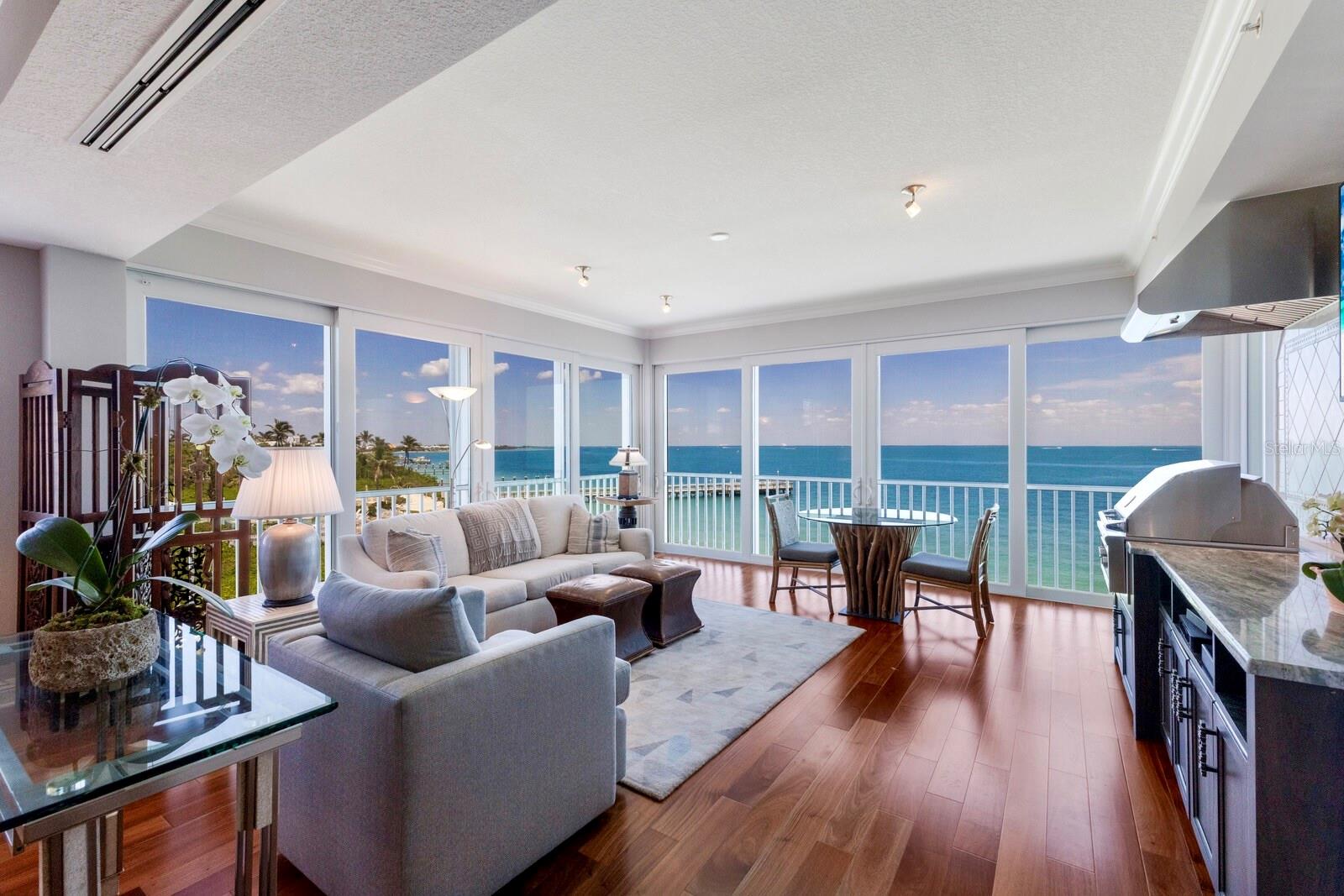
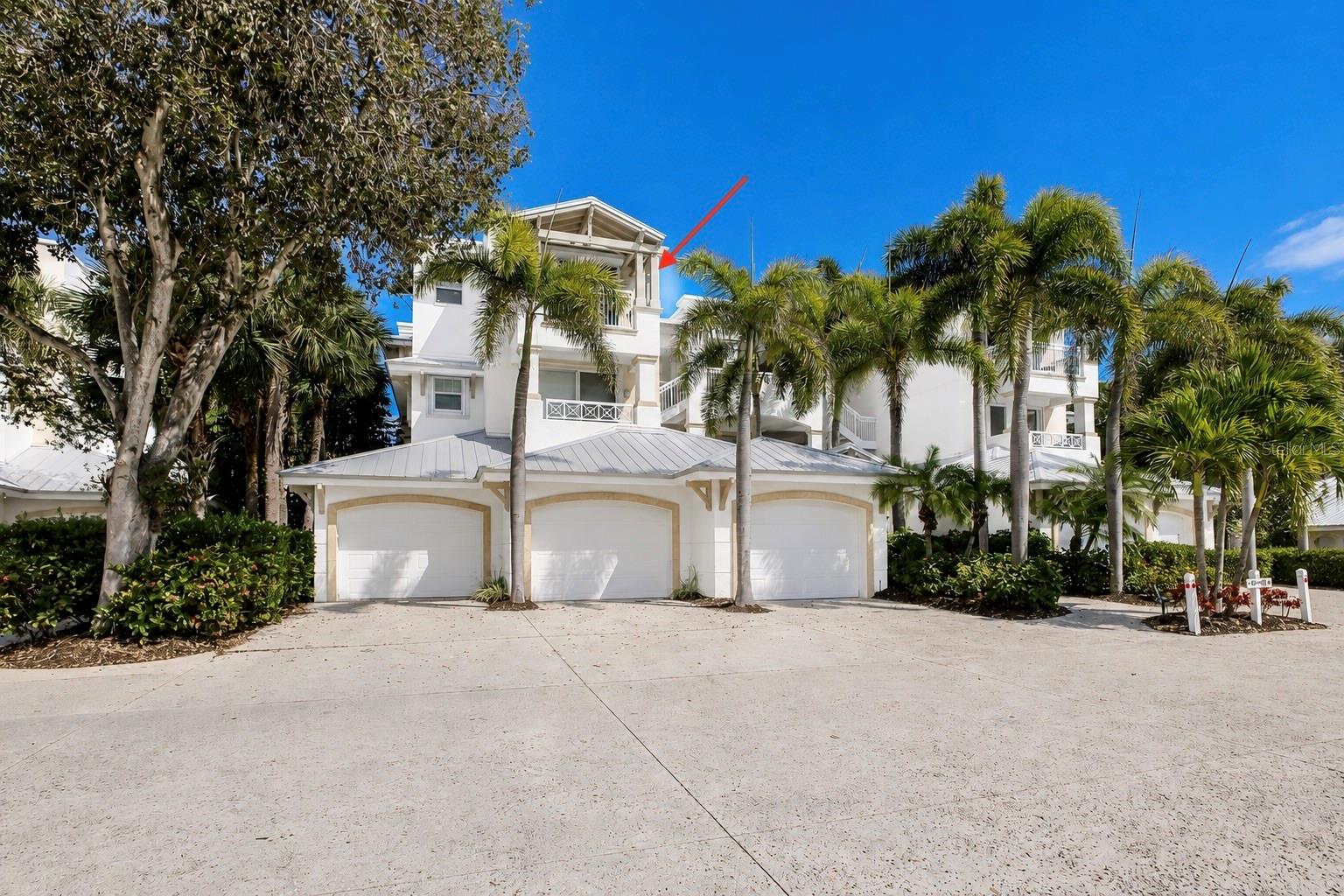
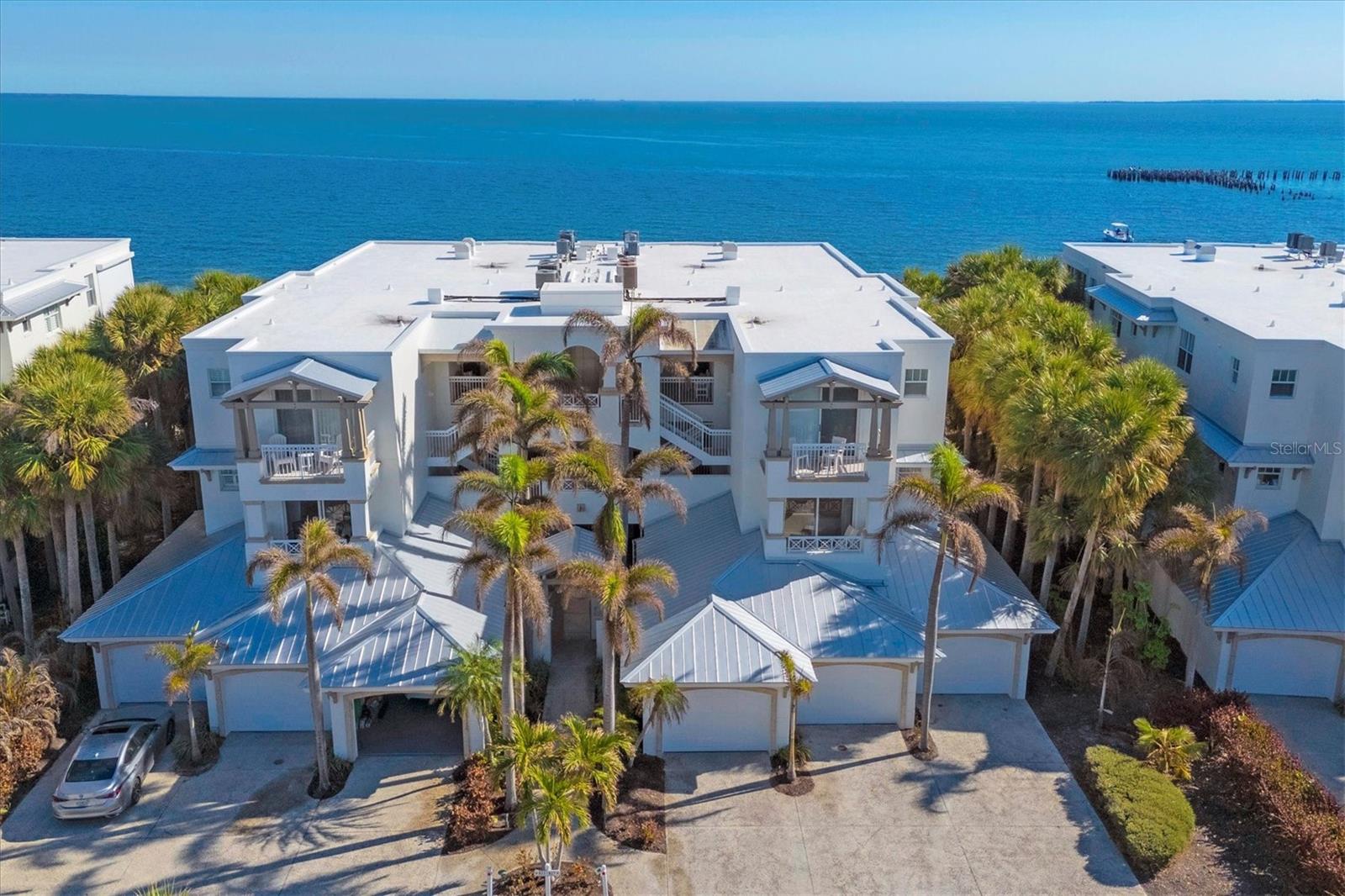
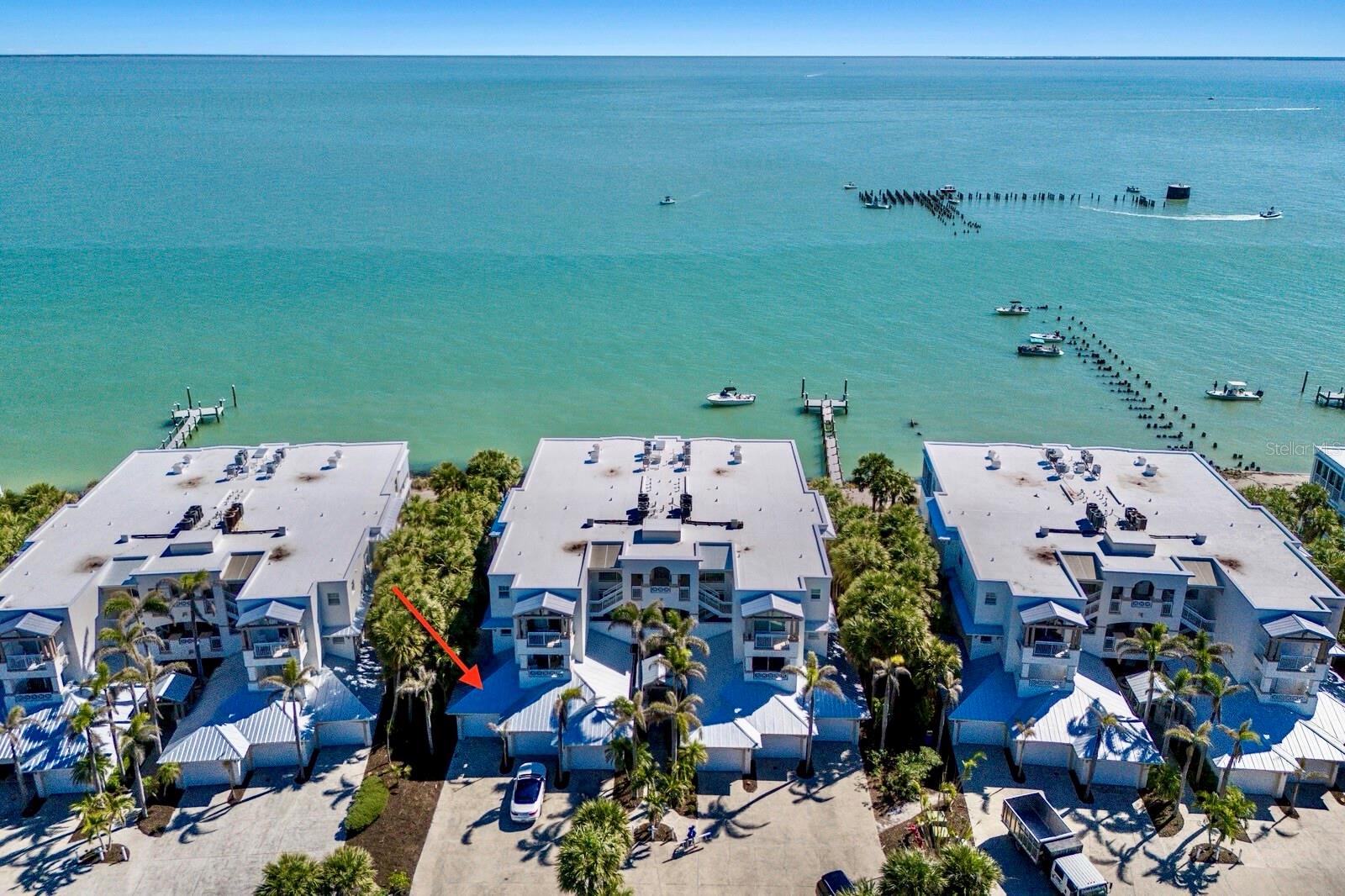
Luxury condominiums within Boca Bay's distinct "village" clusters — including Beach View and Harborside — offer the "lock and leave" structure that appeals strongly to Gasparilla Inn regulars who understand that island ownership carries maintenance realities that the hotel insulates guests from entirely. These are typically three-bedroom units with high ceilings, expansive screened lanais, detached garages, and access to shared pool and beach amenities. Prices generally fall between $1.8 million and $3.5 million. New Florida structural integrity reserve laws effective in 2026 have increased monthly HOA and condo fees across this category — combined carrying costs now range from $1,300 to $4,200 per month depending on the specific village and unit configuration — but the legislation's long-term effect is to strengthen the financial health of the associations themselves.
Townhomes and courtyard homes occupy the middle register, typically two-story properties with traditional metal roofs and wood-siding facades that honor the community's architectural covenants. Priced generally between $2.5 million and $4 million, they are frequently attractive to buyers who want the spatial privacy of a single-family structure without the maintenance footprint of an estate property.
Finally, deep-water boat slips at the Boca Bay Marina occasionally trade as standalone real estate assets at $200,000 and above — a notable option for buyers who want a formal presence in the community while evaluating a larger property purchase.
Purchasing in Boca Bay involves a set of due diligence considerations that go considerably beyond the standard checklist of a Florida residential transaction. The waterfront setting, the age of much of the existing housing stock, and the evolving regulatory environment in 2026 each introduce layers of complexity that reward careful preparation.
Flood zone classification and insurance are the most consequential variables for any buyer. The majority of Boca Bay sits within FEMA's Zone AE designation — the 100-year floodplain — while certain Gulf-front and pass-adjacent properties fall within the more exposed Zone VE, which carries coastal storm surge risk ratings that translate directly into significantly elevated insurance premiums. FEMA's Risk Rating 2.0 methodology, now fully operational, has replaced the older map-based premium system with individualized property assessments based on specific elevation, construction type, and proximity to flood sources. The practical implication for buyers is significant: always request a current Elevation Certificate before extending an offer. The difference between a property with a favorable elevation certificate and one without can represent $7,000 to $10,000 in annual premium variance — a number that compounds meaningfully over a holding period.
Structural due diligence on coastal properties must extend well beyond the residence itself. Seawalls, docks, and pilings — the infrastructure that interfaces directly with tidal water — are subject to accelerated deterioration in the salt-air, high-salinity environment of Southwest Florida. A failing seawall in 2026 carries remediation costs of approximately $2,000 per linear foot, which means a 50-foot seawall in need of replacement represents a $100,000 liability before any contractor markup. Commission an independent marine inspection alongside the standard home inspection, and treat the two as equally weighted in your evaluation.
HOA structure warrants particular attention in Boca Bay because the community operates as a collection of semi-autonomous villages under a master association framework. Each village maintains its own supplemental fee structure on top of the master HOA, and the new Florida structural integrity reserve requirements — which mandate that associations maintain fully funded reserves for roofs, seawalls, and other structural components — have caused meaningful upward adjustments in monthly carrying costs across the board. Understand precisely what your combined fees are, what they cover, and what the reserve adequacy status of the specific association is before committing.
Finally, the community's Architectural Review Committee enforces Old Florida design guidelines that govern all renovations, additions, and exterior modifications. Buyers with specific renovation ambitions should verify their plans against these guidelines before closing, not after. The ARC approval process is not a formality, and properties in communities with strong architectural covenants have historically commanded valuation premiums that reward the compliance discipline.
Selling in Boca Bay in 2026 requires a strategic recalibration from the sellers' market posture that dominated the 2021 to 2023 period. The inventory environment has fundamentally shifted, and the tactics that worked when buyers were competing in multiple-offer situations — including aspirational initial pricing and minimal pre-listing preparation — have been rendered counterproductive by the current balance of supply and demand.
Seasonality is the single most important tactical variable. The Boca Grande market concentrates its transaction volume heavily in the January through May window, when the island's "Social Season" and the Tarpon Season from April through June bring the community's most active, affluent, and engaged demographic to the island. Seventy percent of annual transactions occur during this period. The practical implication for sellers is that the optimal listing window is late October to early November — early enough to capture buyers who want to be fully moved in before New Year's, but positioned to sustain momentum through the peak season's full duration.
Pricing strategy has become more consequential than at any point in the last four years. With inventory elevated and buyers more deliberate, properties that are overpriced at launch tend to experience a compounding stigma problem: an extended days-on-market figure that sophisticated buyers and their agents immediately flag as a signal that something is wrong, even when the only problem was the initial price. The "90-day rule" has become a practical reality in this market — if a property is not generating substantive activity within 45 days of listing, the window for a course correction that preserves the seller's negotiating position is closing fast.
The buyer demographic has meaningfully evolved, and sellers should understand who they are actually marketing to. The profile is no longer exclusively retired wealth; it is increasingly multi-generational families from the Northeast and Midwest for whom Boca Bay represents both a lifestyle investment and a family anchor property. These buyers are sophisticated about resilience infrastructure. Whole-home generators, impact-rated windows and doors, and battery backup systems such as the Tesla Powerwall currently deliver the highest return on pre-listing investment in this market — far outperforming cosmetic upgrades in buyer conversations.
Staging philosophy has shifted as well. The ultra-modern, stark white interior aesthetic that dominated luxury listings through the early 2020s has given way to what designers are broadly calling biophilic luxury — natural wood textures, organic materials, indoor-outdoor transitions that invite the landscape inside, and dedicated high-function home office spaces that speak directly to the affluent remote-work cohort that has made Boca Grande a year-round community rather than a seasonal retreat.
The dining landscape in and around Boca Bay is organized around a fundamental geographic reality: this is a small, deliberately preserved island village, and its food culture reflects that intimacy. There are no chain restaurants here. There are no strip-mall dining courts. What exists instead is a collection of venues — some private, some public — that have been shaped over decades by the specific preferences of an affluent, seasonally concentrated community that knows what good food tastes like and does not tolerate shortcuts.
The Boca Bay Pass Club anchors the private dining experience for residents. The Gulf Grille operates as the social center of gravity for the community's daily rhythms — its euro-wall design opens completely to the Gulf breeze during the dry season, and its position offering 180-degree water views makes lunch there less a meal than a demonstration of what the membership is actually worth. The Dining Room operates at a more formal register, organized around a climate-controlled wine cellar of over 1,400 bottles and a seasonal calendar of winemaker dinners that run from October through May. The Sunset Room, positioned on the second floor with fire pits and a direct sightline to the Gulf's western horizon, is where the question of whether you've seen the green flash becomes a recurring dinner conversation.
In the public dining sphere of downtown Boca Grande — a short golf cart ride from the community's gates — the Pink Elephant, known locally as The Pink, has served elevated regional seafood and maintained its function as a village social institution long enough that its regulars consider it an extension of their own living rooms. The Temptation has occupied its position in the village since 1947, serving fresh pompano and Gulf fish in a supper club atmosphere that a less self-confident place might have abandoned in favor of something trendier. The South Beach Bar and Grille offers the island's only directly beachfront dining, and the Gasparilla Inn Bakery has established itself as the unofficial morning meeting place for coffee and pastry before the day's first golf cart ride.
For guests who have experienced the Inn's own food and beverage program at the Beach Club or at its main dining room, the transition to community membership and Pass Club access represents a natural and familiar upgrade — the caliber of ingredients, the seriousness of the wine program, and the attentiveness of service are consistent with what the Inn has conditioned its guests to expect.
Shopping on Gasparilla Island is deliberately, almost defiantly boutique. There are no malls, no big-box anchors, and no national retail chains that would violate the village's character. What Park Avenue — the island's primary commercial artery in downtown Boca Grande — offers instead is a collection of curated specialty retailers that exist precisely because the residents who support them have the discernment to expect better than what a suburban retail corridor could provide.
The Peach Tree handles high-end coastal apparel in the tradition of the island's understated resort aesthetic — linen, sailcloth, and quality natural fiber garments that acknowledge the climate without surrendering to casualness. Barbara Anne's covers fine jewelry. Gasparilla Outfitters supplies the serious fishing and outdoor equipment that a community positioned at the Tarpon Capital of the World genuinely requires. Several independent art galleries, focused primarily on coastal landscape photography and nautical painting, provide the kind of locally rooted aesthetic objects that give a second home its sense of place. Both the Pass Club and the Gasparilla Inn maintain pro shops stocked with elite tennis and golf equipment alongside the branded resort wear that serves as the community's unofficial uniform.
For practical provisioning, Hudson's Grocery has operated on the island since 1908 and functions as something between a gourmet market and a neighborhood institution — high-quality meats, a serious deli counter, and a wine selection that understates its own depth. Kappy's Market handles convenience needs north of the main village. For comprehensive grocery runs, the mainland Publix and Winn-Dixie in Placida, fifteen to twenty minutes across the causeway, cover the remainder.
Recreation in Boca Bay is not a list of amenities — it is a daily operating condition. The island's physical configuration, its ecological setting, and the community's own facilities create a leisure environment that is genuinely difficult to replicate in any market at any price point, because much of what makes it exceptional is geographic rather than constructed.
The Boca Grande Pass is the community's most extraordinary natural asset and the foundation of its sportfishing identity. The Pass's depth — among the greatest of any natural tidal inlet on the Florida Gulf Coast — creates the hydrodynamic conditions that concentrate tarpon in numbers found nowhere else in the state each spring. The April through June Tarpon Season draws elite anglers from across the world, including competition for the World's Richest Tarpon Tournament, but the fishery is available to residents year-round. Residents who berth vessels at the Boca Bay Marina enjoy direct deep-water Gulf access for offshore fishing, as well as the calm backwater channels of Pine Island Sound for kayaking, paddleboarding, and wildlife observation.
Gasparilla Island State Park occupies the island's southern tip, adjacent to the community, and provides five beach access points ideal for shelling — particularly productive in winter — along with snorkeling opportunities over nearshore grass beds and access to the Port Boca Grande Lighthouse and Museum, a fully operational historic structure built in 1890. The private beach access included in Boca Bay Pass Club membership provides residents with exclusive Gulf-front facilities distinct from the public park.
The Boca Grande Rail Trail is the island's circulatory system — a 6.5-mile paved multi-use path built directly on the graded bed of the old Charlotte Harbor and Northern Railway. It runs the entire length of the island, connecting Boca Bay's southern tip to the northern end of Gasparilla Island, and functions simultaneously as a fitness corridor and a social infrastructure. Joggers, cyclists, and golf carts share the path in a configuration that makes car-free mobility between the community and the village center effortless and pleasant.
The Gasparilla Inn Golf Club, designed by Pete Dye, operates just north of the community and is accessible to Boca Bay residents through various membership arrangements. Its island green and Charlotte Harbor views position it among the most scenically distinguished courses in Southwest Florida. The Boca Bay Tennis Center operates Har-Tru courts with professional instruction and a seasonal tournament schedule that draws competitive players from across the broader membership community.
The culture of Boca Bay — and of Boca Grande more broadly — is built on a set of values that run directly counter to the performative luxury that defines much of coastal Florida. This is not a place that is interested in being seen. It is a place that has been carefully, even jealously, protected from the kind of development and demographic pressure that would introduce that energy.
The golf cart is the most accurate cultural symbol available. On Gasparilla Island, the automobile is technically permitted but functionally secondary. The preferred conveyance for everything from the morning bakery run to the evening dinner reservation is the golf cart, and this choice is not affectation — it is a logical adaptation to a narrow barrier island where speed is pointless and the journey itself, past the Banyan canopy and along the Rail Trail, is the point. The pace it enforces is social by nature: neighbors stop to speak with each other, conversations happen in the middle of the path, and the transactional urgency that governs mainland interactions simply does not translate here.
The Gasparilla Island Conservation and Improvement Association — the GICIA — is the institutional expression of the community's conservationist ethos. Funded by residents, it operates as a powerful counterweight to development pressure and maintains the native Banyan tree canopy, the beaches, and the general environmental character of the island with a seriousness of purpose that reflects how much the community values what it has. This is not a performative environmental commitment; it is a practical one, rooted in the recognition that the island's value — financial and otherwise — is inseparable from its ecological integrity.
The social calendar follows the rhythms of the natural year: the Fourth of July Golf Cart Parade decorates the Rail Trail in patriotic color; the Tarpon Season reshapes the island's daily life around the water; the Gasparilla Inn's holiday traditions — palm lightings, Christmas caroling in the courtyard — provide the kind of community ritual that second-home owners travel specifically to participate in. The Boca Grande Historical Society and the Lighthouse Museum anchor a local cultural consciousness that takes the island's history seriously rather than using it as decorative backdrop.
The defining characteristic of the wealth culture here is restraint. Gasparilla Island has, for generations, attracted a specific subset of American affluence — the kind that is confident enough in its position not to require external confirmation. It is genuinely common to encounter figures of extraordinary business or cultural stature dining in linen shirts at an outdoor table, entirely without security or fanfare. This is the social environment that serious buyers are actually purchasing access to, and it is considerably more difficult to manufacture than any architectural or amenity specification.
Educational infrastructure on Gasparilla Island is a story of exceptional quality at the primary level and thoughtful off-island planning for secondary and higher education — a configuration that reflects both the island's physical scale and the demographics of its residential community, where a significant proportion of families are second-home owners for whom mainland school relationships were already established before island purchase.
The Island School, a public charter serving kindergarten through fifth grade, is the island's only educational institution and operates with a student-teacher ratio currently at approximately 5:1 — a figure that most private preparatory schools cannot match and that the independent school market would charge a significant premium to approximate. It consistently earns high state performance ratings and has built a curriculum that uses the island's ecological setting as a genuine pedagogical resource, integrating environmental stewardship and local natural history into its academic program in ways that make the physical environment itself a classroom.
For middle and high school, students transition to mainland institutions in the Lee and Charlotte County systems. Most are zoned for L.A. Ainger Middle School and Lemon Bay High School in Englewood, approximately 20 to 25 minutes across the causeway — a school with particular strengths in maritime programming that aligns naturally with the values of an island community. Families seeking college preparatory environments with more intensive academic programming typically look toward Sarasota, where Pine View School — consistently ranked among the highest-performing public schools nationally — and The Out-of-Door Academy represent the primary options.
For university access, Florida Gulf Coast University in Fort Myers, approximately 75 minutes away, maintains recognized programs in business and environmental science. The State College of Florida's Venice campus provides accessible associate and bachelor's degree pathways at roughly 45 minutes' distance.
Getting around Boca Bay involves understanding two entirely distinct operational contexts: movement within the island, which is effortless and intentionally slow, and movement between the island and the mainland, which is manageable but deliberate.
Within the community and across Gasparilla Island, the golf cart is the primary vehicle of daily life. The Boca Grande Rail Trail provides a dedicated, paved corridor running 6.5 miles from the southern tip of Boca Bay to the island's northern end, allowing residents to travel from home to the village center — to a restaurant, the bakery, the beach, or the Inn — in under ten minutes without engaging a combustion engine. This internal mobility infrastructure is not a novelty feature; it is the functional backbone of island daily life and one of the primary reasons residents describe the community's quality of life in terms that go beyond any specific amenity catalog.
Access to and from the mainland is governed by a single point of infrastructure: the Boca Grande Causeway, a series of three bridges crossing the Gasparilla Sound to Placida on the mainland. As of 2026, the toll for standard vehicles is $6.00, with resident transponder programs available for discounted automated billing. Traffic across the causeway is generally light, though the swing bridge segment can introduce brief delays when maritime vessels require the channel to be cleared. This is an island, and the causeway is its only tether to the mainland. For residents accustomed to urban accessibility, the adjustment is real — but it is also, for most Boca Bay owners, the entire point.
Regional connectivity runs through Southwest Florida International Airport in Fort Myers, approximately 75 to 90 minutes away, with nonstop service to major domestic hubs. For buyers who maintain residences in multiple cities — a profile that describes the majority of serious Boca Bay purchasers — private aviation access at Punta Gorda Airport, approximately 30 to 35 minutes from the causeway, is a common operational solution that eliminates the friction of the commercial terminal entirely.
The honest answer is that Boca Bay solves a problem that most luxury residential markets cannot. It delivers the physical reality of the Florida coastal experience — the Gulf of Mexico at its most unobstructed, the deep-water pass, the harbor, the tarpon, the sugar-sand beach — without the dilution that comes when a place becomes too popular to protect itself.
For the Gasparilla Inn guest who has returned to the island season after season, who has walked the Rail Trail in the early morning and watched the pelicans work the Pass at dusk and eaten pompano at The Temptation and sat in the Sunset Room watching the horizon go red, the transition to Boca Bay ownership is not really a real estate decision in the conventional sense. It is a decision about what life should feel like when the noise is turned down — about whether the place that has always made the mainland feel slightly less necessary can be made permanent.
The structural factors that protect that feeling are durable and largely immune to market cycles. The island has no more developable land. The density caps are institutional. The GICIA is well-funded and vigilant. The causeway is not getting a second lane. The scarcity that defines the community's value is not a product of marketing — it is a product of geography, history, and the sustained collective will of a community that has consistently chosen preservation over expansion.
What people love about Boca Bay, at its core, is the same thing that guests first discover at the Gasparilla Inn: the sensation of arriving somewhere that has decided, quite deliberately, that it does not need to be anything other than what it already is. In a market saturated with manufactured exclusivity, that kind of genuine irreplaceability is the ultimate luxury — and it only appreciates.
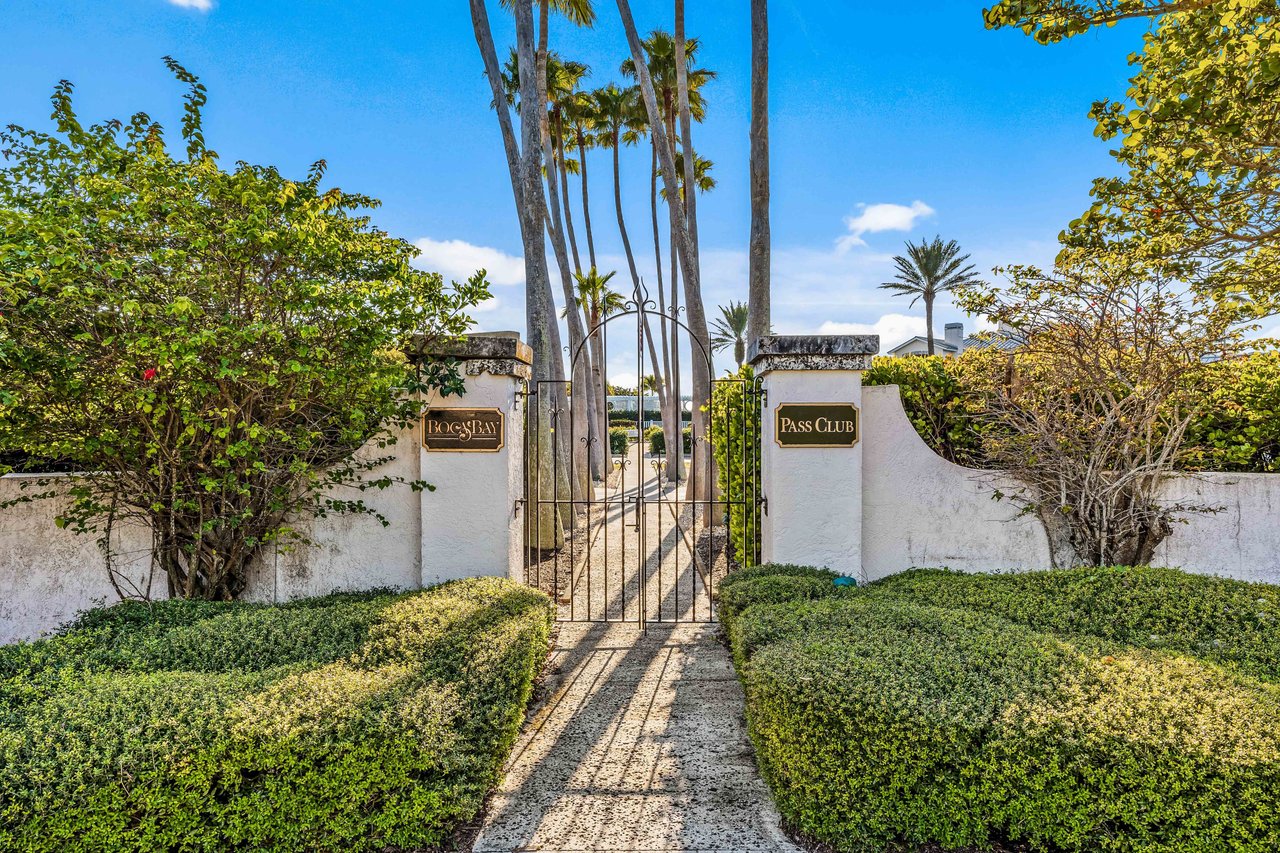 Boca Bay
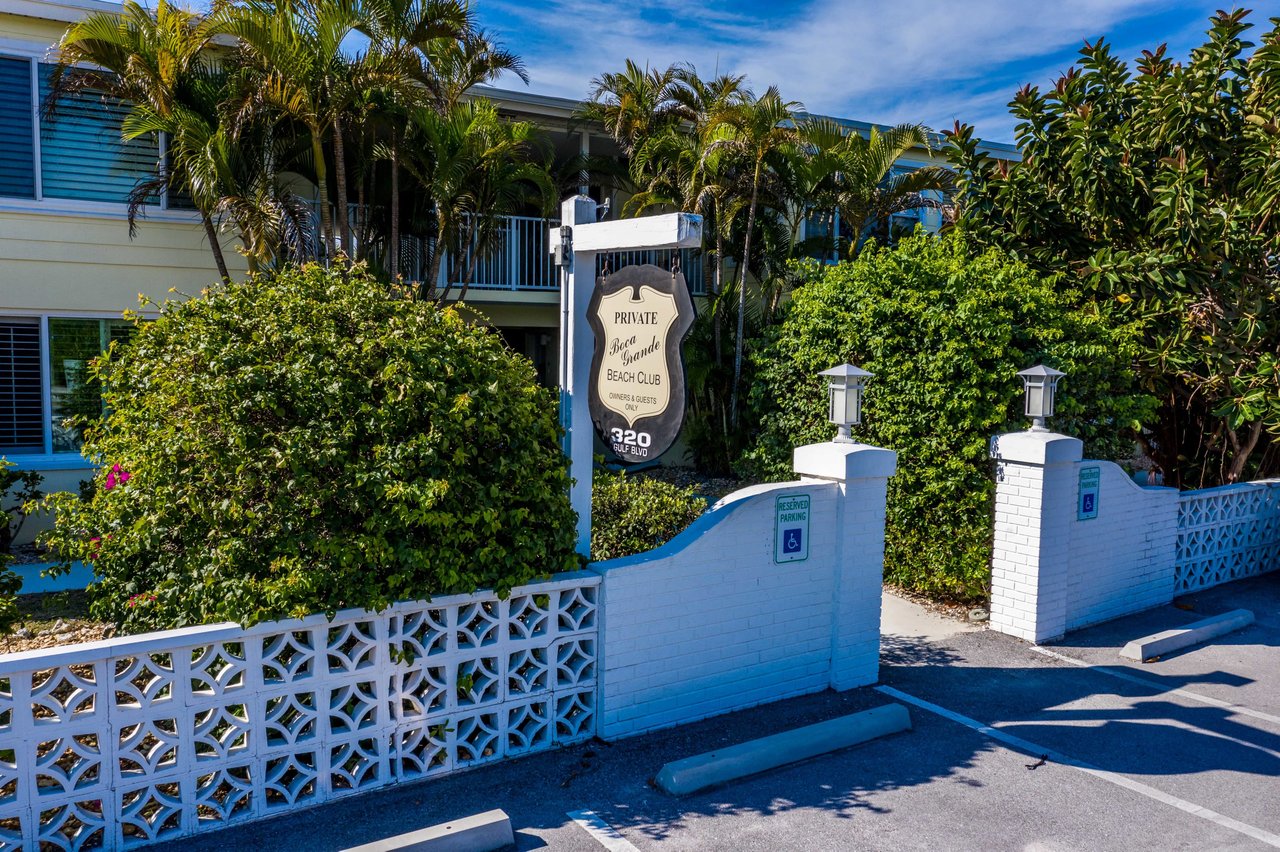 Boca Grande Beach Club
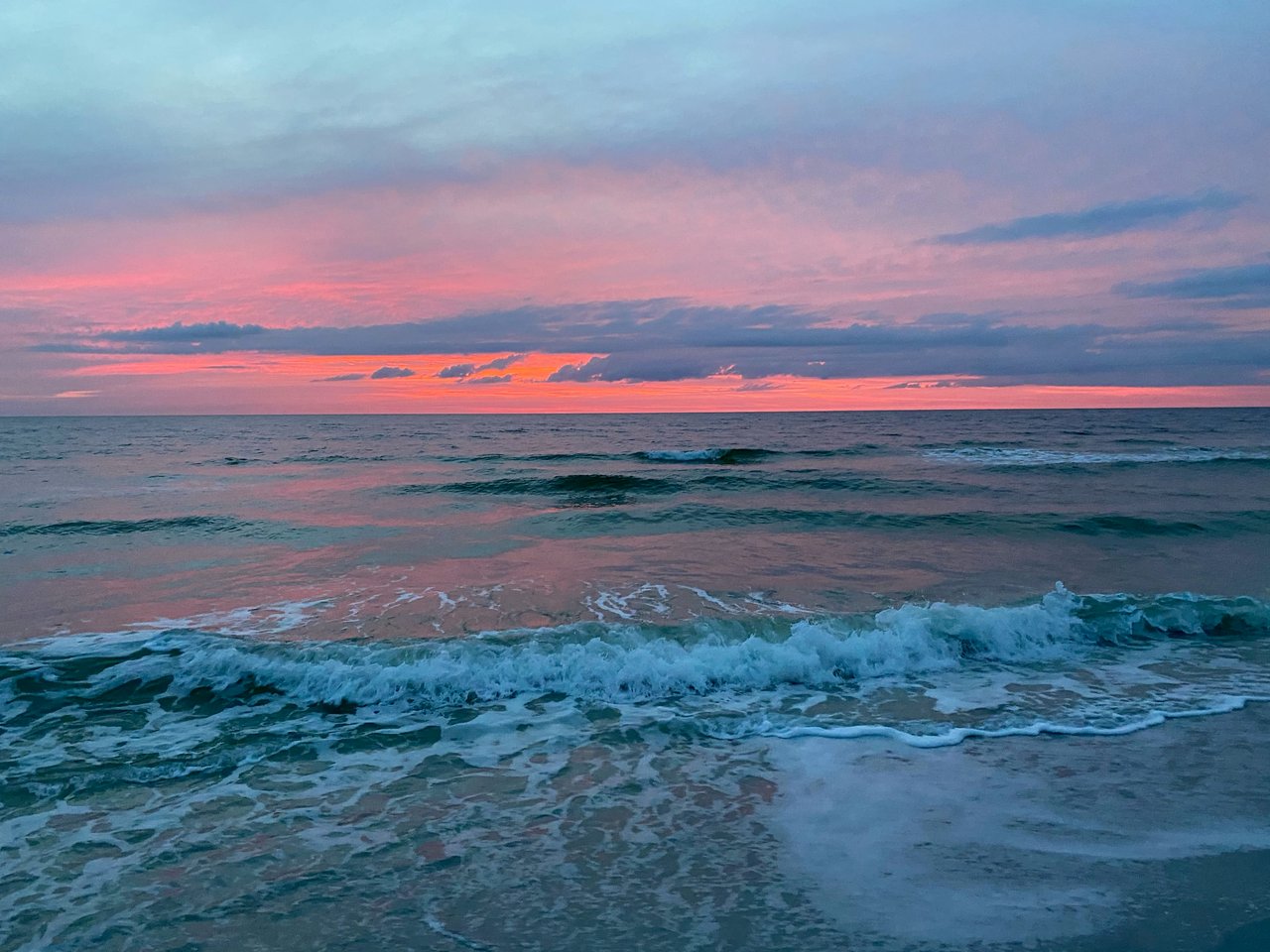 Boca Grande Club
 Boca Grande Club on the Harbor
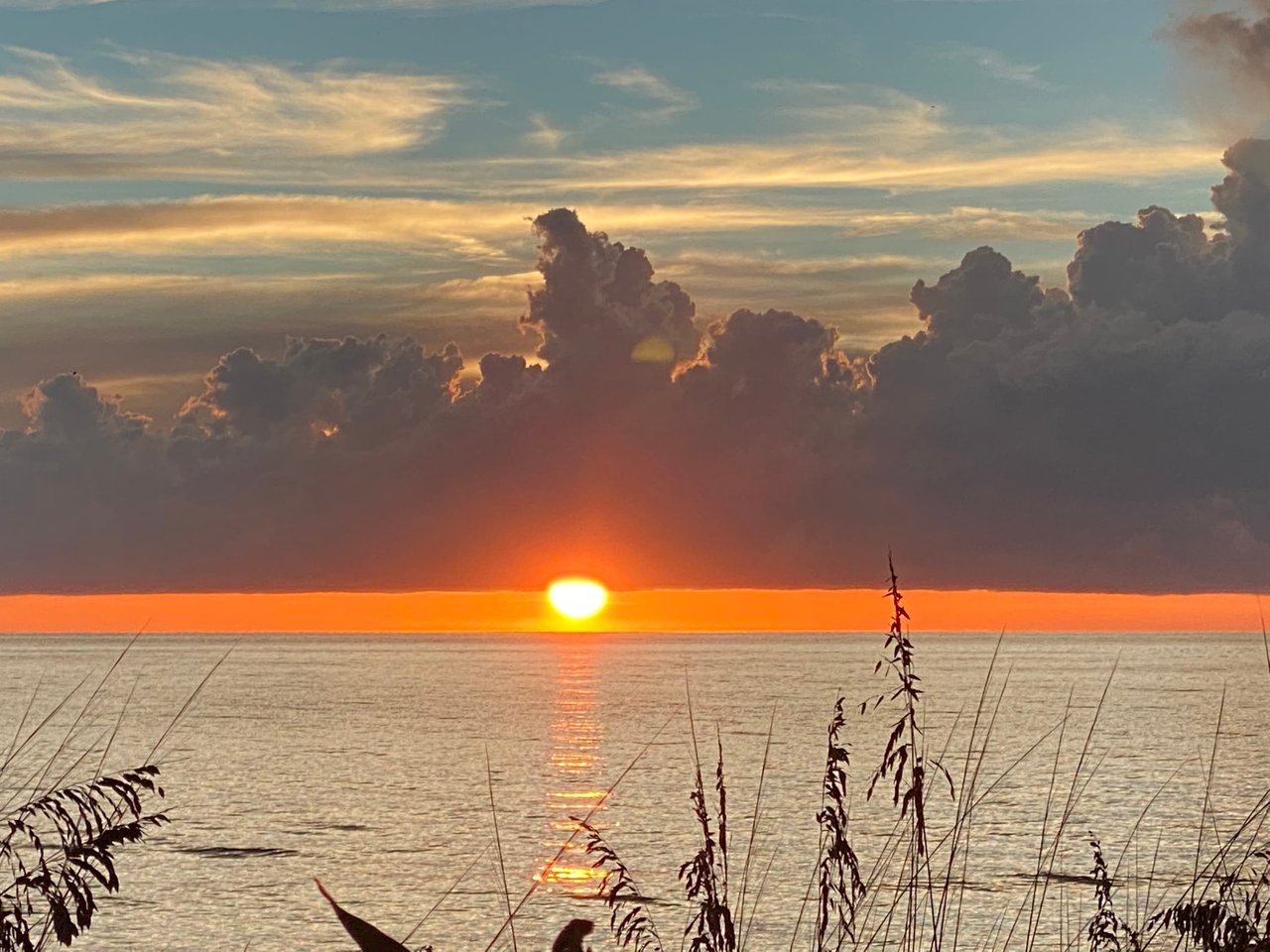 Boca Grande Isles
 "Dam" Streets
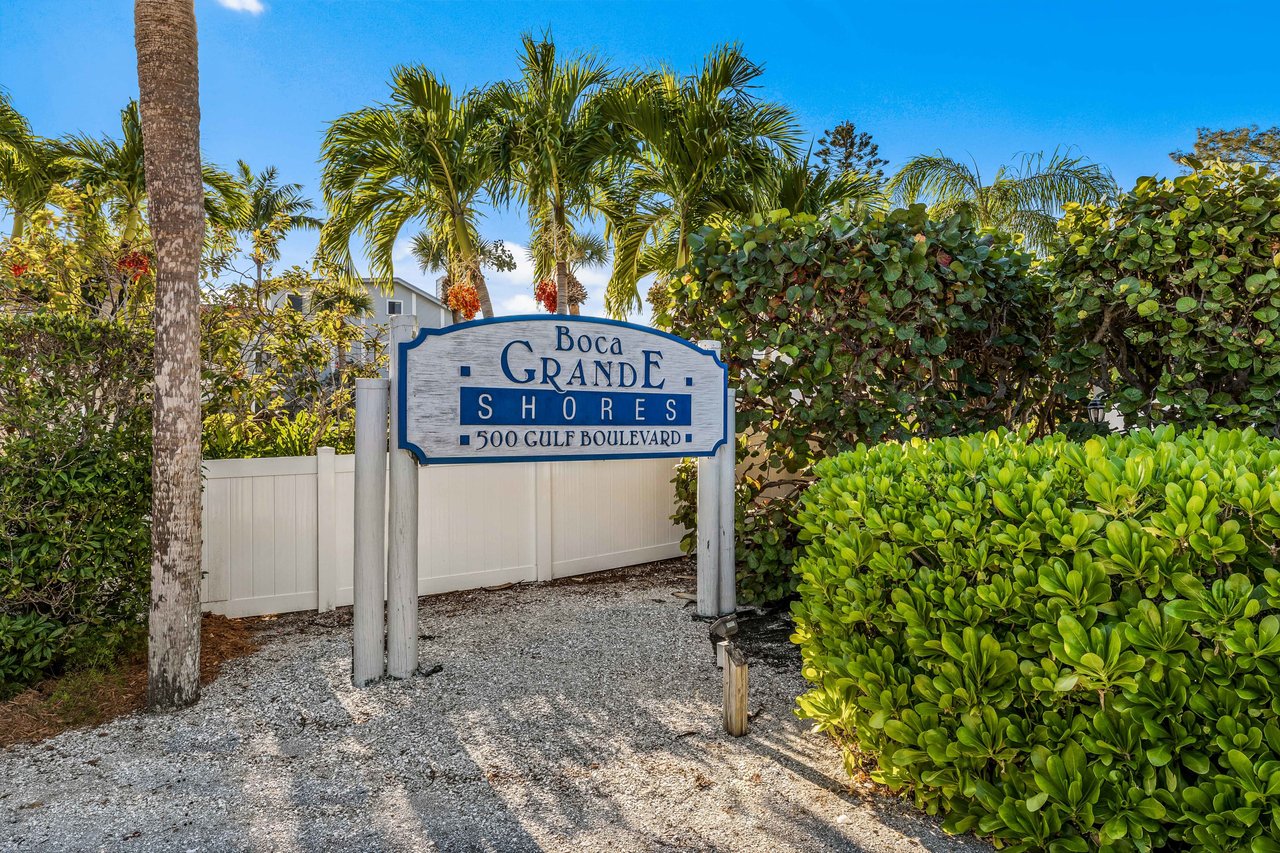 Boca Grande Shores
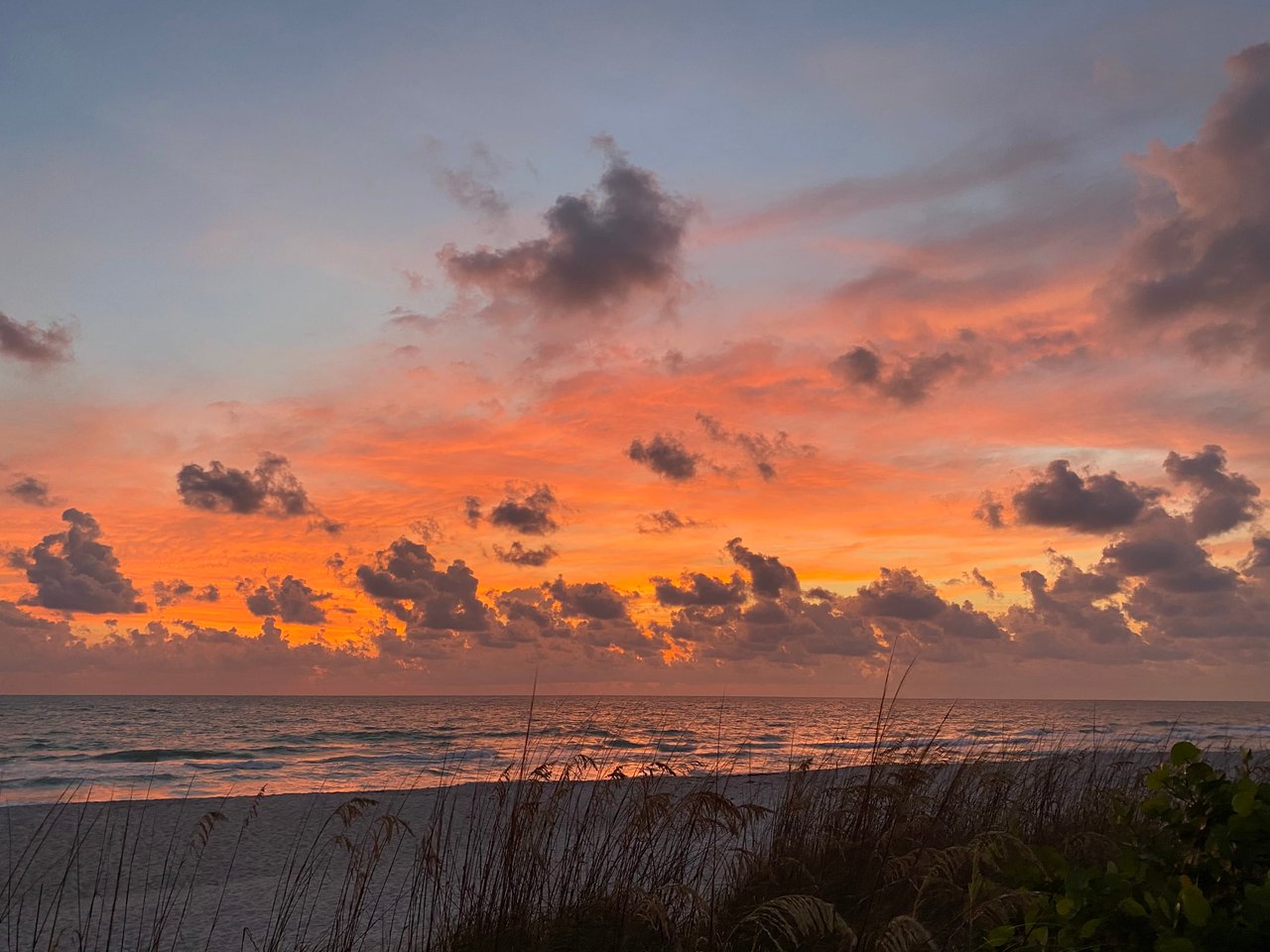 Dunes of Boca Grande
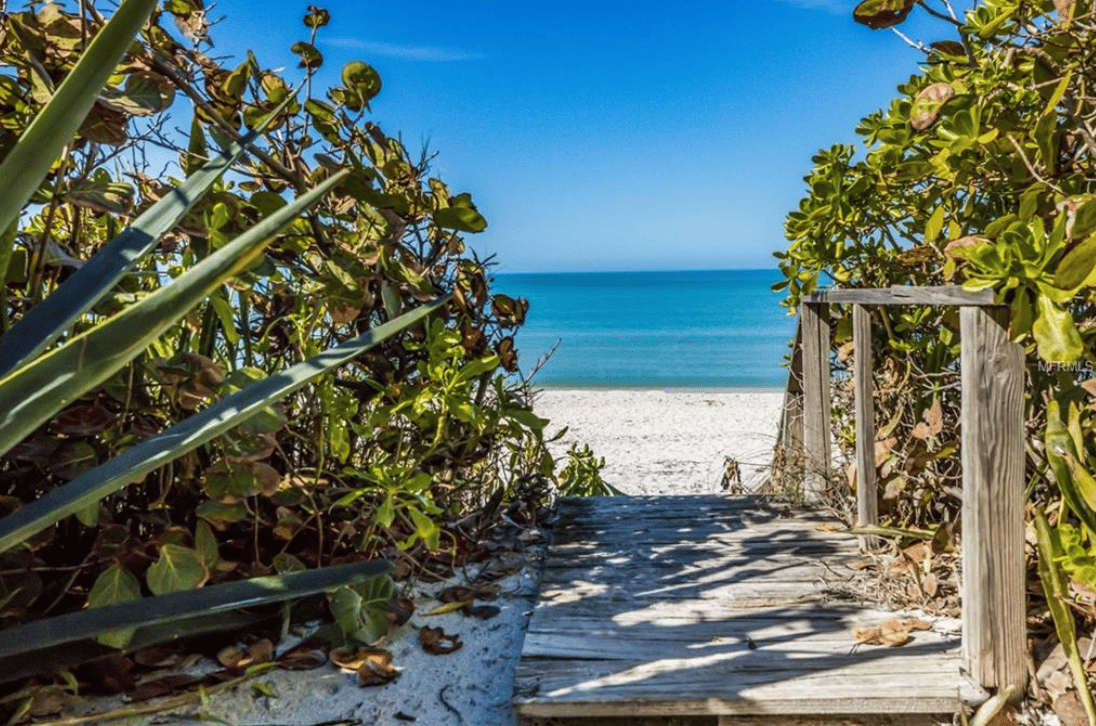 Golden Beach
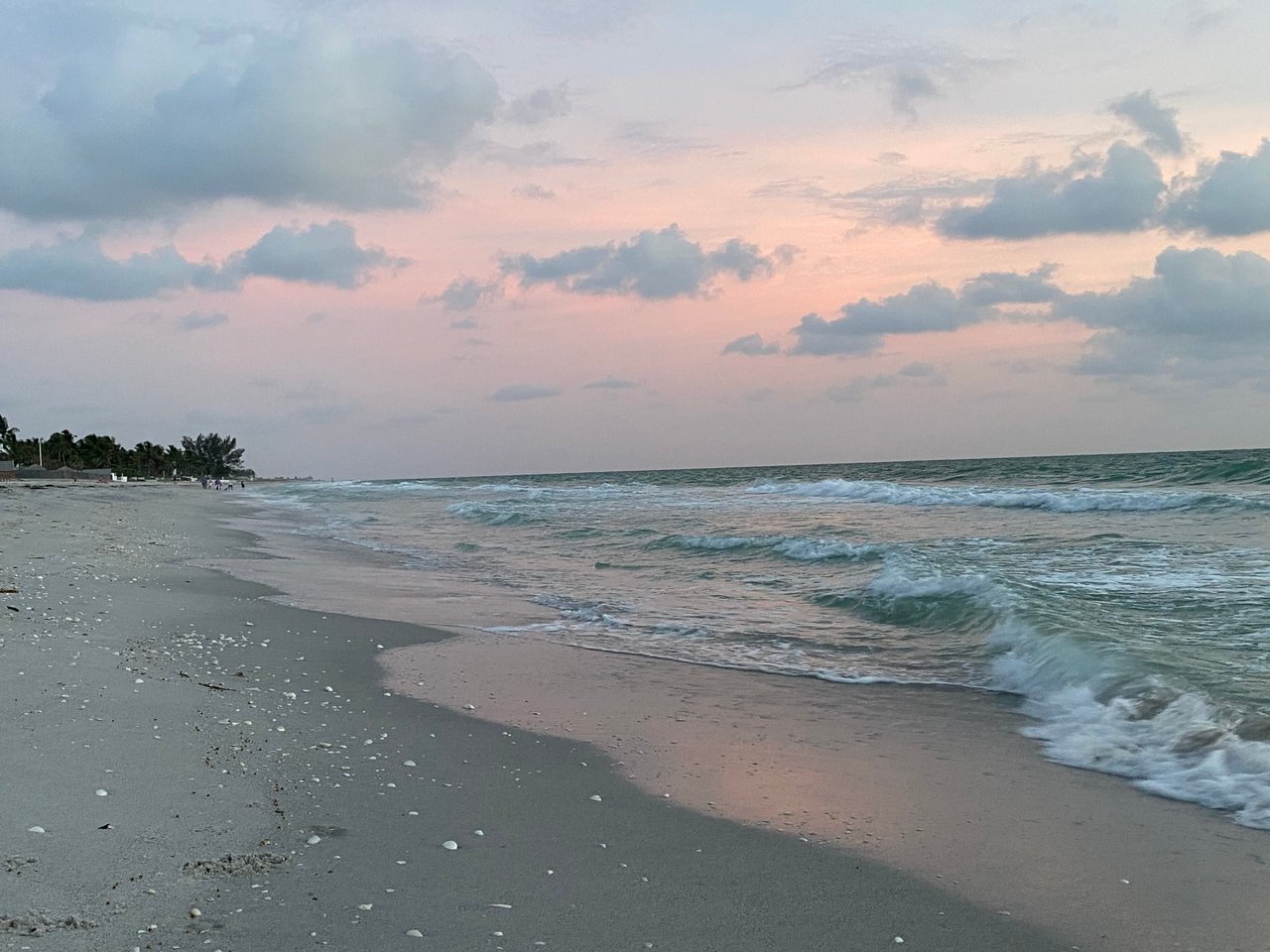 Grande Quay
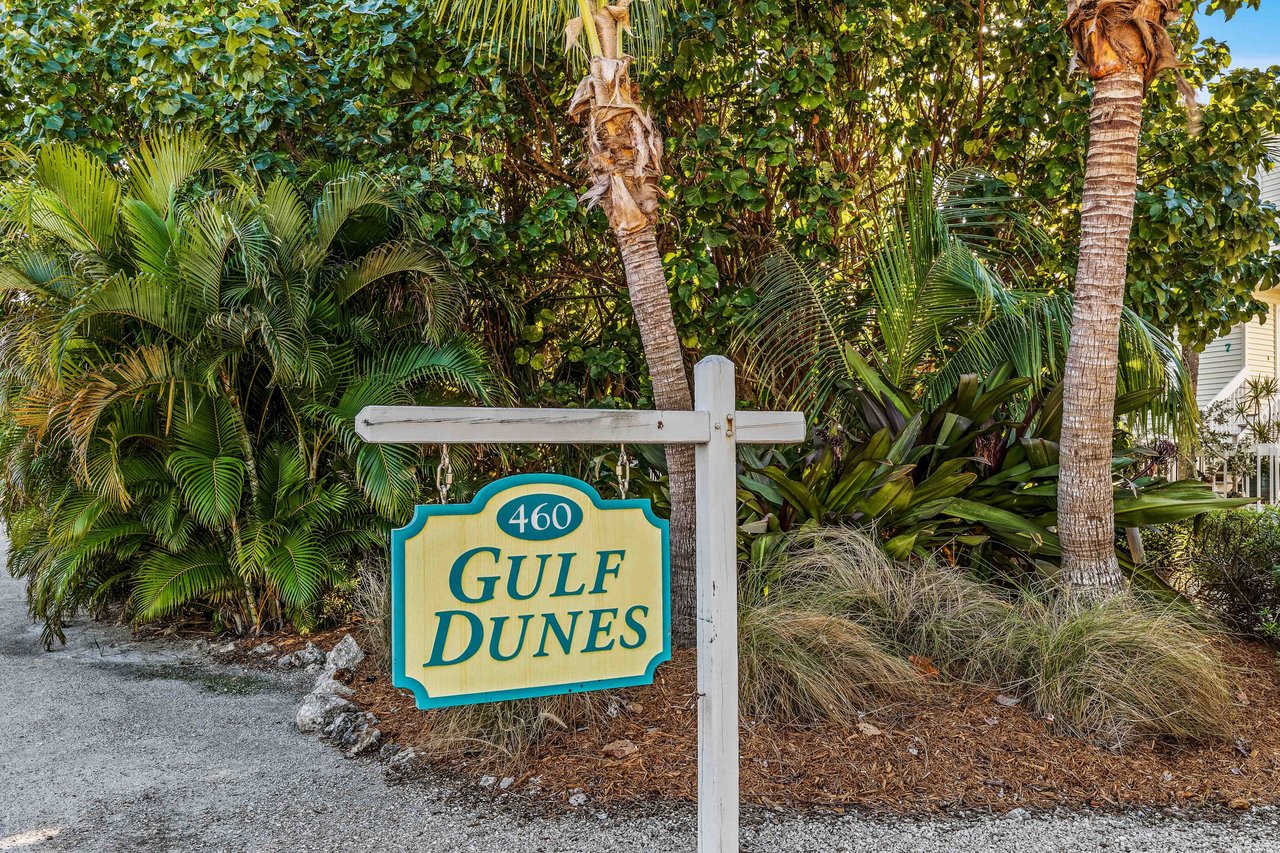 Gulf Dunes
 Historic District
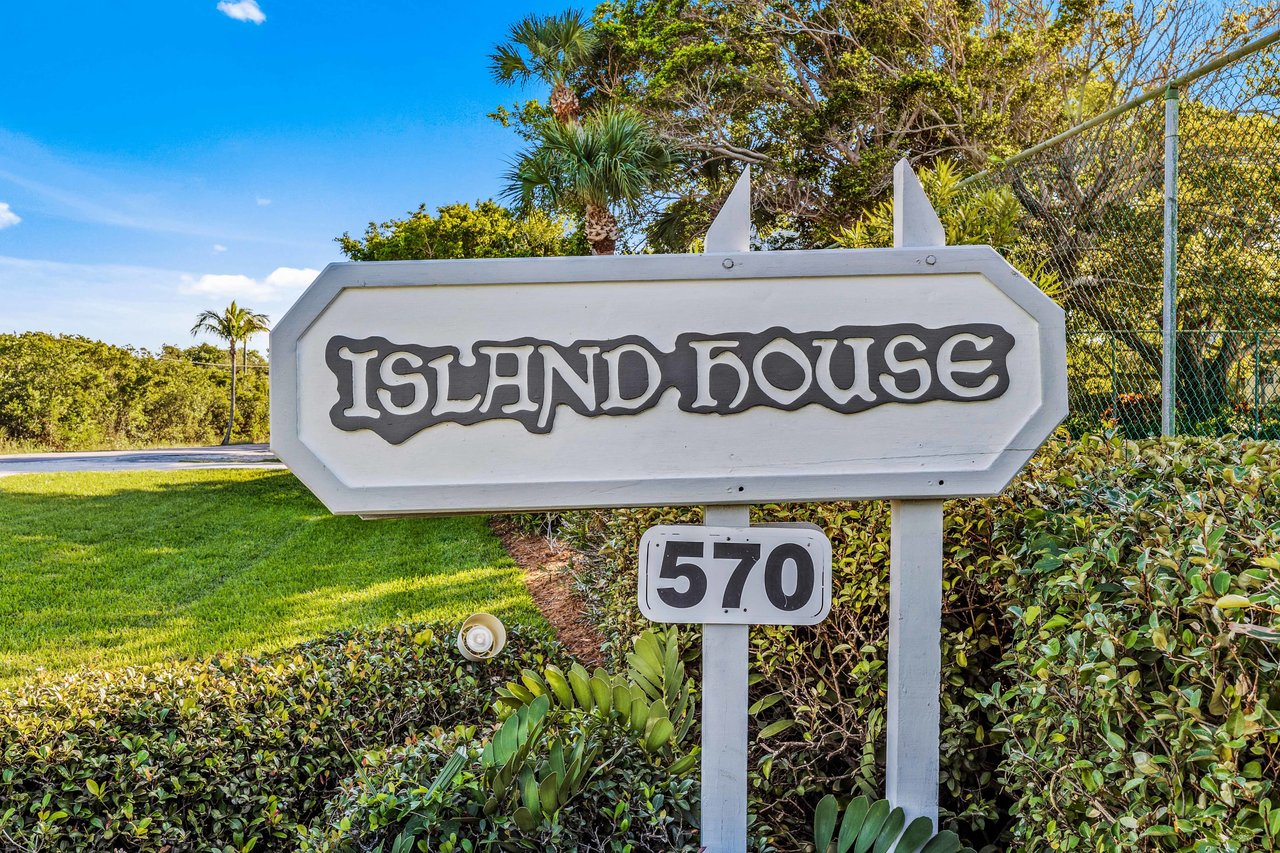 Island House
 Sea Oats
 Seagrape Colony
 Seawatch
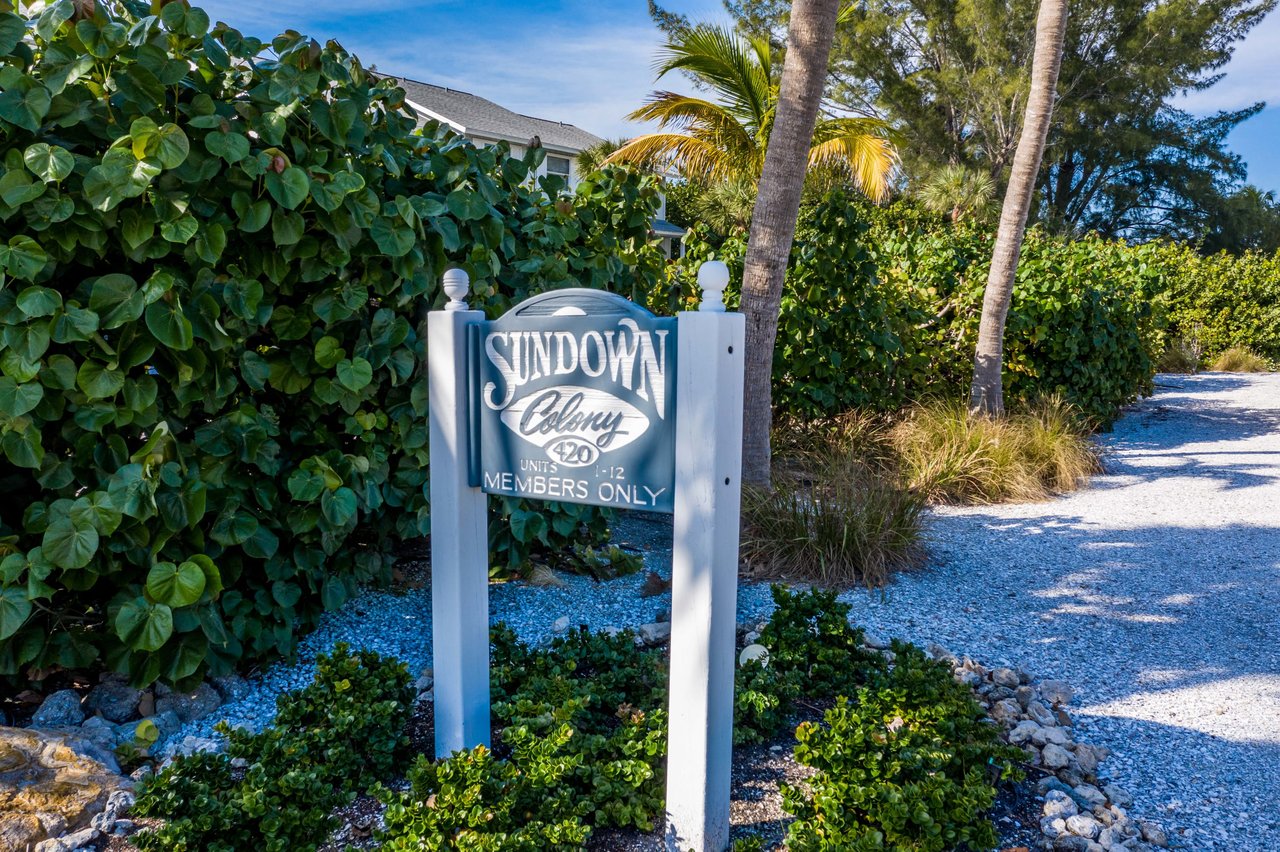 Sundown Colony
 Silver King
 Turtleback
 Woodwind Beach